
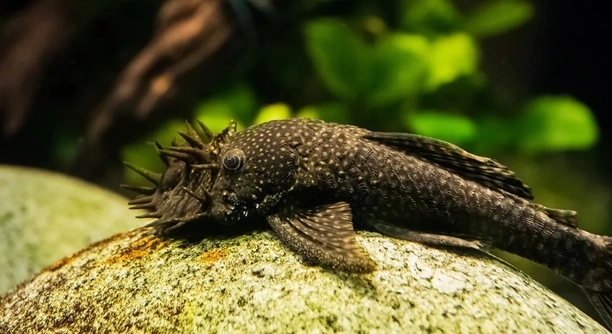
Have you ever brought home a new pleco only to find it hiding away, refusing food, or seeming uncomfortable in its new tank?
Helping your pleco settle in faster requires careful attention to water conditions, tank setup, and diet. Maintaining stable water parameters, providing adequate hiding spots, and offering a balanced diet will significantly reduce stress and encourage your pleco to adapt more quickly.
From tank preparation to feeding adjustments, understanding these key steps will help your pleco feel safe, comfortable, and ready to thrive in its new environment.
Prepare the Tank Before Arrival
Before bringing your pleco home, setting up its tank correctly makes a huge difference in how quickly it adapts. Plecos need a spacious tank with clean, well-oxygenated water and plenty of hiding places. Driftwood, smooth rocks, and caves give them security and reduce stress. Ensure the water parameters match their natural environment—stable pH, moderate temperature, and low ammonia levels are crucial. Let the tank cycle fully before adding your pleco to prevent shock or illness. Proper preparation creates a safe, comfortable habitat that supports healthy behavior and faster adjustment after introduction.
A well-prepared tank not only reduces stress but also promotes natural behaviors like grazing and hiding. Clean water and consistent parameters give your pleco the stability it needs to begin eating and exploring comfortably.
Once your tank is fully cycled and decorated, you’ll notice your pleco moving more freely, exploring its surroundings, and establishing territories as it begins to feel secure.
Maintain Stable Water Conditions
Keeping the water stable is one of the most important factors in helping your pleco adjust quickly. Frequent fluctuations can cause stress, leading to poor appetite and hiding. Monitoring water regularly ensures a comfortable environment for your new addition.
Test ammonia, nitrite, and nitrate levels at least twice a week, especially during the first month. Plecos are sensitive to poor water quality, so partial water changes should be done consistently to maintain cleanliness. Use a reliable filter with strong flow, as plecos produce significant waste. Maintaining the temperature between 75–82°F and a pH around 6.5–7.5 supports their natural comfort zone. Avoid sudden changes in water temperature or chemistry. Stable conditions help them establish normal feeding patterns and reduce the risk of infections. Over time, consistency will lead to visible improvements in their activity level, appetite, and overall health, ensuring your pleco feels secure in its new aquatic environment.
Provide Plenty of Hiding Spots
Plecos are nocturnal and shy by nature, so they need secure hiding spaces to feel safe. Without proper shelter, they may stay stressed, eat less, and take longer to adjust to their surroundings.
Add driftwood, clay pots, and rock caves to mimic their natural habitat. These spots let your pleco retreat during the day and explore at night without fear. Driftwood is especially important since many species graze on it for fiber and comfort. Position hides in shaded areas to reduce exposure to light. A mix of large and small shelters will help your pleco find its preferred space, encouraging natural behavior and reducing aggression from other tank mates.
Creating multiple hiding areas not only makes your pleco feel secure but also adds beauty to your aquarium. As your pleco becomes more comfortable, you’ll notice it spending more time out in the open, exploring freely.
Offer a Balanced Diet
Feeding your pleco properly is essential for helping it settle in and stay healthy. A balanced diet supports growth, strengthens its immune system, and encourages it to become active and confident in its new tank.
Plecos thrive on a mix of algae, sinking pellets, and fresh vegetables like zucchini, cucumber, and blanched spinach. Some species also benefit from protein-rich foods such as shrimp pellets or wafers. Offer food at night since plecos are more active after dark. Remove leftovers after a few hours to maintain water quality. Rotate food options to keep their diet nutritious and interesting. A well-fed pleco will adapt faster, develop rich coloration, and stay more active. Consistent feeding builds trust, making your pleco associate your presence with safety and nourishment.
Keep the Lighting Low
Plecos are sensitive to bright lights and prefer dim environments that resemble their natural habitat. Keeping the lighting low helps them feel comfortable, reduces stress, and encourages them to come out more often instead of hiding all day.
Use soft LED lights or keep the tank shaded with floating plants. Avoid direct sunlight or intense bulbs, as these can cause stress and increase algae growth. Gentle lighting promotes normal behavior and helps your pleco explore its surroundings comfortably, especially during nighttime hours when they are most active.
Limit Disturbances Around the Tank
During the first few days, it’s best to keep the area around the tank calm and quiet. Avoid tapping the glass or making sudden movements nearby, as this can startle your pleco. Allow it time to adjust naturally without excessive human interaction.
Monitor Tank Mates Carefully
Plecos can become stressed by aggressive or overly active tank mates. Choose peaceful species that share similar water requirements. Ensuring compatibility prevents conflicts and allows your pleco to feel secure while exploring and feeding comfortably within its new home.
FAQ
How long does it take for a pleco to settle in?
Plecos generally take one to two weeks to adjust, though some may need longer depending on tank conditions, tank mates, and hiding options. Stress is reduced when water parameters are stable, hiding spots are available, and the pleco receives a proper diet from the start.
Can I feed my pleco during the day?
Yes, plecos can eat during the day, but they are naturally nocturnal. Feeding in the evening or after lights are dimmed often encourages better feeding behavior. Offering food at night aligns with their natural rhythm, making them more likely to explore and eat confidently.
Do plecos need driftwood in their tank?
Many pleco species benefit from driftwood, which serves both as a hiding spot and a source of dietary fiber. Driftwood helps maintain proper digestion and provides a natural surface for grazing algae. Including it improves comfort and encourages natural behaviors.
What is the ideal water temperature for plecos?
Plecos thrive in water temperatures between 75–82°F (24–28°C). Sudden changes can stress them, leading to hiding, reduced appetite, or susceptibility to disease. Maintaining consistent temperatures is key for a smooth adjustment period.
How often should I change the water?
Perform partial water changes weekly, about 20–30% of the tank volume, to maintain water quality. Frequent changes prevent the buildup of ammonia and nitrites, supporting your pleco’s health and encouraging normal feeding and activity patterns.
Can plecos live with other fish?
Yes, plecos generally coexist with peaceful community fish. Avoid aggressive species that may harass or chase them. Tank size matters; larger tanks allow multiple species to coexist without stress. Observing interactions helps ensure all fish remain healthy and stress-free.
Why is my pleco hiding all the time?
Hiding is natural, especially during the first days in a new tank. Excessive hiding may indicate stress, poor water conditions, or insufficient hiding spots. Ensure water quality is stable, provide multiple shelters, and allow time for your pleco to feel secure.
Do plecos need special lighting?
Plecos prefer dim lighting, which replicates their natural environment. Bright lights can increase stress and reduce activity. Use low-intensity LED lights or shaded areas to promote comfort and encourage exploration during active periods.
How do I know if my pleco is healthy?
A healthy pleco is active at night, explores its tank, and eats regularly. Clear eyes, smooth fins, and consistent coloration are good indicators. Any signs of lethargy, fin damage, or loss of appetite require immediate attention to water quality and potential illness.
Can I add more plecos to the same tank?
Adding plecos is possible if the tank is large enough and hiding spots are sufficient. Overcrowding increases stress and can lead to territorial disputes. Introduce new plecos gradually, monitor interactions, and ensure resources like food and shelters are plentiful to reduce conflict.
What type of substrate is best for plecos?
Soft sand or smooth gravel works well, as plecos like to graze along the bottom. Sharp or rough substrates can damage their fins and barbels, causing stress or infections. Choose a substrate that supports natural feeding behavior and comfort.
Is it normal for plecos to lose color initially?
Yes, plecos often lose some coloration when stressed or adjusting to a new environment. With stable water conditions, proper diet, and minimal disturbances, their color will gradually return, reflecting improved health and comfort.
How much should I feed my pleco?
Feed small portions that they can finish within a few hours. Overfeeding leads to poor water quality, which stresses your pleco. Offer a mix of algae wafers, vegetables, and occasional protein to maintain balanced nutrition and support adaptation.
Can plecos survive without algae in the tank?
Yes, plecos can survive with alternative foods, but algae provides natural grazing and fiber. If algae is limited, supplement with vegetables and pellets to meet dietary needs. Balanced nutrition ensures health and reduces stress during settling.
Why does my pleco sometimes scrape the glass?
Scraping or rubbing behavior is normal for plecos as they feed on algae and clean surfaces. Occasional scraping is harmless, but excessive scraping may indicate irritation, parasites, or poor water quality. Observing their behavior helps identify if intervention is needed.
What should I do if my pleco seems stressed?
Check water parameters, provide additional hiding spots, and reduce disturbances around the tank. Stress can result from poor water quality, aggressive tank mates, or inadequate shelter. Maintaining a calm environment and stable conditions encourages quicker adjustment and overall well-being.
Are plecos social or solitary?
Most plecos are solitary and prefer their own space, especially during the day. Multiple plecos can coexist if the tank is large and well-structured, but respecting their preference for personal territory reduces stress and supports healthy behavior.
How long should I wait before handling my pleco?
Avoid handling your pleco during the first few weeks. Handling can cause stress and injury. Let it explore and settle into its tank naturally. Once it is comfortable, interactions should remain minimal to protect both the fish and yourself.
Can plecos help keep the tank clean?
Plecos do consume algae, but they should not be relied on solely for cleaning. Regular maintenance, water changes, and proper filtration are still necessary. Their grazing supports cleanliness but is part of a balanced tank care routine rather than a substitute.
What signs indicate my pleco is adjusting well?
A well-adjusted pleco becomes more active, explores during the evening, and eats consistently. It interacts calmly with tank mates and shows normal coloration. These behaviors indicate comfort, proper nutrition, and stable water conditions, signaling a successful adaptation period.
This FAQ section covers common questions, providing practical guidance to help plecos settle quickly and maintain long-term health in a home aquarium. Proper care, stable conditions, and understanding their natural behaviors are key to success.
Final Thoughts
Bringing a pleco into your home aquarium is a rewarding experience, but it requires preparation and attention to detail. These fish are sensitive to changes in their environment, so ensuring the tank is properly set up before arrival is crucial. A fully cycled tank with stable water parameters, clean filtration, and sufficient space gives your pleco a safe and comfortable home. Adding hiding spots such as driftwood, rocks, and caves provides security and helps reduce stress, allowing your pleco to feel more confident in exploring the tank. Proper preparation can make a noticeable difference in how quickly your pleco settles and starts displaying natural behaviors.
Feeding and care play a central role in helping a pleco adjust smoothly. Providing a balanced diet that includes algae wafers, fresh vegetables, and occasional protein ensures proper nutrition and supports overall health. Feeding during their active hours, typically in the evening, encourages natural foraging behavior and helps them feel more at ease. Consistent feeding schedules and attention to water quality complement the tank setup, creating an environment that promotes healthy growth and activity. Limiting disturbances around the tank and providing gentle lighting also support a calm atmosphere, further helping your pleco feel secure. Each of these steps contributes to a stronger routine and encourages your pleco to settle faster without unnecessary stress.
Observing your pleco closely during the first few weeks is important. Pay attention to behavior, appetite, and interactions with other tank mates. Signs of a well-adjusted pleco include exploring the tank, actively feeding, and using hiding spots when needed. Conversely, prolonged hiding, loss of appetite, or unusual behavior may indicate stress or water issues that need immediate attention. Maintaining stable water conditions, providing sufficient hiding places, and offering a varied diet are all factors that help your pleco adapt successfully. By understanding its natural tendencies and providing consistent care, you create an environment where your pleco can thrive, grow, and display its unique personality in a healthy, stress-free setting. Over time, your efforts will result in a lively, active, and confident pleco that integrates smoothly into your aquarium ecosystem.

Hello,
If you enjoy the content that we create, please consider saying a "Thank You!" by leaving a tip.
Every little bit helps us continue crafting quality advice that supports the health, happiness, and well-being of pets around the world, for pets of all shapes, sizes, and species.
We really appreciate the kindness and support that you show us!