
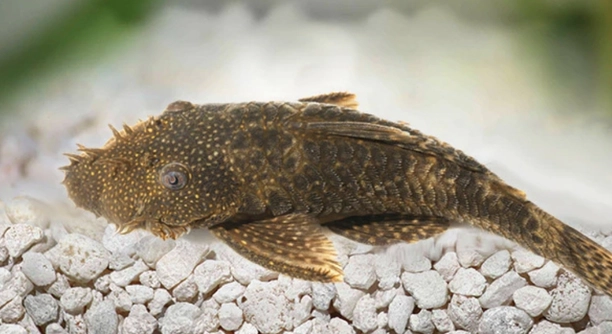
Breeding plecos can be a rewarding experience, but it requires careful preparation and attention to detail. Many aquarists underestimate the time and effort needed to successfully breed these unique fish. Understanding their needs is essential.
Before attempting to breed plecos, aquarists should consider water quality, tank size, diet, temperature, hiding spaces, breeding behavior, and species-specific requirements. Proper preparation of these factors ensures higher survival rates and healthier offspring in captivity.
Knowing what to expect will help you provide the right environment for your plecos. This guidance will make the breeding process smoother and more successful.
Choosing the Right Pleco Species
Selecting the right pleco species is essential before attempting breeding. Different species have different tank size needs, dietary habits, and breeding behaviors. Some plecos, like the common pleco, can grow very large, requiring spacious tanks. Smaller species, such as bristlenose plecos, are easier to manage in a home aquarium. Understanding the growth potential and temperament of the species you select is crucial to prevent overcrowding and stress. Additionally, some species are more prone to aggression, which can affect breeding success. Researching the specific needs of the species will help you plan the tank setup, filtration, and feeding schedule. Breeding behaviors also vary; some species need caves or hiding spots to feel secure while spawning. Choosing a compatible pair is important because plecos can be territorial, especially during breeding. Observing natural behavior in a carefully prepared environment increases the likelihood of a successful spawning event.
Selecting a species that matches your tank size and care ability improves breeding success and keeps the fish healthy.
Starting with a smaller, manageable pleco species reduces stress and allows for easier monitoring of breeding behavior and water conditions.
Preparing the Breeding Tank
A breeding tank should replicate natural conditions as closely as possible. Clean water with stable parameters is essential, including temperature, pH, and hardness. Adding caves, driftwood, or PVC pipes provides hiding and spawning spaces. Proper filtration keeps the water clean without creating strong currents that may stress the fish. Substrate choice is also important, as some plecos prefer sandy or fine gravel floors. Lighting should mimic natural cycles, and gentle aeration helps maintain oxygen levels. Regular water testing ensures the tank remains stable, which is critical for egg development and fry survival. Tank size should allow enough space for the pair to establish territory without constant confrontation. Feeding should include a variety of vegetables and protein sources to maintain optimal health. Monitoring the fish daily helps detect early signs of stress or aggression, allowing prompt intervention. A well-prepared tank increases the chances of successful breeding and healthy offspring.
Proper tank preparation ensures plecos feel secure, encourages natural spawning, and reduces stress for both adults and fry.
Careful observation and gradual introduction of breeding pairs allow you to adjust conditions, maintain water quality, and manage interactions for a higher likelihood of success in breeding plecos.
Water Quality and Temperature
Maintaining clean, stable water is critical for breeding plecos. Sudden changes in pH, hardness, or temperature can stress fish and prevent spawning. Keep the temperature consistent and monitor parameters regularly to ensure a healthy environment.
Plecos require specific water conditions depending on the species. Most prefer slightly acidic to neutral pH, soft to moderately hard water, and stable temperatures between 75–82°F. Frequent water changes help remove waste and maintain oxygen levels, which is important for both adults and fry. Sudden fluctuations in temperature or chemical levels can cause stress, illness, or abandonment of eggs. Proper filtration and gentle aeration help maintain these conditions. Consistency is key, as plecos are sensitive to rapid changes, and breeding success depends on a stable environment. Monitoring water quality daily is essential for long-term health.
Temperature and water quality directly influence spawning behavior and fry survival. Regular checks and gradual adjustments ensure the tank remains suitable for breeding plecos.
Diet and Nutrition
Providing a varied diet is essential for preparing plecos for breeding. High-quality food and fresh vegetables support reproductive health and vitality.
Plecos need a mix of vegetables, algae wafers, and protein sources like bloodworms or shrimp. Nutrient-rich foods improve egg quality and sperm production. Feeding small amounts multiple times a day ensures consistent nutrition and reduces waste buildup in the tank. A poor diet can lead to weak eggs, low fertility, or disease. Observing eating habits helps ensure both male and female fish are receiving enough nutrients. Supplementing with vitamins or spirulina supports overall health, enhances coloration, and boosts immune function. Balanced nutrition is a critical factor in successful breeding.
Consistently feeding a nutritious, varied diet prepares plecos for spawning and helps maintain energy levels. Tracking food intake ensures both fish are thriving before breeding.
Providing Hiding and Spawning Spaces
Plecos need secure hiding and spawning spots. Caves, driftwood, or PVC pipes allow them to feel safe while preparing to breed. Proper placement reduces stress and encourages natural spawning behavior.
These spaces also protect eggs and fry from aggression. Males often guard the chosen area, so giving multiple options can reduce conflict and increase breeding success.
Observing Breeding Behavior
Males will often display territorial behavior and guard the chosen spawning spot. Watching for these behaviors helps determine readiness for breeding.
Recognizing signs like increased hiding, digging, and heightened activity around caves indicates that spawning may occur soon. Male plecos may flare their fins or chase other fish to defend territory. Females will approach cautiously, inspecting potential spawning areas. Egg-laying typically occurs inside the cave or tube, and males will clean and prepare the surface beforehand. Monitoring interactions allows timely intervention if aggression becomes excessive. Understanding these behaviors improves your ability to support successful breeding and ensures the safety of both adults and eggs.
Handling Eggs and Fry
Once eggs are laid, monitoring them closely is important. Removing any unfertilized or fungus-infected eggs helps improve survival rates.
FAQ
How long does it take for pleco eggs to hatch?
Pleco eggs usually hatch within 4 to 10 days, depending on species and water temperature. Warmer water tends to speed up development, while cooler temperatures slow it down. Consistent temperature and clean water are essential for proper egg development. Monitoring the eggs daily helps identify any issues early.
How can I tell if the eggs are fertilized?
Fertilized eggs are usually firm, round, and often slightly translucent or yellowish. Unfertilized eggs may appear opaque, whitish, or develop fungus quickly. Removing unhealthy eggs reduces the risk of fungus spreading to healthy ones and improves overall survival rates.
Do plecos care for their eggs?
Yes, male plecos typically guard the eggs. They fan them with their fins to provide oxygen and keep the area clean. Males may become aggressive during this period to protect the eggs from other fish, so it’s important to give them space and ensure the tank setup supports territorial behavior.
What should I feed plecos during breeding?
A high-quality, varied diet is crucial. Provide vegetables like zucchini or spinach, algae wafers, and occasional protein such as bloodworms or shrimp. Well-fed adults are healthier, which improves egg quality and increases the chances of successful spawning. Small, frequent feedings help maintain consistent nutrition.
When should I separate the fry from the parents?
Fry can usually stay with the parents for a few days to a week, depending on species. Once they start swimming freely and feeding on their own, consider moving them to a separate grow-out tank. This prevents accidental predation and allows better control of feeding and water conditions.
How do I care for pleco fry?
Pleco fry need clean, oxygen-rich water and gentle filtration. Feed finely crushed algae wafers, spirulina, or specialized fry food. Frequent small water changes maintain water quality. Avoid overcrowding to reduce stress and ensure each fry has access to food. Monitoring growth and health regularly is important for successful development.
Can I breed plecos in a community tank?
Breeding in a community tank is possible but more challenging. Adult fish or other species may disturb eggs or fry. Providing plenty of hiding spots and monitoring the breeding pair closely helps, but using a dedicated breeding tank is usually safer and more successful.
How often can plecos breed?
Frequency depends on species, age, and environmental conditions. Some plecos may spawn every few weeks if conditions are optimal. Overbreeding can stress adults, so maintaining proper nutrition, tank conditions, and rest periods is important for long-term health.
What common problems should I watch for?
Watch for fungus on eggs, aggression from males, poor water quality, and unhealthy fry. Prompt intervention, proper tank setup, and attentive care are key to addressing these issues and ensuring successful breeding.
Do all pleco species breed the same way?
No, breeding behavior varies by species. Some prefer caves, others lay eggs on driftwood or rocks. Understanding the specific requirements of your species, including tank setup, temperature, and diet, is essential for success. Researching species-specific needs helps prevent common mistakes and increases survival rates.
How can I encourage breeding if my plecos aren’t spawning?
Improve water quality, stabilize temperature, and adjust diet. Adding hiding and spawning spaces, increasing protein intake, and mimicking seasonal changes in water conditions can stimulate spawning behavior. Patience is important, as plecos may need several weeks to acclimate before breeding.
Is it necessary to remove the parents after spawning?
Removing parents isn’t always necessary, especially if the male is guarding the eggs. However, if the species is aggressive or there is a risk of the eggs or fry being eaten, separating them can improve survival rates. Assess behavior carefully before deciding.
Can plecos breed without a specific male-female pair?
Some pleco species are more flexible, but generally, successful breeding requires a compatible male and female. Compatibility depends on size, health, and temperament. Observing natural behavior helps ensure that the pair is ready and willing to spawn.
What is the best way to raise healthy pleco fry?
Maintain stable water conditions, provide appropriate nutrition, and prevent overcrowding. Use gentle filtration and frequent small water changes. Monitor growth, separate sick or weak fry if needed, and provide hiding spaces to reduce stress. Consistent care improves survival rates and ensures strong, healthy juveniles.
How long does it take for fry to reach adult size?
Growth rate varies by species. Smaller plecos may reach adult size in a few months, while larger species take one to two years. Providing adequate food, clean water, and proper tank space supports healthy growth and reduces deformities or stunted development.
Can I sell or give away pleco fry?
Yes, once fry are large enough to feed independently, they can be sold or given away. Ensure recipients have appropriate tank conditions and knowledge of pleco care. Properly raising fry before transfer increases survival rates and prevents stress.
Are there any health risks to breeding plecos?
Stress, poor water quality, and improper diet can affect health. Overbreeding may weaken adults. Monitoring behavior, nutrition, and water conditions helps reduce risks and ensures the wellbeing of both adults and offspring.
What supplies are essential for breeding plecos?
A suitable breeding tank, caves or pipes, reliable filtration, heater, water testing kits, nutritious food, and gentle aeration are essential. Proper preparation of these items supports successful spawning and healthy fry development.
How do I know when fry are ready to eat solid food?
Fry start exploring and nibbling on algae wafers, spirulina, or crushed food after a few days to a week. Monitor feeding behavior to ensure they are actively eating and growing. Gradually increase food amounts as they develop.
Is patience important when breeding plecos?
Yes, plecos require consistent care and time. Spawning may not occur immediately, and fry growth can be slow. Patience and observation are critical for success and for maintaining the health of adults and young fish.
Breeding plecos can be a highly rewarding experience, but it requires patience, preparation, and careful attention to detail. Understanding the specific needs of the species you are working with is crucial. Each pleco species has its own requirements for water parameters, tank size, diet, and spawning behavior. Meeting these needs ensures a higher chance of successful breeding and healthier offspring. Rushing the process or neglecting the environment can lead to stress, poor health, and unsuccessful spawning. By carefully planning and setting up the breeding tank with appropriate hiding and spawning spaces, you provide the plecos with a safe and comfortable environment. This preparation helps them display natural behaviors and supports the male’s role in guarding the eggs, which is essential for the survival of the fry.
Maintaining consistent water quality and stable temperatures is another key factor in breeding success. Plecos are sensitive to sudden changes in pH, hardness, or temperature, which can prevent spawning or even harm the eggs and fry. Frequent water testing and gradual adjustments when needed help create a stable environment. Filtration should keep the water clean without generating strong currents that could disturb the fish. Gentle aeration ensures sufficient oxygen levels, which is particularly important for the eggs and young fry. Observing the plecos daily allows early detection of stress, aggression, or health issues. Along with water quality, providing a balanced, nutrient-rich diet supports reproductive health. Feeding vegetables, algae wafers, and protein sources ensures that both males and females have the energy and nutrition required for spawning and raising healthy fry.
Patience and careful monitoring are essential throughout the breeding process. Recognizing breeding behavior, preparing the fry tank, and providing proper care for the eggs and fry all require consistent attention. Understanding the differences between species, observing the adults’ behavior, and ensuring proper nutrition all contribute to a successful outcome. Even with ideal conditions, it is normal for some eggs or fry to fail, so learning from each breeding attempt is important. Over time, experience allows better anticipation of needs and adjustments to the tank setup, diet, and care routines. Following these steps increases the likelihood of healthy, thriving plecos and makes the experience more manageable and rewarding. Proper preparation, consistent care, and careful observation provide a strong foundation for breeding plecos successfully and maintaining their long-term health.

Hello,
If you enjoy the content that we create, please consider saying a "Thank You!" by leaving a tip.
Every little bit helps us continue crafting quality advice that supports the health, happiness, and well-being of pets around the world, for pets of all shapes, sizes, and species.
We really appreciate the kindness and support that you show us!