
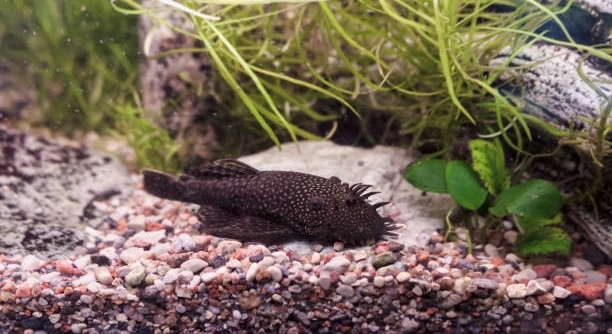
Do you ever notice your bristlenose plecos spending a lot of time near the surface of the tank and wonder if something might be missing in their environment? These small, armored fish are popular among aquarium enthusiasts for their algae-eating habits. Caring for them properly requires attention to water conditions, tank setup, and oxygen levels to keep them healthy and active.
Bristlenose plecos do not strictly require air pumps under normal conditions. They are equipped with a specialized digestive system that allows them to utilize oxygen from water efficiently. However, additional aeration can improve water quality and ensure optimal oxygen levels, particularly in densely stocked tanks or warm environments.
Understanding their breathing habits and environmental needs can help you maintain a healthy, thriving aquarium. Proper tank care will keep your plecos active and comfortable.
Understanding Bristlenose Plecos’ Breathing
Bristlenose plecos are equipped with a unique adaptation that allows them to breathe oxygen efficiently from water. They have a modified gut that helps absorb oxygen, reducing their dependency on surface air. While they can gulp air from the surface when needed, it is not their primary method of respiration. Proper oxygen levels in the tank can still support their activity and overall health. Tanks with good water circulation and adequate filtration maintain oxygen levels naturally, but warmer water or crowded conditions can reduce oxygen availability, making additional aeration helpful. Observing your plecos’ behavior is a reliable way to determine their comfort. If they frequently gather at the surface, it may indicate low oxygen or poor water quality. Ensuring a balanced environment with clean water, appropriate temperature, and natural hiding spots will keep them active. Their ability to adapt is impressive, yet it is important to maintain conditions that reduce stress and promote longevity.
Even in well-maintained tanks, occasional aeration benefits both the fish and water quality, preventing stagnant zones.
Monitoring oxygen levels and adding an air pump can enhance your plecos’ environment, particularly in warmer or densely stocked tanks. This simple adjustment ensures stable conditions and prevents potential stress, which can affect feeding and growth. While plecos can survive without an air pump, supplemental aeration supports overall health, especially during temperature fluctuations or increased activity periods. Observing your fish regularly and noticing subtle changes in behavior provides valuable insight into their comfort levels. Combined with consistent water maintenance, aeration can prevent unseen issues from developing. By addressing oxygen needs proactively, you provide a safer and more stable habitat, allowing your plecos to thrive naturally.
Signs Your Plecos Might Need Additional Aeration
Frequent surface breathing is the most noticeable indicator that oxygen levels may be insufficient.
Low oxygen can occur due to warm water, high fish density, or inadequate filtration. Plecos may appear lethargic, cling to surfaces, or remain in one area of the tank. Adding an air pump increases water circulation and oxygen availability, reducing stress and encouraging normal activity. Monitoring water parameters like temperature, ammonia, and nitrate levels is essential, as these factors influence oxygen absorption. Even minor adjustments in tank setup, such as rearranging decorations to improve flow, can significantly enhance oxygen distribution. Regular observation and simple measures like an air stone or sponge filter create a more stable environment. Prioritizing water quality and aeration ensures plecos maintain healthy behavior, proper growth, and longevity. Consistent care and awareness allow you to address issues early, preventing long-term health problems. By combining these strategies, you create a balanced and safe habitat for bristlenose plecos without overcomplicating their care requirements.
Tank Conditions That Affect Oxygen Levels
Warm water holds less oxygen, making temperature control important for plecos. Filtration and water flow directly influence oxygen distribution, while overstocking can quickly reduce available oxygen in the tank.
Maintaining proper filtration ensures that water moves consistently, preventing stagnant areas where oxygen may drop. Plecos rely on clean water not only for breathing but also for overall health. Decorations and plants can impact flow, so arranging the tank to allow unobstructed circulation is important. Even minor adjustments, like spacing driftwood or adding an air stone, can improve oxygen levels and reduce surface gathering. Monitoring water temperature with a thermometer helps maintain an environment where plecos can thrive naturally.
Water changes are also crucial for sustaining oxygen levels. Replacing a portion of the water removes excess waste and introduces fresh, oxygen-rich water. Over time, debris and decaying matter can lower oxygen availability, stressing the fish. Regular maintenance, including checking filter performance and clearing blockages, prevents oxygen depletion. Combining consistent cleaning, temperature management, and thoughtful tank design creates a stable habitat that supports healthy breathing and active behavior in bristlenose plecos.
Choosing the Right Air Pump
Air pumps vary in size and output, so selecting one suitable for your tank is essential. Proper placement ensures even oxygen distribution.
The goal is to create gentle water movement without causing stress or disturbing the substrate. Too strong a current can make plecos avoid certain areas, while too weak may fail to provide adequate aeration. Sponge filters are often recommended because they combine filtration and gentle air flow. An air stone spreads bubbles evenly, increasing surface agitation and oxygen exchange. Placement near corners or behind decorations can maintain natural-looking flow while improving water quality. Choosing a pump with adjustable output allows you to fine-tune aeration as needed.
Regular monitoring after installing an air pump ensures it meets your tank’s specific needs. Observing pleco behavior, such as surface visits or hiding patterns, helps gauge effectiveness. Maintenance includes checking tubing, stones, and the pump motor for clogs or wear. Combining aeration with proper filtration, temperature control, and water changes creates a balanced environment where plecos can breathe efficiently. Understanding your tank’s dynamics allows you to adjust the pump for seasonal temperature changes or increased fish activity, ensuring stable oxygen levels year-round.
Common Mistakes With Aeration
Over-aerating the tank can create strong currents that stress plecos and disrupt their natural resting areas. Gentle circulation is sufficient for most setups.
Neglecting regular maintenance of air pumps and stones can reduce efficiency. Clogged or worn components decrease oxygen distribution, which can subtly affect fish behavior over time.
Signs of Low Oxygen
Lethargy, frequent surface visits, and rapid gill movement are indicators of low oxygen. Plecos may cling to filters or areas with stronger water flow to access oxygen. Monitoring these behaviors helps identify when adjustments to aeration or water quality are necessary.
Adjusting Aeration for Seasonal Changes
Temperature changes affect oxygen levels, as warmer water holds less oxygen. Increasing gentle aeration during hot months helps maintain stable conditions and prevents stress on plecos, particularly in tanks without strong water flow.
Combining Filtration and Aeration
Using both filtration and aeration improves water quality and oxygen availability simultaneously. Filters remove waste that depletes oxygen, while pumps or stones increase surface agitation, creating a healthier environment for plecos. Properly combining these systems supports consistent breathing and reduces risk of oxygen-related stress.
FAQ
Do bristlenose plecos need an air pump if the tank is small?
Small tanks with low fish density generally maintain adequate oxygen through normal water circulation and surface exchange. An air pump is optional in these cases, but occasional gentle aeration can improve stability and ensure plecos remain active and stress-free.
How can I tell if my plecos are not getting enough oxygen?
Signs include frequent surface visits, rapid gill movement, lethargy, and hiding near areas with stronger flow. Observing these behaviors helps determine whether adjustments to aeration, filtration, or water changes are needed to maintain healthy oxygen levels.
Will an air pump stress my plecos?
Air pumps themselves do not stress plecos if used correctly. Strong currents from oversized pumps can cause avoidance behavior or force plecos into hiding. Gentle, adjustable aeration is recommended to maintain comfort and natural swimming patterns.
Can plecos survive in a tank without an air pump?
Yes, plecos can survive without an air pump because they extract oxygen from water efficiently. However, supplemental aeration supports oxygen levels during warm months, high fish density, or periods of increased activity, reducing potential stress.
Is it necessary to run an air pump 24/7?
Continuous operation is not always required, but running an air pump consistently ensures stable oxygen levels. Timed operation may suffice if water movement and filtration maintain proper circulation, though plecos benefit from steady conditions.
How does water temperature affect oxygen needs?
Higher water temperatures hold less oxygen, making plecos more susceptible to low oxygen levels in warm tanks. Adjusting aeration during hotter months helps maintain consistent breathing conditions and prevents stress or lethargy.
Will live plants reduce the need for an air pump?
Live plants contribute some oxygen through photosynthesis but are not a complete substitute for aeration. At night, plants consume oxygen, which can temporarily reduce levels. Combining plants with proper filtration and gentle aeration is the most reliable approach.
Where should I place an air stone in the tank?
Place air stones near corners or behind decorations to promote gentle, even water flow. Avoid strong direct currents that may disturb plecos’ resting areas. Proper placement increases surface agitation and oxygen exchange without stressing the fish.
Do plecos benefit from multiple air stones?
Multiple air stones can improve oxygen distribution in larger or densely stocked tanks. They ensure even circulation and reduce stagnant zones, supporting healthy breathing and overall activity, but care must be taken to avoid creating strong currents.
How often should I check the air pump and filtration system?
Regular checks, at least weekly, help ensure consistent oxygen levels. Clean or replace clogged stones, tubing, and filter components as needed to maintain water movement, prevent stagnation, and support healthy pleco behavior.
Can poor water quality make plecos appear like they need more oxygen?
Yes, high ammonia or nitrate levels reduce oxygen availability and can cause plecos to surface frequently. Maintaining water quality with regular changes and proper filtration supports oxygen levels and prevents unnecessary stress.
Is supplemental aeration necessary for a well-planted tank?
Even in planted tanks, gentle aeration is beneficial. Plants may provide oxygen during the day but consume it at night, so an air pump ensures stable conditions, particularly in small or heavily stocked aquariums.
Can I use a filter alone instead of an air pump?
Filters provide water movement, which supports oxygen distribution, but they may not create enough surface agitation in all setups. Combining filtration with a small air pump ensures consistent oxygen levels without excessive current.
Will plecos survive short periods of low oxygen?
Bristlenose plecos can tolerate brief drops in oxygen, but prolonged low oxygen levels increase stress, reduce feeding, and can affect growth or long-term health. Preventive measures are better than waiting for symptoms to appear.
How do I balance aeration and decoration in the tank?
Arrange decorations to allow unobstructed water flow while providing hiding spots. Air stones can be positioned behind driftwood or rocks to maintain natural swimming areas and ensure even oxygen distribution without disturbing plecos.
Does tank size affect the need for an air pump?
Larger tanks or tanks with higher fish density often require additional aeration because oxygen distribution can be uneven. Small, lightly stocked tanks may manage without a pump if water flow and surface agitation are sufficient.
How do I know if the air pump is too strong?
Plecos avoiding open areas, clinging to surfaces, or hiding excessively indicates strong currents. Adjustable pumps or repositioned air stones help create gentle flow that supports oxygen without stressing the fish.
Can I use battery-operated air pumps in emergencies?
Battery-operated pumps can temporarily maintain oxygen levels during power outages or equipment failure. They are effective short-term solutions but should not replace regular filtration or continuous aeration in the long term.
Is there a difference between air stones and sponge filters for plecos?
Sponge filters provide both gentle aeration and filtration, reducing the need for separate equipment. Air stones increase surface agitation but do not filter the water. Combining both can optimize oxygen and water quality.
Do plecos breathe air like some other catfish?
Bristlenose plecos do not require atmospheric air for survival. They extract oxygen efficiently from water using their digestive system but will occasionally surface when oxygen levels drop, which is normal behavior.
How can I prevent oxygen-related stress in plecos?
Maintain proper temperature, avoid overstocking, perform regular water changes, and use gentle aeration if necessary. Monitoring behavior and tank conditions ensures plecos remain comfortable and active without unnecessary stress.
Are there signs of over-aeration I should watch for?
Strong currents causing plecos to avoid open swimming areas, hiding excessively, or failing to feed are signs of over-aeration. Adjusting air stone placement or reducing pump output can resolve these issues and restore comfort.
Does the type of substrate affect oxygen levels?
Dense or compact substrates can limit water flow at the bottom, creating low-oxygen zones. Stirring substrate lightly during maintenance or using an air stone to circulate water nearby helps prevent stagnant areas and supports pleco health.
Can seasonal changes impact plecos’ oxygen needs?
Yes, warmer summer months reduce oxygen solubility, while cooler water holds more. Adjusting aeration and monitoring water temperature helps maintain consistent breathing conditions throughout the year, preventing stress or lethargy.
Is it safe to combine multiple air pumps?
Using multiple pumps is safe if properly positioned and adjusted for gentle flow. This can improve circulation in larger tanks or tanks with heavy decorations, ensuring even oxygen distribution without stressing plecos.
How does feeding affect oxygen levels?
Uneaten food decomposes, consuming oxygen and releasing harmful substances. Proper feeding practices, combined with filtration and occasional aeration, prevent oxygen depletion and maintain healthy tank conditions for plecos.
Are plecos more active with better oxygen levels?
Yes, adequate oxygen supports normal feeding, exploration, and interaction with tank environments. Observing pleco activity is a practical way to gauge whether oxygen levels are sufficient and conditions are balanced.
Do air pumps help during tank cycling?
During cycling, oxygen demand can increase due to bacterial growth and higher ammonia levels. Gentle aeration supports beneficial bacteria while maintaining oxygen for plecos, creating a stable environment during this critical period.
How do I ensure plecos remain comfortable at night?
Oxygen levels may drop at night due to plant respiration. Maintaining gentle aeration or adjusting filter flow ensures plecos can breathe easily without stress, keeping them active and healthy by morning.
Can I rely solely on surface agitation for oxygen?
Surface agitation helps oxygen exchange but may not reach lower areas of the tank. Combining filtration and aeration ensures even oxygen distribution throughout the water column, supporting plecos in all tank zones.
Are there specific air pump brands better for plecos?
Most standard aquarium pumps are sufficient if adjustable and reliable. Focus on proper output and placement rather than brand. Durability and quiet operation are additional factors that improve tank comfort and ease of maintenance.
Do plecos need more oxygen during breeding?
Breeding increases activity and oxygen demand. Gentle aeration and stable water conditions help reduce stress and support successful mating and fry survival, ensuring the environment remains safe for both adults and offspring.
How do I combine aeration with temperature control?
Position air stones or sponge filters to enhance circulation without causing cold spots. Consistent temperature, combined with gentle aeration, maintains oxygen availability and prevents stress from fluctuations in warm or cool areas of the tank.
Can I use a single pump for multiple tanks?
Yes, if flow is adjustable and output can be split using valves. Ensure each tank receives sufficient, gentle aeration without creating strong currents that may stress plecos or disrupt natural behaviors.
Is water testing necessary when using an air pump?
Regular water testing complements aeration by monitoring oxygen levels, ammonia, nitrites, and nitrates. Even with a pump, poor water quality can reduce oxygen availability and negatively impact pleco health.
Can air pumps reduce algae growth?
Indirectly, increased oxygen and water circulation can limit stagnant zones where algae thrive. However, proper maintenance, cleaning, and balanced lighting remain the primary factors in algae control.
Do plecos respond immediately to added aeration?
Plecos may gradually explore areas with improved flow and oxygen, showing increased activity and reduced surface visits. Behavioral changes can help assess whether aeration is effective and comfortable for them.
How do I maintain consistent aeration during holidays or absence?
Using reliable, adjustable pumps and checking batteries or timers ensures continuous aeration. Backup systems or secondary pumps provide security, keeping plecos comfortable without interruption in oxygen supply.
Can plecos live long-term without any air pump?
Yes, they can survive long-term if water quality, temperature, and circulation are adequate. Supplemental aeration is recommended for optimal health, particularly in tanks with warm water, higher density, or seasonal changes that reduce oxygen levels.
Does adding an air pump affect water pH?
Air pumps themselves do not significantly alter pH, but increased circulation can influence CO2 levels slightly. Maintaining proper water chemistry ensures plecos remain healthy and oxygen availability is stable.
Are there risks in over-relying on an air pump?
Relying solely on an air pump without monitoring water quality may mask issues like high ammonia or nitrate levels. Pumps improve oxygen but do not replace regular cleaning, filtration, and water testing, which are essential for pleco health.
How can I combine behavior observation with aeration adjustments?
Watching plecos’ swimming patterns, surface visits, and activity levels allows you to adjust pump output, stone placement, and water flow, ensuring a comfortable environment that supports breathing, feeding, and natural behaviors consistently.
Do plecos ever prefer low-flow areas?
Yes, plecos often rest in sheltered, low-flow areas. Balancing aeration with quiet zones ensures oxygen availability without disturbing their natural resting and hiding behavior.
Are there alternatives to electric air pumps?
Battery-operated or manual pumps can provide temporary aeration. They are useful for emergencies but should not replace consistent filtration and oxygen management for long-term pleco health.
Does tank shape influence aeration needs?
Long or tall tanks may require more strategic air stone placement to ensure even oxygen distribution. Wider tanks with shallow depth often maintain adequate surface exchange naturally. Proper positioning ensures plecos can access oxygen throughout the tank.
Can overfeeding interfere with oxygen levels even with a pump?
Yes, decomposing food increases biological oxygen demand, reducing available oxygen. Regular feeding control, combined with filtration and gentle aeration, prevents oxygen dips and keeps plecos healthy.
Do plecos benefit from multiple pumps in planted tanks?
Multiple gentle pumps can enhance water movement, preventing stagnant zones while preserving plant growth. This ensures even oxygen distribution for plecos and maintains a balanced environment without stressing the fish.
Are there visual signs that aeration is working?
Increased activity, reduced surface visits, and even swimming patterns indicate improved oxygen levels. Gentle bubble movement or surface agitation demonstrates effective aeration without overwhelming plecos or altering tank balance.
Can air pumps improve overall water circulation?
Yes, air pumps help circulate water, reducing stagnant areas and supporting consistent oxygen distribution. Combined with filtration, this promotes stable tank conditions and a healthier environment for plecos.
How do I maintain air stones for optimal oxygen output?
Clean air stones regularly to remove debris or mineral buildup. Proper maintenance ensures consistent bubble production and steady oxygen exchange, which directly benefits plecos’ comfort and overall tank stability.
Do plecos’ oxygen needs change with age?
Younger, more active plecos may require slightly higher oxygen availability due to increased metabolism. Maintaining consistent water quality, circulation, and occasional aeration supports healthy growth and activity throughout their lifespan.
Can I combine multiple pleco species with one air pump?
Yes, if tank size, flow, and aeration are suitable for all species. Ensure gentle circulation and hiding spaces so each species can access oxygen comfortably without being stressed by strong currents.
How do I integrate aeration with cleaning routines?
Temporarily adjusting pump placement during water changes or substrate cleaning prevents disturbance while maintaining oxygen levels. Returning the setup to normal flow afterward ensures consistent, stress-free conditions for plecos.
Do plecos ever “prefer” surface air even with aeration?
Occasional surface visits are normal. Plecos may do this to explore or interact with the environment, not necessarily due to oxygen deficiency. Aeration ensures sufficient oxygen even if they surface occasionally.
Can an air pump reduce tank odors?
Indirectly, improved water circulation and oxygen distribution help beneficial bacteria process waste more efficiently, reducing odors. Combined with regular water changes, this creates a cleaner, healthier tank for plecos.
Are there long-term benefits to maintaining stable oxygen levels?
Consistent oxygen reduces stress, improves feeding, encourages normal behavior, and supports growth and longevity. Maintaining proper aeration alongside water quality ensures plecos thrive in a stable, healthy environment.
How do I troubleshoot uneven oxygen distribution?
Adjust air stone placement, consider multiple stones for larger tanks, and combine with filter flow. Observing pleco behavior and water surface activity helps identify areas needing improved circulation.
Does aeration affect water temperature stability?
Minimal impact occurs with gentle aeration. Strong currents may slightly increase evaporation and temperature fluctuation. Maintaining consistent temperature alongside aeration ensures plecos remain comfortable and healthy.
Can I rely on aeration instead of regular water changes?
No, aeration improves oxygen levels but does not remove waste or toxins. Regular water changes are essential for maintaining safe ammonia, nitrate, and nitrite levels, which directly affect pleco health.
Is it better to use multiple small air stones or one large one?
Multiple small air stones generally provide more even oxygen distribution, particularly in larger or decorated tanks. This approach reduces stagnant zones without creating strong currents that stress plecos.
How often should I adjust air pump output?
Adjustments may be needed seasonally, after tank modifications, or with changes in stocking levels. Observing pleco behavior and water parameters guides appropriate fine-tuning for optimal comfort.
Do plecos respond differently to bubble size or intensity?
Large, fast bubbles may stress plecos, while smaller, gentle bubbles improve circulation without disturbance. Proper stone selection and output adjustment support natural behavior and consistent oxygen availability.
Can plecos survive if the air pump fails temporarily?
Short-term failures are usually tolerated, especially in well-oxygenated tanks. Prolonged outages may stress plecos, so backup measures or monitoring are recommended to maintain safe oxygen levels.
Does water hardness influence oxygen absorption?
Water hardness has minimal effect on oxygen solubility. Temperature and circulation are more significant factors. Maintaining proper aeration ensures plecos have sufficient oxygen regardless of water hardness.
How do I prevent air pump noise from disturbing the tank?
Position pumps on soft surfaces or use vibration dampeners. Quiet pumps reduce stress on both plecos and caretakers, while still providing consistent aeration and oxygenation.
Can I use an air pump with other aquatic species in the same tank?
Yes, gentle aeration benefits most species. Ensure current strength is appropriate to avoid stressing smaller or weaker swimmers while maintaining oxygen for all inhabitants.
Are there indicators that oxygen is too high?
Excessive aeration rarely causes issues, but extreme bubbling or overly turbulent flow can stress plecos. Moderate circulation supports breathing without creating strong currents that disrupt normal behavior.
How do I choose between adjustable and fixed-output pumps?
Adjustable pumps offer flexibility to match tank conditions and pleco behavior. Fixed-output pumps may suffice in stable setups but provide less control over flow intensity. Adjustable options are recommended for fine-tuning oxygen distribution.
Can plecos adapt to varying oxygen levels?
Plecos are resilient and can tolerate minor fluctuations, but consistent low oxygen increases stress and health risks. Stable conditions with occasional supplemental aeration are ideal for long-term comfort and activity.
Do filter types affect the need for an air pump?
Filters that generate strong flow can reduce the need for additional aeration. Sponge filters or gentle hang-on-back units may benefit from supplementary air stones to maintain consistent oxygen levels.
Is it better to aerate continuously or intermittently?
Continuous gentle aeration maintains stable oxygen and reduces stress. Intermittent aeration may suffice if water movement and filtration already support adequate oxygen exchange, but monitoring behavior is essential.
Can I use an air pump in planted aquariums with CO2 injection?
Yes, gentle aeration complements CO2 systems by promoting circulation without disrupting gas levels excessively. Proper placement ensures plants receive CO2 while plecos benefit from oxygen-rich water.
How do I maintain oxygen levels during heavy feeding periods?
Remove uneaten food promptly, perform water changes, and consider temporary gentle aeration to prevent oxygen dips caused by decomposition. Balanced feeding reduces stress and supports healthy pleco activity.
Are there signs that plecos are thriving with proper aeration?
Active swimming, normal feeding, reduced surface visits, and natural hiding behavior indicate that oxygen levels and tank conditions are suitable. Observing consistent behavior is the best measure of success.
Can aeration prevent disease in plecos?
Indirectly, yes. Adequate oxygen reduces stress, which improves immunity and overall health. Combined with proper water quality, it lowers susceptibility to common infections and maintains a healthy aquarium environment.
Does water depth impact aeration needs?
Deeper tanks may require more strategic air stone placement or additional pumps to ensure oxygen reaches all levels. Shallow tanks often achieve adequate oxygen exchange naturally with standard filtration and surface movement.
How do I ensure long-term efficiency of air pumps?
Regular cleaning, checking tubing, and monitoring output prevent reduced performance. Maintaining gentle, consistent aeration supports pleco health and avoids unnecessary stress due to uneven oxygen distribution.
Can I combine air pumps with powerheads?
Yes, but consider flow strength. Powerheads provide strong circulation, while air pumps add gentle surface agitation. Balancing both ensures oxygen distribution without creating stressful currents for plecos.
Are plecos more active during increased aeration?
Final Thoughts
Bristlenose plecos are hardy fish that can survive in a variety of aquarium conditions, including tanks without an air pump. Their natural adaptations allow them to extract oxygen efficiently from water, making them less dependent on supplemental aeration than some other species. However, maintaining a healthy environment involves more than just relying on their biology. Water temperature, tank size, stocking density, filtration, and cleanliness all influence oxygen availability. Even if plecos can survive without additional aeration, providing gentle oxygen supplementation can create a more stable environment, reduce stress, and encourage normal activity. Paying attention to these factors ensures your fish remain healthy and thrive over the long term.
Observing pleco behavior is one of the most reliable ways to gauge their comfort in the tank. Frequent surface visits, rapid gill movement, and hiding near filters or corners may indicate low oxygen or poor water quality. Adjusting aeration, improving water circulation, or making minor tank changes can address these issues. Small steps, like adding an air stone or adjusting filter flow, often have a significant impact on oxygen distribution. Additionally, regular water changes help maintain consistent oxygen levels while removing waste that could deplete oxygen over time. Combining these measures creates a safer, more stable habitat for plecos without complicating their care.
Ultimately, the goal is to provide an environment that supports natural behavior, feeding, and growth while minimizing stress. Supplemental aeration is not always necessary but can be a valuable tool in certain conditions, such as warm water, high fish density, or seasonal changes that affect oxygen levels. By monitoring tank conditions, observing fish behavior, and making incremental adjustments, you can maintain a balanced aquarium that meets the needs of your bristlenose plecos. Prioritizing oxygen, water quality, and gentle flow ensures your plecos remain active, healthy, and comfortable, allowing you to enjoy the benefits of a thriving, well-maintained tank for years to come.

Hello,
If you enjoy the content that we create, please consider saying a "Thank You!" by leaving a tip.
Every little bit helps us continue crafting quality advice that supports the health, happiness, and well-being of pets around the world, for pets of all shapes, sizes, and species.
We really appreciate the kindness and support that you show us!