
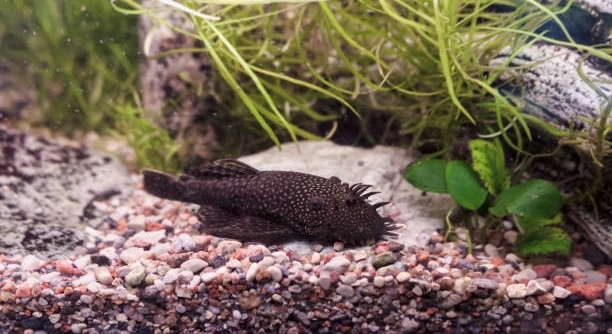
Are your plecos showing signs of boredom or inactivity in their tank? Many aquarists overlook environmental enrichment, yet it is essential for the well-being of these unique freshwater fish. Small changes can make a big difference.
Providing a varied environment for plecos involves introducing structural complexity, hiding spots, and natural elements. Adding driftwood, plants, caves, and substrate variations promotes natural behaviors, reduces stress, and encourages exploration, ultimately improving the overall health and longevity of the fish.
Enhancing a pleco’s tank goes beyond simple decoration. Small, thoughtful adjustments can transform their habitat and enrich their daily life significantly.
Adding Natural Hiding Spots
Plecos thrive when they have places to retreat. Driftwood, rocks, and ceramic caves offer shelter and comfort. Providing these spots allows your fish to feel secure and reduces aggressive interactions with other tank inhabitants. Driftwood also supports grazing behavior, giving plecos a natural surface to feed on biofilm and algae. Using a mix of hard and soft surfaces creates variety, helping them explore different textures and angles. Plants such as Anubias or Java fern can be anchored to rocks or driftwood, adding cover while maintaining open swimming areas. Avoid overcrowding the tank, as too many structures can limit movement. Rotate or rearrange decor periodically to maintain novelty and stimulation. Even small additions like half coconut shells can make a difference in encouraging natural behavior. Ensuring that hiding spots are stable and safe prevents accidental injuries. Plecos will use these areas differently depending on size, species, and temperament.
Adding structured shelter improves both safety and mental stimulation for plecos in their environment.
Providing a variety of secure hiding spots not only encourages natural behaviors but also reduces stress, which can impact overall health. A balanced setup includes caves, driftwood, and plants arranged thoughtfully to allow swimming space. Over time, plecos may show more active behavior, grazing, or resting in these shelters. Rotating decorations occasionally keeps the environment interesting and prevents stagnation. This approach supports their instinctive need to explore while offering retreat areas when threatened or stressed. Observing how your plecos use different hiding spots can guide future adjustments. Integrating natural textures like driftwood encourages feeding behaviors while plant cover adds shade and visual relief. Structured environments also help maintain water quality by providing surfaces for beneficial bacteria. Considering the size and growth of your pleco ensures the shelters remain functional as the fish matures. Thoughtful placement of these elements can transform a simple tank into a dynamic, engaging habitat that promotes overall well-being.
Introducing Varied Feeding Surfaces
Plecos benefit from surfaces that mimic natural feeding conditions. Smooth rocks, driftwood, and driftwood-based foods help stimulate foraging behavior and reduce boredom.
Offering varied surfaces encourages grazing and natural scraping behaviors, which support healthy digestion and keep plecos occupied.
By providing multiple feeding surfaces, you create opportunities for your pleco to engage in instinctual behaviors, like scraping algae and biofilm. These surfaces also slow down feeding, preventing overeating and promoting better nutrient absorption. Including driftwood in the tank supports their diet while acting as a functional structure for resting or hiding. Rotating different textures or adding new feeding surfaces encourages exploration and reduces the monotony of a single feeding method. Even hard-to-reach areas or vertical surfaces can challenge your pleco, enhancing both physical activity and mental stimulation. Natural substrates, like smooth river rocks, are ideal for placing vegetables or algae wafers, allowing plecos to graze at their own pace. Observing how your fish interacts with these surfaces helps tailor enrichment strategies, ensuring each pleco has access to preferred feeding zones. A thoughtfully arranged setup enhances both their health and overall tank dynamics, promoting longer, healthier life.
Providing Proper Lighting
Proper lighting supports plecos’ natural day-night cycle. Low to moderate light levels reduce stress and mimic their natural environment.
Balanced lighting encourages algae growth for grazing while preventing overstimulation. Using dimmable lights or shaded areas helps plecos find comfortable spots, and maintaining consistent on-off cycles supports their circadian rhythm. Avoid bright or harsh lighting directly over resting areas. Plants can create natural shade, while floating plants diffuse light and add texture. Observing how your plecos respond allows adjustments to intensity or duration. Gradual changes are better than sudden shifts to prevent stress. Lighting also influences plant health, which contributes to water quality and overall tank stability.
Plecos benefit from lights that simulate natural conditions, supporting health, behavior, and algae growth.
Encouraging Exploration
Adding vertical and horizontal structures motivates plecos to explore more. Branches, rocks, and textured surfaces increase tank complexity and mental stimulation.
Exploration prevents boredom and supports natural behaviors like grazing, hiding, and navigating obstacles. Rotating decorations or introducing new structures periodically keeps the environment dynamic. Plecos may climb, scrape, or rest on different surfaces depending on species and size. Providing safe pathways ensures they can move freely without risk of injury. Varied tank layouts also encourage physical activity, reducing lethargy. Observing your plecos’ interaction with their environment helps determine which areas are preferred, guiding future enrichment adjustments.
Encouraging exploration enhances cognitive and physical stimulation. Creating an environment with multiple surfaces, obstacles, and levels ensures plecos remain active and healthy. Consistent variation in tank layout promotes engagement while reducing stress. Combining natural and artificial materials allows them to experience different textures, angles, and heights. Plecos respond positively to vertical driftwood, hollow logs, and rock formations, which replicate riverbed structures. Subtle rearrangements maintain novelty without overwhelming them. Allowing multiple pathways for movement ensures access to feeding zones, resting areas, and hiding spots. Monitoring their behavior indicates whether enrichment is sufficient, helping optimize both comfort and activity levels. A thoughtful approach to tank complexity supports long-term well-being and encourages natural instincts consistently.
Incorporating Live Plants
Live plants provide shelter, oxygen, and natural surfaces for grazing. They also create shaded areas, which plecos prefer for resting and hiding.
Plants like Java fern or Anubias are low-maintenance and durable. Anchoring them to driftwood or rocks prevents uprooting while enhancing tank structure.
Rotating Decorations
Changing the tank layout occasionally maintains novelty. Rotating driftwood, caves, and rocks stimulates exploration and prevents boredom.
Offering Occasional Treats
Supplementing regular diet with vegetables or algae wafers provides enrichment. Occasional treats encourage natural foraging and grazing behaviors, supporting both mental stimulation and physical health.
Maintaining Water Quality
Consistent water quality is essential for pleco health. Regular monitoring of temperature, pH, and ammonia levels ensures a stable environment and prevents stress-related behaviors.
FAQ
How often should I rearrange my pleco’s tank decorations?
Rearranging decorations every few weeks is sufficient to keep the environment stimulating. Sudden, drastic changes can stress plecos, so gradual adjustments are best. Rotating driftwood, caves, and plants encourages exploration while allowing your pleco to feel secure in familiar areas. Observing their response helps determine if more or less frequent changes are needed.
Can plecos live without driftwood?
While plecos can survive without driftwood, including it benefits their health. Driftwood provides surfaces for grazing algae and biofilm, which are natural parts of their diet. It also acts as a hiding spot and contributes tannins to the water, creating a more natural environment. Driftwood supports both physical activity and mental stimulation.
What types of plants are safe for plecos?
Durable plants like Java fern, Anubias, and floating plants are ideal. They can withstand occasional grazing and provide shade and shelter. Avoid delicate species that may be uprooted or damaged by pleco activity. Anchoring plants to rocks or driftwood prevents uprooting and maintains tank structure.
How can I encourage my pleco to explore more?
Introduce vertical and horizontal structures like rocks, driftwood, and caves. Adding variety in texture and height encourages climbing, scraping, and grazing behaviors. Occasional rotation of tank decorations keeps the environment engaging. Safe pathways allow plecos to move freely without risk of injury while supporting natural activity.
Should I feed plecos differently in an enriched tank?
The diet remains largely the same, but varied feeding surfaces enhance enrichment. Placing vegetables or algae wafers on rocks, driftwood, or in hiding spots promotes foraging behavior. This slows feeding, supports digestion, and encourages natural scraping behaviors, keeping plecos engaged mentally and physically.
How important is lighting for plecos?
Lighting influences activity levels and algae growth. Moderate, dimmable lighting replicates natural day-night cycles and prevents stress. Providing shaded areas or floating plants allows plecos to retreat when light is too strong. Consistent lighting cycles maintain circadian rhythm and support plant health, indirectly benefiting water quality.
Can plecos be left alone for long periods?
Plecos are relatively low-maintenance but still require monitoring. Enriched tanks provide mental stimulation, but regular feeding and water checks are necessary. Automated feeders or timed lighting can help maintain routine, yet human observation ensures issues like water quality or illness are addressed promptly.
How do I know if my pleco is stressed?
Signs of stress include lethargy, hiding excessively, loss of appetite, or unusual scraping behavior. Poor water quality, overcrowding, or lack of enrichment can contribute. Observing daily behavior and making adjustments to tank layout, diet, or water conditions helps reduce stress and promote natural activity.
Is it necessary to provide different surfaces for feeding?
Yes, multiple surfaces mimic natural environments and encourage grazing and scraping. Driftwood, rocks, and textured decorations create variety and slow feeding. This approach supports digestion, engages mental activity, and replicates natural behaviors, contributing to overall pleco well-being.
Can enrichment extend a pleco’s lifespan?
Providing a stimulating, safe, and natural environment reduces stress and promotes natural behaviors, which can positively affect health. Combining proper diet, water quality, and varied enrichment supports longevity and ensures plecos remain active and healthy in captivity.
What’s the best way to introduce new decorations?
Introduce one or two items at a time. Monitor how your pleco responds before adding more. This prevents stress and allows the fish to explore safely. Ensuring new decorations are secure and stable prevents accidents and maintains a healthy tank environment.
How do I balance open swimming space with enrichment?
Place hiding spots and structures along the edges or in corners, leaving central areas open for swimming. This balance allows exploration without restricting movement. Rotating decorations occasionally keeps the environment dynamic while ensuring plecos have enough space to remain active and healthy.
Can plecos benefit from interaction with other tank mates?
Plecos are generally peaceful but may compete for hiding spots or food. Selecting compatible species and providing multiple shelters prevents stress. Observing interactions ensures harmony, and enrichment elements allow plecos to engage in natural behaviors without constant competition.
How can I make a small tank feel enriched for plecos?
Use vertical space with driftwood and plants, add small caves, and rotate decorations regularly. Focus on textures and surfaces for grazing, while maintaining enough open swimming space. Even modest setups can provide meaningful enrichment if structured thoughtfully and maintained consistently.
Do plecos require hiding spots at all times?
Yes, constant access to shelters reduces stress and supports natural resting behavior. Caves, driftwood, and plant cover provide retreats. Multiple options ensure all plecos, especially in shared tanks, have space to feel secure and exhibit natural behaviors without conflict.
Final Thoughts
Creating an enriched environment for plecos goes beyond simply placing decorations in the tank. Thoughtful additions like driftwood, caves, and plants can significantly improve their well-being. Plecos rely on these elements for shelter, grazing, and exploration. Providing varied surfaces allows them to engage in natural behaviors, such as scraping algae, resting in shaded areas, and navigating obstacles. Even small changes, like rotating driftwood or introducing a new plant, can make the tank more stimulating and keep your pleco active and healthy. Over time, observing how your pleco interacts with its surroundings will guide further adjustments, ensuring that the environment continues to meet its physical and mental needs. The goal is to create a space that is both safe and engaging, supporting their instincts while promoting long-term health.
Maintaining proper water quality is equally important when enriching a pleco’s habitat. Regular monitoring of temperature, pH, ammonia, and nitrate levels ensures a stable and healthy environment. Stress from poor water conditions can outweigh the benefits of any enrichment efforts. Balanced lighting also contributes to their comfort, supporting natural day-night cycles and encouraging algae growth for grazing. Including live plants helps with oxygenation and provides additional surfaces for feeding and hiding. A combination of stable water conditions, well-placed enrichment items, and appropriate lighting creates a harmonious environment where plecos can thrive. Consistency is key, but gradual changes and occasional rotation of decorations can provide the stimulation plecos need without causing stress.
Diet and enrichment go hand in hand in supporting a pleco’s health. Offering a variety of foods, including algae wafers, vegetables, and occasional treats, encourages natural foraging behavior and supports digestion. Placing food on different surfaces or in hiding spots promotes mental stimulation and mirrors the experience plecos would have in the wild. Observing their responses to these additions helps identify preferences and adjust feeding strategies. Enrichment is not just decoration—it’s about creating a balanced environment that addresses physical, mental, and behavioral needs. A well-planned setup enhances activity, reduces stress, and ultimately contributes to a longer, healthier life for your pleco. Consistent care, attention to detail, and thoughtful enrichment combine to provide a habitat where plecos can truly flourish.

Hello,
If you enjoy the content that we create, please consider saying a "Thank You!" by leaving a tip.
Every little bit helps us continue crafting quality advice that supports the health, happiness, and well-being of pets around the world, for pets of all shapes, sizes, and species.
We really appreciate the kindness and support that you show us!