
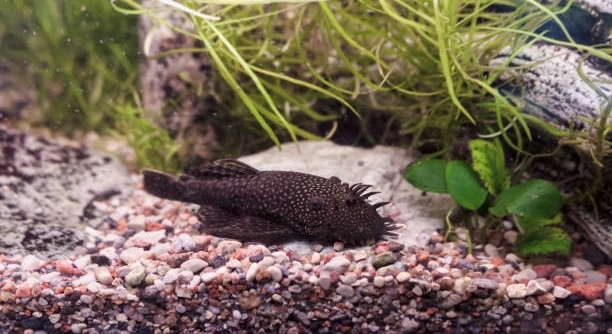
Are your plecos showing unusual behavior or changes in appearance lately? Many fish owners overlook the importance of fiber in their pleco’s diet, not realizing that insufficient fiber can quietly affect their health and well-being over time.
Plecos require a diet rich in fiber to maintain proper digestive function and overall health. A lack of fiber can lead to constipation, bloating, poor growth, weakened immunity, and other health complications that can compromise the fish’s longevity.
Recognizing these early signs can help you adjust your pleco’s diet before more serious issues develop, ensuring your aquatic friend stays healthy and active in its environment.
Lethargy and Low Activity
When your pleco is not getting enough fiber, you might notice it moving less than usual. Normally, plecos are active at night, grazing on algae and exploring the tank. A fiber-deficient diet can make them feel sluggish and tired. Over time, this reduced activity can affect their overall health. They may linger in one spot for hours, barely interacting with their environment. Fiber is essential for proper digestion, and without it, your pleco’s body struggles to process food efficiently. This leads to fatigue and decreased energy levels. Observing your pleco’s behavior regularly can help you spot these changes early. Adjusting their diet with fibrous vegetables or specialized foods can help restore normal activity. Small improvements in diet often lead to noticeable changes in energy and mood. Keeping track of feeding habits and tank conditions also ensures your pleco remains healthy and more active over time.
Lethargy in plecos is often linked to inadequate fiber intake, affecting their energy and natural movement patterns.
Noticing your pleco resting more than usual is an early signal to evaluate its diet and increase fibrous content for better health.
Irregular or Hard Stools
Changes in your pleco’s stool are clear signs of fiber deficiency. Healthy plecos produce long, soft, and consistent droppings. When fiber is lacking, stools may appear short, hard, or irregular. These digestive issues can lead to bloating or discomfort, making it harder for your pleco to eat properly. Observing their droppings regularly is a simple way to monitor digestive health.
Consistently providing fibrous foods such as zucchini, cucumber, or algae wafers supports proper digestion. Fiber promotes healthy gut movement and helps prevent constipation. Without it, waste accumulates in the digestive tract, leading to irregular stool patterns and potential long-term health problems. Monitoring both the quantity and quality of droppings can give you insight into your pleco’s digestive condition. Adjusting feeding routines, including incorporating a mix of fresh vegetables and commercially prepared high-fiber foods, ensures your pleco receives the necessary nutrients. Gradually introducing new foods can prevent sudden digestive upset. Regular observation combined with proper dietary adjustments maintains a healthy digestive system, helping your pleco stay comfortable and active in its environment. Maintaining consistent water quality is also crucial, as poor conditions can worsen digestive issues.
Swollen Belly
A swollen or bloated belly can indicate your pleco is not getting enough fiber. Their digestive system slows down, causing food to sit longer in the gut, leading to visible swelling and discomfort.
Bloating occurs when waste and undigested food build up in the digestive tract. Without adequate fiber, the pleco’s intestines cannot move food efficiently, which may result in constipation and fluid retention. Over time, a persistent swollen belly can make it difficult for your pleco to swim normally, affecting overall activity levels. Observing changes in the shape or firmness of your pleco’s abdomen can alert you to dietary issues before they become severe. Providing fibrous vegetables like spinach, cucumber, or zucchini helps maintain healthy digestion and reduces swelling, keeping your pleco comfortable and more active.
A swollen belly may also affect your pleco’s appetite. When the gut is full or uncomfortable, your fish might eat less, which can compound nutrient deficiencies. Consistently offering a balanced diet with sufficient fiber and observing feeding patterns helps prevent these issues. Incorporating high-fiber pellets alongside fresh vegetables ensures that your pleco receives the right balance of nutrients, supporting digestive health, energy, and overall well-being. Regular monitoring and timely adjustments are key to preventing long-term digestive problems.
Reduced Growth
Insufficient fiber can slow your pleco’s growth. Young plecos need fiber to properly digest nutrients and convert them into energy for growth. Poor fiber intake can make them smaller than healthy counterparts.
Fiber is essential for breaking down food and ensuring nutrients are absorbed efficiently. Without enough fiber, even a diet rich in protein or other nutrients may not be fully utilized. Over time, this can result in stunted growth and delayed development. Observing your pleco’s size compared to tank mates or standard growth charts can indicate whether dietary adjustments are needed. Fiber helps maintain gut health, which directly impacts nutrient absorption and overall metabolism. Ensuring consistent feeding with fibrous vegetables or algae wafers supports healthy growth rates and prevents long-term developmental issues in plecos.
Loss of Appetite
A pleco lacking fiber may eat less than usual. Their digestive system slows, making them feel full or uncomfortable, which reduces interest in food.
Over time, this can lead to weight loss and nutrient deficiencies. Regularly observing feeding habits helps identify this issue early, allowing dietary adjustments before serious problems develop.
Visible Weight Loss
Significant weight loss can result from poor fiber intake. Even if your pleco consumes enough food, inadequate fiber affects nutrient absorption, leading to gradual thinning. Proper fiber helps maintain a healthy digestive system, supporting both energy levels and overall body condition in plecos.
Poor Digestion
Digestive issues like constipation or irregular bowel movements indicate low fiber intake. Plecos rely on fiber to move food efficiently, and without it, waste accumulates, causing discomfort and potential health problems. Observing stool consistency and digestive patterns helps determine if dietary adjustments are needed.
FAQ
How do I know if my pleco is not getting enough fiber?
Signs include lethargy, bloated belly, irregular or hard stools, loss of appetite, and slow growth. Observing your pleco’s behavior, swimming patterns, and droppings can give clear indicators of a fiber deficiency. Comparing their activity and size to tank mates or standard growth charts helps confirm the issue.
What foods are high in fiber for plecos?
Vegetables like zucchini, cucumber, spinach, peas, and lettuce are excellent sources of fiber. Algae wafers or high-fiber commercial pellets also help maintain proper digestion. Offering a mix of fresh vegetables and prepared foods ensures that your pleco receives consistent fiber intake.
How often should I feed my pleco fibrous foods?
Daily feeding of fresh vegetables or high-fiber wafers is recommended. Rotate different types of vegetables to prevent boredom and provide a range of nutrients. Ensure portions are appropriate so uneaten food does not pollute the tank.
Can fiber supplements help plecos?
Yes, some fish-safe fiber supplements can be added to their diet, but they should not replace whole foods. Using them occasionally can support digestive health, especially if your pleco shows early signs of constipation or irregular stools. Always follow product instructions.
Will my pleco recover if I increase fiber in its diet?
In most cases, yes. Adjusting their diet to include sufficient fiber improves digestion, reduces bloating, restores appetite, and supports normal growth. Recovery depends on the severity of previous issues and the overall health of the fish. Gradual dietary changes are best to prevent digestive upset.
What if my pleco refuses to eat vegetables?
Try lightly blanching or steaming vegetables to make them softer and easier to eat. Mixing vegetables with algae wafers can encourage consumption. Offering a variety of textures and colors may help. Some plecos take time to adjust to new foods, so patience is key.
Can lack of fiber cause serious health problems?
Yes, prolonged fiber deficiency can lead to chronic constipation, bloating, weakened immunity, poor growth, and increased susceptibility to disease. Maintaining regular monitoring and a balanced diet is critical to prevent long-term health complications in plecos.
How do I gradually introduce more fiber into my pleco’s diet?
Start by offering small portions of soft vegetables or high-fiber pellets once daily. Gradually increase quantity while monitoring stool consistency and activity levels. Avoid sudden large changes in diet, which can cause digestive upset or refusal to eat.
Is there a difference in fiber needs for young vs. adult plecos?
Young plecos require more fiber relative to body weight to support growth and proper digestion. Adult plecos need fiber to maintain digestive health and energy. Adjust portion sizes and types of fibrous foods according to age and size of your fish.
How important is tank cleanliness when managing fiber intake?
Very important. Uneaten vegetables and waste can quickly pollute the tank, causing stress and health problems. Regular cleaning and monitoring water quality ensures your pleco benefits fully from its fiber-rich diet without added risk of illness.
Can too much fiber be harmful?
Excessive fiber can lead to digestive blockages or reduced nutrient absorption. Providing a balanced amount through vegetables and wafers is key. Observe your pleco for bloating or unusual stool patterns when introducing higher-fiber foods to prevent overfeeding.
Are there signs to watch for after increasing fiber?
Improved energy, normal stool consistency, healthy growth, and restored appetite are positive signs. If bloating or constipation persists, reassess the type and amount of fiber. Gradual dietary adjustments and careful monitoring are crucial for long-term digestive health.
How long does it take to see improvements after adjusting fiber intake?
Depending on the severity of deficiency, some plecos show changes within a few days, while others may take weeks. Regular observation of activity, appetite, and stool consistency helps track progress and ensures adjustments are effective.
Can fiber-rich foods replace algae in the diet?
No, plecos still need algae or algae-based products for essential nutrients. Fiber-rich foods complement algae, supporting digestion and overall health. A combination of both ensures your pleco receives a balanced diet for longevity and vitality.
What if my pleco has other health issues along with fiber deficiency?
Consult a veterinarian experienced with fish. Digestive issues may overlap with infections or parasites. Adjusting diet is helpful, but professional guidance ensures all underlying conditions are addressed and supports complete recovery.
Are some pleco species more sensitive to fiber deficiency?
Yes, some species with more specialized diets, like herbivorous plecos, are more affected by low fiber. Carnivorous or omnivorous species may tolerate slight fiber deficiencies longer but still require consistent intake for optimal health.
How can I prevent fiber deficiency long-term?
Establish a regular feeding routine with a mix of fibrous vegetables, algae wafers, and high-quality pellets. Monitor feeding habits, stool consistency, and overall health. Maintaining tank cleanliness and water quality complements dietary efforts, ensuring your pleco remains healthy and active.
Is it necessary to track fiber intake quantitatively?
For most hobbyists, qualitative observation is sufficient. Noticing appetite, growth, and stool consistency usually indicates whether fiber intake is adequate. Precise measurement may help for breeding tanks or sensitive species but is generally unnecessary for standard home aquariums.
Can frozen or canned vegetables be used for fiber?
Yes, but they should be plain, without added salt or seasoning. Blanching frozen vegetables can make them easier to digest. Fresh vegetables are preferable, but frozen or canned options can supplement fiber when fresh produce is unavailable.
How do I balance fiber with other nutrients?
Provide a mix of protein, fiber, and essential vitamins through algae wafers, high-quality pellets, and vegetables. Avoid overfeeding one type of food. A balanced diet ensures proper growth, energy, and digestive health for your pleco.
Are there natural ways to encourage plecos to eat more fiber?
Placing vegetables near their usual grazing spots or lightly tying them to tank decorations can stimulate interest. Rotating different vegetables and presenting them in various ways encourages consumption and keeps diet varied without stress.
How can I tell if fiber deficiency is resolved?
Your pleco will regain normal activity, show consistent stool patterns, maintain healthy weight, and display a well-proportioned belly. Regular observation and continued dietary care help ensure the improvement is sustained and prevents recurrence.
What role does water temperature play in fiber digestion?
Warmer, stable temperatures support proper metabolism and digestion, making fiber more effective. Extreme fluctuations or cold water slow digestion, which can mimic fiber deficiency symptoms. Maintaining optimal tank temperature ensures your pleco benefits fully from a fibrous diet.
Can other tank mates affect fiber intake?
Yes, competitive feeders may eat vegetables before your pleco gets them. Observing feeding order and separating food if necessary ensures your pleco receives adequate fiber without stress or competition.
Final Thoughts
Ensuring your pleco gets enough fiber is essential for its overall health and well-being. Fiber supports proper digestion, helps maintain energy levels, and prevents common health issues such as constipation, bloating, and slow growth. Many pleco owners focus on protein and algae in their fish’s diet but overlook fiber, which plays a critical role in keeping their digestive system functioning smoothly. By regularly observing your pleco’s behavior, stool patterns, appetite, and body shape, you can detect early signs of fiber deficiency and make adjustments before problems become serious. Providing a balanced diet that includes fibrous vegetables, algae wafers, and high-quality commercial pellets is an effective way to meet your pleco’s nutritional needs. Small changes in diet often produce noticeable improvements in activity, digestion, and overall health.
A fiber-rich diet also supports long-term growth and vitality. Young plecos are particularly sensitive to inadequate fiber, as it affects their ability to absorb nutrients and develop properly. Adults benefit from fiber by maintaining energy levels and preventing digestive problems that could otherwise lead to more serious health concerns. Observing feeding habits and offering a variety of fibrous foods can keep your pleco interested in its diet while ensuring it receives the necessary nutrients. You may need to experiment with different vegetables or textures to find what your pleco prefers, but patience and consistency will usually result in a positive response. Gradual changes are often better than sudden ones, allowing your pleco to adjust without stress or digestive upset. Monitoring water quality and tank cleanliness also enhances the benefits of a fiber-rich diet, as poor conditions can exacerbate digestive issues.
Regular care, observation, and dietary adjustments are key to maintaining a healthy pleco. Providing sufficient fiber is just one aspect of proper fish care, but it has a significant impact on overall health. Consistent feeding routines, varied fibrous foods, and attention to digestive health help prevent common problems and support a comfortable, active life for your pleco. Keeping an eye on your fish’s energy, appetite, and body condition allows you to respond quickly if any issues arise. A healthy pleco is more active, grows well, and experiences fewer health problems over time. By understanding the importance of fiber and taking steps to meet your pleco’s dietary needs, you ensure it remains healthy, happy, and thriving in its tank environment for years to come.

Hello,
If you enjoy the content that we create, please consider saying a "Thank You!" by leaving a tip.
Every little bit helps us continue crafting quality advice that supports the health, happiness, and well-being of pets around the world, for pets of all shapes, sizes, and species.
We really appreciate the kindness and support that you show us!