
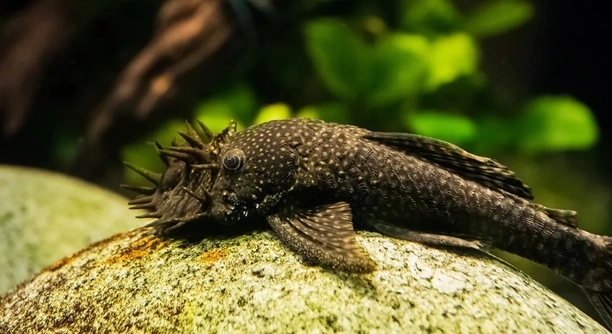
Breeding plecos can seem like a tricky task, especially if you don’t have a cave in your aquarium. Many fishkeepers assume caves are necessary for reproduction, but there are ways to create a suitable environment without them.
Plecos can breed without a traditional cave by providing alternative shelters and suitable water conditions. Smooth surfaces, driftwood, and PVC tubes can serve as spawning sites. Maintaining stable temperature, proper pH, and good water quality encourages natural breeding behavior.
Exploring different techniques can improve your chances of successful pleco breeding and help you create a more versatile aquarium setup.
Choosing the Right Shelter
Finding an appropriate shelter is crucial when breeding plecos without a traditional cave. Many aquarists underestimate how flexible these fish can be. Driftwood is an excellent option because it mimics natural environments and provides hiding spots for shy or territorial plecos. PVC tubes are also effective, as they are easy to clean, inexpensive, and come in various sizes to suit different pleco species. Smooth rocks or flat tiles can serve as additional spawning surfaces, allowing the fish to lay eggs safely. Placement in quieter sections of the tank reduces stress, encouraging natural behaviors. Observing the plecos regularly will help you notice which shelters they prefer and whether adjustments are needed. Light levels, current, and nearby plants all influence the fish’s choice. Creating multiple options increases the likelihood of successful breeding while ensuring the tank remains functional and aesthetically pleasing for daily maintenance.
Using alternative shelters gives plecos enough privacy to feel secure and improves egg survival rates.
Providing a variety of hiding spots in your tank not only encourages breeding but also enriches their environment. Driftwood and PVC tubes replicate the textures and spaces plecos naturally seek. Flat surfaces allow egg attachment, and placing shelters in calm areas of the tank minimizes disturbances. Gradually adjusting water flow and light can also influence where fish choose to spawn. Over time, observation will reveal preferences for specific shapes or materials, helping you optimize future breeding attempts. These methods ensure your plecos have the right conditions for reproduction without needing traditional caves, keeping both the fish and the aquarium balanced and healthy.
Water Conditions and Maintenance
Maintaining stable water conditions is essential for pleco breeding success.
Water temperature, pH, and cleanliness significantly impact spawning behavior. Consistent monitoring and minor adjustments support natural reproductive cycles.
Plecos are sensitive to fluctuations, so keeping water parameters steady is crucial. Ideal temperatures vary by species but generally fall between 75–82°F. pH should remain slightly acidic to neutral, around 6.5–7.5, depending on the type of pleco. Regular water changes remove excess waste and maintain oxygen levels, supporting both adult fish and eggs. Avoid sudden shifts in temperature or chemical composition, as these stress the fish and can halt spawning. Lighting should follow a natural day-night cycle, encouraging normal activity. Observing fish behavior helps identify any issues early, allowing adjustments before problems escalate. With consistent water quality and careful observation, plecos can thrive and breed successfully even without a traditional cave, providing a stable environment for the next generation.
Feeding and Nutrition
A balanced diet plays a key role in encouraging pleco breeding. Providing high-quality foods ensures they have the energy and health needed for spawning.
Plecos benefit from a combination of vegetables, algae wafers, and protein-rich foods like shrimp pellets or bloodworms. Fresh vegetables such as zucchini, cucumber, and spinach help maintain their digestive health. Feeding small amounts multiple times a day keeps their metabolism steady and reduces water pollution. Overfeeding can lead to poor water quality, which inhibits breeding behavior, so it’s important to monitor portions carefully. Occasional protein treats support egg production and overall vitality. A consistent feeding routine helps plecos feel secure and encourages natural spawning behavior.
Observing how plecos respond to different foods can reveal preferences that improve breeding success. Rotating vegetables and protein sources maintains their interest and ensures all nutritional needs are met. Adjusting feeding schedules slightly can simulate seasonal changes, which may trigger reproductive instincts. High-quality food not only supports adult health but also strengthens eggs and fry, increasing the likelihood of healthy offspring. Paying attention to diet creates a stable, productive environment that complements other breeding efforts, making shelters and water conditions more effective in stimulating spawning behavior.
Monitoring Behavior
Watching plecos closely helps identify when they are ready to spawn. Changes in activity or aggression often indicate reproductive readiness.
Males typically become more territorial and may guard chosen shelters. Females may appear fuller when carrying eggs and will inspect potential spawning sites carefully. Noticing subtle behaviors, like fin flaring or nudging other fish, signals that breeding is imminent. Regular observation allows timely adjustments to shelter placement or water flow, optimizing conditions. Documenting these behaviors can also reveal patterns that help in planning future breeding attempts. Behavioral cues are often the most reliable indicators of reproductive readiness.
Recognizing and understanding pleco behavior reduces stress and improves the chances of successful breeding. Stress from overcrowding or tank disturbances can delay spawning, so creating quiet, low-traffic areas supports natural activity. Pairing compatible fish based on observed behaviors ensures that both male and female are ready simultaneously. Watching for consistent interactions around shelters and feeding areas provides additional insights into readiness. Combining behavioral monitoring with proper diet and water conditions creates a holistic approach, making reproduction more predictable and less dependent on trial and error. This attentive approach increases confidence in managing plecos in a cave-free environment.
Tank Setup Adjustments
Small changes in tank layout can encourage breeding behavior. Moving plants, rocks, or driftwood may make shelters more appealing to plecos.
Adjusting water flow near preferred hiding spots can simulate natural conditions. Calm areas encourage females to explore shelters, while moderate currents keep the environment healthy and oxygenated.
Separating Fry
Once eggs hatch, separating fry is important to prevent predation. Fry are vulnerable and need a safe, controlled space to grow.
Using a breeder box or a partitioned section of the tank helps protect young plecos. Maintaining consistent water quality, gentle filtration, and regular feeding ensures healthy growth. Observation of early development allows timely intervention if any fry show signs of stress or illness. Providing small hiding places within the fry area encourages natural behavior and reduces competition among siblings.
Cleaning and Maintenance
Regular cleaning prevents algae and debris buildup, keeping the environment safe for breeding plecos.
Proper maintenance includes vacuuming substrate, cleaning filters, and monitoring water chemistry. This supports both adults and fry, ensuring a healthy tank ecosystem conducive to ongoing breeding success.
FAQ
How can plecos breed without a cave?
Plecos can use alternative shelters like driftwood, PVC tubes, or flat tiles for spawning. These surfaces provide security for eggs and mimic natural hiding spots. Stable water conditions, low stress, and proper diet are essential to encourage natural breeding behavior even without a traditional cave.
What water parameters are best for breeding plecos?
Temperature between 75–82°F and a pH around 6.5–7.5 suit most species. Consistent water quality, regular water changes, and gentle filtration are important. Avoid sudden changes, as stress from fluctuations can prevent spawning or harm eggs. Calm areas in the tank help females select suitable sites.
Do plecos need hiding spots for breeding?
Yes, plecos feel safer and more likely to spawn when they have secluded spaces. Driftwood, PVC tubes, or rocks work well. Multiple options allow them to choose a preferred location, reducing stress and increasing egg survival. Observing which shelter the fish prefer helps improve success.
What diet encourages breeding?
A mix of vegetables, algae wafers, and protein-rich foods supports egg production and overall health. Fresh zucchini, cucumber, and spinach maintain digestion. Protein sources like shrimp pellets or bloodworms are helpful for energy. Small, frequent feedings keep water clean and maintain consistent nutrition.
How can I tell when plecos are ready to spawn?
Males often become territorial and guard shelters. Females appear fuller when carrying eggs and inspect potential sites. Look for fin flaring, nudging, or increased activity around hiding spots. These behaviors indicate reproductive readiness and help determine when the environment is optimal for spawning.
What should I do after the eggs hatch?
Separate fry using a breeder box or partitioned tank area. Fry are vulnerable to predation, so protection is essential. Maintain clean water, gentle filtration, and small feeding amounts. Adding miniature hiding spots reduces stress and encourages healthy growth. Regular observation ensures timely intervention if any fry are weak or ill.
Can plecos breed without specific light conditions?
While natural light cycles help regulate activity, plecos can adapt to standard aquarium lighting. Consistent day-night periods reduce stress and support normal behavior. Avoid sudden changes in lighting, as abrupt shifts can disrupt spawning patterns.
How long does it take for eggs to hatch?
Eggs generally hatch in 4–10 days, depending on species and water temperature. Warmer, stable conditions usually shorten the incubation period. Close monitoring during this time ensures eggs remain healthy, and adjusting shelter or water flow may be necessary to protect them.
Is tank size important for breeding plecos?
Yes, space reduces stress and supports territorial behavior. A larger tank allows multiple hiding spots and gives adults room to interact naturally. Overcrowding can prevent spawning or cause aggression. A minimum of 30 gallons is recommended for smaller species, with larger tanks better suited for bigger plecos.
Can plecos breed multiple times without caves?
Yes, with consistent water quality, a good diet, and available shelters, plecos can spawn repeatedly. Observing behavior and providing multiple options for hiding places improves chances of repeated successful breeding. Proper care ensures adults remain healthy for multiple breeding cycles.
How do I prevent fungus or infection on eggs?
Maintain clean water, gentle filtration, and stable parameters. Avoid overcrowding and ensure eggs are in protected areas. Some aquarists use antifungal treatments in small doses, but often proper tank hygiene and separating eggs or fry are enough to prevent problems.
What are common mistakes to avoid?
Overfeeding, poor water quality, sudden parameter changes, and inadequate hiding spots are frequent issues. Ignoring behavior cues or overcrowding the tank can prevent breeding. Consistent observation, careful feeding, and providing alternative shelters significantly improve breeding success.
How do I care for fry once they are independent?
Provide small, frequent feedings like crushed algae wafers or baby fish food. Maintain clean water and gentle filtration. Gradually introduce larger hiding spots as they grow. Monitoring growth rates and removing any weak or unhealthy fry helps ensure a strong, thriving group of juveniles.
Can stress affect breeding success?
Yes, stress can delay or prevent spawning. High traffic around the tank, sudden water changes, or aggressive tankmates create stress. Creating calm, low-disturbance areas and maintaining stable water conditions reduces stress and increases the likelihood of successful breeding.
Is breeding plecos without a cave suitable for all species?
Most common pleco species can adapt to alternative shelters, but some highly specialized species may require specific conditions. Researching the particular species’ natural habitat and breeding preferences helps determine the most effective setup for cave-free breeding.
This FAQ section provides practical guidance and solutions for successfully breeding plecos without relying on traditional caves, ensuring healthy adults and fry.
Final Thoughts
Breeding plecos without a cave is more practical than many aquarists realize. While caves are traditional and often recommended, plecos can adapt to alternative shelters if their environment meets their basic needs. Driftwood, PVC tubes, smooth rocks, and flat tiles all serve as effective spawning areas. The key is providing secure, private spaces where plecos feel safe enough to lay eggs. These alternatives allow you to create a functional, flexible tank setup without relying on a single type of structure. Over time, observing how the fish interact with these shelters can inform further adjustments, improving breeding success. Simple changes in placement, water flow, or the type of hiding spots can have a significant impact on whether plecos feel comfortable enough to spawn.
Maintaining stable water conditions is another critical factor in cave-free breeding. Temperature, pH, and water quality directly influence reproductive behavior. Sudden changes in any of these parameters can stress the fish and prevent spawning altogether. Gentle filtration, regular water changes, and consistent observation help create an environment conducive to reproduction. Light cycles should also remain consistent, as they support natural activity patterns. Feeding plays a major role as well. A balanced diet, including vegetables and protein-rich foods, ensures the fish are healthy, energetic, and ready to breed. Overfeeding or using poor-quality food can compromise water quality and reduce reproductive success. By combining proper nutrition, clean water, and secure shelters, you establish a system that encourages natural breeding behaviors, even without caves.
Careful monitoring of behavior and fry is essential for long-term success. Adult plecos show clear signals when they are ready to breed, such as territorial activity or changes in appearance. Recognizing these cues allows you to make timely adjustments to the tank environment. Once eggs hatch, separating fry or providing protected spaces ensures higher survival rates. Maintaining stable water, gentle filtration, and appropriate feeding helps young plecos grow strong. Over time, observing both adult and juvenile fish provides valuable insights for future breeding efforts. Breeding plecos without a cave requires patience, attention, and adaptability, but it is entirely possible. With careful planning, consistent care, and a willingness to adjust based on observation, you can support healthy breeding and create a thriving, flexible aquarium environment.

Hello,
If you enjoy the content that we create, please consider saying a "Thank You!" by leaving a tip.
Every little bit helps us continue crafting quality advice that supports the health, happiness, and well-being of pets around the world, for pets of all shapes, sizes, and species.
We really appreciate the kindness and support that you show us!