
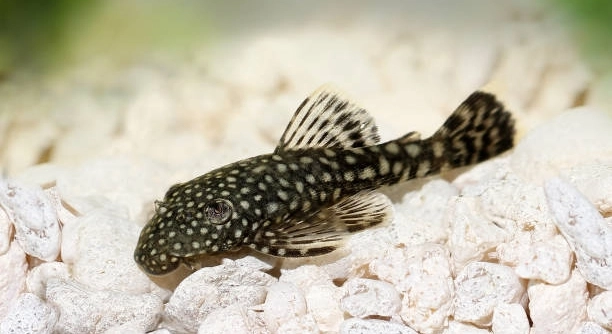
Do you ever find yourself arranging your aquarium and wondering how different fish will interact? Goldfish and bristlenose plecos are popular choices, but combining them requires some careful planning to ensure harmony in the tank environment.
Bristlenose plecos can generally coexist with goldfish in the same aquarium, provided that the tank is spacious, well-filtered, and includes adequate hiding spaces. Their dietary needs and water temperature tolerances should be considered to maintain a healthy environment for both species.
Keeping both species together can be rewarding when done correctly, offering a visually appealing and balanced aquarium setup for long-term enjoyment.
Understanding Bristlenose Plecos and Goldfish Compatibility
Bristlenose plecos are peaceful bottom dwellers that primarily feed on algae and plant matter. Goldfish, on the other hand, are active mid-to-top swimmers and tend to be more social and sometimes boisterous. Keeping them together requires attention to tank size, water quality, and environmental enrichment. A 30-gallon tank or larger is ideal, giving both species enough space to swim and hide. Hiding spots, such as driftwood, caves, or plants, help plecos feel secure, while open swimming areas benefit goldfish. Temperature tolerance is another factor; goldfish prefer cooler water, while bristlenose plecos can adapt to a range of temperatures. Feeding habits must also be balanced. While plecos graze on algae and require occasional vegetable supplements, goldfish need a more protein-rich diet. Ensuring separate feeding zones and monitoring water quality regularly helps prevent stress and maintains a harmonious aquarium, creating a healthier environment for both species to thrive.
Monitoring interactions between the two species is essential to prevent stress and ensure they coexist peacefully.
With proper planning, a combined setup can be both visually pleasing and low-stress. Observing the fish daily allows for adjustments in feeding, tank decor, or water parameters to keep both species healthy. Driftwood, caves, and plants help plecos hide when needed, while goldfish enjoy wide swimming areas. Maintaining regular water changes and filtration ensures clean water for both species, reducing the risk of illness. Understanding each species’ behaviors and needs allows you to create a balanced environment, giving both bristlenose plecos and goldfish a comfortable space to thrive together. Over time, this setup can showcase a natural, calm coexistence where plecos clean algae, and goldfish swim freely, adding dynamic movement to your aquarium. Consistent care and observation make the difference between a stressful tank and a thriving community.
Tank Setup Tips for Coexistence
Choosing the right tank size and layout is the first step to successful coexistence. Both species need space to thrive, and overcrowding can lead to health problems.
Tank decorations, filtration, and regular maintenance play crucial roles in ensuring harmony. Driftwood and caves provide shelter for plecos, while open swimming areas cater to goldfish activity. Proper filtration is necessary to handle the waste produced by both species, especially since goldfish are messy eaters. Substrate choice can help keep plecos comfortable; smooth gravel or sand prevents damage to their barbels. Plants can be used strategically, offering hiding spots for plecos and reducing stress. Lighting should accommodate both species, avoiding excessive brightness that may disturb plecos. Temperature control is also important. Regular water changes and monitoring parameters such as pH, ammonia, nitrite, and nitrate levels help prevent illness and maintain a stable environment. By carefully arranging the tank and following proper care routines, both bristlenose plecos and goldfish can coexist successfully, creating a balanced, attractive aquarium.
Feeding Considerations
Bristlenose plecos mostly eat algae and vegetables, while goldfish require flakes or pellets rich in protein. Separate feeding areas help ensure both species get proper nutrition without competition or stress.
Providing a balanced diet for both species is essential to maintain health. Plecos benefit from zucchini, cucumber, or algae wafers, while goldfish thrive on high-quality flakes or pellets. Uneaten food should be removed promptly to prevent water quality issues. Feeding small amounts multiple times a day reduces waste and keeps both species active. Observing their eating habits allows adjustments if one species is being outcompeted or not eating enough.
Supplementing plecos’ diet occasionally with sinking pellets or blanched vegetables supports their growth and overall well-being. Goldfish may nibble on these foods but will mostly stick to their own diet. Consistent feeding schedules reduce stress and encourage natural behaviors, such as grazing for plecos and active swimming for goldfish. Keeping an eye on water quality while feeding ensures the tank remains clean, supporting a healthy environment for both species over time.
Common Challenges
Goldfish produce more waste than plecos, which can lead to higher ammonia levels and water quality issues if not managed properly.
Regular maintenance is necessary to prevent problems. Frequent water changes, proper filtration, and monitoring ammonia, nitrite, and nitrate levels help keep the tank stable. Overcrowding increases stress and disease risk, so avoid adding too many fish. Observing behavior can reveal signs of aggression or illness early. Plecos may hide excessively if stressed, while goldfish may become sluggish. Tank decorations and hiding spots reduce tension and allow each species to have its own space.
Balancing water temperature, feeding schedules, and tank décor is key to a peaceful coexistence. Goldfish prefer cooler water, while plecos tolerate a range of temperatures; maintaining a compromise keeps both species comfortable. Overfeeding or underfeeding can cause health issues, so portion control is important. Stress from overcrowding or poor water conditions can weaken immune systems, making fish more susceptible to disease. By keeping the tank clean, providing adequate space, and monitoring fish behavior, you can address these challenges effectively and maintain a harmonious aquarium environment for both bristlenose plecos and goldfish.
Tank Decorations and Hiding Spots
Plecos need places to hide, such as caves, driftwood, or dense plants. Goldfish prefer open swimming areas, so balancing decorations is important to accommodate both species’ needs.
Providing hiding spots reduces stress for plecos and prevents territorial conflicts. Careful placement ensures goldfish still have room to swim freely without disturbing plecos’ shelters.
Water Quality Maintenance
Regular water changes and monitoring filtration are essential. Both species produce waste that can quickly degrade water quality if neglected. Maintaining clean water prevents stress and disease, supporting overall health and long-term coexistence.
Behavioral Observations
Monitoring fish behavior helps identify stress or health issues early. Plecos hiding excessively or goldfish acting lethargic signals a need for adjustments in tank care or setup.
Temperature and Environment
Goldfish thrive in cooler water, while bristlenose plecos are adaptable. Maintaining a stable temperature suitable for both species supports health and reduces stress, ensuring a balanced aquarium environment.
FAQ
Can bristlenose plecos live with goldfish long-term?
Yes, they can coexist long-term if the tank is spacious, well-maintained, and provides hiding spots for plecos. Proper feeding and water quality management are essential to reduce stress and prevent health problems for both species.
Do goldfish bother bristlenose plecos?
Goldfish are generally active swimmers but rarely bother plecos if the plecos have adequate hiding spaces. Conflicts may occur if the tank is overcrowded or if plecos do not have enough shelter. Monitoring interactions helps prevent stress-related behavior.
What tank size is suitable for both species?
A minimum of 30 gallons is recommended, but larger tanks are preferable. More space allows goldfish to swim freely and plecos to find hiding spots, reducing territorial stress and ensuring proper water quality.
How should I feed them together?
Feed goldfish flakes or pellets in one area and provide plecos with sinking algae wafers or vegetables in another. Separating feeding zones prevents competition and ensures both species receive proper nutrition. Uneaten food should be removed promptly.
Can bristlenose plecos tolerate goldfish water temperature?
Yes, plecos are adaptable and can tolerate cooler water suitable for goldfish. Avoid sudden temperature changes and maintain a stable range to keep both species healthy and comfortable in the same tank.
Do plecos clean the tank for goldfish?
Plecos help reduce algae growth, but they are not a replacement for proper cleaning. Regular water changes and filtration remain necessary to handle goldfish waste and maintain healthy water conditions.
What decorations work best for coexistence?
Caves, driftwood, and dense plants provide plecos with hiding spots, while leaving open swimming areas for goldfish. Proper tank arrangement reduces stress and prevents territorial conflicts. Avoid sharp decorations that may harm either species.
How often should I change the water?
Weekly water changes of 25–30% are recommended. Frequent monitoring of ammonia, nitrite, and nitrate levels ensures a safe environment. Goldfish produce more waste, so attentive maintenance is crucial to prevent water quality problems.
Can plecos and goldfish breed together?
No, bristlenose plecos and goldfish are different species and cannot breed. They can coexist peacefully but will not produce offspring.
What signs indicate stress or health issues?
Excessive hiding, loss of appetite, lethargy, or unusual swimming behavior may indicate stress. Regular observation and adjusting tank conditions, feeding, or decorations can help address problems before they escalate.
Are plecos nocturnal in a goldfish tank?
Bristlenose plecos are mostly nocturnal and may be more active at night. Providing hiding spots and dim lighting helps them feel secure during the day while goldfish remain active during daylight hours.
Can I keep more than one pleco with goldfish?
Yes, but ensure the tank is large enough to provide space and multiple hiding spots. Overcrowding can cause stress and aggressive behavior, so plan carefully when adding multiple plecos to a goldfish tank.
Do I need special filtration for both species?
Yes, strong filtration is important to manage waste from both goldfish and plecos. Consider filters rated for higher tank volumes to maintain water quality, especially in heavily stocked aquariums.
How do I acclimate plecos with goldfish?
Introduce plecos slowly and monitor interactions. Adding plecos at night when goldfish are less active or providing extra hiding spots helps reduce stress during acclimation. Gradual adjustments to water conditions also support their health.
Is lighting important for coexistence?
Moderate lighting benefits both species. Bright lights may stress plecos, while goldfish tolerate typical aquarium lighting. Using dim areas or shaded sections ensures plecos can retreat while goldfish remain active.
Can plecos survive on goldfish food alone?
No, plecos need algae, vegetables, or sinking pellets to meet their nutritional requirements. Feeding only goldfish food can lead to malnutrition and health problems for plecos over time.
Do goldfish eat plecos’ eggs?
Goldfish may disturb plecos’ eggs if breeding occurs. Providing secluded spawning areas or separate breeding tanks prevents interference and increases survival rates for pleco fry.
How often should I monitor water parameters?
Checking water parameters at least once a week is ideal. Monitoring ammonia, nitrite, nitrate, and pH helps prevent stress and maintains a safe environment for both species. More frequent checks may be needed in heavily stocked tanks.
Can bristlenose plecos get along with juvenile goldfish?
Yes, juvenile goldfish are generally less aggressive, and plecos can adapt well. As goldfish grow, ensure hiding spots remain sufficient and monitor interactions to maintain a peaceful environment.
Do I need to quarantine new fish?
Quarantining new fish is highly recommended. It prevents introducing diseases or parasites to the main tank, protecting both bristlenose plecos and goldfish from potential health risks.
Keeping bristlenose plecos with goldfish can be a successful combination when careful attention is given to tank setup, feeding, and water quality. Both species have different needs, so understanding their habits is key. Goldfish are active swimmers that enjoy open space and thrive in cooler water. Bristlenose plecos are bottom dwellers that prefer hiding spots and can tolerate a range of temperatures. Providing sufficient space is essential to reduce stress and allow both species to exhibit their natural behaviors. A tank of at least 30 gallons is recommended, though larger is always better. Decorations such as driftwood, caves, and plants create shelter for plecos while leaving open swimming areas for goldfish. This balance of hiding spots and swimming space helps minimize territorial disputes and ensures that each species has room to thrive without feeling crowded. Regular observation of interactions is important to identify any early signs of stress or aggression.
Feeding both species requires careful planning to ensure proper nutrition. Goldfish need protein-rich flakes or pellets, while plecos require algae, vegetables, or sinking pellets. Separating feeding areas prevents competition and ensures that both species eat adequately. Uneaten food should be removed promptly to prevent water contamination, as goldfish produce more waste than plecos. Maintaining a consistent feeding schedule helps reduce stress and encourages natural behaviors. Overfeeding or underfeeding either species can lead to health issues and water quality problems. Regular water changes, strong filtration, and monitoring of ammonia, nitrite, nitrate, and pH levels are crucial to maintain a stable environment. Paying attention to these details creates a harmonious and healthy tank where both goldfish and bristlenose plecos can flourish over the long term.
Behavioral monitoring and ongoing care play a significant role in the long-term success of this tank setup. Plecos may become more active at night, while goldfish remain active during the day, so providing shaded areas or dim lighting for plecos allows them to feel secure. Observing behavior for signs of stress, such as excessive hiding, loss of appetite, or lethargy, helps address potential problems before they worsen. Regular maintenance, combined with thoughtful tank design and proper feeding, supports a balanced aquarium environment. By meeting the specific needs of each species, aquarists can create a visually appealing and peaceful tank. With attention and care, bristlenose plecos and goldfish can coexist successfully, offering a dynamic and engaging aquarium where both species thrive together.

Hello,
If you enjoy the content that we create, please consider saying a "Thank You!" by leaving a tip.
Every little bit helps us continue crafting quality advice that supports the health, happiness, and well-being of pets around the world, for pets of all shapes, sizes, and species.
We really appreciate the kindness and support that you show us!