
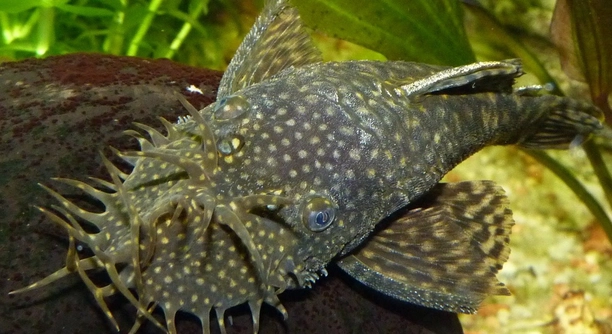
Keeping a pleco healthy in a tank requires more than just water and fish food. Many fish owners overlook key elements that help these bottom-dwelling creatures thrive and stay active in their environment.
A proper pleco tank needs seven essential items to maintain a healthy and stable environment. These include adequate filtration, hiding spots, proper substrate, compatible decorations, sufficient lighting, a balanced diet, and water condition monitoring. Each element supports the fish’s well-being and longevity.
Understanding these basics will make maintaining your pleco tank easier and more enjoyable for both you and your fish. Proper preparation ensures your pleco can live comfortably and thrive.
Filtration System
A strong filtration system is critical for a pleco tank. Plecos produce a lot of waste, which can quickly pollute the water if not managed properly. Using a high-quality filter helps remove debris and harmful chemicals, keeping the tank water clear and safe. Filters also maintain proper oxygen levels, which plecos need to stay healthy. Mechanical filtration traps solid particles, while biological filtration encourages beneficial bacteria to break down toxins. Many pleco owners prefer canister filters because they are powerful and handle larger tanks efficiently. It’s important to clean or replace filter media regularly to maintain performance. Plecos thrive in a stable environment, and proper filtration reduces stress, prevents disease, and supports overall health. Skipping this step often leads to cloudy water, algae growth, and potential health issues for your fish. Investing in a reliable filtration system ensures long-term stability and reduces maintenance frequency.
Filters improve water quality, keep plecos healthy, and minimize the risk of disease by maintaining stable and clean tank conditions.
Filtration also affects the tank’s environment in subtle ways. Strong water flow from a filter helps circulate nutrients, ensuring that every part of the tank remains balanced. Plecos enjoy areas of gentle current, and a properly positioned filter can provide both movement and calm zones. Maintaining the filter ensures water chemistry stays consistent, which is especially important in tanks with multiple fish. Over time, this contributes to a healthier tank ecosystem and a more active, stress-free pleco.
Hiding Spots
Plecos need hiding spots to feel secure. These can include caves, driftwood, or dense plant clusters.
Providing hiding places reduces stress and supports natural behavior. Plecos are nocturnal and like to retreat during the day. Without adequate hiding spots, they may become timid or hide in unusual areas, making them difficult to observe. Many aquarists use clay pots, hollow logs, or aquarium-safe ornaments to create safe zones. Positioning these spots in quiet corners of the tank allows plecos to feel protected while exploring during feeding times.
Hiding spots also contribute to environmental enrichment. Driftwood serves a dual purpose: it offers shelter and a surface for grazing, which plecos enjoy. Rock formations or ceramic caves mimic their natural habitat and encourage exploration. Providing multiple locations allows each pleco to claim its own space, reducing territorial disputes. Even small additions like floating plants can break line-of-sight, giving the fish additional comfort. By designing a tank with various retreat options, owners support both mental stimulation and physical well-being. This makes the tank more engaging for plecos and easier for caretakers to maintain a peaceful environment.
Proper Substrate
A soft, smooth substrate is best for plecos. Gravel or sand works well, as it protects their sensitive undersides. Avoid sharp or jagged materials that could injure them while they graze or rest.
Sand is ideal because plecos can sift through it without harm. It also makes cleaning easier, as debris tends to sit on top and can be vacuumed. Some aquarists mix fine gravel with sand to provide texture while maintaining safety. A stable substrate supports natural behaviors like digging and grazing, which plecos need for comfort. The substrate also affects plant growth if you have live plants, giving roots a stable medium. Avoid overly compacted layers, which can trap waste and create unhealthy conditions. Choosing the right substrate impacts both fish health and overall tank maintenance, ensuring a cleaner, safer environment.
Plecos often use the substrate to interact with the tank environment. They can bury uneaten food or explore small depressions, which provides mental stimulation. Substrate selection also impacts water chemistry slightly; for example, certain types of sand or gravel can buffer pH levels. Observing how plecos interact with their substrate helps identify their preferences and any potential issues, such as irritation from sharp surfaces. This simple adjustment improves daily comfort and encourages natural, stress-free behavior.
Decorations and Driftwood
Decorations like driftwood or rocks give plecos hiding spots and grazing surfaces. They also help replicate a natural habitat, reducing stress.
Driftwood is particularly important, as many plecos feed on the biofilm and soft fibers it produces. Placing multiple pieces in different areas gives fish variety and security. Rocks and ceramic ornaments create additional shelter and vertical surfaces, encouraging exploration and exercise. Decorations also break up open space, which prevents dominant fish from intimidating plecos. Positioning them carefully ensures easy cleaning and water flow around obstacles. Decorating with purpose improves both aesthetics and fish welfare, making the tank a more dynamic and comfortable environment.
Adding decorations influences behavior and health. Plecos spend hours grazing on surfaces, removing algae and leftover food. Driftwood releases natural tannins, which can slightly lower pH and create a more suitable environment. Over time, decorations develop beneficial bacteria colonies, contributing to biological filtration. The arrangement should allow easy access to hiding spots and open swimming areas, balancing security with mobility. Decorations also provide resting areas during the day, supporting nocturnal activity patterns. A thoughtfully decorated tank fosters natural habits, reduces stress, and keeps plecos engaged and healthy, creating a visually appealing and functionally supportive habitat.
Lighting
Plecos prefer dim lighting. Bright lights can stress them and make them hide more often. Using subdued or adjustable lighting helps create a comfortable environment and encourages natural activity, especially during feeding times.
LED lights with timers work well. They allow control over day and night cycles, supporting plecos’ nocturnal behavior while maintaining plant growth in the tank.
Balanced Diet
A varied diet keeps plecos healthy. They need algae wafers, fresh vegetables, and occasional protein sources to stay strong and active. Feeding consistently helps prevent malnutrition and supports growth. Offering different foods encourages grazing and natural foraging behavior, which is important for their well-being.
Plecos respond well to blanched vegetables like zucchini, cucumber, or spinach. Supplementing with sinking pellets or wafers ensures they receive essential nutrients, while occasional protein treats like shrimp or bloodworms provide extra variety. Overfeeding should be avoided, as leftover food can pollute the tank and affect water quality. A consistent feeding schedule and balanced diet promote strong immune systems, healthy digestion, and active behavior. Monitoring their eating habits helps adjust portions and prevent obesity or nutrient deficiencies, ensuring your pleco thrives over the long term.
Water Condition Monitoring
Regularly testing water parameters is essential. Maintaining proper pH, temperature, and hardness supports pleco health and reduces stress.
FAQ
How often should I feed my pleco?
Plecos should generally be fed once a day, ideally in the evening when they are more active. Overfeeding can lead to poor water quality, so only offer what they can consume in a few minutes. Vegetables, algae wafers, and occasional protein treats keep them balanced.
Can plecos live with other fish?
Yes, plecos can coexist with many peaceful species. Avoid aggressive or very small fish that could be harassed. Providing hiding spots and decorations reduces territorial behavior and stress, allowing all tank inhabitants to thrive together.
Do plecos need live plants?
Live plants aren’t strictly necessary but are highly beneficial. They provide shelter, improve water quality, and offer surfaces for algae growth, which plecos graze on. Hardy plants like Java fern or Anubias are ideal choices.
How often should I change the water?
Regular water changes are essential. Replacing 20–30% of the water weekly helps maintain stable conditions and removes accumulated waste. Always match temperature and pH when adding new water to prevent stress.
Why is my pleco hiding so much?
Hiding is natural, especially during daylight hours. Excessive hiding may indicate stress, poor water conditions, or illness. Check water parameters, ensure hiding spots are available, and monitor for changes in behavior or appetite.
What type of driftwood is safe for plecos?
Plecos enjoy driftwood because it supports grazing and mimics their natural environment. Use untreated, aquarium-safe driftwood like Mopani, Malaysian, or Cholla. Avoid chemically treated or painted wood, as it can release harmful toxins.
How big should my pleco tank be?
Tank size depends on the species. Common plecos can grow large, often requiring at least 75 gallons. Smaller species may do well in 30–50 gallons. Larger tanks help maintain water quality and give fish room to explore.
Do plecos need supplements?
Occasionally, plecos benefit from supplements, especially if their diet lacks variety. Adding vegetable matter, calcium-rich foods, or specialized algae wafers can improve health and support growth. Monitor their eating habits to prevent over-supplementation.
How can I prevent algae overgrowth?
Algae is natural but can get out of control. Controlling lighting, feeding appropriately, and including algae-eating tank mates like snails or shrimp help maintain balance. Driftwood and decorations also provide grazing areas, reducing excess algae growth.
Are plecos nocturnal?
Yes, plecos are primarily nocturnal. They are more active at night, grazing and exploring. Adjusting feeding schedules and lighting to mimic their natural cycle encourages natural behaviors and reduces stress during daylight hours.
What signs indicate my pleco is healthy?
Healthy plecos are active at night, have clear eyes, intact fins, and smooth skin. They feed consistently and show natural behaviors like grazing on surfaces or resting in hiding spots. Sudden changes in appetite, color, or activity may indicate problems.
Can plecos survive in cold water?
Most plecos prefer tropical temperatures around 72–82°F. Cooler water can slow metabolism and weaken immunity. Using a heater and monitoring temperature helps maintain a stable environment suitable for their needs.
How do I clean a pleco tank without stressing them?
Use gentle water changes, siphons, and soft brushes for decorations. Avoid removing them from the tank unless necessary. Cleaning gradually and maintaining stable water conditions keeps plecos comfortable and healthy during maintenance.
Do plecos eat live plants?
Some species may nibble on soft plants, but many prefer algae and driftwood. Hardy plants are recommended to prevent damage. Observing their behavior helps determine which plants will thrive alongside them.
How fast do plecos grow?
Growth varies by species and diet. Common plecos can grow up to 24 inches, often reaching full size within 2–3 years. Providing sufficient space, proper nutrition, and stable water conditions supports healthy growth and longevity.
Can plecos help clean my tank?
Plecos graze on algae, helping control buildup on surfaces. However, they do not replace regular maintenance. They should be seen as part of a balanced ecosystem rather than the sole cleaning solution.
Why does my pleco scrape its body against objects?
Scraping may indicate irritation, parasites, or natural cleaning behavior. Regular water testing and observing for signs of disease help identify the cause. Providing smooth surfaces and proper substrate minimizes injury.
How long do plecos live?
With proper care, plecos can live 10–15 years or more. Tank size, diet, water quality, and environmental enrichment all influence lifespan. Consistent care ensures they thrive for many years.
Are plecos compatible with shrimp or snails?
Yes, many plecos coexist peacefully with snails and shrimp. Providing plenty of hiding spots ensures smaller tank mates remain safe and reduces potential stress from interactions.
Can plecos survive without driftwood?
They can survive but may be less healthy or active. Driftwood provides natural grazing, minerals, and shelter. Including it improves overall well-being and supports natural behaviors that contribute to a longer, healthier life.
Final Thoughts
Caring for a pleco requires attention to several key aspects of their environment. A well-maintained tank with proper filtration, hiding spots, and substrate ensures they have a safe and comfortable space. Plecos are sensitive to water quality, so regular testing and changes are essential. Clean water keeps them healthy, reduces stress, and prevents diseases that can arise from poor conditions. Providing hiding spots, such as caves, driftwood, or dense plants, gives plecos security. They are naturally nocturnal and enjoy retreating during the day. Multiple hiding areas help reduce territorial conflicts if there is more than one pleco in the tank. A comfortable environment encourages natural behaviors, like grazing and resting, which are signs that your pleco is healthy and content.
Diet is another essential element in pleco care. A balanced feeding routine with vegetables, algae wafers, and occasional protein treats ensures they receive all necessary nutrients. Plecos are primarily herbivorous, but adding variety supports growth and overall health. Feeding only once daily, usually in the evening, aligns with their natural nocturnal behavior. Overfeeding can quickly lead to water pollution, making proper feeding practices just as important as diet quality. Supplementing their meals with items like zucchini, cucumber, or spinach allows them to graze and explore the tank, maintaining mental stimulation. Observing their eating habits can help identify potential health concerns early. A healthy diet directly influences longevity, activity levels, and coloration, making it a critical part of tank management.
Other factors, such as tank decorations, driftwood, and water parameters, play a large role in supporting pleco health. Decorations provide surfaces for grazing and create an enriched environment, while driftwood offers minerals and a natural texture plecos enjoy. Monitoring pH, temperature, and hardness ensures that water conditions remain stable, as fluctuations can cause stress or illness. Lighting should be subdued to mimic their natural habitat, encouraging normal activity and reducing anxiety. Consistency across these factors is important, as plecos are sensitive to sudden changes. When all aspects of tank care are addressed together, plecos thrive and display their natural behaviors. Proper preparation, maintenance, and observation create a healthy, stable habitat where plecos can live long, active lives, providing enjoyment and satisfaction for their caretakers.

Hello,
If you enjoy the content that we create, please consider saying a "Thank You!" by leaving a tip.
Every little bit helps us continue crafting quality advice that supports the health, happiness, and well-being of pets around the world, for pets of all shapes, sizes, and species.
We really appreciate the kindness and support that you show us!