
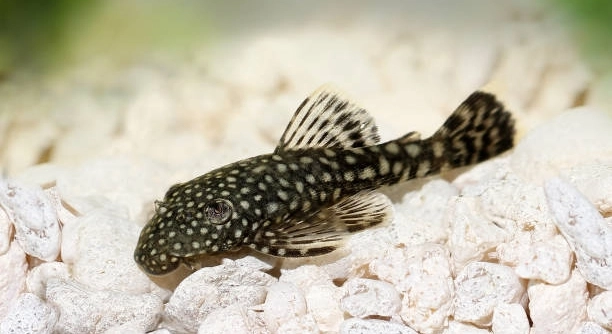
Do you ever notice your bristlenose pleco looking rounder than usual after feeding? These small aquarium catfish are often lively and active, but their weight can change quickly depending on diet and tank conditions.
Bristlenose plecos can become overweight if they receive too many high-protein foods or excessive portions. Overfeeding, combined with limited swimming space, can lead to fat accumulation, affecting their mobility, health, and lifespan. Proper diet and monitoring are essential to prevent obesity.
Watching your pleco’s eating habits and body shape is important for its long-term well-being. Small adjustments in diet and tank management can make a big difference to its health.
Signs Your Bristlenose Pleco May Be Overweight
One of the easiest ways to tell if your bristlenose pleco is overweight is by observing its body shape. A healthy pleco has a firm, slightly flattened body and a distinct head structure with bristles. If your pleco starts to look rounded or swollen in the middle, it may be carrying extra fat. Changes in swimming behavior can also indicate weight issues. Overweight plecos may move more slowly or spend more time resting than usual. Another indicator is appetite. While plecos are generally consistent eaters, sudden changes in feeding behavior, like eating less despite being offered food, can signal health problems caused by excess weight. Keeping a close eye on your pleco’s body condition over time will help you catch issues early. Observing its ventral area can also provide clues, as fat deposits may be more visible from below.
Monitoring your pleco’s shape and behavior regularly prevents serious health issues from developing unnoticed.
Adjusting feeding schedules, portion sizes, and the types of food offered can help maintain a healthy weight. Vegetables, algae wafers, and occasional protein treats are best balanced to avoid overfeeding. Providing hiding spaces and encouraging movement by rearranging tank décor can also promote activity. Maintaining consistent water quality ensures metabolism functions normally, as poor water conditions may affect appetite and digestion. By combining observation with careful feeding and tank management, you can help your pleco remain active and healthy, reducing the risk of obesity-related problems over time.
Causes of Weight Gain in Bristlenose Plecos
Overfeeding is the most common cause of weight gain in plecos, even if it seems harmless.
Protein-heavy diets, excessive treats, and lack of exercise all contribute to fat accumulation. Tank size and layout can influence activity, affecting how calories are burned. Stress and water quality issues may also play a role, as they impact metabolism.
Bristlenose plecos require a diet that is primarily plant-based, with occasional protein. Feeding too many pellets or protein snacks can easily lead to weight gain. It’s easy to overestimate portions because plecos often seem hungry, but small, measured amounts are sufficient. Tank size matters, as plecos in smaller tanks may not swim enough to burn calories efficiently. Adding driftwood, hiding spots, and vertical surfaces can encourage exploration and movement, supporting healthy metabolism. Stress from overcrowding or poor water quality may reduce activity, further contributing to weight gain. By balancing diet, tank setup, and water conditions, you can help prevent obesity and promote overall well-being.
Managing Your Pleco’s Diet
Controlling portion sizes is essential for preventing weight gain. Feed your pleco small amounts once or twice a day and avoid leaving excess food in the tank, as uneaten food can contribute to obesity and poor water quality.
A balanced diet for bristlenose plecos includes vegetables like zucchini, cucumber, and spinach, along with algae wafers. Protein should be limited to occasional treats such as bloodworms or shrimp. Observing how much your pleco eats in a few minutes helps you determine the right portion size. Overfeeding even healthy foods can lead to weight gain. Timing and consistency in feeding encourage healthy digestion and reduce the risk of leftover food polluting the tank.
Encouraging variety in their diet keeps plecos interested while providing proper nutrition. Rotating vegetables and limiting protein ensures they receive essential nutrients without adding unnecessary calories. Tracking their eating habits over weeks allows adjustments for better long-term health. Regular observation of body shape alongside dietary changes helps prevent obesity before it becomes serious.
Exercise and Activity for Bristlenose Plecos
Providing space to swim is crucial for maintaining a healthy weight. Tanks with ample swimming room encourage movement and reduce fat accumulation in plecos.
Adding décor like driftwood, rocks, and hiding spots promotes activity while mimicking natural environments. Plecos explore vertical surfaces and crevices, which increases exercise. Avoid overcrowding, as too many fish limit swimming opportunities and can stress your pleco. A clean tank with proper water flow also encourages movement, as fish tend to explore and feed more actively in well-maintained environments. Encouraging activity prevents obesity, supports metabolism, and contributes to overall health.
Rotating decorations or introducing safe enrichment items can motivate plecos to explore different areas of the tank. Water flow adjustments, such as gentle currents, can stimulate swimming without causing stress. Combining these environmental strategies with a controlled diet ensures that your pleco maintains a proper weight. Regularly observing your pleco’s movement patterns helps you identify whether adjustments are needed, making it easier to prevent health problems related to inactivity. Consistent care keeps them both healthy and active over time.
Monitoring Weight Changes
Weighing bristlenose plecos directly is difficult, so observe their body shape closely. Rounded bellies, slower swimming, and changes in appetite are key indicators of weight gain.
Regularly compare your pleco’s size to previous photos or notes. Tracking subtle changes helps catch potential issues early and ensures timely adjustments to diet or tank setup.
Adjusting Feeding Habits
If your pleco is gaining weight, reduce feeding frequency or portion size. Focus on plant-based foods and limit protein treats. Remove uneaten food promptly to avoid overeating and maintain water quality. Monitoring how quickly food is consumed helps fine-tune portions, preventing overfeeding while keeping nutrition balanced.
Tank Environment Considerations
Temperature, water flow, and tank layout influence activity levels. Proper conditions encourage swimming, supporting healthy weight and overall well-being.
FAQ
Can bristlenose plecos lose weight if they are overweight?
Yes, plecos can lose weight gradually with proper diet adjustments and increased activity. Reducing protein treats, feeding smaller portions, and focusing on vegetables or algae-based foods can help. Encouraging swimming through tank layout changes or gentle water flow also promotes fat reduction over time. Consistency is key, as rapid changes can stress the fish.
How often should I feed my pleco to prevent obesity?
Most adult bristlenose plecos do well with one or two small feedings per day. The goal is to provide enough food to keep them healthy without leaving leftovers. Monitoring how quickly they eat helps determine appropriate portion sizes and prevents overfeeding.
What are the best foods to maintain a healthy weight?
Vegetables like zucchini, cucumber, spinach, and peas are excellent for keeping plecos fit. Algae wafers provide essential nutrients while avoiding excess calories. Protein should be occasional, such as small amounts of shrimp or bloodworms, ensuring the pleco receives necessary nutrients without adding unnecessary fat.
Is overfeeding the main reason plecos get fat?
Yes, overfeeding is the primary reason for weight gain in bristlenose plecos. Even small, frequent feedings of protein-rich foods can contribute to fat accumulation. Keeping portions controlled, observing appetite, and providing plant-based options are effective ways to prevent obesity.
Can tank size affect my pleco’s weight?
Absolutely. Smaller tanks limit swimming space, reducing activity and calorie burning. Larger tanks with ample room for exploration encourage movement, helping plecos maintain a healthy weight. Including driftwood, rocks, and hiding spots stimulates natural behaviors that also increase exercise.
How can I tell if my pleco is overweight without weighing it?
Visual observation is the easiest method. Rounded or swollen bellies, slower movement, and reduced activity are signs of excess weight. Comparing current body shape to previous observations or photos over time allows you to track changes effectively.
Does water quality affect pleco weight?
Poor water quality can stress plecos, which may reduce appetite or activity, indirectly contributing to weight gain or health problems. Regular water changes, proper filtration, and monitoring parameters like temperature, pH, and ammonia levels help maintain a healthy metabolism.
Can exercise alone reduce pleco weight?
Exercise helps, but it must be combined with proper diet management. Providing space, water flow, and tank enrichment encourages swimming, but if the pleco continues to overeat, weight gain can persist. Both diet and activity are important for long-term health.
Are juvenile plecos prone to becoming overweight?
Juveniles are less likely to be overweight if fed appropriately, but overfeeding or high-protein diets can still cause rapid fat accumulation. Monitoring growth and providing mostly plant-based foods with limited protein treats helps maintain healthy development.
How quickly can a pleco return to a healthy weight?
Weight loss is gradual. With consistent diet adjustments and increased activity, noticeable improvements can occur in a few weeks, but achieving an ideal body condition may take several months. Patience and careful monitoring prevent stress and health issues.
Should I consult a vet for an overweight pleco?
Yes, if weight gain is severe or accompanied by other symptoms like lethargy, bloating, or abnormal behavior, a veterinarian specializing in fish can provide guidance. They can help rule out underlying illnesses and recommend a safe weight management plan.
Can overfeeding lead to other health problems besides obesity?
Yes, overfeeding can cause digestive issues, poor water quality, and increased risk of infections. Excess uneaten food decomposes, raising ammonia levels and stressing all tank inhabitants. Maintaining proper feeding habits protects both your pleco’s weight and overall health.
Do all plecos gain weight the same way?
No, individual metabolism, age, and activity level influence how plecos gain weight. Some may be more prone to fat accumulation even with moderate feeding. Regular observation and adjustments based on your pleco’s behavior and appearance are essential.
How do I balance treats without causing weight gain?
Offer protein-based treats sparingly, no more than once or twice a week. Ensure the majority of the diet is plant-based and high in fiber. Small amounts of high-protein foods satisfy nutritional needs while preventing excessive fat accumulation.
Can stress make a pleco gain weight?
Indirectly, yes. Stress may reduce activity and disrupt metabolism, potentially leading to weight gain or health problems. Causes of stress include overcrowding, poor water quality, or aggressive tankmates. Reducing stressors promotes normal behavior and helps maintain a healthy weight.
Are there signs my pleco’s diet needs adjustment?
Changes in body shape, reduced swimming, or leftover food are all signs that diet may need tweaking. Tracking feeding amounts and observing the pleco regularly ensures dietary needs are met without promoting weight gain.
How does algae availability affect weight?
Natural algae growth in the tank provides low-calorie, fibrous food that supports healthy digestion. Limited algae may lead to overreliance on pellets or protein foods, increasing the risk of fat accumulation. Supplemental vegetables and wafers help maintain a balanced intake.
Can I use supplements to manage pleco weight?
Supplements are generally unnecessary if the diet is balanced. Focus on portion control, proper feeding frequency, and encouraging activity. In specific cases, a vet may recommend supplements to address deficiencies or health concerns without contributing to weight gain.
What role does fiber play in a pleco’s diet?
Fiber from vegetables or algae promotes healthy digestion and prevents constipation. High-fiber foods help plecos feel full without adding excess calories, supporting weight management and overall well-being.
How do I prevent future weight issues?
Maintain a consistent feeding schedule, monitor portions, provide tank enrichment, and observe behavior and body shape regularly. Balancing diet, activity, and water quality ensures your pleco stays healthy and reduces the risk of obesity over time.
Final Thoughts
Bristlenose plecos are resilient fish, but keeping them healthy requires attention to their diet, activity, and environment. Overweight plecos face several health challenges, including slower movement, digestive issues, and a shorter lifespan. Observing your pleco’s body shape and behavior regularly is one of the easiest ways to prevent problems before they become serious. Rounded bellies, sluggish swimming, or reduced interest in food can all indicate that adjustments are needed. By noticing these changes early, you can make small but important modifications to their feeding routine or tank setup. These steps help maintain your pleco’s health and ensure it remains active and happy in its aquarium environment.
Feeding practices are crucial in preventing weight gain. A diet based mostly on vegetables and algae wafers is ideal, while protein should be given only occasionally. Overfeeding, even healthy foods, can quickly lead to fat accumulation, especially if the pleco is not very active. Portion control and consistent feeding schedules allow your fish to get the nutrients it needs without excess calories. Removing uneaten food promptly also helps maintain water quality, which directly affects your pleco’s health. Small adjustments in diet can have a big impact over time, and observing how your pleco responds to these changes is key. Tracking appetite, eating speed, and leftover food ensures you are feeding the right amount.
Tank conditions play a significant role in supporting healthy weight. Adequate swimming space, interesting decorations, and gentle water flow encourage movement, which helps burn calories and keeps your pleco fit. Stress from overcrowding, poor water quality, or aggressive tankmates can reduce activity and negatively affect metabolism. Providing hiding spots, driftwood, and other enrichment items promotes natural exploration and exercise. Monitoring water parameters such as temperature, pH, and ammonia levels ensures a stable environment that supports overall health. Combining proper feeding, activity encouragement, and water care creates a sustainable routine that helps your bristlenose pleco maintain a healthy weight, enjoy a better quality of life, and thrive in your aquarium for years to come.

Hello,
If you enjoy the content that we create, please consider saying a "Thank You!" by leaving a tip.
Every little bit helps us continue crafting quality advice that supports the health, happiness, and well-being of pets around the world, for pets of all shapes, sizes, and species.
We really appreciate the kindness and support that you show us!