
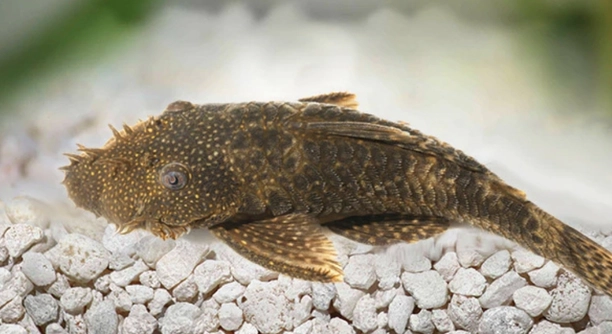
Bristlenose plecos are fascinating freshwater fish admired for their unique appearance and helpful algae-eating habits. Many aquarium owners enjoy keeping them, but breeding these fish can feel challenging without proper guidance and preparation.
Successful breeding of bristlenose plecos requires attention to tank conditions, water parameters, diet, and suitable hiding spaces. Providing consistent care, monitoring behavior, and creating an optimal environment increases the likelihood of successful spawning and healthy fry development.
Learning how to breed bristlenose plecos effectively can improve their well-being and expand your aquarium’s ecosystem with thriving, healthy fish.
Choosing the Right Tank Conditions
Setting up the proper tank is the first step in breeding bristlenose plecos. I learned early that these fish thrive in stable, clean environments. A tank size of at least 20 gallons is ideal, giving them space to explore and establish territories. Water temperature should be maintained between 78 and 86°F, which closely mimics their natural habitat. The pH level should stay around 6.5 to 7.5, and ammonia, nitrite, and nitrate levels must be carefully monitored. Hiding spots are essential; caves or PVC pipes provide safe places for plecos to lay eggs. I personally found that adding driftwood not only creates hiding spots but also enhances their diet, as plecos graze on the biofilm. Regular water changes are critical to maintain clean, stable conditions. By paying close attention to tank conditions, the likelihood of successful breeding significantly increases.
Maintaining the right water temperature and clean environment directly supports breeding readiness and reduces stress in bristlenose plecos, promoting healthier behavior.
Clear, stable tank conditions encourage natural spawning behaviors. Plecos feel secure in an environment with hiding spaces and consistent water parameters. Clean water helps eggs develop properly and prevents fungal or bacterial infections. Providing the right setup allows the fish to focus on breeding rather than survival. Regular monitoring of temperature, pH, and water quality ensures the fish remain healthy and ready to reproduce. Driftwood and caves act as both feeding sources and protective spots for eggs. Over time, I noticed that plecos became more active and displayed natural behaviors when their environment was properly maintained. This stability fosters confidence in the fish, making spawning more frequent and successful. By observing their behavior and adjusting tank conditions as needed, breeding outcomes improved considerably. Overall, consistent tank care lays the foundation for a thriving pleco population and a balanced aquarium ecosystem.
Feeding and Nutrition
A proper diet is crucial for bristlenose plecos to reach breeding readiness. Feeding them high-quality sinking pellets, fresh vegetables, and occasional protein boosts their health.
Balanced nutrition strengthens their immune system and encourages egg development.
Offering a variety of foods keeps plecos healthy. Vegetables like zucchini, cucumber, and spinach are excellent staples. Sinking pellets ensure they receive essential nutrients, and occasional protein treats, such as bloodworms, help boost energy levels. I observed that plecos with diverse diets became more active and displayed courtship behaviors sooner. Avoid overfeeding, as excess waste can deteriorate water quality and stress the fish. Maintaining a feeding schedule and removing uneaten food helps preserve clean tank conditions. Healthy plecos are more likely to spawn successfully, and their fry are stronger and more resilient. Combining consistent feeding with quality water management creates an environment conducive to breeding. Over time, I saw a clear difference in reproductive success when dietary needs were met, proving nutrition’s vital role in pleco breeding.
Providing Suitable Hiding Spaces
Hiding spaces are essential for bristlenose plecos to feel secure and spawn successfully. I noticed that adding caves and PVC pipes immediately encouraged territorial behavior and egg-laying.
Plecos instinctively seek protected areas for spawning. I set up several small caves and hollow decorations in the tank. Driftwood also works well, offering both shelter and a surface for grazing. When caves were available, males quickly claimed them, and females laid eggs inside. Without adequate hiding spots, plecos appeared stressed and reluctant to breed. I observed that spacing the hiding places apart reduced conflicts between males. These secure locations make spawning safer for both adults and eggs. Careful placement of caves and pipes ensures plecos can access them easily, reducing stress and supporting natural behaviors. Over time, I saw consistent egg-laying activity in the areas I prepared, proving the importance of hiding spaces.
Egg protection is easier when males guard caves. I often watched males actively tending to eggs, fanning them with fins to maintain oxygen levels. Providing multiple hiding spots prevented fights and allowed several pairs to spawn simultaneously. Driftwood surfaces also encouraged grazing, indirectly supporting breeding by keeping plecos healthy.
Monitoring Water Parameters
Maintaining consistent water parameters prevents stress and increases spawning success. Regular testing for pH, temperature, and ammonia is vital.
I tested water daily to ensure it stayed stable. Plecos are sensitive to sudden changes, which can halt breeding. Keeping the temperature between 78 and 86°F and pH around 6.5–7.5 created optimal conditions. Ammonia and nitrite levels had to remain at zero, with nitrates kept low. I also monitored hardness and adjusted it slowly when needed. Stable water encouraged natural behaviors, with males claiming caves and females laying eggs confidently. Regular water changes of 20–30% helped maintain cleanliness and parameter stability, ensuring eggs developed safely. Over time, I noticed that eggs hatched more reliably when water conditions were consistently monitored.
Observing the fish closely revealed how sensitive they are to small changes. Even slight pH fluctuations caused visible stress. I learned that careful monitoring, paired with gradual adjustments, minimized disruptions. Keeping the water clean and stable gave me confidence that breeding would continue successfully.
Selecting a Breeding Pair
Choosing healthy, mature plecos increases breeding success. I always pick fish with vibrant coloration and active behavior.
Males should have well-developed bristles and larger bodies, while females appear rounder when ready to lay eggs. Observing interactions helps identify compatible pairs, reducing aggression and improving spawning outcomes.
Spawning Process
Once a pair is ready, the male claims a cave and prepares it by cleaning and fanning the area. The female enters to lay eggs, and the male fertilizes them immediately. I noticed that consistent tank conditions and proper nutrition significantly sped up this process. Frequent observation ensures eggs are protected, and the male continues to fan them, preventing fungal growth. Patience is key, as plecos may wait several days or weeks before spawning. I often adjusted water parameters slightly to mimic natural seasonal changes, which encouraged mating behavior. Proper preparation and monitoring resulted in higher hatching success, with fry appearing healthy and active shortly after.
Caring for the Eggs
Eggs must remain clean and well-oxygenated. I regularly observed the male fanning them to maintain water circulation.
FAQ
How long does it take for bristlenose pleco eggs to hatch?
Bristlenose pleco eggs usually hatch in about 4 to 7 days, depending on water temperature. I noticed that when the temperature stays around 80°F, hatching is faster and more consistent. Cooler water slows development, while fluctuating temperatures can cause some eggs to fail.
Do males and females need separate tanks for breeding?
No, a single well-prepared tank is usually sufficient. I keep a pair together in a tank with caves and stable conditions. However, overcrowding can stress them, so limiting the number of fish and ensuring hiding spaces helps reduce conflicts and improves spawning success.
How can I tell if a pleco is male or female?
Males typically have longer, more pronounced bristles on their snouts and broader heads, while females appear rounder, especially when ready to lay eggs. Observing behavior also helps: males guard caves and fan eggs, while females enter caves primarily to deposit eggs.
Should I remove the male after spawning?
Generally, the male should stay to protect and fan the eggs. I’ve found that removing him too early can result in eggs being overrun by fungus or neglected. Only consider removing the male if aggression towards the female or other tank mates becomes problematic.
Can I use artificial caves for breeding?
Yes, PVC pipes, ceramic tubes, or small aquarium-safe decorations work well. I personally use a combination of PVC pipes and driftwood. The key is to provide multiple options so the male can choose a space he feels safe guarding.
Do I need to feed the male while he guards the eggs?
Yes, feeding should continue but in small amounts. I scatter a few sinking pellets or vegetable slices near the cave entrance. Overfeeding is risky, as leftover food can pollute the water, but maintaining some nutrition keeps the male healthy while guarding.
How many eggs does a female usually lay?
Females can lay between 20 and 100 eggs per spawning session. I observed that healthier, well-fed females tend to produce more eggs. Multiple spawnings in the same tank are possible if conditions remain stable and both fish remain stress-free.
When should I move the fry to another tank?
Fry can be moved after 3 to 4 weeks when they are large enough to eat sinking food and small vegetables. I ensure the new tank has gentle filtration, plenty of hiding spots, and stable water conditions to prevent stress and improve survival rates.
What should I feed the fry?
Fry thrive on finely crushed sinking pellets, blanched vegetables, and occasionally powdered protein foods. I start with tiny portions, gradually increasing as they grow. Regular water changes are essential to prevent uneaten food from fouling the tank.
How often should I change water during breeding?
I change 20–30% of the water weekly, taking care not to disturb the eggs or fry. Maintaining clean water helps prevent fungal infections and supports healthy development. Observing the tank closely allows me to adjust water changes if waste levels rise faster than usual.
Can bristlenose plecos spawn multiple times in a month?
Yes, if conditions are stable and both fish are healthy, multiple spawnings are possible. I found that consistent water quality, varied nutrition, and adequate hiding spaces encourage repeated breeding without stressing the pair.
Is it necessary to simulate seasonal changes for breeding?
Mimicking seasonal water changes, like slightly lowering temperature and then gradually raising it, can trigger spawning. I’ve had better results when creating minor variations rather than abrupt changes, which plecos seem to respond to naturally.
How can I prevent fungal infections on eggs?
Maintaining clean water, providing good water flow through fanning, and avoiding overcrowding are key. I sometimes use a mild antifungal treatment if I notice signs of fungus, but usually, healthy eggs in a well-maintained tank remain unaffected.
What signs indicate eggs are not viable?
Discoloration, a fuzzy appearance, or eggs falling out of the cave often indicate they are non-viable. I remove such eggs promptly to prevent them from contaminating healthy ones. Observing the male’s behavior can also indicate issues, as he may neglect or remove unhealthy eggs.
Can I breed bristlenose plecos with other pleco species?
It’s not recommended, as different species may produce hybrids with unpredictable traits. I focus on pairing the same species to ensure healthy offspring and maintain stable tank dynamics. Crossbreeding often introduces stress and reduces overall breeding success.
What temperature fluctuations are acceptable during breeding?
Small daily variations of 1–2°F are acceptable, but sudden swings can stress fish and halt spawning. I monitor my tank closely and adjust heaters or chillers gradually. Stability promotes natural behavior and encourages the male to continue guarding the eggs.
How long do males guard the fry after hatching?
Males usually guard fry for about 5–7 days until they become more independent. During this period, I provide plenty of hiding spaces and ensure gentle water movement. Once fry start swimming freely and feeding on their own, the male often loses interest and focuses on other activities.
Do plecos need a darkened tank for breeding?
Low light or shaded areas encourage spawning, as plecos prefer dim environments for laying eggs. I often cover part of the tank or place caves in less illuminated areas. Bright light can stress both adults and fry, reducing breeding success.
Can I breed plecos in a community tank?
It’s possible, but not ideal. I’ve found that keeping a separate breeding tank reduces stress and protects eggs from other fish. Community tanks can lead to eggs being eaten or fry being harassed, which lowers survival rates.
What is the survival rate of bristlenose pleco fry?
Survival depends on water quality, nutrition, and tank setup. In my experience, well-maintained conditions lead to around 70–80% fry survival, while neglecting any factor drastically reduces the number that reach maturity. Proper care during the early weeks is critical.
Are there signs that breeding has failed?
If eggs are consistently unfertilized, not developing, or fungus spreads despite proper care, breeding attempts may fail. I reassess water parameters, nutrition, and hiding spaces to identify and correct any issues before trying again.
Can I encourage breeding year-round?
Yes, with stable tank conditions, proper nutrition, and occasional minor water adjustments, plecos can breed multiple times throughout the year. I maintain a consistent routine and monitor behavior closely to ensure ongoing reproductive activity.
How do I know the fry are healthy?
Healthy fry are active, feed well, and have clear bodies without deformities. I watch their swimming patterns and growth. Any lethargy, abnormal shapes, or loss of appetite signals the need for water checks or dietary adjustments.
Final Thoughts
Breeding bristlenose plecos can be a rewarding experience when approached with patience and careful attention to detail. I have learned that success is rarely instant, and understanding the fish’s natural behaviors is essential. Observing their interactions, from claiming caves to fanning eggs, gives insight into how to maintain a stable environment that encourages reproduction. Consistent water conditions, proper nutrition, and suitable hiding spaces are the foundation of successful breeding. Plecos respond best to an environment that mimics their natural habitat, and small adjustments over time can make a noticeable difference in their behavior and willingness to spawn. By maintaining patience and consistency, breeding becomes more predictable and less stressful for both the fish and the keeper.
Attention to diet and overall fish health cannot be overstated. Well-fed, healthy plecos exhibit stronger reproductive behavior and produce more viable eggs. I have seen firsthand how a varied diet, including fresh vegetables and occasional protein sources, can encourage females to lay eggs more frequently. Maintaining feeding schedules while avoiding overfeeding is important, as excess food can compromise water quality and stress the fish. Healthy adults produce healthier fry, and careful monitoring of tank parameters ensures that eggs develop properly. It is equally important to monitor the male during the egg-guarding period, as he plays a crucial role in maintaining oxygen flow and preventing fungal infections. By focusing on both nutrition and environmental care, the breeding process becomes more successful and manageable.
Finally, consistency and observation are key to long-term success. Regular monitoring of water parameters, observing the fish’s behavior, and adjusting conditions gradually helps ensure that breeding remains successful over time. I have found that documenting changes and outcomes provides useful guidance for future attempts and reduces trial-and-error stress. Providing multiple hiding spaces, ensuring clean water, and maintaining stable temperatures creates a secure environment that supports natural breeding instincts. While challenges may arise, such as non-viable eggs or occasional stress, careful attention and proper preparation allow for a rewarding experience. Over time, seeing fry develop into healthy, active plecos reinforces the importance of patience, dedication, and consistency in breeding. Each step, from tank setup to fry care, contributes to a thriving aquarium and a deeper understanding of these fascinating fish.

Hello,
If you enjoy the content that we create, please consider saying a "Thank You!" by leaving a tip.
Every little bit helps us continue crafting quality advice that supports the health, happiness, and well-being of pets around the world, for pets of all shapes, sizes, and species.
We really appreciate the kindness and support that you show us!