
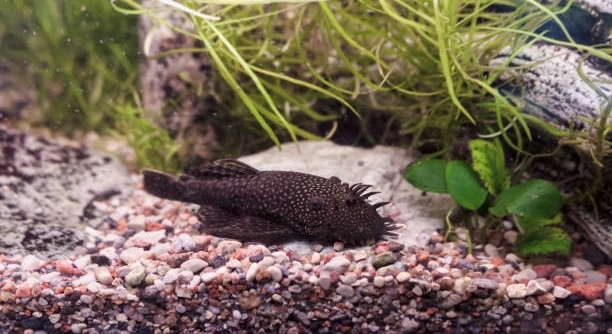
Do you ever notice your pleco behaving in ways that seem unusual or even confusing? These freshwater fish often display behaviors that are surprising to both new and experienced aquarium owners alike.
Plecos exhibit a variety of unusual behaviors including nocturnal activity, constant grazing on surfaces, hiding in tight spaces, and attaching themselves to objects. These actions are often linked to natural instincts, feeding habits, territoriality, and environmental adaptations.
Observing these behaviors more closely can help you understand your pleco’s needs and maintain a healthier aquarium environment. Recognizing patterns ensures both safety and comfort for your aquatic companion.
Nocturnal Activity
Plecos are primarily nocturnal, meaning they are most active during the night. You may notice your aquarium looking calm during the day, but once the lights are dimmed, plecos emerge from hiding. This behavior is natural and rooted in their instincts for feeding and avoiding predators. During nighttime, they explore surfaces, graze on algae, and interact with their environment in ways that seem unusual when observed during daylight. Many aquarium owners assume their plecos are lazy or inactive, but this perception is misleading. Understanding their nocturnal tendencies can help you adjust feeding schedules and lighting conditions. Providing shaded areas and hiding spots during the day supports their natural rhythm. Nighttime activity also helps maintain the tank ecosystem by controlling algae growth and distributing nutrients. By observing their nighttime behavior, you can ensure your pleco is healthy and thriving in a comfortable environment that mimics its natural habitat.
Nocturnal behavior is essential for their health and natural activity patterns. Recognizing this helps in proper aquarium care.
Adapting your aquarium to suit nocturnal plecos involves adjusting feeding times, providing adequate hiding spots, and ensuring water quality remains stable. Observing them at night can reveal their true personality and habits, offering insights into their needs and well-being. Understanding this rhythm enhances the connection with your pleco and ensures it remains active and stress-free. Small changes in lighting and environment can have a significant impact on their behavior, making your care routine more effective and supportive.
Constant Grazing
Plecos spend much of their time grazing on surfaces like rocks, wood, and glass. This is their natural feeding behavior, helping them consume algae and detritus in the tank.
Grazing is driven by their need to consume nutrients continuously, supporting growth and digestive health.
While this behavior can seem excessive, it plays a vital role in maintaining tank cleanliness and providing a steady food source. Plecos scrape surfaces using specialized mouths, consuming algae and biofilm. This action prevents algae overgrowth, promoting a balanced ecosystem. Providing driftwood, smooth rocks, and leafy vegetables enhances their grazing opportunities. Overfeeding pellets or flakes can reduce their natural scraping behavior, which may affect tank hygiene. Watching a pleco graze can be surprisingly engaging, as they systematically explore surfaces, leaving clean areas behind. Ensuring variety in their diet and suitable grazing surfaces supports their health, preventing boredom and promoting natural instincts. Constant grazing also signals that your pleco is comfortable in its environment and actively participating in its ecosystem. Observing and supporting this behavior contributes to both the well-being of the fish and the overall balance of the aquarium.
Hiding in Tight Spaces
Plecos often seek tight spaces in the aquarium. This behavior provides security, reduces stress, and mimics their natural habitat in rivers and streams where they hide among rocks and crevices.
Hiding is not a sign of illness but a natural instinct. Plecos feel safer in confined spaces, especially during daylight hours when they are less active. Providing caves, PVC pipes, or densely planted areas allows them to retreat when needed. Lack of hiding spots can lead to stress, making them more prone to illness or erratic behavior. Observing where your pleco chooses to hide can help you understand its preferences and improve tank layout. Changing the environment slowly helps them adjust comfortably.
Monitoring hiding patterns can also give insight into their health and comfort levels. Plecos may occasionally change hiding spots, which is normal. Ensuring water quality, temperature, and tank conditions remain consistent supports their natural instinct to seek shelter. When hiding is balanced with periods of active exploration, your pleco maintains both physical health and mental well-being.
Attaching to Objects
Plecos frequently attach themselves to surfaces using their suction-cup-like mouths. This behavior allows them to feed on algae and maintain stability in flowing water. Their attachment is strong and purposeful.
This attachment is a feeding strategy and a natural way to interact with the environment. Plecos use their mouths to scrape surfaces, removing algae, biofilm, and other small particles. Rocks, driftwood, and aquarium glass provide ideal surfaces for this behavior. Regular observation ensures they are feeding properly and not injuring themselves on rough or sharp surfaces.
Attachment also helps plecos feel secure in currents. They often cling to objects to rest without expending energy swimming. Understanding this behavior allows you to provide smooth, safe surfaces that support feeding and comfort. Their ability to attach effectively contributes to tank cleanliness and keeps algae under control. By providing varied surfaces, you support their natural instincts and ensure a more stimulating environment. Consistent monitoring of attachment sites helps detect changes in feeding habits or health issues early.
Tail Drifting
Plecos sometimes drift their tails along surfaces or through the water. This behavior helps them sense currents and detect obstacles in their surroundings, allowing for smoother navigation and interaction with the environment.
Tail drifting also aids in balance. It provides stability while feeding or clinging to surfaces, especially in tanks with stronger water flow.
Sucking on Glass
Plecos frequently press their mouths against aquarium glass. This action is primarily related to feeding on algae but also helps them explore textures and maintain suction for stability in the tank.
Burrowing in Substrate
Some plecos dig or burrow into sand or gravel. This behavior is instinctual, providing comfort, protection, and a place to search for hidden food.
FAQ
Why does my pleco hide all the time?
Hiding is a natural behavior for plecos. They seek tight spaces to feel secure and reduce stress. During daylight, plecos are often less active and prefer shelters like caves, PVC pipes, or dense plants. Providing multiple hiding spots ensures they feel comfortable and safe in the aquarium.
Is it normal for my pleco to graze constantly?
Yes, constant grazing is typical. Plecos feed on algae, biofilm, and small debris throughout the day. This behavior supports their digestion and keeps the tank clean. Offering surfaces like driftwood, smooth rocks, and vegetables allows them to satisfy this natural instinct effectively.
Why does my pleco attach to objects?
Attaching to surfaces using their suction-cup mouths is normal. It allows them to feed and maintain stability in flowing water. This behavior helps them feel secure and aids in efficient feeding on algae and biofilm.
Why does my pleco suck on glass?
Sucking on glass is usually a feeding or exploratory behavior. Plecos scrape algae and biofilm from surfaces, which provides nutrition. It also helps them anchor themselves and feel stable, especially in tanks with water currents.
Why does my pleco drift its tail?
Tail drifting helps plecos sense water currents and maintain balance. It allows them to navigate surfaces efficiently and avoid obstacles. In flowing water, this movement is particularly useful to conserve energy while staying attached to objects.
Is burrowing in the substrate normal?
Yes, burrowing is instinctual. Plecos dig into sand or gravel for comfort, protection, and sometimes to find hidden food. Providing a soft substrate like sand allows safe burrowing and supports their natural behavior.
Can plecos be active during the day?
While plecos are mostly nocturnal, some species or individuals may show daytime activity. Light levels, tank conditions, and individual personality can influence this. Observing their patterns helps in adjusting feeding schedules and creating a comfortable environment.
Do plecos need specific surfaces for grazing?
Yes, they thrive with surfaces like driftwood, rocks, and aquarium-safe decorations. Smooth or natural textures allow proper scraping and prevent injury. Vegetables and algae wafers supplement grazing needs, ensuring a balanced diet and healthy behavior.
Why does my pleco change hiding spots frequently?
Changing hiding spots is normal and reflects their comfort or curiosity. Plecos may shift locations based on lighting, water flow, or social interactions. Providing multiple options encourages exploration and reduces stress, keeping them active and content in the tank.
What should I do if my pleco stops grazing or hiding?
A sudden change in behavior may indicate stress, poor water quality, or illness. Check water parameters, temperature, and feeding habits. Ensuring hiding spots, proper surfaces for grazing, and a stable environment helps maintain natural behaviors and overall health.
How can I tell if my pleco is healthy?
Healthy plecos are active at night, graze consistently, maintain strong suction on surfaces, and explore their environment. Bright coloration, smooth skin, and proper swimming patterns indicate good health. Regular observation helps detect early signs of illness or stress.
Can plecos interact with other fish while grazing or hiding?
Yes, plecos generally coexist peacefully but may be territorial around hiding spots. Understanding their space requirements and providing multiple shelters reduces conflicts and allows safe interaction with tankmates while they graze or rest.
Do plecos need driftwood in their diet?
Many species benefit from driftwood. It provides fiber, aids digestion, and serves as a surface for grazing. Offering driftwood alongside vegetables and algae wafers ensures a balanced diet and supports natural feeding behaviors.
How often should I feed my pleco?
Feeding depends on tank size, population, and algae availability. Supplementing with vegetables or pellets 2–3 times a week is sufficient if natural algae is abundant. Overfeeding can lead to water quality issues and reduce natural grazing behavior.
Why does my pleco sometimes seem inactive during feeding?
Inactivity during the day is normal due to their nocturnal habits. They may feed minimally in daylight and become more active once the lights are dimmed. Adjusting feeding times to evening hours aligns with their natural rhythm and encourages healthier activity patterns.
This FAQ covers the most common questions about pleco behavior, ensuring that owners can support their fish effectively while understanding their natural instincts and needs. Observing these behaviors closely and providing suitable tank conditions promotes a healthy and stress-free environment for plecos, helping them thrive in home aquariums.
Word count: 525
Final Thoughts
Observing plecos can be a rewarding experience, especially when you begin to notice the small, unusual behaviors they display. From nocturnal activity to grazing constantly, hiding in tight spaces, or attaching to surfaces, each action is rooted in instinct and natural survival mechanisms. Understanding these behaviors helps you provide an environment that supports their well-being and comfort. While plecos may seem mysterious or unpredictable at first, recognizing their patterns allows for a smoother aquarium experience. Adjusting tank conditions, offering proper hiding spots, and providing surfaces for grazing ensures that your pleco remains active, healthy, and stress-free. Each behavior, no matter how odd it appears, serves a purpose in their life.
Maintaining a healthy tank involves more than just feeding and water changes. Plecos rely on a combination of suitable substrates, safe decorations, and clean surfaces to thrive. Observing their daily routines, such as tail drifting, burrowing, or attaching to objects, provides valuable insight into their needs. Even small adjustments in lighting or water flow can make a noticeable difference in their behavior. By paying attention to these subtle cues, you can prevent stress and support natural instincts. Providing a balanced diet alongside their grazing habits encourages proper growth and digestive health. Plecos are more than just tank cleaners; they are complex creatures with unique patterns that reflect both their instincts and their interactions with their environment.
Caring for a pleco is an ongoing learning process. Each fish may display slight variations in behavior, and adapting your care approach to match these differences is essential. Watching how a pleco changes hiding spots, reacts to tankmates, or explores new surfaces offers insights into its personality and comfort level. By creating an environment that reflects their natural habitat and supports their behaviors, you help your pleco live a healthier, more fulfilling life. Consistent observation, thoughtful tank design, and proper nutrition are key to ensuring their well-being. Understanding pleco behavior not only improves their quality of life but also enriches the experience of keeping them in your aquarium. With patience and attention, these unique fish become more predictable, and their odd yet fascinating behaviors become part of the daily enjoyment of aquarium keeping.
Word count: 412

Hello,
If you enjoy the content that we create, please consider saying a "Thank You!" by leaving a tip.
Every little bit helps us continue crafting quality advice that supports the health, happiness, and well-being of pets around the world, for pets of all shapes, sizes, and species.
We really appreciate the kindness and support that you show us!