
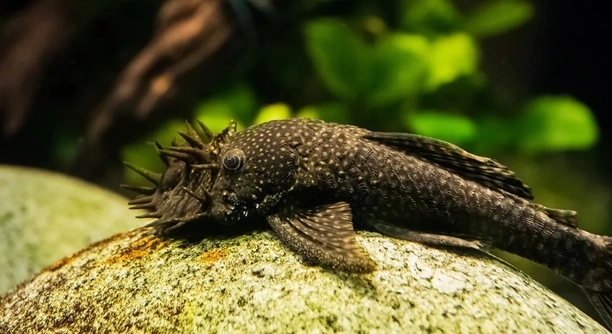
Do you ever notice your bristlenose pleco eagerly nibbling on algae in the tank and wonder if algae wafers alone can sustain them? These popular freshwater fish are known for their appetite for algae and plant matter.
Bristlenose plecos cannot thrive on algae wafers exclusively. While these wafers provide essential nutrients, a varied diet including fresh vegetables, occasional protein, and natural algae is necessary to support proper growth, health, and longevity in their aquatic environment.
Understanding the balance between wafers and supplemental foods ensures your pleco remains healthy and active, maintaining a cleaner tank and a happier fish overall.
Why Algae Wafers Alone Are Not Enough
Algae wafers are convenient and packed with nutrients, but they cannot provide all the essential vitamins and minerals bristlenose plecos need. Relying solely on these wafers can lead to nutritional deficiencies over time. Plecos naturally graze on a variety of plant matter, including algae, vegetables, and driftwood. Fresh vegetables like zucchini, cucumber, and spinach supply fiber and vitamins that wafers lack. Occasionally, small amounts of protein from sources like shrimp pellets or bloodworms can support growth and overall health. Tank conditions also influence feeding needs, as plecos in heavily stocked or larger tanks may burn more energy and require more diverse nutrition. Feeding only wafers may seem convenient, but it is not sufficient for long-term health. Observing your pleco’s behavior and adjusting diet accordingly ensures they remain active, vibrant, and free from disease. A balanced diet promotes a healthy digestive system and prevents potential organ issues.
Feeding a varied diet supports natural behavior and ensures a longer, healthier life for your pleco.
Including vegetables, algae, and occasional protein alongside wafers creates a complete diet. This approach mimics natural feeding habits, prevents boredom, and maintains digestive health. By rotating foods, you provide all necessary nutrients while keeping feeding interesting. Watching your pleco eat different items can also be satisfying, as they interact with various textures and flavors. Ensuring wafers are supplemented properly allows them to thrive in a home aquarium, keeping their bodies strong and their colors bright. It also reduces the risk of overfeeding or nutrient imbalance, common issues with a single-food diet. Maintaining water quality is easier when fish are healthy and digest food efficiently. Overall, combining wafers with fresh vegetables and occasional protein gives your pleco the best chance at longevity and vibrant health.
How to Supplement Your Pleco’s Diet
A simple way to supplement your pleco’s diet is by offering a mix of fresh vegetables and occasional protein.
Fresh vegetables like zucchini, cucumber, and peas provide fiber and vitamins, while occasional protein from shrimp pellets or bloodworms supports growth. Introducing natural algae from rocks or driftwood also mimics their grazing habits. Rotating these foods ensures your pleco receives complete nutrition without over-reliance on any single source. Preparation is key: blanch vegetables for easier consumption and cut them into manageable sizes. Remove uneaten food promptly to maintain water quality and prevent decay. Feeding small portions multiple times per week works better than one large feeding. Observing your pleco’s preferences allows you to adjust the mix over time, keeping them engaged and healthy. Consistent supplementation ensures proper development, strong immune function, and long-term vitality in the tank. By paying attention to diet and tank conditions, you can avoid nutritional deficiencies and support natural behavior, promoting a balanced and thriving aquarium environment.
Feeding Frequency for Bristlenose Plecos
Feeding bristlenose plecos once daily is usually sufficient, but frequency can vary depending on tank size and water temperature. Overfeeding can lead to poor water quality and health problems. Smaller portions spread across multiple days work better than a single large feeding.
Feeding frequency depends on your pleco’s size, age, and activity level. Younger plecos may require more frequent feedings, while adults can thrive on smaller, consistent portions. Observing their eating behavior helps determine the right schedule. Remove uneaten food promptly to avoid water contamination. Maintaining a regular routine ensures the pleco receives proper nutrition without overloading the tank, supporting both their health and the aquarium ecosystem.
A consistent feeding schedule also helps regulate digestion and reduces stress. When plecos receive food predictably, they exhibit calmer behavior and less scavenging. By adjusting portion size and timing, you can prevent leftover food from decaying. Healthy feeding routines maintain water clarity and nutrient balance. Observing your pleco’s appetite daily allows small adjustments for growth or seasonal changes, ensuring a thriving, active fish with vibrant coloration and strong fins.
Monitoring Pleco Health
Regularly observing your pleco ensures early detection of health issues. Changes in color, appetite, or behavior can indicate dietary or environmental problems.
Healthy plecos display bright coloration, active grazing, and firm fins. Sudden lethargy, weight loss, or irregular swimming may signal nutritional deficiencies or poor water quality. Maintaining proper water parameters, cleaning the tank, and supplementing the diet reduces stress and disease risk.
Tracking fecal consistency is another way to monitor digestive health. Irregular or stringy waste may indicate dietary imbalance, while healthy plecos produce compact, uniform droppings. Rotating vegetables and protein sources supports strong immune function. Avoiding overfeeding prevents bloating and bacterial growth. Observing feeding behavior helps identify preferences, allowing adjustments for balanced nutrition. A combination of careful observation, water management, and varied diet ensures your pleco remains healthy, active, and long-lived.
Signs of Nutritional Deficiency
Pale coloration, slow growth, and reduced activity are common signs that a pleco is not receiving enough nutrients. Missing vitamins or fiber can quickly impact their overall health.
Uneaten vegetables or ignored wafers may indicate a preference or dietary imbalance. Adjusting the variety and frequency of foods helps prevent deficiencies and keeps the pleco active.
Best Vegetables for Plecos
Zucchini, cucumber, spinach, and peas provide essential fiber, vitamins, and minerals. Blanching vegetables makes them easier to consume and digest. Regular rotation ensures your pleco receives a balanced diet while mimicking natural grazing behavior.
Protein Supplements
Occasional protein sources like shrimp pellets or bloodworms support growth and overall vitality. Overfeeding protein can cause digestive issues, so moderation is important.
FAQ
Can bristlenose plecos survive on algae wafers alone?
Bristlenose plecos can survive for a short period on algae wafers, but they cannot thrive long-term without additional nutrition. Wafers provide some essential nutrients, but lack sufficient fiber, vitamins, and minerals. Including fresh vegetables like zucchini, cucumber, and peas ensures digestive health, while occasional protein supplements support growth and overall vitality. Without a varied diet, plecos may experience slow growth, pale coloration, and weaker immune systems. Observing eating habits and adjusting diet accordingly is crucial for their well-being.
How often should I feed my pleco?
Adult bristlenose plecos typically do well with once-daily feedings. Younger or more active plecos may need slightly more frequent feedings in smaller portions. Feeding too often or giving large amounts at once can lead to leftover food, which degrades water quality and increases the risk of disease. Removing uneaten food promptly and maintaining a consistent schedule helps regulate digestion and keeps your pleco healthy.
Can I give my pleco other types of algae besides wafers?
Yes. Natural algae found on rocks, driftwood, or aquarium surfaces is a great supplement to wafers. It provides fiber and mimics their natural grazing behavior. Encouraging plecos to graze on live algae also keeps them engaged and promotes healthier digestion. Wafers alone should not replace these natural sources but can complement them as part of a balanced diet.
What vegetables are best for plecos?
Soft, high-fiber vegetables are ideal. Zucchini, cucumber, spinach, and peas are commonly recommended. Blanching these vegetables before feeding makes them easier for plecos to consume and digest. Rotating vegetables ensures a variety of nutrients and prevents boredom. Introducing vegetables a few times a week keeps their diet balanced while supporting natural grazing instincts.
Do plecos need protein in their diet?
Yes, but in moderation. Occasional protein supplements like shrimp pellets, bloodworms, or sinking fish food support growth and overall health. Too much protein can lead to digestive issues or water quality problems. Feeding protein once or twice a week is generally sufficient for adult plecos, while younger plecos may benefit from slightly more frequent supplementation.
How can I tell if my pleco is healthy?
Healthy plecos show bright coloration, active grazing, and strong fins. Lethargy, weight loss, or irregular swimming patterns may indicate dietary deficiencies or poor water conditions. Monitoring fecal consistency is another indicator; compact, uniform droppings suggest proper digestion. Regular observation, balanced diet, and clean tank conditions are key to maintaining health.
Is it okay if my pleco ignores some foods?
Yes, plecos have preferences. If they ignore certain vegetables or wafers, it does not necessarily indicate a problem. Offer a variety of foods and monitor consumption. Removing uneaten items prevents water contamination. Over time, plecos may develop preferences for specific vegetables or wafers, and rotating foods ensures they still receive a complete diet.
Can overfeeding wafers harm my pleco?
Yes. Overfeeding can cause bloating, digestive problems, and poor water quality. Algae wafers should be fed in small portions according to the pleco’s size and appetite. Supplementing with vegetables and protein reduces the reliance on wafers and prevents health issues related to overconsumption.
How can I balance wafers with other foods?
Feed wafers as a base, then rotate fresh vegetables a few times a week. Include protein once or twice weekly. Observing their behavior helps adjust portions and frequency. Balanced feeding supports natural grazing habits, maintains digestive health, and promotes long-term vitality.
What is the best way to prepare vegetables for plecos?
Blanch vegetables to soften them and cut into small, manageable pieces. This makes it easier for plecos to consume and digest. Offering a variety of vegetables throughout the week ensures they receive a wide range of nutrients. Removing leftover pieces prevents decay and keeps water quality high.
Can plecos eat fruit?
Fruits are generally not recommended due to high sugar content, which can cause digestive issues. Stick to vegetables, algae, and occasional protein for a healthy, balanced diet. Some aquarists offer very small amounts of fruit occasionally, but this should not replace regular vegetables or protein sources.
How important is tank cleanliness for feeding?
Very important. Uneaten wafers or vegetables can decay quickly, leading to poor water quality. Regular tank maintenance, including removing leftovers, cleaning surfaces, and monitoring water parameters, ensures your pleco can eat safely without exposure to harmful bacteria or waste buildup.
Can dietary changes affect pleco behavior?
Yes. Plecos may become more active, graze more, or display improved coloration when given a balanced diet. Sudden changes or inadequate nutrition can lead to stress, lethargy, or disinterest in food. Gradual adjustments and observation help maintain stable behavior.
What should I do if my pleco refuses wafers?
Offer fresh vegetables or natural algae as an alternative. Some plecos prefer grazing on live algae or soft vegetables. Observing preferences and adjusting the diet ensures they still receive sufficient nutrients. Wafers are convenient but not mandatory if alternatives provide proper nutrition.
How do I ensure my pleco’s diet is balanced long-term?
Rotate vegetables, provide occasional protein, and supplement with wafers. Monitor eating habits, color, growth, and fecal consistency. Maintain tank cleanliness and stable water conditions. Gradual adjustments and variety prevent deficiencies, support digestive health, and promote longevity. A balanced diet ensures your pleco thrives for years.
Bristlenose plecos are fascinating fish that thrive when given a balanced diet. While algae wafers are a convenient and nutrient-rich option, they should not be the only food offered. These fish naturally graze on a variety of plant matter and need additional nutrients to maintain health. Incorporating fresh vegetables like zucchini, cucumber, spinach, and peas provides fiber, vitamins, and minerals that wafers alone cannot supply. Occasional protein sources, such as shrimp pellets or bloodworms, can also support growth and overall vitality. By offering a variety of foods, you ensure that your pleco’s diet is complete and that it receives everything necessary to remain active and healthy. Observing your pleco’s behavior and appetite helps adjust feeding practices as needed, making it easier to address any deficiencies before they become a problem.
Maintaining a proper feeding schedule is equally important. Adult bristlenose plecos generally do well with one feeding per day, while younger or more active fish may need smaller, more frequent portions. Overfeeding can lead to uneaten food accumulating in the tank, which negatively impacts water quality and can increase the risk of disease. Removing leftover food promptly is an essential step in maintaining a healthy environment. By monitoring your pleco’s eating habits, digestion, and fecal consistency, you can detect early signs of dietary imbalance or illness. Healthy plecos display bright coloration, active grazing behavior, and firm fins, all of which indicate that their nutritional needs are being met. A consistent routine, combined with a varied diet, allows plecos to thrive while keeping the tank clean and balanced.
Long-term care involves balancing diet, monitoring health, and maintaining clean tank conditions. Plecos need a variety of foods to support digestion, immune function, and overall growth. Providing vegetables, algae wafers, and occasional protein supplements creates a diet that mimics natural grazing patterns while addressing all nutritional needs. It is important to rotate vegetables and observe food preferences to ensure the fish are receiving a complete diet. Tank cleanliness and water quality directly influence how effectively your pleco can utilize its food, so regular maintenance is crucial. Paying attention to dietary needs, behavior, and tank conditions will help your bristlenose pleco remain healthy, active, and vibrant over time, allowing it to enjoy a long and fulfilling life in your aquarium.

Hello,
If you enjoy the content that we create, please consider saying a "Thank You!" by leaving a tip.
Every little bit helps us continue crafting quality advice that supports the health, happiness, and well-being of pets around the world, for pets of all shapes, sizes, and species.
We really appreciate the kindness and support that you show us!