
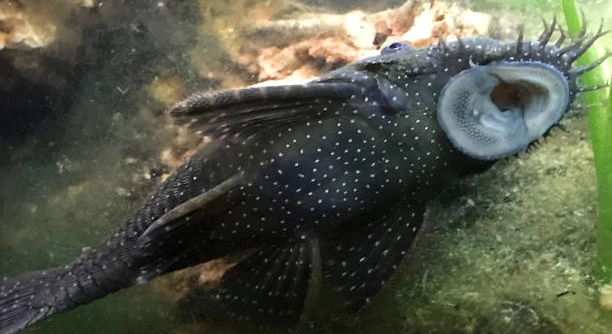
Do you ever find yourself watching your pleco swim slowly across the tank and wondering if everything in its environment is just right? Maintaining a healthy tank is essential for their well-being and longevity.
Performing quick tests for pleco tank health helps ensure water parameters, temperature, and cleanliness are within safe ranges. These tests allow early detection of harmful conditions, supporting the fish’s growth, behavior, and overall vitality in a controlled aquatic environment.
Knowing which tests to perform and how often can make a noticeable difference in your pleco’s health and comfort. This guide will help you keep your tank in optimal condition.
Water Temperature Check
Maintaining the correct water temperature is essential for plecos. They thrive in temperatures between 72°F and 82°F, and even small fluctuations can cause stress. Sudden drops or rises in temperature may weaken their immune system, making them more susceptible to disease. Using a reliable aquarium thermometer allows you to monitor temperature consistently. If the water is too cold, plecos may become sluggish and stop eating, while excessively warm water can reduce oxygen levels and increase metabolic stress. Regularly checking the heater and thermometer ensures the environment remains stable. Seasonal changes or heating malfunctions can create unexpected shifts, so it’s important to verify readings daily. Adjusting gradually when necessary prevents shock. Plecos are sensitive to sudden changes, so small corrections over time are better than rapid adjustments. Consistency in temperature contributes significantly to their activity levels, feeding habits, and overall health.
A stable water temperature supports proper digestion, activity, and immune function. Minor changes can have major effects over time.
Keeping temperature within the ideal range is simple with daily checks and careful adjustments. It allows plecos to feed, grow, and swim normally, reducing stress-related health risks.
Water pH and Hardness
Testing pH and hardness helps maintain a balanced environment. Plecos prefer slightly acidic to neutral water, usually between 6.5 and 7.5, with moderate hardness.
Regular testing provides insight into chemical imbalances that can affect gill function, appetite, and general health. Using test kits weekly can identify shifts caused by water source, substrate, or decorations. Changes in pH can stress plecos, leading to lethargy or disease. Hardness impacts their ability to process nutrients and maintain proper bone and scale health. Adjusting pH slowly with buffers or water changes avoids shocking the fish. Monitoring mineral content ensures their habitat stays supportive. Observing water clarity alongside chemical tests provides additional clues. Balancing pH and hardness is part of keeping a tank stable and sustainable. Consistency prevents sudden health issues and allows plecos to thrive. Regular record-keeping helps spot trends, making interventions proactive rather than reactive. Over time, maintaining these levels improves growth, coloration, and activity. Proper management reduces the risk of algae overgrowth and bacterial blooms, keeping the tank environment clean and healthy.
This approach ensures plecos live in water that suits their natural preferences, enhancing overall vitality.
Ammonia and Nitrite Levels
High ammonia or nitrite can be toxic to plecos. Regular testing ensures levels remain at zero, preventing stress, gill damage, and illness.
Even small amounts of ammonia can irritate gills and reduce oxygen uptake, causing lethargy or loss of appetite. Nitrite interferes with blood’s ability to carry oxygen, creating similar health risks. Frequent water changes and careful monitoring of feeding habits help maintain safe levels. Using biological filtration supports beneficial bacteria that break down harmful compounds. Observing fish behavior alongside chemical tests can reveal hidden issues before they become severe. Keeping both ammonia and nitrite at zero provides a stable environment for growth and proper metabolic function.
Proper management of ammonia and nitrite ensures plecos remain active and healthy. Testing kits and consistent maintenance routines make it manageable. Prevention through monitoring is far easier than treating stress-related illness caused by poor water quality.
Water Clarity and Debris
Cloudy water or excessive debris affects pleco health. Clear, well-filtered water promotes normal behavior and feeding.
Debris accumulation can reduce oxygen levels and encourage bacterial growth, which may trigger infections. Routine siphoning of substrate, removal of uneaten food, and cleaning decorations prevent buildup. Mechanical filters help capture floating particles, while biological filtration keeps beneficial bacteria active. Observing water color and odor provides additional clues about tank conditions. Plecos often forage along the bottom, so debris can interfere with natural feeding patterns. Regular partial water changes maintain clarity while reducing dissolved waste compounds. Light circulation from the filter prevents stagnant areas and supports gas exchange at the surface. Avoid overfeeding to minimize leftover food, which decomposes quickly and clouds water. Consistency in cleaning routines supports pleco health by reducing stress and promoting proper oxygenation.
Maintaining clear water with minimal debris allows plecos to move freely, feed effectively, and remain in optimal condition. It also makes observation of their health easier.
Oxygen Levels
Adequate oxygen is vital for plecos. Low oxygen can cause gasping at the surface, lethargy, and stress.
Aeration through filters, air stones, or surface agitation helps maintain proper oxygen levels. Observing pleco behavior can indicate when adjustments are needed.
Filter Function
A working filter keeps water clean and supports beneficial bacteria. Regular inspection prevents clogs and ensures proper flow. Cleaning or replacing media as needed maintains effectiveness.
Tank Decorations and Hiding Spots
Plecos need hiding spaces to feel secure. Rocks, driftwood, and plants provide shelter, reduce stress, and encourage natural behavior.
FAQ
How often should I test my pleco tank water?
Testing should be done at least once a week for ammonia, nitrite, nitrate, pH, and hardness. More frequent checks are necessary after adding new fish, changing decorations, or adjusting the water chemistry. Regular testing ensures early detection of potential issues, preventing stress or illness.
What is the ideal water temperature for plecos?
Plecos thrive between 72°F and 82°F. Consistency is key, as sudden fluctuations can stress the fish. Using a reliable thermometer and monitoring daily helps maintain stable conditions, supporting proper feeding, activity, and overall health. Gradual adjustments are safer than rapid changes.
How can I lower ammonia or nitrite levels quickly?
Partial water changes, proper feeding, and maintaining a strong biological filter are the most effective ways. Avoid overfeeding, as leftover food decomposes and increases these compounds. Frequent testing ensures levels return to zero, reducing stress and promoting recovery.
Why is pH important for plecos?
Plecos prefer slightly acidic to neutral water, typically 6.5–7.5. Incorrect pH can affect metabolism, digestion, and overall health. Adjusting pH gradually using buffers or partial water changes maintains a stable environment and reduces the risk of illness.
How often should I clean the tank?
Routine cleaning includes removing uneaten food, vacuuming substrate, and checking decorations. Weekly partial water changes keep water clear and debris minimal, while preventing buildup of harmful compounds. Mechanical and biological filtration supports cleaner water between maintenance sessions.
What should I do if the water is cloudy?
Cloudy water often indicates excess debris or bacterial blooms. Siphon the substrate, remove uneaten food, clean decorations, and ensure filters are working correctly. Maintaining proper filtration and avoiding overfeeding prevent repeated cloudiness.
Do plecos need hiding spots?
Yes, plecos require shelters like driftwood, rocks, and plants. Hiding spots reduce stress, provide security, and encourage natural behavior. Observing their activity shows whether they are comfortable and using the spaces effectively.
How do I know if oxygen levels are sufficient?
Plecos with adequate oxygen swim actively and feed regularly. Gasping at the surface or lethargy indicates low oxygen. Improving aeration with air stones, filters, or surface agitation helps maintain proper levels, especially in heavily stocked tanks.
Can I use tap water for my pleco tank?
Tap water is acceptable if treated with a dechlorinator and monitored for pH, hardness, and chemicals. Testing before use ensures safe conditions, and regular water changes maintain stability. Always allow water to reach the proper temperature before adding it to the tank.
How can I tell if my pleco is stressed?
Signs include hiding excessively, loss of appetite, clamped fins, and lethargy. Poor water quality, temperature fluctuations, and inadequate hiding spots are common causes. Addressing these factors promptly improves their comfort and reduces the risk of illness.
Is it necessary to quarantine new plecos?
Quarantining new fish for two to four weeks helps prevent disease introduction. Monitoring health, testing water parameters, and observing behavior during quarantine ensures the main tank remains safe and stable.
What type of food supports pleco health?
Plecos benefit from algae wafers, vegetables like zucchini or cucumber, and occasional protein sources. Balanced nutrition maintains growth, coloration, and activity. Removing uneaten food prevents water quality issues and reduces stress on the fish.
How often should I replace filter media?
Replace mechanical media when clogged, usually every few weeks. Biological media should be cleaned gently in tank water to preserve beneficial bacteria. Proper maintenance ensures effective filtration and a stable environment for plecos.
Can plecos tolerate other fish in the tank?
Plecos are generally peaceful but may compete for food or space. Choosing compatible species and providing enough hiding spots ensures harmony. Observing interactions helps prevent aggression and reduces stress.
What should I do if pleco behavior changes suddenly?
Behavioral changes often indicate stress, illness, or water quality issues. Test water parameters immediately, check temperature, oxygen, and filtration, and observe for physical symptoms. Early intervention improves recovery chances and prevents long-term health problems.
How do I maintain proper hardness levels?
Monitor calcium and magnesium concentrations with test kits. Adjust hardness gradually using mineral supplements or water changes to support pleco metabolism and scale development. Stable hardness prevents stress and promotes overall health.
Can overfeeding harm plecos?
Yes, overfeeding leads to leftover food, increasing ammonia and nitrite levels. Feed measured portions appropriate for the number and size of plecos, removing uneaten food promptly to maintain water quality and prevent digestive issues.
How can I prevent algae overgrowth?
Control light exposure, avoid overfeeding, and perform regular water changes. Plecos may eat some algae, but excessive growth indicates nutrient imbalance. Mechanical removal and filter maintenance help maintain a clean, healthy tank.
Are water conditioners necessary?
Water conditioners neutralize chlorine, chloramine, and heavy metals, making tap water safe. Using them consistently ensures a stable environment and protects gills and overall fish health.
What is the best way to observe pleco health daily?
Watch swimming patterns, feeding behavior, and coloration. Check fins and gills for signs of damage or stress. Routine observation allows early detection of potential problems and ensures a comfortable, thriving habitat.
How important is tank size for plecos?
Adequate tank size prevents overcrowding and stress. Larger tanks provide more oxygen, space to forage, and room for hiding spots. Proper sizing supports growth and reduces health issues caused by poor water quality or territorial conflicts.
What steps reduce stress during water changes?
Use gradual water replacement, match temperature and pH, and avoid sudden movements near the tank. This minimizes stress and allows plecos to adjust without affecting behavior or appetite.
How do I manage pleco growth over time?
Monitor tank size, filtration capacity, and feeding practices. As plecos grow, increase hiding spots and adjust water maintenance routines to accommodate larger biomass. Consistent observation ensures long-term health and comfort.
Why is consistent observation as important as testing?
Behavioral cues often reveal issues before chemical tests detect them. Observing appetite, activity, and social interactions helps identify problems early, allowing timely corrective actions that maintain pleco health.
How often should I change water completely?
Complete water replacement is rarely necessary. Regular partial changes of 20–30% weekly maintain stability, remove waste, and preserve beneficial bacteria, reducing stress and promoting a balanced environment.
What should I do if plecos stop eating?
Check water parameters, temperature, oxygen, and hiding spots. Stress or illness is often the reason. Offer varied food and ensure environmental conditions are optimal to encourage feeding behavior.
How do I keep plecos active and healthy long-term?
Maintain proper water parameters, provide hiding spots, feed a balanced diet, and observe behavior regularly. Consistent care and attention to both chemical and behavioral indicators support vitality, growth, and longevity in the tank.
How can I tell if a pleco is sick or injured?
Look for abnormal swimming, discoloration, fin damage, or unusual hiding. Early detection allows prompt treatment and prevents further health decline. Testing water and adjusting conditions often resolves minor issues.
Are plecos sensitive to lighting?
Plecos prefer low to moderate light. Bright lighting can stress them, causing hiding or reduced activity. Adjust lighting intensity and provide shaded areas to support natural behavior and comfort.
What role does driftwood play in pleco health?
Driftwood provides hiding spaces and natural grazing surfaces. Some plecos also rasp on wood for dietary fiber, supporting digestion and reducing stress in the tank environment.
How do I handle sudden water parameter changes?
Gradual correction is essential. Rapid shifts can shock plecos, affecting metabolism and immune function. Monitor changes closely and adjust over hours or days, not minutes, for safer outcomes.
Can plecos live with aggressive species?
Avoid aggressive or territorial fish, as they can stress plecos. Providing ample hiding spots and monitoring interactions helps maintain safety and reduces the risk of injury or stress-related illness.
What is the best approach for long-term tank maintenance?
Regular testing, consistent water changes, proper feeding, and observation create a stable environment. Addressing small issues quickly prevents major problems, ensuring plecos thrive throughout their lifespan.
How do I prevent disease outbreaks?
Quarantine new fish, maintain water quality, avoid overfeeding, and monitor health. Early detection of unusual behavior or physical changes reduces the risk of spreading infections and ensures a safe tank environment.
Can plecos tolerate different water sources?
Yes, if treated properly and adjusted for pH, hardness, and temperature. Consistent testing ensures conditions remain within safe ranges, minimizing stress and supporting long-term health.
Is filtration alone enough for tank health?
Filtration supports water quality but does not replace observation, partial water changes, or careful feeding. Combined maintenance practices ensure plecos remain active, healthy, and stress-free.
How do I know if my tank is overcrowded?
Signs include increased aggression, competition for food, poor water quality, and limited hiding space. Adjusting stocking levels and providing additional shelter reduces stress and supports proper growth.
What is the best way to introduce new plecos to an established tank?
Acclimate slowly using drip or float methods, maintain quarantine if possible, and provide hiding spots. Monitoring interactions ensures a smooth transition and reduces stress.
Can plecos adapt to minor water fluctuations?
They tolerate minor changes if gradual, but sudden shifts can cause stress, illness, or reduced appetite. Consistent monitoring and gradual adjustments maintain stability and overall health.
How do I prevent algae buildup affecting plecos?
Limit light exposure, feed responsibly, and maintain regular water changes. Plecos may consume some algae, but mechanical removal and nutrient control prevent excessive growth that impacts water clarity and quality.
Why is consistent feeding important?
Balanced feeding supports growth, digestion, and energy levels. Overfeeding or irregular meals can lead to poor water quality, stress, and digestive issues, reducing pleco health and vitality.
What signs indicate a thriving pleco?
Active swimming, bright coloration, regular feeding, and use of hiding spots indicate a healthy, comfortable pleco. Observing these behaviors confirms that water parameters and care practices are effective.
How important is tank location?
Avoid direct sunlight, drafts, or areas with frequent disturbances. A stable environment reduces stress and supports normal behavior, feeding, and growth.
Can plecos live with multiple species?
Yes, with careful selection. Peaceful tank mates, sufficient space, and hiding spots minimize stress and ensure all fish thrive without competition or aggression.
How do I maintain long-term water stability?
Consistent testing, regular partial changes, proper feeding, and filter maintenance keep water parameters stable. Gradual adjustments prevent stress and support the plecos’ overall health and longevity.
What should I do if water tests show sudden spikes?
Immediately identify the source, such as overfeeding, decaying matter, or filtration issues. Perform partial water changes, monitor closely, and adjust conditions gradually to restore stability.
How do I handle pleco health emergencies?
Isolate affected fish if necessary, test water, and address environmental factors first. Prompt observation and intervention reduce mortality risk and support recovery.
Are plecos affected by seasonal changes?
Temperature and light shifts can influence metabolism and activity. Adjust heating, aeration, and lighting to maintain stable conditions year-round.
How can I encourage natural foraging behavior?
Provide driftwood, rocks, and plants. Scatter food in multiple locations to mimic natural grazing, keeping plecos active and reducing stress from competition.
What are the most common causes of pleco stress?
Poor water quality, overcrowding, sudden environmental changes, inadequate hiding spots, and incompatible tank mates. Addressing these factors helps maintain consistent health and activity levels.
How do I monitor long-term growth?
Track size, weight, and behavior regularly. Adjust tank size, feeding, and maintenance practices as plecos grow to support proper development and prevent stress.
Can plecos live in community tanks?
Yes, if water parameters are compatible and sufficient hiding spots are provided. Observing interactions ensures peaceful cohabitation and reduces stress or aggression.
How often should I replace water conditioner?
Use according to product instructions with every water change. Consistent treatment ensures safe tap water conditions and protects plecos from harmful chemicals.
Is lighting important for algae control?
Yes, limiting light reduces excessive algae growth. Balanced lighting supports plant health while minimizing stress from bright exposure for plecos.
How do I maintain a stress-free tank environment?
Provide hiding spots, stable water parameters, moderate lighting, compatible tank mates, and regular observation. Consistency reduces stress and supports overall pleco well-being.
What is the best way to detect illness early?
Monitor behavior, appetite, swimming patterns, and physical condition. Early detection allows timely intervention, preventing long-term health issues.
How can I prevent injuries in the tank?
Avoid sharp decorations, overcrowding, and aggressive species. Providing soft hiding spots and observing interactions reduces physical stress and supports safe activity.
Are plecos affected by water flow?
Moderate flow helps oxygenation and waste removal. Too strong a current can cause stress, while stagnant areas reduce oxygen levels. Adjust flow for comfort and health.
How often should I check filter performance?
Inspect weekly to ensure proper flow and remove debris. Regular maintenance maintains water quality and supports a stable, healthy environment for plecos.
Can plecos tolerate different lighting cycles?
They prefer consistent day-night cycles. Sudden or irregular changes can stress them, affecting feeding and behavior. Gradual adjustments support natural rhythms.
How do I manage pleco waste?
Regular substrate cleaning, partial water changes, and filter maintenance remove excess waste. Reducing debris prevents harmful chemical buildup and keeps the tank clean.
What are the signs of good water quality?
Clear water, normal fish behavior, active feeding, and absence of foul odors indicate a healthy environment. Regular testing confirms stability.
How do I maintain proper tank temperature year-round?
Use a reliable heater, monitor daily, and adjust gradually during seasonal changes. Stable temperatures support feeding, activity, and immune function in plecos.
Can plecos survive brief power outages?
Short outages are usually tolerated if oxygen levels remain sufficient. Longer periods require aeration or backup systems to prevent stress or suffocation.
How do I reduce risk of infections?
Maintain water quality, avoid overcrowding, quarantine new fish, and observe health regularly. Early action prevents the spread of disease and keeps plecos healthy.
What is the best way to handle pleco stress from handling?
Minimize direct handling, use gentle nets if necessary, and return the fish quickly to water. Stress from handling can affect appetite, behavior, and immune response.
How do I encourage healthy social behavior?
Provide sufficient space, hiding spots, and compatible tank mates. Observe interactions to prevent aggression, ensuring a calm and balanced environment.
Are plecos sensitive to chemical additives?
Yes, some additives can disrupt water chemistry or harm gills. Always follow instructions carefully and avoid unnecessary treatments unless addressing a specific issue.
How often should I monitor pleco behavior?
Daily observation allows early detection of stress, illness, or environmental issues. Noting small changes in activity or appetite prevents serious problems from developing.
What is the best approach to long-term pleco care?
Consistent testing, stable water parameters, balanced diet, suitable tank size, and regular observation maintain health, growth, and activity throughout their life span.
How do I keep plecos comfortable in community tanks?
Provide hiding spots, monitor interactions, maintain water quality, and avoid aggressive species. Balanced conditions reduce stress and support natural behavior.
Can plecos adapt to minor environmental changes?
Yes, gradual adjustments allow adaptation. Sudden changes in temperature, pH, or oxygen can cause stress and health problems. Monitoring and slow corrections are essential.
What should I do if a pleco becomes lethargic?
Check water parameters, oxygen, temperature, and hiding spaces. Observe for illness or stress factors. Adjust conditions gradually and provide optimal food to encourage recovery.
Are plecos affected by overcrowding?
Yes, overcrowding increases stress, reduces hiding spaces, and lowers water quality. Providing sufficient space and proper tank management ensures healthier, more active fish.
How do I maintain a balanced diet?
Offer vegetables, algae wafers, and occasional protein. Monitor consumption, remove leftovers, and adjust portions to prevent overfeeding and maintain water quality.
What is the role of regular water changes?
Partial water changes remove waste, maintain chemical balance, and prevent buildup of harmful compounds. Consistency supports overall health and reduces stress in plecos.
How can I detect water parameter trends over time?
Keep records of pH, temperature, hardness, ammonia, nitrite, and nitrate. Tracking trends allows proactive adjustments and prevents sudden changes that could harm plecos.
How important is substrate maintenance?
Cleaning substrate removes waste, prevents toxic buildup, and supports healthy foraging behavior. Siphon regularly to maintain a safe, clean environment.
How do I prevent plecos from becoming stressed in new tanks?
Acclimate slowly, provide hiding spots, monitor water parameters, and avoid overcrowding. Gradual adjustments reduce stress and encourage normal behavior.
What are the common signs of water quality problems?
Cloudiness, odors, abnormal fish behavior, and lethargy indicate poor water quality. Testing and maintenance address underlying issues promptly.
How can I support pleco immune health?
Maintain stable water, provide proper diet, reduce stress, and avoid overcrowding. Healthy conditions and consistent care strengthen immune response.
Are plecos affected by tank vibrations or noise?
Excessive vibrations or loud sounds can stress plecos, affecting feeding and activity. Placing the tank in a quiet, stable area minimizes disturbances.
How do I balance algae control with pleco diet?
Plecos consume some algae, but controlling light and nutrients prevents overgrowth. Supplement their diet with vegetables and wafers to ensure proper nutrition.
What is the impact of uneven filtration?
Uneven flow creates stagnant areas with low oxygen, increasing stress and promoting waste buildup. Adjust filters to maintain consistent circulation.
Can plecos tolerate fluctuating light cycles?
They prefer consistent day-night periods. Sudden changes can cause stress and alter feeding or hiding behavior. Gradual adjustments support natural rhythms.
How do I maintain long-term tank cleanliness?
Regular substrate cleaning, partial water changes, filter maintenance, and debris removal prevent toxic buildup. Consistency keeps plecos healthy and the environment stable.
What is the best way to monitor pleco health daily?
Observe swimming patterns, feeding behavior, coloration, and fin condition. Early detection of changes allows intervention before issues escalate.
**How do I prevent plecos from competing
Maintaining a healthy pleco tank requires attention to multiple aspects, from water quality to tank setup. Regular testing of parameters like ammonia, nitrite, nitrate, pH, and hardness ensures that conditions remain safe and stable. Temperature control is equally important, as plecos are sensitive to sudden changes that can stress them and affect their feeding and activity. Consistent monitoring allows small adjustments before problems escalate, helping plecos stay active and healthy. Filters, aeration, and proper cleaning routines all contribute to a stable environment, supporting both the biological balance of the tank and the overall well-being of the fish. Skipping these steps can lead to stress, illness, or reduced lifespan, so maintaining a steady routine is essential. Even minor changes in water chemistry or debris accumulation can have noticeable effects on pleco behavior and health.
Providing hiding spots, decorations, and natural surfaces is also crucial for their comfort. Plecos spend much of their time exploring the tank bottom or resting in shelters, and adequate hiding areas reduce stress and encourage natural behavior. Driftwood, plants, and rocks serve both functional and environmental purposes, giving the fish security while also contributing to tank aesthetics and water stability. In addition, feeding habits play a major role in maintaining overall health. A balanced diet, including vegetables, algae wafers, and occasional protein sources, ensures that plecos get the nutrients they need while preventing leftover food from polluting the water. Overfeeding or neglecting diet can quickly impact water quality, making consistent care and observation essential. Careful attention to their environment, combined with proper nutrition, supports long-term health, coloration, and growth.
Observation is an ongoing part of pleco care. Daily monitoring of behavior, activity, and appearance allows you to notice early signs of stress, illness, or environmental problems. Signs like lethargy, loss of appetite, abnormal swimming, or discoloration can indicate that water parameters, oxygen levels, or tank conditions need adjustment. Quarantining new fish, maintaining appropriate tank size, and ensuring compatible tank mates all help reduce stress and prevent disease. Simple preventive measures, like regular water changes, filter maintenance, and debris removal, go a long way in sustaining a healthy tank environment. Attention to these details, combined with a consistent maintenance routine, ensures that plecos can thrive in a comfortable and supportive habitat. Following these practices establishes a safe, balanced, and healthy space where plecos can live long, active lives.

Hello,
If you enjoy the content that we create, please consider saying a "Thank You!" by leaving a tip.
Every little bit helps us continue crafting quality advice that supports the health, happiness, and well-being of pets around the world, for pets of all shapes, sizes, and species.
We really appreciate the kindness and support that you show us!