
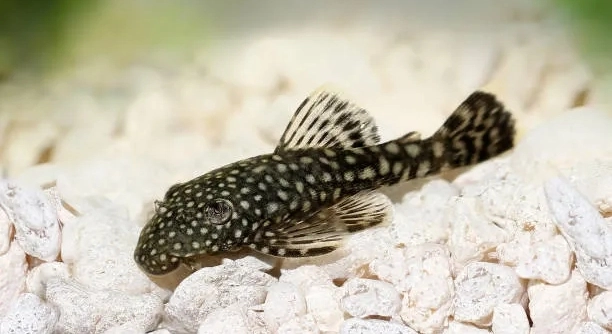
Have you ever worried that your pleco might feel stressed or unsafe in its tank? Creating a calm and comfortable home can help your peaceful bottom-dweller feel secure. Simple changes make a big difference daily.
Ensuring your pleco feels safe involves providing proper hiding spots, stable water conditions, and a low-stress environment. These factors help reduce anxiety, encourage natural behavior, and support healthy development, leading to a calm and secure aquarium life each day naturally.
By learning a simple tips, you can create a peaceful space where your pleco feels comfortable and confident every day.
Provide Safe Hiding Spaces
Plecos feel secure when they have quiet areas to retreat to, so adding hiding spaces is one of the most helpful things you can do. In my tanks, I always include smooth caves, driftwood, and plants that give my plecos room to rest without feeling exposed. Your fish needs places where it will not be watched all the time, especially during the day when it prefers low light. A mix of natural wood, rocks, and aquarium-safe decorations can make your tank feel more peaceful. Many plecos also enjoy squeezing into tight areas, so offering narrow tunnels can help them feel snug and calm. When your pleco has proper cover, it will explore more at night and stay relaxed during the day. Creating these safe spaces does not take much effort, yet it brings steady comfort and security. A pleco becomes confident when it knows it has a spot to relax.
Try placing multiple hiding spots throughout the tank instead of grouping them in one area, because plecos appreciate options. I find that mixing wood with a couple of sturdy plants makes the space feel natural and calm, helping the fish feel comfortable settling in at any time each day peacefully.
Avoid bright light, loud noises, or sudden movement near the tank, as plecos prefer a calm setting. I like using floating plants to soften lighting and keep the space peaceful. Soft substrate and gentle filtration also help your pleco relax. When the aquarium feels steady and inviting, your pleco will settle better and show healthy activity at night. Try adjusting the decor slowly if you notice your fish hiding constantly, since too many changes at once may cause stress. A peaceful environment truly supports calm behavior and steady growth for your gentle bottom-dweller in the tank daily without worry present.
Maintain Clean, Stable Water
Clean, stable water is essential for helping your pleco feel secure. Sudden shifts in temperature or chemistry create stress, so focus on keeping everything steady. A quiet, predictable tank lets your fish feel safe and act naturally, even if it tends to hide often throughout each calm day always gently.
Plecos thrive when water conditions remain consistent, so focus on steady care routines that support a peaceful habitat. Regular water changes help remove waste and maintain healthy levels of ammonia, nitrite, and nitrate. I prefer small weekly water changes instead of one large change, because gentle adjustments keep the environment calm. Make sure your filter runs properly and produces a smooth flow that does not overwhelm your pleco. Stable temperature matters too, since sudden highs or lows can create stress and affect breathing. Using a reliable heater and thermometer helps prevent temperature swings. Test water regularly to monitor pH and hardness, especially if your tap water varies. Peaceful lighting and a balanced filtration rate also support a calm atmosphere. If you notice cloudy water, excess algae, or unusual behavior, address the issue early before it becomes stressful for your fish. With steady attention, clean water brings comfort, encourages natural feeding habits, and helps your pleco stay healthy and relaxed every day in your care. Be patient and avoid rushing adjustments, because slow changes protect your pleco from shock and keep stress low. Over time, these consistent habits create a comforting space where your fish can live peacefully without disruptions discomfort.
Use Gentle Lighting
Plecos feel calmer when lighting is soft and not harsh. I keep my lights low and add floating plants or shaded areas so they can hide from brightness. Gentle lighting helps them rest during the day and explore confidently at night without stress.
Soft lighting creates a peaceful atmosphere that supports natural pleco behavior. Since they are mostly active at night, strong light can make them hide constantly and feel uneasy. I like using adjustable aquarium lights, so I can keep brightness low and avoid sudden changes. Floating plants, caves, and driftwood help break up light and create calm zones your pleco can slip into when it wants quiet. Watching your fish rest under gentle light can be comforting, and you will notice it becomes more active once the room darkens. By keeping light soft and stable, you help your pleco feel secure without overwhelming its sensitive nature each day.
Avoid long periods of intense light, because extended brightness may lead to stress and hiding. I recommend using a timer so lighting stays consistent, giving your pleco a clear daytime and nighttime cycle. This helps build a routine that makes them feel safe and comfortable. When lighting feels natural and predictable, your pleco settles, rests peacefully, and starts showing more comfortable behavior over time. Keeping the tank shaded in spots also encourages gradual movement rather than nervous darting. A steady and gentle lighting setup is one of the easiest ways to bring comfort.
Choose Peaceful Tank Mates
Plecos do best with calm tank mates. Aggressive fish can cause stress and make them hide constantly, so I prefer pairing plecos with gentle species that respect space and stay peaceful. A quiet community helps your pleco feel more secure daily without tension.
Selecting the right tank companions helps create a relaxed environment where your pleco can thrive. Peaceful fish like tetras, rasboras, and corydoras usually coexist well, as they don’t disturb bottom dwellers. Avoid fin-nippers or territorial species that may bother your pleco while it rests or grazes at night. Observing behavior is important, so I always watch new fish closely during the first few days to make sure the tank stays calm. If a fish starts chasing or crowding your pleco, it may be best to remove it before stress builds. A well-planned community makes your aquarium feel balanced, calm, and safe for your shy bottom-dweller to move freely and feel comfortable resting.
Give Them a Calm Feeding Routine
Plecos feel more secure when feeding is predictable. I like feeding mine at night when they naturally come out. Keeping the routine steady helps them feel safe and ready to eat without worry.
Offer sinking foods and occasional fresh vegetables so they can eat peacefully. Sudden changes or removing food too quickly can cause stress, so stay gentle and consistent when feeding daily.
Avoid Sudden Tank Changes
Sudden changes in decor or layout can make plecos nervous. I move things slowly and avoid big rearrangements unless needed. A familiar space helps them feel settled and prevents hiding from stress. Gradual shifts help maintain calm behavior and comfort over time.
Provide Smooth Surfaces for Resting
Plecos enjoy resting on smooth rocks, driftwood, and broad leaves. I always add a few comfortable surfaces for lounging. This gives them quiet spots to relax, feel secure, and stay calm throughout the day.
FAQ
How do I know if my pleco is stressed?
A stressed pleco often hides more than usual, stops eating, or moves erratically at night. I notice mine sometimes cling to decorations or hide constantly when water conditions are off or the tank is too bright. Watching their normal routine helps identify stress early.
Can plecos feel safe with other fish in the tank?
Yes, but only with peaceful species. I keep mine with calm bottom dwellers or small community fish. Aggressive or territorial fish can make plecos hide and feel insecure. Ensuring space and hiding spots helps maintain peace in a shared tank.
How often should I change the water?
Small, consistent water changes are best. I do about 20–25% weekly to maintain clean and stable conditions. Large, sudden water changes can stress plecos. Regular monitoring of ammonia, nitrite, and nitrate keeps the tank safe and predictable.
What kind of hiding spots do plecos need?
Plecos need a mix of caves, driftwood, and dense plants. I provide multiple spots at different areas of the tank. Narrow spaces and smooth surfaces help them feel secure. Too few hiding spots can lead to constant hiding or stress.
Should I worry about lighting affecting my pleco?
Yes. Bright or sudden lighting can make plecos anxious. I use dim lights or floating plants to soften brightness. Soft, consistent lighting encourages resting during the day and natural activity at night, reducing stress and creating a calm environment.
Is temperature important for pleco safety?
Absolutely. Sudden shifts in temperature can stress them. I use a reliable heater and thermometer to keep water steady. Stable warmth helps plecos eat, rest, and explore confidently. Even a few degrees change can affect their behavior noticeably.
Can feeding routines affect my pleco’s sense of safety?
Yes. Plecos feel more secure when feeding is predictable. I feed mine at night with sinking foods and occasional vegetables. Consistency helps them trust the environment and encourages regular eating without stress or hiding during meal times.
What decorations work best for a safe pleco tank?
Smooth driftwood, rocks, and broad-leafed plants create comfort. I avoid sharp edges that could injure them. Multiple zones let plecos choose where to rest, which builds confidence. A well-arranged tank prevents overcrowding and reduces stress from feeling exposed.
How do I introduce a new pleco or fish safely?
I quarantine new arrivals first and add them slowly to the main tank. Gradual introduction prevents stress and fights over space. Providing plenty of hiding spots ensures both old and new plecos feel secure. Observation during the first days is crucial to spot tension early.
Can plecos feel safe if the tank is too noisy?
No. Vibrations, tapping, or loud equipment can stress plecos. I place my tanks in quiet areas and minimize sudden disturbances. Gentle filtration and calm surroundings help them explore and rest comfortably without constant fear.
How do I know if my tank setup is working?
If your pleco hides less, eats consistently, and shows natural behaviors at night, the setup is working. I watch mine closely during feeding and rest times. A calm, active pleco is usually a sign the tank environment supports safety and comfort.
Can plecos feel secure in a small tank?
They can, but space must include multiple hiding spots and smooth surfaces. I make sure even smaller tanks have caves, driftwood, and plants to give plecos options. Limited space without cover can increase stress and hiding behavior.
Do plecos need nighttime darkness to feel safe?
Yes. I turn off bright lights at night to mimic natural conditions. Darkness encourages feeding and normal exploration. Continuous light can make plecos hide and feel anxious, while gentle darkness helps them feel safe and behave naturally.
How long does it take for plecos to adjust to a new tank?
Adjustment usually takes several days to a few weeks. I give mine quiet space, consistent water conditions, and stable lighting. Hiding spots help them gain confidence. Patience is key, as rushing changes can cause stress or refusal to eat.
Can diet affect my pleco’s sense of safety?
Yes. Proper nutrition supports calm behavior. I provide algae wafers, vegetables, and occasional protein. A varied diet ensures energy and comfort, while poor nutrition can weaken them, increasing stress and hiding tendencies.
What signs show my pleco finally feels secure?
A secure pleco explores freely at night, eats without hesitation, and rests openly during the day. I notice mine moves confidently across the tank and interacts with hiding spaces only as needed. Calm, natural behavior is the clearest sign of comfort.
Are there any environmental factors besides water and lighting that affect safety?
Yes. Tank location, noise, and vibrations all matter. I place my tank in a low-traffic area and minimize tapping or sudden movements. A predictable, calm environment combined with proper care encourages my pleco to feel safe consistently.
How often should I check on my pleco’s safety habits?
Daily observation is best. I watch behavior during feeding, resting, and nighttime activity. Early detection of stress signs allows adjustments in lighting, water, or tank layout before anxiety becomes a bigger issue. Regular checks support long-term security.
Is it necessary to provide multiple hiding spots for one pleco?
Yes. Even a single pleco benefits from options. I arrange caves, driftwood, and plants across the tank. Multiple choices reduce competition and allow the fish to feel secure wherever it prefers, encouraging natural activity and reducing stress levels.
How can I gradually make my pleco feel more comfortable with me?
Patience and gentle interaction work best. I feed near the same spot, avoid sudden movements, and let the pleco approach on its own. Consistent, calm behavior shows the pleco that the environment is safe, gradually building trust and confidence.
What is the best way to handle stress during water changes?
Small, gradual water changes are safest. I avoid large shifts in temperature or chemistry, and add water slowly to prevent shock. Providing hiding spots and keeping movements gentle reduces anxiety, allowing plecos to feel secure while maintenance is completed.
Can adding plants improve pleco safety?
Yes. Plants provide shade, cover, and extra hiding spots. I include both floating and rooted plants to create zones of comfort. The natural cover helps plecos feel protected and reduces stress from bright lights or active tank mates.
Do plecos prefer certain substrates for feeling safe?
Smooth sand or fine gravel works best. I avoid sharp or rough substrates that could injure them. Soft surfaces encourage resting and grazing, giving the pleco a secure place to explore without fear of injury or stress.
How do I adjust the tank if my pleco is constantly hiding?
Check water quality, lighting, tank mates, and hiding options. I slowly rearrange decorations or add extra caves to reduce stress. Gradual changes, rather than sudden shifts, encourage confidence and help plecos feel safe over time in their environment.
Are nightly behaviors important for assessing safety?
Yes. Active nighttime feeding and exploration show comfort. I watch my pleco at night to gauge if it feels secure. Hesitation, constant hiding, or erratic movement can indicate stress, signaling a need for adjustments in the tank setup or environment.
Can plecos recognize a stable environment over time?
Yes. I notice mine becomes more confident and explores freely when conditions remain consistent. Predictable water quality, lighting, and tank layout allow them to develop a sense of security and reduce hiding or anxious behaviors.
Does the size of the pleco affect how much hiding it needs?
Generally, larger plecos need bigger hiding spots, while smaller ones benefit from narrower caves. I adjust decorations according to size to ensure they can rest comfortably and feel safe. Properly sized areas reduce stress and allow natural movement.
How long should plecos rest during the day?
They usually rest throughout daylight hours. I observe mine settling in shaded areas or caves. Consistent daytime rest in secure spaces helps them maintain energy and feel safe for nighttime activity. Adequate resting areas are key to overall comfort.
Can overfeeding affect my pleco’s sense of safety?
Yes. Overfeeding can lead to poor water quality, which increases stress. I feed measured portions and remove uneaten food to keep water clean. A predictable, balanced feeding routine supports calm behavior and helps plecos feel secure.
What are signs that plecos feel completely safe in the tank?
They explore confidently, eat without hesitation, rest openly, and interact naturally with decorations. I notice a calmer demeanor, smoother swimming, and consistent nighttime activity. These behaviors show that the pleco trusts the environment and feels secure in its space.
How do I keep the tank safe during maintenance?
Move slowly, avoid sudden movements, and keep water changes small. I maintain hiding spots during cleaning and adjust lights gently. A calm approach prevents stress and helps plecos feel secure even during necessary upkeep.
Can temperature fluctuations at night affect pleco safety?
Yes. I monitor heaters to prevent drops during cooler nights. Consistent temperature ensures plecos continue natural feeding and resting behaviors. Sudden changes can cause hiding, lethargy, or stress, so steady warmth is essential for safety.
Is it important to separate aggressive fish immediately?
Yes. If a tank mate harasses your pleco, I separate them quickly. Immediate action prevents stress and injury. Providing secure hiding spots and observing behavior ensures the pleco remains comfortable and avoids unnecessary tension in the tank.
Do plecos ever outgrow their hiding spots?
Yes. I check regularly and replace caves or decorations with larger options as needed. Properly sized hiding spaces allow them to rest comfortably and feel safe, which supports healthy activity and reduces stress in the tank.
Can water flow affect a pleco’s sense of security?
Yes. Strong currents may make them hide or struggle. I adjust filters to create gentle flow and provide calm zones. Smooth water movement lets plecos rest, feed, and explore comfortably without fear of being pushed or stressed.
How do I encourage a shy pleco to come out?
I maintain stable water, provide multiple hiding spots, and feed consistently. I avoid sudden movements and let them explore at their own pace. Gradual exposure to the environment builds confidence, helping the pleco feel safe while exploring naturally.
Is it okay to add multiple plecos in the same tank?
Yes, if the tank is large enough and offers plenty of hiding spots. I space caves and driftwood evenly to reduce competition. Multiple plecos can coexist peacefully if each has secure areas to retreat when needed.
How important is consistency in tank care?
Very. I follow steady feeding, water changes, and lighting schedules. Predictability reduces stress, helps plecos feel safe, and encourages natural behaviors. Sudden deviations can cause hiding or anxiety, so consistent care is essential for long-term comfort.
Can noise from outside the tank affect plecos?
Yes. Vibrations, loud music, or tapping can startle them. I place my tank in a quiet area and minimize disturbances. Calm surroundings support confidence and help plecos feel secure, allowing normal feeding and resting behavior.
Do plecos react to human presence?
They notice movement but often stay hidden if nervous. I keep interactions slow and predictable. Over time, plecos may approach gradually when they feel safe, especially during feeding times, showing increased trust in the environment.
Can changes in water pH affect pleco safety?
Yes. I test pH regularly and adjust slowly if needed. Sudden changes can stress plecos and make them hide. Maintaining a stable pH creates a safe environment and supports overall health and comfort.
Are soft surfaces necessary for resting areas?
Yes. Smooth rocks, driftwood, and broad leaves prevent injury and create comfort. I ensure resting areas are easy to cling to and provide security. Soft surfaces reduce stress and encourage natural, relaxed behavior.
How do I know if my pleco is thriving?
Active nighttime behavior, calm daytime resting, regular eating, and healthy appearance all indicate thriving. I observe these patterns consistently. A pleco that feels safe shows confidence, explores its tank, and uses hiding spots appropriately.
Can sudden decorations frighten plecos?
Yes. I introduce new items gradually, allowing them to explore at their own pace. Abrupt changes can cause hiding or stress. Gradual adjustments help plecos feel safe and maintain confidence in their environment.
How often should I test water parameters?
Weekly testing is ideal. I monitor ammonia, nitrite, nitrate, pH, and hardness to ensure stability. Regular checks prevent stress from unsafe water and keep plecos feeling secure and healthy in the tank.
Can plecos feel safe with bright overhead lighting?
Not usually. I prefer dim lighting or shaded areas. Bright lights can cause hiding, stress, and erratic swimming. Soft, consistent lighting helps plecos rest comfortably during the day and feed naturally at night.
How important are multiple feeding spots for safety?
Very. I scatter food in different areas to reduce competition and allow shy plecos to eat safely. Multiple feeding zones encourage calm behavior and reduce stress, helping them feel secure while exploring or grazing in the tank.
Does aquarium size affect pleco confidence?
Yes. Larger tanks with sufficient hiding spots give plecos more options. I ensure each fish has space to rest and explore. Adequate room reduces competition, allows natural behaviors, and supports a sense of security.
How do I calm a pleco after water testing?
I return it to a quiet area, avoid sudden movements, and maintain gentle lighting. Observation and patience let it settle. Calm handling and consistent care help restore a sense of safety quickly after disturbances.
Are floating plants beneficial for pleco safety?
Yes. I use floating plants to reduce brightness, create shaded areas, and provide extra cover. This makes plecos feel more secure, encouraging natural resting and exploration behavior in a peaceful environment.
Can plecos become too comfortable with humans?
Some may become confident enough to eat near you, but most prefer hiding at first. I let them approach gradually. Trust builds slowly with gentle care and predictable routines, enhancing their sense of safety over time.
Do plecos feel safer with natural decorations?
Yes. Driftwood, smooth rocks, and real plants replicate natural habitats. I find plecos use these features for hiding, resting, and grazing. Natural decor encourages comfort and reduces stress, supporting secure behavior.
Is it necessary to rotate hiding spots?
Occasionally. I change arrangements slowly to keep the tank interesting but avoid sudden shifts. Gentle rotation helps plecos explore without losing confidence or feeling threatened by abrupt environmental changes.
Can plecos sense water movement changes?
Yes. I adjust filters carefully to avoid strong currents. Plecos prefer calm areas for resting. Smooth, steady water flow reduces stress and maintains comfort in the tank.
What’s the best way to introduce new hiding spots?
Add one item at a time and observe behavior. I place new caves or driftwood gradually. This prevents stress and helps plecos feel safe while exploring new areas at their own pace.
Do plecos benefit from nighttime feeding?
Yes. Feeding at night matches natural habits. I provide sinking foods and vegetables when lights are low. This routine encourages activity, reduces stress, and supports a sense of safety in their habitat.
How do I handle water changes without stressing plecos?
I use small weekly changes, move water slowly, and keep hiding spots intact. Gentle handling ensures plecos stay calm and feel secure during maintenance. Consistency is key to minimizing stress during water updates.
Can plecos recognize repeated patterns?
Yes. I notice mine responds to consistent feeding times and tank routines. Predictable schedules reduce stress, increase confidence, and encourage natural behaviors, reinforcing a sense of safety.
How can I tell if hiding spots are sufficient?
Plecos should rest comfortably without crowding or constant hiding. I observe movement, feeding, and resting areas. If fish still seem nervous, adding more caves or shaded areas usually helps them feel secure.
Do plecos prefer caves over plants?
Both are important. I provide a mix, as caves offer tight security while plants give shade and cover. Combining them creates a balanced, safe environment where plecos can rest, explore, and feed naturally.
Is it normal for plecos to hide most of the day?
Yes, especially during daylight. I ensure plenty of shaded hiding spots, as plecos are nocturnal. Limited exposure reduces stress and encourages comfort in their safe spaces until nighttime activity begins.
Can stress affect pleco coloration?
Yes. Pale or dull colors may indicate stress. I monitor water quality, lighting, and tank mates. Adjusting these factors usually helps restore vibrant coloration and reinforces a sense of security.
Do plecos need extra care when introducing new fish?
Yes. Quarantine, gradual introductions, and ample hiding spots reduce stress. I observe interactions carefully. Proper preparation helps maintain calm, safe conditions for both new and existing plecos in the tank.
How do I prevent aggressive behavior from tank mates?
Choose peaceful species, provide enough space, and monitor interactions. I separate any fish that chase or crowd plecos. A calm community reduces stress, allowing plecos to feel secure and behave naturally.
Can plecos adapt to different tank layouts?
Yes, gradually. I rearrange decorations slowly to avoid sudden stress. Plecos explore new areas at their own pace, and over time they adjust while still feeling safe.
How can I tell if plecos are comfortable at night?
Active grazing, exploring, and smooth swimming indicate comfort. I watch behavior patterns after lights dim. Calm nighttime activity shows plecos feel secure and confident in their environment.
Are plecos sensitive to vibrations?
Yes. I keep tanks away from heavy foot traffic or appliances. Excess vibration can cause hiding or stress. A stable environment with minimal disturbances improves overall security and comfort.
Can plecos become stressed from overhandling?
Yes. I avoid unnecessary handling and use gentle methods during maintenance. Frequent disturbance can lead to hiding, erratic swimming, or refusal to eat. Limited handling helps maintain a sense of safety.
Is water hardness important for pleco comfort?
Yes. I monitor GH and KH levels to ensure stability. Sudden changes in hardness can stress plecos and affect behavior. Consistent water chemistry supports a calm and secure environment.
Do plecos prefer shaded areas even at night?
Some still use partial shade to feel secure. I leave caves and plants available. These spots allow plecos to rest or explore at their own pace without feeling fully exposed, maintaining comfort.
How do I know if a pleco is eating confidently?
Active grazing on algae wafers or vegetables shows comfort. I observe feeding patterns and note if the pleco comes out of hiding. Confident eating indicates reduced stress and a sense of safety in the tank.
Are plecos stressed by loud equipment?
Yes. Strong filters, pumps, or air stones can startle them. I choose quieter equipment or reduce flow in
Final Thoughts
Creating a safe and comfortable environment for your pleco is essential for its overall well-being. Plecos are sensitive fish that rely on predictable conditions and secure spaces to feel relaxed. Providing hiding spots like caves, driftwood, and plants helps them reduce stress and encourages natural behaviors. Smooth surfaces and quiet areas allow plecos to rest without worry, while multiple hiding zones give them choices to retreat when needed. Even simple adjustments, like arranging decorations carefully or adding extra plants, can make a noticeable difference in how your pleco interacts with its tank. By observing your pleco closely, you can identify signs of stress early and make changes to support a more secure environment. Consistency is key, and small, steady efforts often have a greater impact than occasional large adjustments.
Maintaining stable water conditions is another crucial factor in helping your pleco feel safe. Sudden changes in temperature, pH, or water chemistry can cause stress, so small weekly water changes and careful monitoring are important. Gentle filtration and minimal water movement prevent your pleco from becoming anxious or hiding constantly. Lighting also plays a role in comfort, as plecos prefer dim or soft lighting that mimics natural conditions. By combining proper water maintenance with appropriate lighting, hiding spots, and careful placement of decorations, you create an environment that supports calm, natural behavior. Feeding routines also contribute to a sense of safety. Providing sinking foods, fresh vegetables, and consistent feeding times allows plecos to trust their environment and feel confident while eating. Over time, these habits reinforce security and encourage more active, natural behaviors in your pleco.
Finally, it is important to remember that patience and observation are key when caring for plecos. They adjust slowly to changes and need time to explore new spaces or adapt to tank mates. Avoid sudden rearrangements, aggressive fish, or abrupt changes in lighting or water quality, as these can increase stress and make your pleco retreat more often. By focusing on gentle, consistent care and providing multiple secure areas for rest and exploration, your pleco will gradually become more confident and active. Observing its nighttime activity, feeding behavior, and interactions with the tank environment will show you how secure it feels. Over time, careful attention to water conditions, hiding spots, feeding routines, and calm surroundings will ensure your pleco lives comfortably, demonstrating natural behaviors and enjoying a sense of safety in its tank. A secure environment not only supports health but also encourages a peaceful and balanced aquarium where your pleco can thrive.

Hello,
If you enjoy the content that we create, please consider saying a "Thank You!" by leaving a tip.
Every little bit helps us continue crafting quality advice that supports the health, happiness, and well-being of pets around the world, for pets of all shapes, sizes, and species.
We really appreciate the kindness and support that you show us!