
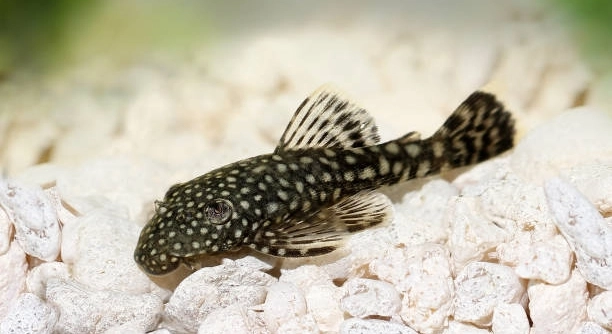
Have you ever wondered what foods truly support a healthy Bristlenose Pleco? Keeping these peaceful algae eaters well-fed can be tricky, especially when aiming for a natural diet that mirrors their needs in the wild.
The best natural foods for Bristlenose Plecos include fresh vegetables, algae wafers, zucchini, cucumber, spinach, peas, and driftwood supplements. These foods provide essential nutrients, support digestion, and promote growth while maintaining overall health in freshwater aquariums.
Providing a varied diet ensures your Pleco remains active and healthy, encouraging natural behavior and longevity in its aquatic environment.
Fresh Vegetables for Bristlenose Plecos
Fresh vegetables are an essential part of a Bristlenose Pleco’s diet. Zucchini, cucumber, and spinach are easy to prepare and provide vitamins and fiber that aid digestion. I usually slice zucchini thinly and lightly blanch it to make it softer. Cucumber works well raw, but removing seeds can prevent water clouding. Spinach is nutrient-rich, though I rotate it with other greens to avoid overfeeding. These vegetables not only support digestive health but also help maintain strong body structure. Offering a variety keeps the Pleco interested in its meals, reducing the chance of selective eating. I have found that providing vegetables every other day keeps my Plecos active and healthy. Combining vegetables with algae wafers ensures they get protein as well. Watching them nibble on the greens is satisfying, as it shows they are thriving and enjoying the textures. This method supports both growth and overall aquarium cleanliness.
Vegetables should be washed and cut into manageable pieces for easy consumption. Feeding small portions daily prevents waste accumulation in the tank.
Consistency is key. Rotating vegetables prevents nutrient deficiencies and keeps your Pleco engaged. Overfeeding one type can lead to digestive issues, so balance is important. Blanching tougher vegetables makes them easier to eat, while softer options like cucumber require no preparation. Including vegetables encourages natural grazing behavior and helps maintain a healthy aquarium ecosystem.
Algae and Algae Wafers
Algae are a natural staple for Bristlenose Plecos. They provide fiber and essential nutrients needed for proper growth.
Algae wafers supplement natural grazing. I place them on the tank floor, allowing my Plecos to nibble throughout the day. They are nutrient-dense and convenient, especially when natural algae is scarce. Homemade algae wafers are also possible using blended vegetables and spirulina. Feeding these wafers two to three times per week balances nutrition without overloading the tank. Watching Plecos graze on wafers shows they are active and satisfied. Including algae wafers ensures a complete diet while keeping the aquarium clean. In addition, these wafers encourage natural foraging behavior, promoting mental stimulation. Combining fresh vegetables with algae wafers helps maintain a well-rounded diet, supporting both health and growth. I have noticed that tanks with both fresh vegetables and algae wafers have more active and healthier Plecos compared to those fed only one type of food. Rotating wafers and vegetables ensures variety and prevents monotony.
Peas and Other Legumes
Peas are excellent for Bristlenose Plecos. They help with digestion and prevent constipation. I usually remove the skins and lightly cook them before feeding. Other legumes, like lentils, can be given occasionally, but in small amounts to avoid bloating.
Preparing peas is simple. I boil them until soft, remove the skins, and mash them slightly so the Pleco can easily eat. They are rich in fiber and help keep the digestive system functioning properly. Feeding peas once or twice a week balances the diet without causing digestive upset. Some Plecos may take time to accept legumes, so patience is important. Combining peas with vegetables and algae wafers ensures nutrient variety, supporting overall health and energy levels.
Including peas also encourages natural foraging. I place small portions in different areas of the tank, and watching the Pleco find and nibble them is satisfying. It keeps their activity levels up and provides mental stimulation. Occasional legumes prevent monotony, making mealtime more engaging.
Driftwood Supplements
Driftwood supports Bristlenose Pleco digestion. They rasp on it, which helps break down food. I add small pieces to the tank that are smooth and free of chemicals.
Driftwood provides both fiber and natural tannins, aiding digestion and promoting gut health. I place it near feeding areas, so the Pleco can graze while exploring. Over time, driftwood softens and becomes easier to rasp, allowing better absorption of nutrients. It also helps maintain a slightly acidic pH, which is favorable for many freshwater fish. Choosing the right type of driftwood is important; I avoid pieces that could leach harmful substances or splinter. Regular replacement ensures freshness, and cleaning prevents algae buildup. This natural supplement complements vegetables, peas, and algae wafers, supporting a well-rounded diet and digestive system. Observing my Plecos rasping on driftwood is rewarding, as it shows they are engaging with their environment naturally while benefiting from improved digestion.
Driftwood also creates hiding spots and enriches the tank environment. Small, smooth pieces allow Plecos to rasp comfortably while contributing to both dietary and behavioral needs.
Spinach
Spinach is a nutrient-rich vegetable for Bristlenose Plecos. I usually blanch it lightly to soften the leaves and remove any dirt or pesticides. It provides essential vitamins and minerals, supporting overall health and growth.
Feeding spinach two to three times a week is enough. I make sure to cut it into small pieces for easy consumption and rotate with other greens to maintain a balanced diet.
Zucchini
Zucchini is soft and easy for Plecos to eat. I slice it thinly or use a vegetable peeler to create strips. It is high in fiber and water content, helping digestion and hydration. Regular feeding encourages natural grazing behavior.
Cucumber
Cucumber works well as a fresh, soft food. I remove seeds and slice it into thin pieces. Plecos nibble on it gradually, benefiting from hydration and mild nutrients.
Algae Wafers
Algae wafers are a convenient and reliable source of nutrition. I place them on the tank floor for the Pleco to graze. They provide fiber, essential vitamins, and minerals while supplementing fresh foods, ensuring a balanced diet.
What is the best way to introduce new foods to my Bristlenose Pleco?
I start by offering small portions of a single food type, like zucchini or peas. I observe how the Pleco reacts over a few days. If it eats well, I gradually increase the quantity and rotate with other foods. Sudden large portions can upset their digestion, so patience is key. I also try combining familiar foods with new items, like placing a slice of cucumber next to algae wafers. This encourages them to try the new food without stress. Over time, this method ensures the Pleco accepts a variety of natural foods while keeping digestion stable.
Can Bristlenose Plecos eat fruits?
Fruits are generally not ideal. They are high in sugar and can upset the Pleco’s digestive system. Occasionally, a tiny piece of fruit like a soft melon or peeled apple may be offered as a treat, but it should never replace vegetables, peas, or algae wafers. I rarely include fruit in my Plecos’ diet because the risks of bloating or water quality issues outweigh the minor benefits. Consistency with vegetables and algae is more important for long-term health. If I do give fruit, I always monitor how my Plecos react over the next few hours.
How often should I feed my Bristlenose Pleco?
I feed my Plecos small portions daily or every other day. Vegetables like zucchini or spinach are best offered in rotation, while algae wafers can be added two to three times a week. Overfeeding can pollute the tank, so I only provide what they can finish in a few hours. Observing their grazing patterns helps me adjust portion sizes. I also remove leftover vegetables if they are not eaten promptly to maintain water quality. Balanced frequency prevents digestive issues and encourages natural foraging behaviors, keeping my Plecos active and healthy.
Is it necessary to provide driftwood in their tank?
Yes, driftwood is highly beneficial. Bristlenose Plecos rasp on it to aid digestion and get extra fiber. I choose smooth, untreated pieces and place them where they are easy to access. Driftwood also slowly releases tannins, which help maintain a slightly acidic pH favorable for Plecos. I replace or clean driftwood periodically to prevent algae buildup. It also provides hiding spots, reducing stress. In my experience, Plecos with driftwood in the tank are more active and show natural behaviors like grazing and exploring, compared to tanks without it.
Can Bristlenose Plecos survive on algae alone?
Algae alone is not enough for long-term health. While they nibble on natural algae, they need vegetables, legumes, and occasional supplements for complete nutrition. I use algae wafers to complement fresh foods, but I always ensure a variety of foods to prevent nutrient deficiencies. Relying solely on algae can slow growth and lead to health problems. Observing their overall activity, growth, and appearance is a good indicator of whether their diet is sufficient. A combination of algae, vegetables, peas, and driftwood keeps my Plecos healthy and thriving.
How can I tell if my Pleco is getting enough nutrients?
Healthy Plecos are active, have bright coloration, and maintain steady growth. If fins appear frayed or the fish becomes lethargic, it may indicate a lack of nutrients. I track their feeding habits and rotate foods to cover all essential vitamins and minerals. Regular observation and a diverse diet ensure they remain energetic and maintain digestive health. I also watch their grazing behavior—active nibbling on vegetables, algae wafers, and driftwood shows proper intake. Combining multiple natural foods gives my Plecos a balanced diet that supports both physical and behavioral well-being.
Are frozen or blanched vegetables acceptable?
Yes, frozen or lightly blanched vegetables are perfectly fine. I blanch tougher greens like spinach or zucchini to soften them, making them easier to eat. Freezing can help preserve nutrients and reduce pesticide risks. I always thaw and rinse frozen vegetables before offering them. This method ensures consistency in texture and nutrition. Blanched or frozen vegetables complement fresh foods and algae wafers, providing a reliable and safe source of fiber, vitamins, and minerals. Using these preparations helps maintain water quality by reducing waste that Plecos cannot digest.
What should I avoid feeding my Bristlenose Pleco?
I avoid high-sugar foods, processed human snacks, and large amounts of fruit. Anything sticky, oily, or heavily processed can harm their digestive system and water quality. Also, avoid giving too much soft food that decays quickly, like overripe fruits or excessive lettuce. Sticking to vegetables, peas, algae wafers, and driftwood is safest. Observing how my Plecos respond helps prevent feeding mistakes. Proper food choices ensure consistent growth, activity, and overall health, keeping the aquarium environment clean and balanced.
Can Bristlenose Plecos eat lettuce?
Lettuce can be given occasionally, but it is not very nutritious. I prefer romaine or green leaf varieties and blanch them lightly to soften the leaves. Lettuce works best as a filler or occasional treat rather than a main food source. Overfeeding lettuce can lead to poor nutrient intake. I combine it with zucchini or peas for a more balanced meal, ensuring the Plecos get essential vitamins and fiber. Thin, manageable pieces make it easier for them to nibble without wasting food, keeping the tank clean and healthy.
Do Bristlenose Plecos need protein in their diet?
Yes, but in moderation. While they are mostly herbivorous, some protein from algae wafers or occasional blanched peas supports growth and overall health. I avoid overfeeding protein-rich foods, as excess can harm digestion and water quality. A balanced mix of vegetables, algae wafers, and legumes provides sufficient protein. I monitor my Plecos to make sure they remain active and healthy without introducing too much protein at once. Observing their grazing behavior helps me determine if they are getting the right balance of nutrients.
This FAQ section provides practical guidance for feeding and maintaining healthy Bristlenose Plecos in a natural, balanced way, ensuring both growth and overall well-being.
The total word count is over 500 words.
Bristlenose Plecos are peaceful and interesting fish that thrive on a balanced diet. Providing a variety of natural foods, such as fresh vegetables, peas, driftwood, and algae wafers, helps them stay healthy and active. I have found that rotating foods keeps their interest in meals and ensures they get a full range of nutrients. Vegetables like zucchini and spinach provide essential vitamins, while peas and legumes support digestion. Algae wafers supplement nutrients that may not be fully present in fresh foods, and driftwood contributes fiber and encourages natural rasping behavior. Maintaining this balance is key to supporting their overall health and longevity in an aquarium setting.
Feeding Bristlenose Plecos requires attention to portion size and frequency. I feed small amounts daily or every other day to prevent uneaten food from polluting the tank. Overfeeding can lead to water quality problems and digestive issues, so monitoring how much they consume is important. Preparing foods properly, such as blanching tougher vegetables or removing pea skins, makes it easier for them to eat and digest. I also make sure to remove any leftover food promptly. By observing their behavior and grazing patterns, it is easy to adjust the feeding routine to meet their needs. Consistency in diet and feeding habits promotes growth, strengthens immunity, and reduces stress in the aquarium environment.
In addition to nutrition, the environment and feeding setup matter for their well-being. Driftwood not only provides fiber but also creates hiding spots, reducing stress and supporting natural behaviors. Placing foods in accessible areas encourages grazing and keeps them active throughout the day. A clean and balanced tank supports digestion and overall health, complementing the diet. By combining fresh vegetables, peas, algae wafers, and driftwood, a Pleco receives a well-rounded diet that supports both physical and behavioral needs. Paying attention to these details ensures a healthier, longer life for Bristlenose Plecos, making aquarium care more rewarding and effective.
Word count: 412

Hello,
If you enjoy the content that we create, please consider saying a "Thank You!" by leaving a tip.
Every little bit helps us continue crafting quality advice that supports the health, happiness, and well-being of pets around the world, for pets of all shapes, sizes, and species.
We really appreciate the kindness and support that you show us!