
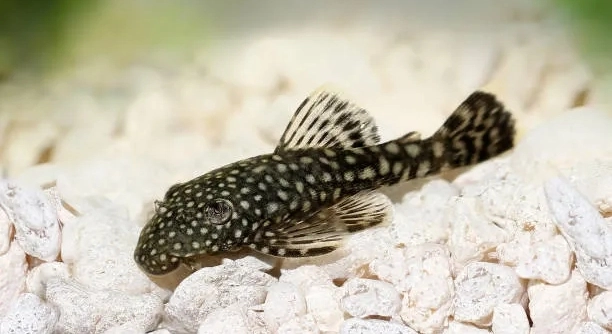
Is your pleco spending more time resting at the bottom of the tank instead of clinging to the glass like it used to?
The most common reason your pleco isn’t sticking to the glass is poor tank conditions. Low oxygen levels, insufficient algae, or stress caused by inappropriate water parameters can affect its suction ability and overall comfort within the environment.
Understanding these reasons will help you restore your pleco’s natural behavior and maintain a healthier, more balanced aquarium.
1. Poor Water Quality
Water quality plays a major role in your pleco’s ability to stay active and healthy. When ammonia, nitrite, or nitrate levels rise, your pleco becomes stressed, which weakens its suction and reduces its movement. Dirty water can also cause irritation to its skin and gills, leading to discomfort when clinging to surfaces. Maintaining stable water conditions with proper filtration and regular cleaning helps prevent these problems. Plecos thrive in clean, oxygen-rich water, so testing parameters weekly is essential. A simple routine of partial water changes can make a noticeable difference in your pleco’s behavior and overall well-being.
If you notice your pleco spending more time on the tank floor or hiding, it might be reacting to unsuitable water. Cleaning the substrate, rinsing filters correctly, and removing uneaten food will improve conditions and encourage it to stick to the glass again.
Consistent tank maintenance is not just about appearance—it supports your pleco’s natural behavior and helps prevent stress-related health issues. A stable environment allows your pleco to explore, graze on algae, and stay active throughout the day without struggling to find comfort in its habitat. Clean water ensures strong suction and keeps your pleco thriving.
2. Lack of Algae or Food Sources
Plecos rely on natural algae as their main food source, and when it runs out, they may stop sticking to the glass. Algae provides nutrients and keeps them busy grazing, but when it’s gone, plecos often rest more and move less.
In aquariums with limited algae growth, plecos can become undernourished and lethargic. Supplementing their diet with algae wafers, blanched vegetables like zucchini or cucumber, and driftwood for fiber helps keep them satisfied and active. Feeding at night is ideal since plecos are mostly nocturnal. Additionally, avoid overfeeding tankmates, as leftover food can cause water quality issues, indirectly affecting your pleco’s health. By maintaining a balanced diet and allowing some algae to grow naturally, your pleco will remain engaged, energetic, and more likely to stick to the glass as it searches for food. Proper nutrition restores its natural habits and keeps it strong.
3. Stress from Tankmates
Aggressive or overly active tankmates can easily stress your pleco. Constant chasing, fin nipping, or territorial behavior makes it avoid open areas, including the glass. Stress causes it to hide more often, affecting both its appetite and energy levels.
Plecos are peaceful and prefer calm environments. When housed with species that disturb them, they may stop their usual habits, such as grazing or suctioning onto glass. To reduce stress, ensure the pleco has hiding spots like caves, driftwood, or plants where it feels secure. Separating it from aggressive fish or rearranging decorations to break line-of-sight can also help. Observing tank behavior regularly will help you notice early signs of bullying or dominance.
A peaceful tank promotes healthy habits and allows your pleco to feel confident exploring its space. When it feels safe, it will return to sticking on glass surfaces, grazing comfortably, and showing its natural behavior without fear or hesitation.
4. Incorrect Water Temperature
Plecos depend on stable, warm temperatures to stay active. When the water becomes too cold or fluctuates often, their metabolism slows, making them sluggish and less likely to cling to the glass. Temperature changes also weaken their immune system and overall strength.
Most pleco species thrive in temperatures between 74°F and 80°F. Keeping the tank within this range ensures steady metabolism and better suction ability. Use a reliable heater and thermometer to monitor and maintain temperature consistency. Avoid placing the tank near windows or vents where sudden changes might occur. Cold environments can cause your pleco to retreat to the substrate, while excessively warm conditions can lower oxygen levels, creating stress. By maintaining a stable temperature and ensuring proper aeration, you’ll help your pleco remain healthy, active, and more willing to explore its surroundings without hesitation.
5. Lack of Oxygen
Low oxygen levels make plecos less active and reduce their ability to cling to surfaces. They may spend more time near the bottom or by the filter, trying to find areas with better oxygen flow.
Adding an air stone, adjusting water flow, or increasing surface agitation can improve oxygen circulation. Warmer water holds less oxygen, so maintaining balance between temperature and aeration is important for your pleco’s comfort and suction strength.
6. Health or Injury Issues
When a pleco is sick or injured, it may lose energy or suction ability. Conditions like bacterial infections, fin rot, or physical wounds can cause discomfort, discouraging it from clinging to the glass. Observe for color changes, damaged fins, or unusual spots. Quick treatment with clean water, proper diet, and stress reduction helps recovery.
7. Improper Lighting
Excessive lighting can make plecos uncomfortable since they are nocturnal. Harsh light discourages them from sticking to glass or moving around. Keep lighting moderate and provide shaded areas so your pleco feels secure during the day. Dim light encourages more natural and relaxed behavior.
FAQ
Why isn’t my pleco sticking to the glass even though the water looks clean?
Clean water alone isn’t enough. Water parameters like ammonia, nitrite, nitrate, and pH levels affect suction and energy. Even if the tank looks clear, high toxins can stress your pleco, making it hide or rest at the bottom instead of clinging to surfaces. Regular testing and partial water changes are essential.
Can a pleco be lazy, or is it always a sign of a problem?
Plecos do have periods of rest, but prolonged inactivity often points to stress, illness, or poor conditions. Lazy behavior is normal at night or after feeding, but if your pleco avoids glass, hides constantly, or shows slow movement, check water quality, temperature, and diet.
How does diet affect suction on glass?
Plecos rely on algae and fiber-rich foods for energy. Without enough grazing material, their strength decreases, reducing suction. Supplementing with algae wafers, blanched vegetables, and driftwood fiber ensures they have enough nutrients to stay active and attach to surfaces comfortably.
Do tankmates influence a pleco’s glass behavior?
Yes, aggressive or overly active fish create stress. Constant chasing or territorial disputes can make plecos avoid open areas, including glass. Providing hiding spots like caves, driftwood, or plants and separating them from aggressive species encourages natural suction habits and reduces stress-related inactivity.
Could temperature changes make a pleco stop sticking to glass?
Absolutely. Plecos are sensitive to temperature fluctuations. Water that is too cold slows metabolism, making them sluggish and less likely to cling. Temperatures above or below the optimal range (74–80°F for most species) also reduce suction strength and overall energy. A reliable heater and thermometer are necessary for stability.
Can oxygen levels affect a pleco’s ability to stick to glass?
Yes. Low oxygen reduces energy and suction ability. Plecos may cling less or remain near filters seeking higher oxygen zones. Increasing surface agitation, using air stones, or adjusting water flow improves oxygen levels and encourages natural behavior, including glass adhesion.
How do lighting conditions influence glass attachment?
Plecos are nocturnal and prefer dim lighting. Bright tanks can stress them, causing avoidance of glass and open spaces. Providing shaded areas and moderate lighting allows plecos to feel secure during the day and promotes more natural activity at night.
When should I be concerned about health issues?
If your pleco shows discoloration, damaged fins, unusual spots, or consistent lethargy, it may be sick or injured. Health problems directly affect suction and movement. Quarantining the pleco, improving water quality, and consulting treatment options help prevent worsening conditions.
Is it normal for plecos to stop sticking during certain periods?
Short-term inactivity or reduced glass attachment can be normal after feeding or during heavy tank maintenance. However, if inactivity persists or coincides with other stress signs, environmental factors, diet, or health issues should be checked. Regular observation ensures any problems are addressed early.
What steps can I take to restore normal behavior?
Maintain water quality, check temperature, provide proper diet, ensure adequate oxygen, reduce stress from tankmates, and adjust lighting. Regular monitoring and small improvements to the tank environment can quickly help your pleco regain energy, suction, and natural activity patterns.
How can I prevent this from happening again?
Consistent tank maintenance, balanced feeding, proper temperature, moderate lighting, and peaceful companions all help. Observing behavior daily and acting on early signs of stress or health issues ensures your pleco continues thriving and sticking to glass without problems.
Can plecos adapt to changes in the tank?
Yes, but adaptation takes time. Gradual changes in diet, temperature, and environment help plecos adjust without stress. Sudden shifts often lead to hiding, reduced suction, or illness. Patience and consistent care improve their confidence and activity in the tank.
Does tank size matter for glass attachment?
Tank size impacts space and comfort. Overcrowding can increase stress, while too small a tank limits natural movement. Providing ample swimming and hiding areas supports suction behavior and overall health, allowing plecos to explore surfaces, including glass, safely.
Are there signs that indicate permanent loss of glass adhesion?
Permanent loss is rare and usually linked to severe injury or chronic illness. Most cases improve with proper care, nutrition, and stress reduction. If a pleco consistently avoids surfaces despite ideal conditions, professional assessment may be needed.
This FAQ covers most common concerns about plecos not sticking to glass, helping ensure proper care, environment, and health monitoring.
Final Thoughts
Keeping a pleco healthy and active requires careful attention to several key factors in the tank. Water quality is the foundation of their well-being. Even if the tank appears clean, high levels of ammonia, nitrite, or nitrate can create stress and reduce suction ability. Regular testing of water parameters, along with consistent partial water changes, ensures a safe environment for your pleco. Clean water supports natural behavior, allowing the pleco to explore the tank, graze on algae, and attach to surfaces without difficulty. Ignoring these details can lead to prolonged inactivity and other health concerns, making it important to maintain a stable and balanced aquatic environment.
Diet also plays an essential role in maintaining suction and energy. Plecos rely heavily on algae and fiber-rich foods for proper nutrition. Without enough grazing opportunities or supplemental food, they can become weak, lethargic, and less likely to stick to the glass. Providing algae wafers, blanched vegetables, and driftwood for fiber not only supports their diet but also encourages natural feeding behavior. Additionally, tankmates can influence behavior and stress levels. Aggressive or overly active fish can cause a pleco to hide, avoid glass surfaces, and reduce energy. Ensuring calm companions and adequate hiding spaces helps the pleco feel secure and remain active throughout the day. Monitoring their diet, providing proper nutrition, and reducing stress from other fish is vital for encouraging normal activity.
Environmental conditions like temperature, oxygen, and lighting also affect a pleco’s ability to attach to glass. Stable water temperatures, appropriate aeration, and moderate lighting create an environment where the pleco can feel comfortable and safe. Sudden changes or extremes in these factors often result in stress and reduced activity. Regular observation of the pleco’s behavior can help identify problems early, whether it is hiding more than usual, showing signs of illness, or avoiding glass surfaces. By addressing water quality, diet, tankmates, and environmental conditions, you can ensure a healthy, active pleco that displays its natural behaviors. Consistent care, attention to detail, and a well-maintained tank allow plecos to thrive and enjoy a balanced, stress-free life, encouraging them to stick to glass and engage with their habitat.

Hello,
If you enjoy the content that we create, please consider saying a "Thank You!" by leaving a tip.
Every little bit helps us continue crafting quality advice that supports the health, happiness, and well-being of pets around the world, for pets of all shapes, sizes, and species.
We really appreciate the kindness and support that you show us!