
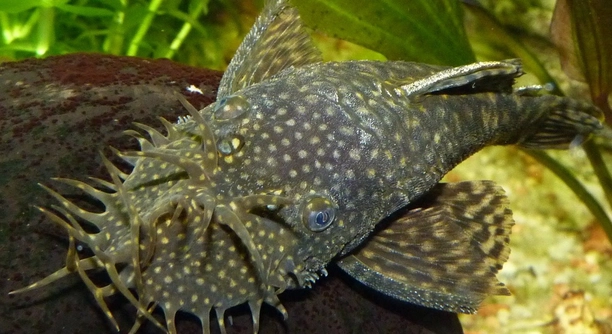
Are your plecos showing signs of aggression, nipping at tank mates or dominating feeding times? Observing such behavior can be worrying for any aquarist. Understanding their habits and environment is key to maintaining a peaceful aquarium.
Addressing aggressive behavior in plecos requires evaluating tank conditions, territorial needs, and compatibility with other fish. Adjusting hiding spots, feeding schedules, and water parameters can reduce stress, prevent injury, and promote balanced interactions within the aquarium ecosystem.
Properly managing aggression ensures a healthier environment for all fish, protecting both plecos and their tank companions over time.
Understanding Pleco Aggression
Aggression in plecos often stems from territory disputes, overcrowding, or competition for food. These fish are naturally protective of their space, especially as they grow larger. Tank layout matters a lot—without enough hiding spots or visual barriers, plecos can feel stressed and react aggressively toward other inhabitants. Water quality also plays a role; poor conditions can heighten irritability. Diet impacts behavior as well. Plecos that are underfed or lack variety may act out during feeding times. Observing their patterns closely over several days helps identify triggers. Different species have different temperaments, so knowing your pleco’s specific traits can guide you in creating a calmer environment. Changes in lighting, tank decorations, or the addition of new fish can also cause temporary aggression. Addressing these factors thoughtfully will support peaceful cohabitation and reduce frequent conflicts in your aquarium.
Aggression is rarely random. Most of the time, environmental adjustments and careful observation can reduce stress and protect other fish.
Managing aggression requires consistent monitoring. Adjusting hiding spaces, feeding times, and water parameters gradually allows plecos to establish territory without constant confrontation.
Adjusting the Aquarium Environment
Providing ample hiding spaces is essential. Plecos need caves, driftwood, and plants to feel secure.
Careful tank adjustments can prevent ongoing stress. Start by evaluating your tank size and decoration layout. Crowded aquariums exacerbate conflicts, so consider whether the current setup provides enough territory for each pleco. Adding driftwood, rocks, and dense plants creates natural barriers, giving fish areas to retreat and reducing direct competition. Monitor water parameters closely; stable temperature, pH, and ammonia levels help maintain calm behavior. Feeding should be frequent but controlled, offering a mix of algae wafers, vegetables, and occasional protein sources to satisfy dietary needs. Observe interactions daily and rearrange décor if repeated aggression occurs. For highly aggressive species, temporary separation may be necessary until they adjust. Over time, a well-structured environment encourages natural behavior and minimizes stress, allowing plecos to coexist peacefully with other tank inhabitants while keeping the aquarium balanced and healthy.
Feeding Strategies to Reduce Aggression
Proper feeding reduces competition and prevents nipping incidents. Plecos require a balanced diet with both plant-based and occasional protein foods.
Providing multiple feeding spots helps minimize conflicts. Spread algae wafers, blanched vegetables, and occasional protein across different areas of the tank. This ensures dominant plecos do not monopolize food and allows less aggressive fish to eat. Monitor feeding times to avoid overfeeding, which can degrade water quality and create stress. Some plecos prefer nocturnal feeding, so offering food in the evening may reduce daytime aggression. Adjusting portion sizes and feeding frequency according to species and tank population keeps all fish nourished while maintaining a calmer environment. Consistency and observation are key.
Observing behavior during feeding provides insight into social hierarchies. Aggressive plecos often chase or block others, signaling dominance. Adding more hiding spots near feeding areas can ease tension. Rotating decorations occasionally can prevent territorial fixation. Avoid introducing too many new foods at once, as plecos can become defensive if their routine is disrupted. Gradual adjustments, combined with consistent monitoring, reduce aggression and encourage natural feeding patterns. Healthy, well-fed plecos are calmer and more likely to coexist peacefully with tank mates over time.
Temporary Separation and Observation
Separating aggressive plecos can protect other fish and reduce stress. Temporary partitions or separate tanks work well.
When aggression becomes severe, isolating a particularly dominant pleco allows calmer fish to recover without injury. Use transparent dividers or small quarantine tanks to maintain visibility while preventing attacks. Observe behavior closely during separation to determine if the pleco’s aggression decreases over time. Temporary separation also provides an opportunity to assess dietary needs, water parameters, and environmental enrichment without constant interference. Reintegration should be gradual, ensuring both the aggressive and less dominant fish can adjust. This strategy is especially useful for new additions or species prone to territorial disputes.
Isolation periods are most effective when paired with environmental adjustments. Rearranging tank décor, adding hiding spots, and maintaining proper water conditions ensures plecos return to a calmer environment. During separation, monitor feeding, activity levels, and stress indicators. Introduce visual cues like plants or floating objects to help fish acclimate slowly. Gradual reintegration allows aggressive plecos to coexist without repeated attacks, fostering harmony and minimizing long-term stress. Combining separation with careful observation and environmental improvements ensures a healthier, more balanced aquarium for all inhabitants.
Choosing Compatible Tank Mates
Selecting fish that tolerate plecos’ territorial nature reduces conflict. Avoid overly aggressive or slow-moving species that may be stressed.
Community fish that occupy different water levels or have fast escape responses tend to coexist better. Observing interactions early can prevent long-term injuries and maintain balance.
Monitoring Water Quality
Stable water parameters reduce stress-induced aggression. Keep temperature, pH, and ammonia levels within species-specific ranges. Regular testing and partial water changes prevent buildup of harmful substances, ensuring plecos remain calm and healthy. Maintaining consistent conditions supports natural behavior and minimizes disputes over territory or resources.
Environmental Enrichment
Adding driftwood, rocks, and plants provides hiding spots and visual barriers. These elements help plecos establish territories safely and reduce stress.
FAQ
Why is my pleco suddenly aggressive?
Plecos can become aggressive due to stress, overcrowding, or changes in their environment. Even small adjustments, such as moving decorations or introducing new fish, can trigger territorial behavior. Health issues or poor water conditions may also contribute, causing irritability and defensive actions. Observing patterns over several days helps identify the cause.
How can I tell if aggression is normal or a problem?
Some chasing or mild nipping is typical, especially during feeding or when establishing territory. Problematic aggression involves frequent attacks, visible injuries on other fish, or prolonged chasing that limits access to food or hiding spots. Consistent monitoring and noting any escalation is essential.
Can tank size influence aggression?
Yes, plecos require adequate space to claim their own territory. Crowded tanks limit hiding spots and increase encounters, which can intensify aggression. Larger tanks with multiple hiding areas help reduce conflict and give each fish room to settle.
What are the best hiding spots for plecos?
Plecos feel secure with caves, driftwood, and dense plants. Vertical and horizontal spaces allow them to rest, hide, and avoid confrontations. Providing multiple options prevents a single fish from dominating the tank, reducing territorial disputes and stress.
Should I change the feeding routine?
Yes, consistent feeding helps reduce competition. Offering multiple feeding locations, spacing out portions, and including a mix of vegetables, algae wafers, and occasional protein ensures all fish receive adequate nutrition. Some plecos prefer nighttime feeding, which can help minimize daytime aggression.
When is temporary separation necessary?
Separation is useful if aggressive plecos repeatedly injure others or dominate food. Use dividers or quarantine tanks to isolate the aggressive fish while maintaining visibility. Gradual reintegration, combined with environmental adjustments, allows calmer coexistence.
Do water conditions affect behavior?
Absolutely. Fluctuating temperature, high ammonia, or pH swings stress plecos, increasing irritability. Maintaining stable conditions through regular water tests, partial water changes, and proper filtration is crucial for reducing aggression.
Can species mix affect aggression?
Yes, some pleco species are naturally more territorial. Mixing with incompatible or slow-moving fish may worsen aggression. Researching species-specific temperaments before adding new tank mates helps prevent conflict.
Will rearranging decorations help?
Occasionally, yes. Changing tank layout can prevent territorial fixation, allowing plecos to establish new boundaries. Ensure sufficient hiding spaces remain after rearrangement. Gradual adjustments minimize stress and reduce repeated aggressive encounters.
How long does it take for aggression to decrease?
With proper feeding, environmental adjustments, and observation, aggression usually declines over days to weeks. Some highly territorial species may remain occasionally aggressive, so ongoing monitoring and maintaining stable conditions are essential.
Can overfeeding cause aggression?
Indirectly. Overfeeding can pollute water and increase stress, which may trigger aggressive behavior. Balanced portions, consistent feeding schedules, and proper nutrition help maintain calm interactions.
Is it okay to have multiple plecos in one tank?
It depends on species and tank size. Some plecos tolerate cohabitation if there is enough space and hiding spots. Larger tanks with carefully arranged décor and monitoring help reduce conflicts and allow multiple plecos to coexist.
How do I know if a pleco is stressed?
Signs include frequent hiding, reduced activity, excessive nipping, or refusal to eat. Stress can escalate aggression. Observing behavior alongside water quality and environmental factors helps identify causes and guide interventions.
Can aggression cause long-term damage to other fish?
Yes. Repeated attacks may result in injuries, fin damage, or infections. Prompt intervention through feeding strategies, tank adjustments, or temporary separation minimizes harm and protects the overall health of the tank.
Is aggression seasonal or related to breeding?
In some species, breeding periods increase territoriality. Males may guard chosen areas or caves aggressively. Recognizing breeding patterns helps distinguish natural behavior from chronic stress-induced aggression.
How do I reintroduce an aggressive pleco safely?
Gradual reintegration works best. After separation, rearrange decorations and provide ample hiding spots. Introduce the pleco slowly while monitoring interactions. Adjust feeding and environmental conditions to minimize conflict and allow peaceful coexistence.
Are there signs of improvement to watch for?
Yes. Reduced chasing, calmer feeding sessions, and less frequent territorial disputes indicate progress. Consistent monitoring and maintaining stable conditions help sustain positive behavior and long-term peace in the tank.
Can diet alone fix aggression?
Diet helps, but it is rarely the sole solution. Proper nutrition reduces competition and stress, but environmental adjustments, tank size, species compatibility, and water quality are equally important for controlling aggression.
What is the best overall strategy?
Combine consistent feeding, stable water conditions, sufficient hiding spots, and careful monitoring. Adjust the environment as needed and consider temporary separation if required. Over time, these steps promote calmer plecos and a harmonious aquarium.
Final Thoughts
Managing pleco aggression requires careful attention to their environment, diet, and interactions with other fish. These fish are naturally territorial, and small changes in the tank can trigger stress or disputes. Providing enough space and multiple hiding spots is essential to give each pleco a sense of security. Driftwood, rocks, and dense plants allow them to claim territories without constant confrontation. Observing their behavior over time helps identify triggers, such as competition over food or specific areas in the tank. Regular monitoring of water conditions, including temperature, pH, and ammonia levels, also reduces stress and prevents aggressive tendencies. Stability is key, as fluctuations in water quality can exacerbate conflicts and lead to long-term health problems for both plecos and tank mates.
Feeding routines play an important role in reducing aggression. Plecos need a balanced diet that combines plant-based foods with occasional protein. Spreading food across multiple locations prevents dominant fish from monopolizing resources and gives less aggressive fish a chance to eat. Some plecos are more active at night, so offering food in the evening may also help minimize daytime disputes. Avoid overfeeding, as excess food can pollute the water and create additional stress. Observing the fish during feeding provides insight into their social hierarchy and behavior patterns. Adjusting portions, frequency, and feeding locations gradually helps establish a calmer environment while ensuring all fish receive proper nutrition. With consistent care, feeding becomes a tool for both health and behavior management.
In cases of severe aggression, temporary separation can be an effective solution. Isolating a particularly dominant pleco allows calmer fish to recover and reduces injuries. Using dividers or separate tanks provides visual contact while preventing attacks, and gradual reintegration ensures smoother interactions later. Environmental enrichment combined with separation helps fish establish boundaries without continuous conflict. Choosing compatible tank mates, maintaining water stability, and providing adequate space all contribute to long-term harmony. While some species are naturally more territorial, most aggression can be managed through careful observation, consistent feeding, and thoughtful adjustments. By addressing both environmental and social factors, plecos can coexist peacefully, allowing for a balanced and healthy aquarium for all inhabitants.

Hello,
If you enjoy the content that we create, please consider saying a "Thank You!" by leaving a tip.
Every little bit helps us continue crafting quality advice that supports the health, happiness, and well-being of pets around the world, for pets of all shapes, sizes, and species.
We really appreciate the kindness and support that you show us!