
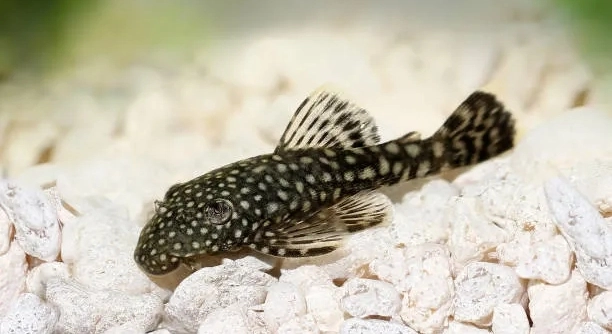
Have you ever wondered if your peaceful shrimp tank could also house a Bristlenose Pleco without causing trouble among its tiny inhabitants?
Bristlenose Plecos can live with shrimp under the right conditions. These peaceful bottom dwellers rarely bother shrimp, especially if the tank provides enough hiding spots, food, and proper water parameters to meet the needs of both species.
Maintaining harmony between these aquatic creatures depends on balanced feeding, sufficient space, and careful observation of their behavior.
Understanding the Compatibility Between Bristlenose Plecos and Shrimp
Bristlenose Plecos and shrimp can coexist peacefully when given the right environment. Both species are known for their calm nature and tend to occupy different parts of the tank. Plecos prefer the bottom and spend their time grazing on algae, while shrimp explore plants and crevices. To ensure compatibility, it’s important to maintain stable water conditions, proper filtration, and gentle tank mates. Shrimp are small and delicate, so providing driftwood, plants, and hiding spots keeps them safe from accidental contact. Regular feeding also reduces competition for food and helps maintain harmony between both species.
When both creatures are well cared for, they create a balanced ecosystem. The Pleco’s cleaning habits and the shrimp’s scavenging behavior help keep the tank clean. Their coexistence depends largely on the owner’s ability to monitor behavior and maintain a consistent, stress-free environment.
Keeping a close watch during the first weeks is important. Observing their movements and feeding routines helps identify any stress or aggression early. Proper tank management prevents territorial disputes and ensures both species thrive.
Setting Up the Ideal Tank Environment
Tank setup is crucial when housing Bristlenose Plecos with shrimp. A well-planned environment not only supports their health but also reduces stress and territorial behavior.
Start with a spacious tank of at least 20 gallons, allowing enough room for both species to move freely. A sandy or fine gravel substrate is best since shrimp often sift through it for food, and Plecos won’t injure themselves while feeding. Adding driftwood is essential because Plecos graze on its surface, while shrimp use it as shelter. Dense vegetation like moss, ferns, and small plants helps shrimp hide during molting. Maintain water temperature between 72–80°F and pH levels from 6.5 to 7.5 for optimal comfort. Feeding both with separate foods—algae wafers for Plecos and specialized shrimp pellets—prevents competition. Regular cleaning and partial water changes ensure a balanced, healthy aquarium for both species.
Feeding Bristlenose Plecos and Shrimp Together
Feeding both species properly ensures peaceful coexistence. Each has unique dietary needs, so it’s important to provide a balanced mix that satisfies both without competition. Proper feeding routines help prevent aggression and support overall health in a shared tank.
Bristlenose Plecos mainly feed on algae, driftwood, and sinking wafers. They are bottom dwellers, so their food should reach the substrate easily. Shrimp, on the other hand, scavenge for leftover particles, algae, and biofilm on surfaces. To maintain harmony, place food in different tank areas. Feed shrimp small pellets or blanched vegetables while ensuring Plecos receive their share of algae wafers or fresh vegetables. Overfeeding should be avoided as it can lead to poor water quality and stress. Consistency in feeding time keeps both species comfortable and active.
Balanced nutrition helps both species thrive. Plecos benefit from occasional protein supplements like shrimp wafers, while shrimp need calcium-rich food for molting. Observing their feeding behavior helps ensure every inhabitant gets enough nutrients.
Monitoring Behavior and Maintaining Harmony
Observation is key when keeping Plecos and shrimp together. Their behavior often reveals early signs of stress, territorial issues, or food scarcity. Quiet, steady movement and active scavenging indicate comfort and stability within the tank environment.
Bristlenose Plecos rarely show aggression toward shrimp, but occasional territorial displays may occur around feeding areas or hiding spots. Providing multiple shelters helps prevent conflict. Shrimp may hide more often if stressed or if the Pleco becomes overly active. Maintaining clean water, steady temperature, and balanced lighting conditions keeps them calm. Regular water testing prevents harmful ammonia or nitrate buildup. Introducing new tank mates gradually helps both species adjust without stress. Consistent observation, good tank maintenance, and proper feeding habits are key to sustaining a peaceful, thriving community where both species coexist comfortably.
Breeding Considerations
Breeding Bristlenose Plecos and shrimp in the same tank can work if conditions remain stable. Both species need clean water, proper hiding areas, and consistent temperature. Plecos prefer caves, while shrimp need mossy plants for protection during their molting and breeding periods.
Separation during breeding can prevent interference. Plecos may disturb shrimp eggs unintentionally while cleaning surfaces. Using breeder boxes or separate tanks ensures higher survival rates for shrimp fry. Stable parameters and minimal tank maintenance help both species reproduce successfully without unnecessary stress.
Common Mistakes to Avoid
Many aquarists make the mistake of overcrowding the tank. Too many Plecos or shrimp lead to territorial stress and poor water quality. Avoid mixing aggressive tank mates and keep the environment balanced. Consistency in maintenance prevents unnecessary tension and illness.
Final Thoughts on Compatibility
Proper setup, balanced feeding, and stable conditions allow Bristlenose Plecos and shrimp to live together peacefully. With attention to detail and regular observation, both can thrive in harmony, creating a calm and naturally balanced aquarium environment.
FAQ
Can Bristlenose Plecos eat shrimp?
Bristlenose Plecos are peaceful fish that rarely show interest in eating shrimp. They primarily feed on algae, vegetables, and sinking wafers. However, small shrimp fry can sometimes become accidental prey if they wander too close while the Pleco is feeding. This behavior is not out of aggression but curiosity or hunger. To prevent losses, provide plenty of hiding spots such as moss, caves, and plants. These shelters allow baby shrimp to stay out of reach until they grow large enough to be safe. When both species are fed properly, this issue is minimal.
Do Bristlenose Plecos produce too much waste for shrimp tanks?
Bristlenose Plecos do produce noticeable waste, as they eat often and have active digestive systems. However, with proper filtration and regular cleaning, shrimp tanks can handle this easily. A good filter, weekly water changes, and consistent gravel vacuuming help maintain balance. Shrimp actually assist in breaking down organic matter, which complements the Pleco’s waste production. Still, keeping a Pleco in a tank smaller than 20 gallons can create excess waste and stress for shrimp. A larger tank provides more surface area, better water circulation, and overall stability.
Can Plecos and shrimp share the same food?
They can share some foods, but their diets differ slightly. Plecos need algae wafers, driftwood, and fresh vegetables like zucchini or cucumber. Shrimp, on the other hand, thrive on biofilm, shrimp pellets, and blanched vegetables. It’s best to feed them separately, placing shrimp food near plants or moss and Pleco food near the bottom. Doing this ensures that both species get their nutritional needs met without competing. Overfeeding should be avoided, as leftover food can quickly spoil and affect water quality. Balanced feeding keeps both species active, healthy, and stress-free.
What tank size is best for keeping Bristlenose Plecos with shrimp?
A minimum of 20 gallons is recommended for a single Bristlenose Pleco and a shrimp colony. Plecos need enough room to move around, find algae, and establish territory. Shrimp benefit from open swimming areas and safe hiding zones. Larger tanks promote stable water parameters, reducing the risk of ammonia spikes and territorial behavior. Overcrowding should be avoided because it can lead to poor water quality and stress. Always consider the adult size of the Pleco, which can reach up to five inches, when choosing a tank size.
Can baby shrimp survive with Bristlenose Plecos?
Yes, baby shrimp can survive with Bristlenose Plecos if the tank is well-decorated with hiding areas. Dense plants, moss, and driftwood protect young shrimp during their most vulnerable stages. While Plecos do not actively hunt shrimp, their constant movement while cleaning tank surfaces can disturb or accidentally harm fry. To increase survival rates, feed both species adequately so the Pleco doesn’t scavenge too close to shrimp hiding spots. Maintaining stable water conditions and avoiding overcrowding also helps shrimp fry grow safely alongside Plecos.
Are Bristlenose Plecos aggressive toward shrimp?
Bristlenose Plecos are generally non-aggressive and calm. They prefer keeping to themselves and spend most of their time grazing on surfaces. However, territorial behavior can appear if food or hiding spots are limited. Ensuring enough caves, driftwood, and plants helps prevent such issues. Shrimp are fast and small, so they usually avoid Plecos easily. If aggression occurs, it’s typically due to stress or cramped conditions. Monitoring tank dynamics and ensuring plenty of space keeps both species peaceful and comfortable.
What water conditions suit both Plecos and shrimp?
Both species thrive in clean, stable water. The ideal temperature ranges between 72°F and 80°F, with a pH between 6.5 and 7.5. Ammonia and nitrite levels must stay at zero, while nitrates should remain low. Regular water changes are crucial to maintain these parameters. Plecos prefer slightly warmer water, but most shrimp species adapt well within the same range. Good filtration and aeration also play a vital role in keeping the environment healthy. Avoid sudden temperature or pH changes, as both species can become stressed quickly under fluctuating conditions.
How can you tell if your Pleco and shrimp are getting along?
Peaceful coexistence is easy to spot. Both species will move about freely, feed without conflict, and display natural behaviors. Shrimp will actively scavenge on plants and substrate, while Plecos focus on cleaning surfaces. Signs of tension include hiding, inactivity, or shrimp avoiding the Pleco constantly. If this happens, review tank size, hiding availability, and feeding habits. Adjusting these usually restores balance. Observing them daily helps identify changes early, ensuring a stable and stress-free environment for both creatures.
Can you keep more than one Bristlenose Pleco with shrimp?
It’s possible, but only in larger tanks. Two Plecos need at least 40 gallons to prevent territorial disputes. Each Pleco should have its own cave and feeding area. In smaller tanks, competition for space can cause stress, which may indirectly affect shrimp. When space is sufficient, multiple Plecos can coexist peacefully with shrimp colonies. Keeping the tank well-structured with driftwood and vegetation ensures every inhabitant finds comfort. The key is to avoid overcrowding and to maintain consistent cleaning routines for a stable aquarium ecosystem.
Final Thoughts
Keeping Bristlenose Plecos and shrimp together can be a rewarding experience when done with care and attention. Both species bring unique benefits to an aquarium. Plecos help control algae growth, keeping glass and decorations clean, while shrimp act as natural scavengers, consuming leftover food and organic waste. Their behaviors complement each other, creating a balanced and self-sustaining environment. However, success depends heavily on proper setup, consistent maintenance, and understanding each species’ needs. When the tank is well-structured and the conditions are right, both creatures can coexist peacefully, enhancing the overall health and beauty of the aquarium.
A stable and clean environment is the foundation of compatibility. Plecos produce more waste due to their size and constant grazing, so reliable filtration and regular water changes are essential. Shrimp, being more sensitive to changes, thrive in stable conditions with minimal fluctuations. Providing hiding spots, such as plants, moss, and driftwood, offers security for shrimp, especially during molting periods. These structures also serve as grazing areas where biofilm naturally grows, giving shrimp a consistent food source. Feeding both species adequately prevents competition and stress. Plecos need a diet rich in algae wafers and vegetables, while shrimp benefit from pellets, blanched greens, and calcium supplements for healthy shell development.
Peaceful coexistence also relies on careful observation. Watching how both species behave provides early signs of stress, illness, or territorial behavior. If the shrimp remain active and visible while the Pleco continues grazing calmly, it’s a sign that the balance is right. Overcrowding should always be avoided since too many inhabitants can disrupt water quality and lead to competition for space. Starting with a single Pleco and a moderate shrimp colony allows the ecosystem to adjust gradually. Over time, their relationship becomes more natural, and each species plays its part in maintaining tank cleanliness and stability. With patience and consistent care, a shared environment between Bristlenose Plecos and shrimp can thrive beautifully. The result is not only a visually appealing aquarium but also a healthy and harmonious habitat that reflects thoughtful and responsible fishkeeping.

Hello,
If you enjoy the content that we create, please consider saying a "Thank You!" by leaving a tip.
Every little bit helps us continue crafting quality advice that supports the health, happiness, and well-being of pets around the world, for pets of all shapes, sizes, and species.
We really appreciate the kindness and support that you show us!