
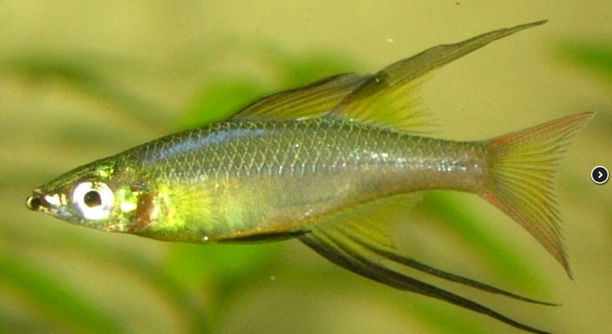
Threadfins are fascinating fish with delicate feeding habits that can sometimes surprise even experienced aquarists. Observing them refusing food can be puzzling, especially when their environment and diet appear to be perfectly suitable and maintained.
Threadfins may refuse to eat due to a variety of environmental, dietary, or health-related factors. Stress, water quality issues, improper temperature, unsuitable food types, illness, sudden changes, or aggressive tank mates can each significantly impact their willingness to feed.
Understanding these situations will help you create a healthier environment and address feeding challenges more effectively for your threadfins. Awareness of these factors ensures their well-being and balanced diet in captivity.
Stress in the Tank
Threadfins are sensitive to stress, which can come from overcrowding, sudden movements near the tank, or frequent water changes. Stress often causes them to hide or swim erratically, and a stressed threadfin will usually avoid food. Even minor disturbances like loud noises or tapping on the glass can trigger this behavior. Keeping a calm environment and limiting sudden changes helps reduce stress. Observing their behavior closely can indicate if stress is affecting feeding habits. It’s also important to maintain consistent lighting and avoid rearranging tank decorations too often, as familiar surroundings give threadfins a sense of security. Stress management is a key part of encouraging regular feeding and maintaining overall health in your fish.
Managing stress requires a quiet, stable environment, regular maintenance, and attention to tankmates. Avoiding overcrowding and sudden changes supports their natural feeding patterns.
Providing hiding spots and stable surroundings can significantly reduce stress. Ensuring water quality is consistent and minimizing disturbances promotes confidence, allowing threadfins to feed regularly and maintain proper health.
Water Quality Issues
Poor water quality can make threadfins stop eating almost immediately. High ammonia, nitrite, or nitrate levels, as well as low oxygen, can stress the fish and disrupt their appetite. Regular testing and consistent maintenance of water parameters are essential to prevent this problem. Filters should be checked frequently to ensure proper function, and partial water changes can help maintain a stable environment. Threadfins are particularly sensitive to sudden changes in pH or temperature, which can worsen feeding issues. Observing water clarity and any unusual odor can also indicate potential problems. Clean tanks and balanced water chemistry encourage threadfins to feed normally and stay healthy. Proper care in maintaining a stable aquatic environment directly influences their willingness to eat.
Regular water monitoring and adjustments are necessary to ensure threadfins remain active and feed consistently.
Water quality affects health and feeding. Stable temperature, oxygen levels, and chemical balance reduce stress and improve appetite. Proper filtration, regular changes, and careful observation prevent issues that lead to refusal of food. Consistency in these factors promotes a thriving environment and supports long-term well-being for your threadfins.
Improper Temperature
Threadfins are sensitive to water temperature fluctuations. Too cold or too warm water can lower their metabolism, making them less likely to eat. Consistently maintaining the recommended temperature range is essential for their health and appetite.
Temperature directly impacts feeding behavior. When water is too cold, threadfins become sluggish, their digestion slows, and they often ignore food. Conversely, excessively warm water increases stress and can lead to illness. Using a reliable aquarium heater and thermometer helps maintain stable temperatures. Sudden changes, such as rapid adjustments after water changes, can shock them. Ensuring gradual shifts when needed allows threadfins to acclimate without losing interest in food. Maintaining stable conditions prevents unnecessary stress and supports regular feeding patterns.
Monitoring daily temperature and adjusting gradually keeps threadfins active and willing to feed. Stability in their environment allows natural behaviors, including consistent feeding, which is crucial for growth and overall health.
Unsuitable Food Types
Threadfins may refuse to eat if the food provided is not appropriate for their dietary needs. Offering the wrong size, texture, or type can result in disinterest or avoidance.
Providing a balanced diet that mimics their natural feeding habits is important. Threadfins prefer live or frozen foods like small crustaceans, insects, or larvae. Overly processed flakes or pellets may not appeal, especially if they are too large or dry. Rotating food types ensures they receive necessary nutrients while keeping feeding stimulating. Observation is key—if certain foods are consistently ignored, they should be replaced with more suitable options. Adjusting feeding methods, such as chopping larger pieces or mixing types, can encourage eating. Their feeding patterns may also improve when offered food during quieter times of the day.
Careful selection and preparation of food help maintain health and appetite. Ensuring variety and suitability increases the likelihood that threadfins will feed consistently and remain strong in the tank.
Sudden Changes in Environment
Threadfins may stop eating when their environment changes too quickly. Rearranging decorations, adding new plants, or moving the tank can stress them, affecting their appetite.
Even minor changes, like introducing new tankmates or altering lighting schedules, can cause hesitation during feeding. Gradual adjustments help threadfins acclimate and resume normal eating patterns.
Aggressive Tank Mates
Aggressive or overly active fish can intimidate threadfins, causing them to hide and refuse food. Maintaining peaceful tankmates ensures they feel safe and able to feed.
Providing enough space and hiding spots minimizes stress from aggressive species. Observing interactions helps identify which fish may be causing feeding disruptions.
Illness or Parasites
Illness or parasites can make threadfins lose interest in food quickly. Signs include lethargy, unusual swimming patterns, or visible spots on the body. Identifying and treating these issues early is crucial for recovery and maintaining appetite.
Sudden Feeding Time Changes
Threadfins are accustomed to regular feeding schedules. Abruptly changing feeding times can confuse them and reduce food intake. Maintaining consistent timing helps them anticipate meals and encourages steady eating habits.
FAQ
Why is my threadfin refusing food even though the water looks fine?
Even if the water appears clean, small changes in temperature, pH, or oxygen levels can stress threadfins. They are sensitive to minor fluctuations, and even subtle issues may cause them to stop eating. Regular testing and gradual adjustments often restore normal feeding behavior.
Can stress from tankmates cause my threadfin to stop eating?
Yes, aggressive or overly active fish can intimidate threadfins. If your threadfin hides or avoids food while others are active, separating them temporarily or providing hiding spots can help reduce stress and encourage feeding.
Is the type of food important for threadfins?
Absolutely. Threadfins prefer live or frozen foods such as small crustaceans, insects, and larvae. Overly large or processed flakes and pellets may be ignored. Rotating food types and ensuring proper size and texture can improve appetite and maintain nutritional balance.
How does water temperature affect feeding?
Threadfins are very sensitive to temperature. Water that is too cold slows metabolism and digestion, while water that is too warm increases stress. Using a reliable heater and thermometer and keeping changes gradual supports consistent feeding.
Could illness be the reason my threadfin isn’t eating?
Yes. Illnesses or parasites can make threadfins lethargic and uninterested in food. Look for unusual swimming patterns, spots, or faded coloration. Early detection and treatment are essential to restore appetite and prevent further health issues.
How often should I feed my threadfins?
Consistency matters. Feeding at the same times each day helps threadfins develop a routine. Abruptly changing feeding times can confuse them, reduce appetite, and lead to skipped meals. Gradual adjustments are better if schedules must change.
Do environmental changes affect feeding habits?
Significant changes, like moving the tank, rearranging decorations, or adding new plants, can stress threadfins. Gradual introductions and minimal disruption to their environment allow them to adjust without losing interest in food.
Can water quality issues stop threadfins from eating even if they swim normally?
Yes. High ammonia, nitrites, or nitrates can subtly stress fish without immediately affecting swimming. Consistent testing, filtration, and partial water changes help maintain balanced water chemistry and prevent feeding refusal.
Are there signs that indicate my threadfin is stressed?
Signs include hiding, erratic swimming, clamped fins, or color changes. Stress reduces feeding and makes them more susceptible to illness. Providing a calm environment with hiding spaces and stable water parameters helps them feel secure.
Is it normal for threadfins to skip meals occasionally?
Occasional skipping can happen, especially if their environment or routine changes. However, consistent refusal usually signals an underlying issue like stress, illness, or unsuitable food. Monitoring their behavior and adjusting care practices can prevent long-term feeding problems.
Can adding more hiding spots improve feeding behavior?
Yes, additional hiding spots reduce stress from tankmates or environmental changes. When threadfins feel safe, they are more likely to feed regularly, and overall health improves.
Should I worry if only one threadfin in the tank refuses food?
Individual differences can occur, but it may indicate localized stress, illness, or competition for food. Observing interactions and isolating the affected fish if necessary helps determine the cause and restore normal feeding.
How can I encourage a picky eater to start eating again?
Offer preferred foods in smaller portions, mix food types, and reduce disturbances during feeding. Ensuring water quality, stable temperature, and a calm environment increases the likelihood of regaining appetite.
Is feeding time important for threadfin health?
Yes, regular feeding schedules support digestion and growth. Skipping or irregular meals can stress the fish and affect appetite. Consistency encourages predictable feeding behavior and overall well-being.
Can lighting affect feeding habits?
Sudden changes in light or overly bright conditions may stress threadfins. Maintaining a consistent day-night cycle with moderate lighting encourages natural feeding patterns and reduces anxiety.
Are there signs that indicate a food-related problem?
If threadfins ignore certain foods, it may be size, texture, or type-related. Observation helps identify unsuitable options, allowing adjustments to diet for better nutrition and appetite.
Does overcrowding impact feeding?
Yes. Overcrowded tanks increase stress, competition, and aggression. Providing adequate space and separating aggressive fish can restore feeding behavior and reduce stress-related health issues.
What is the best approach if my threadfin refuses food for several days?
Check water quality, temperature, diet, and tankmates. Isolate the fish if illness is suspected, offer preferred foods, and maintain a calm environment. Consulting a veterinarian or aquatic specialist is recommended for prolonged refusal to ensure proper care.
How can I prevent feeding problems in the future?
Maintaining stable water parameters, appropriate diet, consistent feeding schedules, and minimal stress from tankmates or environmental changes supports healthy feeding habits and reduces the likelihood of future refusal.
Are live foods always better than pellets for threadfins?
Live foods are closer to their natural diet and often stimulate feeding more effectively. However, a mix of live, frozen, and high-quality pellets can provide balanced nutrition if offered correctly. Observation helps determine which foods work best for your threadfins.
Threadfins are delicate fish with unique feeding habits that require careful attention and consistent care. Observing a threadfin refuse food can be frustrating, especially when everything in the tank seems normal. However, this behavior often signals an underlying issue rather than an immediate cause for alarm. Factors like water quality, temperature, stress, illness, or unsuitable food can all influence whether a threadfin chooses to eat. Recognizing these factors and addressing them promptly is key to maintaining the health and well-being of your fish. Even small changes, such as adjusting water parameters slightly or offering a more suitable food type, can make a significant difference in encouraging a threadfin to feed regularly. Being proactive rather than reactive helps prevent long-term problems and supports a stable environment in which your threadfins can thrive.
Monitoring the tank environment is one of the most important steps in supporting consistent feeding. Regular water testing, maintaining proper temperature ranges, and ensuring sufficient oxygen levels are essential. Stress management also plays a critical role in feeding behavior. Threadfins are naturally sensitive and can be easily stressed by overcrowding, aggressive tankmates, or sudden changes in their surroundings. Providing hiding spots, stable lighting, and a calm environment can help them feel secure. Additionally, keeping a consistent feeding schedule allows threadfins to anticipate meals and promotes regular eating patterns. Paying close attention to these environmental and behavioral cues makes it easier to identify issues early, reducing the risk of prolonged feeding problems and supporting the overall health of your aquarium ecosystem.
Proper nutrition and attentive care are equally important for preventing feeding issues. Offering live or frozen foods that match their natural diet, adjusting portion sizes, and rotating food types ensures threadfins receive the nutrients they need while keeping them interested in meals. If a fish shows signs of illness or parasites, prompt treatment is necessary to restore appetite and prevent further complications. Even a single factor, such as temperature fluctuations or unsuitable tankmates, can disrupt feeding, so a comprehensive approach is required. By combining environmental stability, proper diet, and careful observation, you can maintain a healthy, thriving aquarium where your threadfins feed consistently and remain active. Understanding their behavior, addressing potential challenges, and maintaining patience are essential steps in promoting long-term well-being for these sensitive and rewarding fish.

Hello,
If you enjoy the content that we create, please consider saying a "Thank You!" by leaving a tip.
Every little bit helps us continue crafting quality advice that supports the health, happiness, and well-being of pets around the world, for pets of all shapes, sizes, and species.
We really appreciate the kindness and support that you show us!