
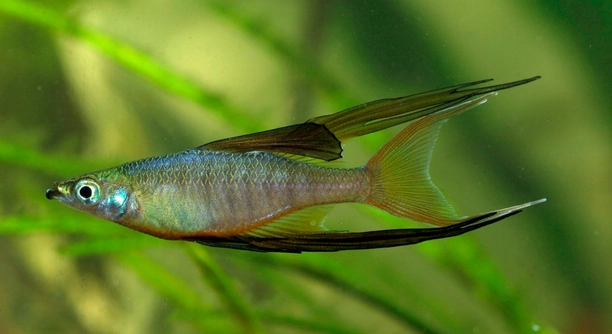
Have you ever noticed how fish react when the lighting in their tank suddenly shifts from bright to dim or vice versa?
When the light suddenly changes, threadfins may display brief startled behavior, often darting or scattering quickly before adjusting. This reaction is a natural response to protect themselves from perceived threats, as sudden light fluctuations can mimic predator movement or environmental changes.
This subtle yet instinctive behavior reveals how sensitive threadfins are to their surroundings and how light plays a crucial role in their daily rhythm.
Light Sensitivity in Threadfins
Threadfins are highly sensitive to light because their environment depends on consistent illumination for safety and feeding behavior. Sudden light shifts can cause confusion and stress, prompting them to scatter or freeze momentarily. This reaction is part of their natural instinct to avoid potential predators or environmental threats. In the wild, light changes often signal approaching shadows or surface movements, so their quick response helps them survive. In aquariums, however, these abrupt changes can lead to unnecessary stress if lighting is not adjusted gradually. Maintaining a consistent lighting schedule helps keep threadfins calm, encourages normal activity, and supports healthy feeding patterns. Understanding this behavior allows aquarists to create stable environments where threadfins feel secure.
Threadfins often adapt to steady lighting conditions over time, but frequent sudden changes can cause long-term stress and erratic swimming patterns that disrupt their natural rhythm and energy balance.
Gradual light transitions are essential for maintaining threadfin comfort and stability. By mimicking the gentle rise and fall of daylight, aquarists can reduce stress and help the fish adapt to their surroundings more smoothly. Controlled lighting helps regulate their internal clocks, influencing feeding, breeding, and social behavior.
How Threadfins Adapt to Sudden Light Changes
Threadfins possess remarkable adaptability, allowing them to adjust to unexpected light variations when exposed gradually. However, abrupt transitions trigger temporary disorientation, as their eyes and nervous systems react to altered brightness levels. Their initial darting movement is a defense mechanism, protecting them from perceived danger. Over time, threadfins learn to recognize safe patterns in their environment and begin to associate light changes with harmless events, such as feeding time or routine tank adjustments. Consistency and repetition play key roles in reducing their anxiety and building trust in their surroundings.
When caring for threadfins, it is important to simulate natural light cycles. Using dimmers or timer-controlled lighting prevents sudden intensity shifts. Gradual changes mimic dawn and dusk, helping them transition without panic. Threadfins thrive best in environments where lighting, temperature, and feeding schedules remain stable. A predictable rhythm fosters calm behavior, balanced energy, and long-term health, allowing their colors and movement to display beautifully.
Environmental Factors Affecting Their Response
Water clarity, tank placement, and background movement can influence how threadfins react to sudden light changes. A tank near windows or bright screens may cause more frequent reactions since unexpected flashes or reflections can resemble quick predator movements.
Consistent tank lighting reduces unnecessary stress and supports healthier behavior patterns. Threadfins rely heavily on visual cues, so maintaining a stable environment helps them feel secure. Avoid exposing them to strong direct light or sudden shadows. Soft, indirect lighting encourages smooth swimming and relaxed interactions. When tank surroundings remain calm and predictable, threadfins are less likely to react fearfully to external light changes. This stability promotes natural exploration, steadier feeding habits, and more vivid coloration.
Small environmental changes can also make a difference. Adding plants or decorations provides shelter and visual comfort. These additions give threadfins shaded areas to retreat to when lighting shifts unexpectedly, improving their sense of safety.
Managing Stress During Light Transitions
Stress management begins with a consistent lighting schedule. Threadfins benefit from dimming lights gradually over several minutes rather than turning them off suddenly. This helps their eyes adjust slowly, preventing the rapid movements that often occur when startled by bright changes.
Investing in a timer or dimmable LED setup ensures smooth transitions that mimic natural sunrise and sunset patterns. Pairing this with a calm environment—free from sudden noises or movements—helps threadfins remain steady and relaxed. During the adjustment period, maintaining stable water temperature and quality further minimizes stress. Over time, this steady rhythm allows them to associate light changes with safety, not threat. Consistency, patience, and gentle environmental control can transform their reactions from startled to serene, supporting both their mental comfort and physical well-being.
Observing Behavioral Changes
When threadfins experience sudden light fluctuations, their behavior often shifts instantly. You may notice rapid swimming, brief hiding, or hovering in place. These reactions are temporary and usually subside once lighting stabilizes or when the fish recognize no immediate danger.
Frequent observation helps you identify stress patterns. If threadfins consistently react to lighting changes, it may indicate the need for gentler transitions or environmental adjustments. Recognizing these subtle cues early prevents prolonged stress and helps maintain a balanced aquarium where the fish feel safe and display their natural activity.
Creating a Balanced Lighting Routine
A balanced lighting routine supports both the physical and emotional well-being of threadfins. Mimicking natural light cycles—gradually brightening in the morning and dimming in the evening—helps them adjust comfortably. Avoid abrupt lighting shifts, as they can trigger anxiety or confusion. Using timers or adjustable LEDs can automate smooth transitions. Consistent light patterns also help regulate feeding and breeding behavior, making the fish more active and harmonious. Over time, this balance fosters trust in their environment, leading to calm swimming patterns, steady appetite, and healthier interaction with other tank mates.
The Importance of Consistency
Maintaining consistency in lighting, feeding, and tank care builds stability. Threadfins thrive when their surroundings remain predictable, allowing them to develop confidence in their habitat and exhibit natural, stress-free behavior every day.
FAQ
Why do threadfins react so quickly to light changes?
Threadfins have highly sensitive vision and rely on visual cues to detect potential threats. Sudden light shifts can resemble predator movement or environmental hazards. Their rapid reaction is a survival instinct, helping them avoid danger in both natural and artificial environments.
How long does it take for threadfins to adjust to new lighting?
Adjustment depends on the intensity and frequency of the changes. Gradual, controlled transitions usually allow threadfins to adapt within a few days to a week. Abrupt or frequent fluctuations can extend the adjustment period and increase stress levels.
Can sudden light changes harm threadfins?
While brief exposure typically doesn’t cause physical harm, repeated or extreme changes can trigger chronic stress. Stress can weaken the immune system, reduce appetite, and affect swimming behavior, potentially leading to long-term health issues.
What is the best way to reduce stress during light transitions?
Implement gradual lighting changes using timers or dimmable LEDs. Ensure the tank environment remains calm, avoid sudden movements near the tank, and maintain stable water temperature and quality. Providing shaded areas with plants or decorations gives threadfins places to retreat when light shifts.
Do threadfins show permanent behavioral changes after frequent light fluctuations?
Frequent disturbances can cause long-term nervousness, erratic swimming, or increased hiding behavior. Consistent care and controlled lighting help restore normal patterns, but prolonged exposure without adjustments can result in persistent stress responses.
How can I tell if my threadfins are stressed due to lighting?
Signs include darting movements, freezing, staying close to the tank bottom, or hiding behind decorations. Appetite loss and dull coloration can also indicate stress. Regular observation helps identify these patterns early and prevents prolonged negative effects.
Are some threadfins more sensitive to light than others?
Yes. Individual fish may react differently depending on age, health, and personality. Younger or weaker fish are often more sensitive, while older, established threadfins may tolerate changes better if transitions are gradual.
Should I adjust feeding times with lighting changes?
Feeding schedules should align with stable light patterns. Sudden shifts in lighting can confuse fish about when food is available, leading to irregular eating habits. Gradual adjustments in light help maintain predictable feeding behavior and support overall health.
Do decorations or plants help with light sensitivity?
Yes. Plants and tank decorations provide shaded areas and hiding spots, giving threadfins a sense of security during light changes. These areas reduce stress by allowing the fish to retreat until they feel safe again.
Is it necessary to consult a professional if threadfins remain stressed?
Persistent stress that doesn’t improve with environmental adjustments may indicate underlying health issues. A professional can help assess tank conditions, water quality, and overall fish health to ensure threadfins thrive.
Can lighting intensity affect threadfin coloration?
Yes. Stable, appropriate lighting supports natural coloration. Sudden, intense lighting can cause temporary fading or dulling, while consistent light cycles help maintain vibrant colors and healthy patterns.
How do natural habitats influence light sensitivity in threadfins?
Threadfins evolved in environments where light shifts gradually with sunrise and sunset or through water depth changes. Sudden, unnatural light changes in captivity can trigger instinctual reactions, making controlled transitions essential for their comfort.
Are all light sources equally impactful on threadfins?
Not necessarily. LED lights, fluorescent bulbs, or natural sunlight each affect threadfins differently. Bright, direct light is more startling, while diffused or indirect light is less likely to provoke stress. Choosing soft, controllable lighting is key.
Can group behavior influence reactions to light changes?
Yes. Threadfins often mirror each other’s responses. If one fish darts or hides, others may follow. Observing their group dynamics helps manage lighting adjustments more effectively and reduces overall stress.
What is the long-term benefit of consistent lighting for threadfins?
Consistent light cycles improve feeding, swimming, and social behavior. Fish become calmer, show brighter coloration, and maintain healthier immune function. Over time, predictable lighting fosters a stable, stress-free environment that supports overall longevity and well-being.
Final Thoughts
Threadfins are sensitive fish that respond quickly to changes in their environment, especially shifts in lighting. Sudden changes in brightness can trigger instinctual reactions like darting, freezing, or hiding. These responses are natural and meant to protect them from potential threats. Understanding this behavior is important for anyone keeping threadfins in captivity, as it helps create a stable and safe environment. Observing their reactions carefully allows aquarists to identify stress signals early and adjust conditions to minimize anxiety.
Maintaining consistent lighting is one of the most effective ways to keep threadfins calm and healthy. Gradual transitions that mimic natural day and night cycles reduce panic and allow fish to adapt smoothly. Using dimmers, timers, or soft indirect lighting can make a significant difference in their behavior. In addition to light, other environmental factors like tank placement, water quality, and decorations play an important role. Providing shaded areas or plants gives threadfins places to retreat when they feel threatened, helping them feel secure. A predictable and stable environment encourages normal feeding, swimming, and social interactions, ultimately supporting both their mental and physical well-being.
Over time, consistent care and attention to their environment lead to calmer and more confident fish. Threadfins gradually learn to associate light changes with safety rather than danger, reducing their startle responses. Regular observation and minor adjustments to tank conditions can prevent long-term stress and support healthy development. By understanding their sensitivity and implementing steady, controlled lighting practices, aquarists can ensure that threadfins remain active, colorful, and thriving in their habitats. Providing a stable environment allows these fish to display their natural behaviors fully, creating a harmonious and balanced aquarium setting that benefits both the fish and those observing them.

Hello,
If you enjoy the content that we create, please consider saying a "Thank You!" by leaving a tip.
Every little bit helps us continue crafting quality advice that supports the health, happiness, and well-being of pets around the world, for pets of all shapes, sizes, and species.
We really appreciate the kindness and support that you show us!