
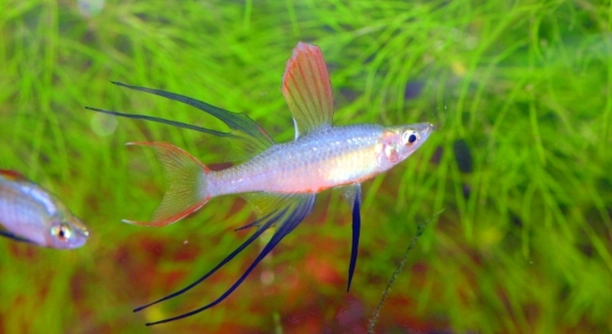
Old and new threadfins often share the same waters, creating interesting patterns of behavior. Observing them can reveal subtle changes in social dynamics and interactions that are important for understanding their coexistence.
Interactions between old and new threadfins are influenced by hierarchy, feeding behavior, territory, mating tendencies, and response to environmental stress. Monitoring these behaviors provides insights into dominance, competition, cooperation, and adaptation within mixed-age populations.
Learning about these interactions helps improve care, management, and observation of threadfin populations in natural and controlled environments.
Dominance and Social Hierarchy
In mixed groups of old and new threadfins, dominance is usually established quickly. Older threadfins often assert their presence through subtle movements, body positioning, and small confrontations. Newer fish may initially keep their distance, observing and learning the established rules. Over time, some newcomers become more confident, testing boundaries and occasionally challenging older fish. This interaction helps define feeding order, resting areas, and safe zones within the habitat. Observing these dynamics closely can reveal which fish are more adaptable and which may need extra space. Changes in water temperature or feeding patterns can also influence hierarchy, sometimes shifting power unexpectedly. Consistent observation ensures that aggression doesn’t escalate and that all fish maintain healthy growth and social stability. Monitoring group interactions provides a deeper understanding of threadfin behavior, especially how age influences social positioning and how younger fish integrate smoothly over time.
Dominance in threadfin groups is determined by experience, size, and confidence, with older fish usually guiding behavior and newcomers adapting to the established order.
Watching these interactions over weeks shows how respect and caution develop among different ages, highlighting the subtle balance that maintains harmony within the group.
Feeding Behavior and Competition
Feeding times reveal much about interaction patterns. Older threadfins often eat first, and new fish learn to anticipate opportunities without causing conflict.
Feeding hierarchy affects growth rates, health, and stress levels. Monitoring which fish get food first can help manage diet distribution, ensuring all individuals receive proper nutrition. Observing how threadfins react to changes in feeding methods, like scattered versus grouped feeding, shows adaptability and patience. Some newer fish may quickly find gaps in the group, while others remain cautious. This competitive behavior is not always aggressive but can influence social rank over time. Providing multiple feeding spots reduces stress and allows shy fish to access food. Understanding these patterns allows better management of mixed-age groups, ensuring both old and new threadfins thrive while maintaining peaceful coexistence and balanced nutrition.
Territory and Space
Threadfins clearly mark their preferred areas, with older fish usually taking prime spots near shelter or feeding zones. Newer fish often explore edges first, gradually moving closer as they gain confidence and learn the boundaries set by the older group members.
Territorial behavior can include chasing, gentle nudges, or circling movements. Older threadfins establish zones that provide safety and easy access to food. Newer threadfins observe these signals carefully, adjusting their movements to avoid conflict. Over time, some younger fish may claim small areas for themselves, usually in less crowded spaces. This gradual adaptation reduces stress and ensures that all fish have access to resting spots and feeding areas without continuous confrontations, helping the group maintain a calm, organized environment.
Respecting established territory while exploring new spaces is key for newcomers. Threadfins naturally balance their movements to coexist peacefully, gradually learning when to approach or retreat based on social cues from older members.
Mating Behavior and Pairing
Mating behavior can influence interactions, with older threadfins often initiating courtship displays that draw attention from newer fish. Observing these behaviors helps identify social preferences.
Mating displays involve fin flaring, swimming patterns, and gentle nudging. Older threadfins tend to dominate these interactions, signaling fitness and experience, while newer threadfins may wait on the sidelines or mimic behaviors to test acceptance. Pairing often depends on both size and age, with the strongest or most experienced fish forming temporary bonds. These interactions are rarely aggressive but can shift group dynamics slightly, as attention focuses on those displaying mating behaviors. Over time, observing how younger fish respond provides insight into social learning, adaptation, and hierarchy shifts that occur naturally within mixed-age groups, revealing subtle patterns of attraction and avoidance.
Response to Environmental Stress
Threadfins react quickly to changes in water conditions, temperature, or light. Older fish often guide the group, moving to safer areas, while newer fish follow cautiously.
Stressful conditions can reveal social bonds and pecking order. Observing responses shows which fish adapt quickly and which may struggle, helping manage the group’s overall well-being.
Cleaning and Grooming
Threadfins engage in gentle rubbing or brushing against surfaces and each other. Older fish often demonstrate grooming behaviors, and newer ones tend to mimic them, learning proper care. These interactions strengthen social bonds and reduce parasites, keeping the group healthier over time.
Play and Exploration
Newer threadfins show curiosity by exploring decorations, hiding spots, or water currents. Older fish often watch before joining, providing a sense of security. Playful movements help reduce stress and encourage physical activity, benefiting both mental and physical health in the mixed group.
Reaction to Predators
Threadfins respond to threats with synchronized swimming or hiding. Older fish usually lead escape routes, while newer fish follow closely, learning safe behaviors. These interactions teach caution, improve group survival, and reinforce hierarchy under pressure.
FAQ
How do old and new threadfins establish social hierarchy?
Old threadfins usually take the lead because of experience and confidence. They assert their position with subtle movements, nudges, and swimming patterns. Newer threadfins observe these signals and adjust their behavior, learning where it is safe to rest, feed, or explore. Hierarchy is maintained through consistent interactions, with dominance rarely escalating into serious aggression. Over time, some newcomers may claim small territories or gain temporary status by displaying confidence. Watching these interactions provides insight into how age and experience shape social structure, showing that hierarchy is more about respect and subtle cues than physical confrontations.
What signs indicate dominance in mixed threadfin groups?
Dominance is shown through body positioning, leading movements during feeding or swimming, and controlling access to favored spaces. Older threadfins may gently chase or nudge newcomers, establishing boundaries. Dominant fish often take center positions or lead group movements. Newer threadfins typically wait on the periphery, learning the rules of interaction. Over time, confidence can grow, and rank may shift slightly. Dominant fish are also less reactive to threats, demonstrating control over their environment. Observing these behaviors helps predict social dynamics and potential conflicts, ensuring that all fish can coexist without unnecessary stress.
How do feeding patterns affect group interactions?
Older threadfins usually eat first, setting the pace for others. Newer threadfins quickly learn to wait, approach gaps, or find alternative feeding spots. Feeding times reveal patience, adaptability, and social learning. Multiple feeding locations reduce stress and prevent aggressive competition. Fish that consistently miss meals may require intervention to maintain health. Monitoring eating patterns also helps detect subtle changes in hierarchy, energy levels, and stress responses. By adjusting feeding methods, caretakers can encourage equitable access to food while supporting natural social behavior and growth for both older and newer fish.
How do threadfins respond to environmental changes?
Threadfins react immediately to shifts in temperature, lighting, or water flow. Older fish often lead the group to safe areas, showing newer fish where it is secure. Changes in water quality or sudden disturbances can trigger synchronized swimming, hiding, or cautious exploration. Monitoring these responses provides insight into resilience, adaptability, and social learning within the group. Fish that struggle may need separate observation to prevent stress or illness. Understanding these reactions helps create stable conditions, supporting physical health and encouraging smooth integration of newcomers without disrupting the established order.
Do older threadfins influence younger fish’s learning?
Yes, older threadfins act as guides. Newer fish watch behaviors like feeding, grooming, and escaping threats, gradually mimicking them. This learning strengthens social bonds and teaches proper interaction, territory respect, and safe responses to stress. Observing older fish helps predict how newcomers will adapt, ensuring they integrate effectively without conflict. Social learning also improves the group’s overall stability, reducing aggression and enhancing cooperation during feeding, exploration, and movement throughout the habitat.
How does mating behavior affect interactions?
Mating displays are mostly led by older threadfins and influence attention and positioning in the group. Younger fish observe or mimic behaviors, learning appropriate courtship methods. Pairing decisions often consider size and confidence, with dominant fish attracting temporary partners. These behaviors shift focus and sometimes affect feeding order or territory, but they rarely cause serious aggression. Monitoring these interactions helps understand how social structure and age impact reproductive behavior, allowing careful observation of natural pairing tendencies while maintaining harmony in mixed-age groups.
What role does play have in group cohesion?
Playful exploration strengthens bonds and reduces stress. Newer threadfins explore hiding spots, decorations, and currents, while older fish observe or join cautiously. Play teaches environmental awareness, encourages physical activity, and helps newcomers learn boundaries and safe behaviors. Groups that engage in play tend to show smoother interactions, less aggression, and better overall health. Recognizing the value of these behaviors allows caretakers to support safe spaces for exploration, ensuring both older and newer fish benefit from mental stimulation and social learning without disrupting hierarchy.
How can caretakers manage aggression in mixed groups?
Aggression is usually mild and signals hierarchy or territorial boundaries. Providing multiple feeding areas, hiding spots, and open swimming space reduces conflict. Observing patterns of chasing or nudging can help identify fish at risk of stress. Interventions like temporary separation or environmental enrichment support peaceful coexistence. Recognizing early signs allows for proactive management, ensuring newcomers integrate safely while older fish maintain their established roles. Effective management focuses on balance, safety, and natural social development rather than punishment, preserving harmony and health across all age groups.
What is the best way to monitor mixed threadfin groups?
Frequent observation of feeding, resting, and social interactions provides clear insights into hierarchy, adaptation, and health. Notes on dominant behaviors, shy or struggling fish, and responses to changes help inform adjustments in care or habitat layout. Monitoring also highlights learning patterns, stress responses, and growth differences, enabling timely interventions to maintain group stability. Detailed tracking ensures both old and new threadfins thrive, and it helps prevent conflict, disease, or imbalance. A structured observation routine is key for understanding natural behaviors and maintaining a well-functioning mixed-age population.
How do threadfins maintain health through social behavior?
Grooming, play, and shared exploration support hygiene, reduce parasites, and encourage physical activity. Older threadfins demonstrate correct behaviors, and newcomers mimic them. Respecting territory and hierarchy reduces stress, while access to safe feeding and resting areas supports nutrition and rest. These combined behaviors help maintain long-term health, social stability, and resilience within mixed-age groups. Tracking these interactions allows caretakers to identify issues early, ensuring both age groups remain active, healthy, and socially integrated. Proper attention to these natural behaviors promotes a balanced environment where fish can thrive physically and mentally.
Final Thoughts
Observing interactions between old and new threadfins shows how age and experience influence behavior. Older threadfins often take the lead in feeding, territory, and social dynamics, while newer fish learn by watching and adapting. These patterns are natural and help maintain order in the group. Over time, newcomers gradually become more confident, exploring spaces previously dominated by older fish. This learning process allows both age groups to coexist without constant conflict. The way threadfins handle dominance, feeding, and territory is subtle but important. By paying attention to these details, we can better understand how social hierarchies form and how younger fish integrate into established groups. This understanding is useful not only for observing behavior but also for maintaining a balanced environment in tanks or natural habitats. Older fish guide behavior through experience, while newer fish bring energy and curiosity, creating a dynamic that keeps the group adaptable and responsive to changes.
Monitoring feeding and competition provides insight into growth and health. Older threadfins usually eat first, setting the pace for others. Newer fish observe, learn timing, and find gaps to get their share of food. This behavior reduces aggression and ensures all fish receive enough nutrition. Multiple feeding points and varied strategies can help prevent stress or dominance conflicts. Watching how fish respond to environmental changes, such as temperature shifts or sudden disturbances, highlights which individuals adapt quickly and which may need extra support. Stress responses also reveal hierarchy and leadership within the group, as older fish tend to lead movements to safety. Observing grooming and play behaviors provides further understanding of social bonds. Older threadfins show how to clean themselves and others, while newer fish follow these cues, strengthening relationships and overall group health. Play and exploration help reduce stress, promote activity, and teach safe navigation of the environment.
Mating behavior and reactions to threats add another layer to understanding interactions. Older fish often initiate displays that younger fish observe or mimic. Pairing decisions, territory adjustments, and subtle competition during mating provide insight into hierarchy and learning. Reactions to predators or sudden changes show how experience guides survival strategies, with older fish leading the group to safety while newcomers follow. Keeping track of these interactions helps identify trends in behavior, potential stress points, and ways to support both age groups. Ultimately, careful observation allows for better management and care, ensuring a stable, healthy, and socially balanced group of threadfins. Respecting natural behaviors and providing space, feeding opportunities, and environmental enrichment supports long-term well-being. Understanding these dynamics helps maintain harmony while allowing each fish to grow, learn, and thrive in a supportive environment.

Hello,
If you enjoy the content that we create, please consider saying a "Thank You!" by leaving a tip.
Every little bit helps us continue crafting quality advice that supports the health, happiness, and well-being of pets around the world, for pets of all shapes, sizes, and species.
We really appreciate the kindness and support that you show us!