
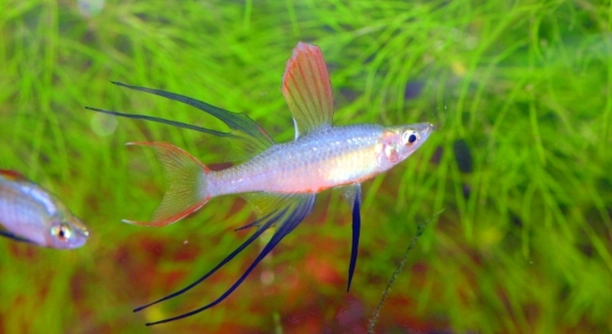
Have you ever noticed your threadfin rainbowfish suddenly dart across the tank for no obvious reason? These small, colorful fish are sensitive to their surroundings, and even subtle changes can catch them off guard quickly.
Threadfin rainbowfish are startled by sudden movements, rapid changes in lighting, reflective surfaces, unfamiliar objects, overlapping shadows, rapid water disturbances, and unexpected visual flashes. Recognizing these triggers helps maintain a calm environment and reduces stress-induced behaviors.
Knowing how these visual triggers affect your fish can improve their overall well-being and make your aquarium a more peaceful home.
Sudden Movements in the Tank
Threadfin rainbowfish are extremely alert to movement, even small ones, inside and outside their tank. A quick hand near the glass, tapping on the tank, or suddenly shifting decorations can make them dart or hide. They rely on sight to detect threats, so any fast motion feels alarming. Even other fish swimming abruptly can trigger a startled response. In community tanks, keeping movements slow and predictable helps the fish feel secure. If you need to clean the tank or rearrange decorations, doing it gradually can prevent unnecessary stress. Over time, consistent gentle handling can reduce the intensity of their reactions. Observing their behavior closely shows how sensitive they are, and minor adjustments in daily care can make a noticeable difference in their comfort and activity levels.
Small, controlled movements near the tank greatly reduce sudden panic and help rainbowfish feel safer.
Watching their reactions closely helps you understand which motions are most alarming, allowing for calmer interactions. Being mindful of the way you move or position yourself can keep your rainbowfish relaxed. Over time, slow and predictable movements minimize stress, leading to more consistent swimming patterns and healthier behavior in the tank. Recognizing these visual triggers allows for better planning during feeding, cleaning, and maintenance. Creating a calm environment also benefits all tank inhabitants, as fewer startle responses reduce energy expenditure and aggression. Adjusting decorations to avoid reflections and shadows, and moving slowly when adding food or water, contributes to a stable setting. These small changes accumulate, significantly improving the fish’s daily life.
Changes in Lighting
Threadfin rainbowfish react strongly to sudden changes in light intensity or direction. Bright lights switching on or off can make them scatter and hide.
Managing light changes gradually allows your fish to adapt without stress. Consistent lighting schedules and dimming gradually can prevent panic and maintain normal activity patterns.
Reflective Surfaces
Reflections from glass or water surfaces can startle threadfin rainbowfish. They may mistake their own reflection for another fish or a threat, causing sudden darting or hiding behaviors. Minimizing reflective angles can reduce these unnecessary stress responses.
Threadfin rainbowfish are highly visual and can misinterpret reflections as intruders. Windows, shiny ornaments, or even sunlight hitting the tank at certain angles can create confusing reflections. This can trigger repeated startle responses throughout the day. Adjusting decorations or covering parts of the tank with neutral backgrounds helps limit reflections. Even minor changes in tank position can impact how light interacts with the water, influencing the fish’s perception. Over time, controlling reflective surfaces reduces stress, promoting steadier swimming patterns and calmer behavior.
Proper tank setup and awareness of reflective elements are crucial. Avoiding direct sunlight and repositioning decorations can significantly decrease startling incidents. Over time, these adjustments make the fish feel safer, encouraging natural, relaxed movement within the tank. Consistency in their environment helps maintain their health and reduces unnecessary energy expenditure from repeated panic responses.
Rapid Water Disturbances
Threadfin rainbowfish react strongly to sudden splashes, strong currents, or vigorous filtration adjustments. Even minor water disturbances can startle them and cause erratic swimming.
Water movement can create unexpected visual and tactile signals for rainbowfish. Strong currents or sudden changes in flow may mimic predator attacks or environmental hazards. High-powered filters, sudden cleaning motions, or adding large amounts of water quickly can trigger these responses. Fish may hide behind decorations or crowd together in corners to feel safe. Gentle maintenance, slower water changes, and moderate flow settings help minimize stress. Regular observation helps determine how your rainbowfish respond, allowing gradual adjustments without alarming them. Keeping water movement steady reduces repeated panic and encourages natural, exploratory behavior.
Overlapping Shadows
Shadows from decorations or moving objects can alarm threadfin rainbowfish. They often interpret sudden dark shapes as predators, leading to rapid swimming or hiding.
Even small changes in lighting or object placement can create overlapping shadows. Adjusting tank lighting and decor placement helps reduce these startling effects.
Unfamiliar Objects
New items in the tank, such as decorations, plants, or equipment, can trigger fear responses in threadfin rainbowfish. They approach cautiously or hide until they feel safe. Familiarization over time is key to minimizing stress and promoting normal swimming behavior.
Rapid Flashes
Quick flashes of light, whether from cameras or reflections, can startle rainbowfish. Minimizing bright, sudden light prevents unnecessary panic.
FAQ
Why do threadfin rainbowfish startle easily?
Threadfin rainbowfish are naturally alert and rely heavily on their vision to detect potential threats. Any sudden movement, light change, or reflection can make them perceive danger. Their instinctive reactions include darting, hiding, or schooling tightly together. These behaviors are normal but can be reduced with careful tank management.
How can I reduce startle responses in my tank?
Gradual movements near the tank, consistent lighting, and controlled water flow help. Avoid sudden rearrangements of decorations and minimize reflections. Using plants or neutral backgrounds can also create safe zones where fish feel protected. Over time, these adjustments help rainbowfish feel secure and reduce repeated stress reactions.
Can reflections cause stress for threadfin rainbowfish?
Yes. Reflections from glass, ornaments, or sunlight can confuse rainbowfish. They may mistake their reflection for another fish or a potential threat, causing repeated darting and hiding. Positioning the tank to avoid direct sunlight and using solid backgrounds can help minimize this issue.
Do water disturbances really startle them?
Absolutely. Sudden splashes, strong currents, or rapid changes in filtration can trigger stress responses. Even small disturbances from cleaning or water additions may alarm them. Keeping water flow steady and performing gentle, slow maintenance allows fish to adjust without panic.
Are threadfin rainbowfish sensitive to lighting changes?
Yes. Abrupt changes in light intensity or direction can cause them to scatter or hide. Gradually adjusting light levels and maintaining a predictable lighting schedule reduces stress and promotes natural activity patterns. Using dimmers or indirect lighting also helps the fish feel safe.
How do new objects affect their behavior?
Introducing new decorations, plants, or equipment can trigger fear responses. Rainbowfish approach cautiously or hide until they become familiar with the changes. Slowly integrating new items and observing their reactions allows fish to adapt without prolonged stress.
Why do overlapping shadows startle them?
Shadows can mimic the presence of predators. Even minor shifts in lighting or object placement may create sudden dark areas, prompting darting or hiding. Adjusting decorations and using consistent lighting helps reduce these stress triggers.
What are signs my fish are overly stressed?
Frequent hiding, erratic swimming, reduced feeding, or rubbing against objects indicate stress. Chronic stress can impact health, immune function, and lifespan. Addressing environmental triggers early prevents prolonged anxiety and promotes healthier, more relaxed behavior.
Can I train them to feel safer?
Yes. Consistent, predictable tank care and slow, deliberate movements allow fish to recognize safe patterns. Over time, they become accustomed to human presence, regular feeding, and minor environmental changes, reducing frequent startle responses.
Is tank placement important?
Tank placement is very important. Avoid areas with heavy foot traffic, frequent vibrations, or direct sunlight. Positioning the tank in a calm, stable spot reduces sudden environmental changes, contributing to a more peaceful habitat.
How long does it take for rainbowfish to adapt?
Adaptation depends on the individual fish and severity of triggers. Some may adjust within a few days, while others take several weeks. Patience, gentle care, and minimizing stressors are key to helping them settle comfortably.
Are there long-term effects of frequent startle responses?
Frequent stress can lead to weakened immune systems, lower appetite, and reduced activity. Prolonged anxiety may also shorten lifespan. Maintaining a calm environment with controlled triggers ensures rainbowfish stay healthy, active, and display natural behavior consistently.
Can tank mates affect their stress levels?
Yes. Aggressive or overly active fish can cause repeated startle responses. Choosing compatible species and providing sufficient space and hiding spots allows rainbowfish to swim confidently without constant fear.
Is it better to change the environment gradually or all at once?
Gradual changes are always better. Sudden modifications in lighting, decorations, or water conditions amplify stress. Introducing one change at a time and observing reactions ensures rainbowfish adapt safely and comfortably.
Do feeding habits influence startle responses?
Feeding routines can influence behavior. Predictable feeding times reduce anxiety, while sudden drops of food or irregular schedules may cause rapid movement and stress. Gentle feeding practices help maintain a calm and stable environment.
How do I know if reflections or shadows are affecting them?
Observe when startle behaviors occur. If sudden darting happens near shiny objects, windows, or moving shadows, these are likely triggers. Adjusting light sources or covering reflective surfaces helps mitigate these visual disturbances.
Are all threadfin rainbowfish equally sensitive?
No. Sensitivity varies by individual. Some fish may react strongly to minor stimuli, while others are more relaxed. Monitoring each fish’s behavior allows you to tailor care and reduce stress for the more sensitive individuals.
Do they get used to humans over time?
Yes. Regular, calm interaction helps them recognize humans as non-threatening. Slow movements, predictable feeding, and minimal sudden disturbances encourage them to swim freely and reduce startle responses.
Can stress affect their color and activity?
Stress can dull coloration and reduce movement. Calm, stable environments support vibrant colors and active swimming patterns. Reducing visual triggers and maintaining consistent tank care encourages natural behavior and overall well-being.
What’s the most effective way to prevent startling?
The most effective approach combines consistent lighting, gentle movements, gradual environmental changes, controlled water flow, and minimal reflections or shadows. Patience and careful observation help create a peaceful tank that keeps threadfin rainbowfish relaxed and healthy.
How often should I check for stress triggers?
Regular observation is essential. Daily monitoring of behavior, reactions to new objects, and responses to movements or light changes helps identify stressors early. Prompt adjustments prevent chronic stress and support a stable, comfortable habitat.
Can decorations or plants help reduce startle responses?
Yes. Providing plants, rocks, or shelters creates safe zones where rainbowfish can retreat. These hiding spots reduce anxiety from shadows, reflections, or sudden movements, helping fish feel secure and maintain normal swimming behavior.
Does tank size influence their sensitivity?
Tank size matters. Smaller tanks can amplify reflections, shadows, and sudden movements, increasing stress. Larger tanks provide more space to escape perceived threats and reduce the frequency of startle responses. Choosing an appropriately sized tank improves comfort and well-being.
Are lighting timers useful?
Timers help maintain consistent light cycles, preventing sudden brightness changes that startle fish. Predictable lighting routines support calmer behavior, reduce stress, and promote natural swimming and feeding patterns.
How long should water changes be done to minimize stress?
Water changes should be slow and gradual. Sudden pouring or rapid filtration adjustments can alarm rainbowfish. Using a gentle flow and performing incremental changes allows them to adapt comfortably without panic or hiding.
Is it normal for rainbowfish to hide often?
Hiding is normal if triggered by environmental stressors. Persistent hiding due to repeated visual triggers indicates that adjustments are needed in lighting, reflections, water movement, or tank layout. Creating calm zones encourages more confident swimming.
Can temperature changes cause startling?
Sudden shifts in temperature can alarm rainbowfish, though they are mainly visual creatures. Maintaining stable, appropriate water temperature prevents additional stress on top of visual triggers. Consistent conditions promote overall health and calm behavior.
How do I handle sudden panic in the tank?
Remain calm and avoid further disturbance. Observe the triggers, minimize rapid movements, and allow fish to settle naturally. Over time, consistent care and controlled conditions reduce the frequency of these reactions.
Are some fish more prone to panic than others?
Yes. Younger or newly introduced fish often startle more easily. They are still adjusting to the environment and learning safe patterns. Older, acclimated fish may react less intensely but still respond to major visual triggers.
Do background colors influence stress levels?
Neutral or natural background colors reduce reflections and visual confusion. Bright or highly reflective backgrounds can startle fish repeatedly. Using subdued, consistent backgrounds helps create a stable environment and lowers anxiety.
Can routine tank cleaning cause stress?
Yes, if done too quickly or with sudden movements. Gradual cleaning and careful handling prevent unnecessary panic. Consistent, calm maintenance reduces repeated startle responses and keeps rainbowfish comfortable and healthy.
Do they startle at all times or only certain moments?
Startle responses occur primarily during sudden visual changes, movements, or light fluctuations. They are less likely to react if the environment remains predictable, calm, and stable. Observation helps identify patterns and plan adjustments accordingly.
Can aquarium equipment trigger startling?
Yes. Air stones, filters, heaters, or other devices can create movement, reflections, or vibrations that alarm rainbowfish. Proper placement, steady operation, and gradual adjustments minimize their visual and physical impact.
Is it possible to completely eliminate startle responses?
It’s unlikely to eliminate them entirely, as they are instinctive reactions. However, careful control of lighting, reflections, water movement, and environmental stability greatly reduces the frequency and intensity of these responses.
Do they recover quickly after being startled?
Recovery depends on the severity of the trigger and the fish’s temperament. Minor disturbances often result in brief hiding, while stronger stressors may take longer for them to resume normal swimming and feeding behaviors. Patience and calm adjustments help shorten recovery time.
Are visual triggers more significant than other types of stressors?
For threadfin rainbowfish, visual triggers are highly significant due to their reliance on sight for threat detection. While water quality, temperature, and diet matter, controlling visual stimuli is crucial for reducing frequent startle responses.
How can I combine multiple strategies to minimize stress?
Combine gradual lighting changes, controlled water flow, reduced reflections, stable tank decorations, predictable feeding, and calm movements. Observing reactions and adjusting care over time creates a consistently safe environment, reducing visual-triggered panic and promoting natural behavior.
Do older fish handle visual triggers better?
Older or well-acclimated fish often react less intensely. Familiarity with their environment and consistent routines helps them feel secure. Younger or new fish are more likely to dart or hide frequently in response to the same triggers.
Can I use plants to shield them from reflections or shadows?
Yes. Dense or tall plants create visual barriers and hiding spots, reducing exposure to sudden shadows or reflections. This provides comfort, encourages exploration, and lowers stress-induced behaviors in the tank.
Is it normal for some fish to remain hidden even with adjustments?
Yes. Some individuals are naturally more cautious or sensitive. Providing safe zones, consistent care, and minimal visual disruptions helps them gradually gain confidence without forcing exposure.
How often should I monitor fish behavior for stress?
Daily observation is ideal. Noticing subtle changes in swimming, hiding, or feeding patterns allows you to identify and address triggers quickly. Regular monitoring ensures the tank environment remains calm and suitable for rainbowfish.
Do aquarium decorations need to be rearranged often?
Frequent rearrangement can stress rainbowfish. Minor adjustments are fine if done slowly, but maintaining a consistent layout reduces startling incidents and allows fish to establish familiar territories.
Can sudden noises contribute to visual startle responses?
Indirectly, yes. Vibrations or rapid movements caused by noise can create visual disturbances. Keeping the tank area quiet and free from sudden impact helps maintain a calm environment.
Are some tank setups better for sensitive rainbowfish?
Yes. Tanks with stable lighting, moderate water flow, plenty of hiding spots, and minimal reflective surfaces suit sensitive fish best. Carefully planned setups reduce stress and support natural, relaxed behavior.
How long should I wait between introducing new items or changes?
Wait at least several days to a week between changes. This allows fish to acclimate to one adjustment before introducing another, minimizing cumulative stress and repeated startle responses.
Do they react differently during feeding times?
Yes. Sudden drops of food or quick hand movements can trigger panic. Gentle, predictable feeding routines reduce startling and help fish associate human presence with positive experiences rather than threats.
Can stress impact breeding behavior?
High stress levels can inhibit spawning and reduce fertility. Maintaining a calm, stable environment with minimal visual triggers supports healthy breeding and normal reproductive behaviors.
Is it better to observe from a distance or close to the tank?
Observing from a moderate distance helps prevent causing stress. Rapid movements near the glass can alarm rainbowfish, while slow, patient observation allows for accurate behavior monitoring without triggering panic.
Do rainbowfish remember startling events?
Yes. They can associate specific triggers with past stress. Avoid repeating the same sudden disturbances, as repeated exposure may lead to heightened anxiety and prolonged hiding or erratic swimming.
Can water clarity affect startle responses?
Yes. Clear water enhances visibility, making reflections, shadows, and sudden movements more noticeable. Slightly diffused lighting or subtle backgrounds can reduce visual confusion and improve comfort.
Are visual triggers more common in smaller tanks?
Yes. Limited space amplifies reflections, shadows, and rapid movements, increasing the likelihood of startle responses. Larger tanks offer more room to escape perceived threats and reduce stress frequency.
How do I balance water flow with minimal disturbance?
Use adjustable filters or gentle circulation devices. Avoid sudden increases in flow or turbulence during cleaning or maintenance. Steady, moderate currents support oxygenation without alarming rainbowfish.
Can temperature or pH changes interact with visual stress?
Yes. Sudden chemical or thermal shifts may compound visual stress. Maintaining stable water parameters alongside controlled lighting, reflections, and movement creates a calmer, healthier environment for rainbowfish.
Do rainbowfish prefer certain tank layouts to reduce startling?
Yes. Naturalistic layouts with plants, rocks, and shelters minimize shadows and reflections. Open swimming areas combined with covered zones allow exploration while offering protection from sudden visual disturbances.
How important is consistency in daily tank care?
Very important. Regular feeding, cleaning, and environmental monitoring reduce unexpected stimuli. Predictable routines help rainbowfish feel secure, lowering repeated startle responses and promoting overall well-being.
Is it normal for some rainbowfish to be more jumpy than others?
Yes. Individual temperament varies. Some fish are naturally cautious or reactive. Observing each fish’s behavior allows you to tailor care and reduce stress triggers effectively.
Can stress affect their lifespan?
Chronic stress can weaken the immune system and increase susceptibility to disease, potentially shortening lifespan. Minimizing visual triggers and maintaining a calm environment supports long-term health.
Do they respond differently to natural versus artificial light?
Natural sunlight can create reflections and sudden brightness changes, while artificial light is easier to control. Using diffused or indirect lighting reduces startle responses and supports predictable, stable conditions.
Can multiple stressors combine to increase panic?
Yes. Sudden light changes, reflections, shadows, or water disturbances together intensify startle reactions. Managing each factor individually reduces cumulative stress and promotes calmer behavior.
Are there signs that a change in the tank is too much?
Frequent darting, hiding, or refusal to eat indicates the change is stressful. Reversing or slowing the adjustment allows rainbowfish to acclimate without prolonged anxiety.
Is patience the key to reducing startle responses?
Yes. Gradual adjustments, consistent care, and careful observation over time help rainbowfish feel safe. Patience ensures they adapt comfortably and maintain healthy, relaxed behavior.
Do stress triggers differ between day and night?
Yes. Changes in light, shadows, and reflections vary with the time of day. Monitoring their reactions during different periods helps identify triggers and optimize tank conditions.
Can frequent handling worsen startle responses?
Yes. Handling or tapping on the tank too often amplifies stress. Minimal disturbance and careful observation preserve calm behavior and reduce repeated panic responses.
How do I prioritize which triggers to address first?
Focus on the most frequent or intense triggers observed in daily behavior. Gradually adjusting lighting, water flow, reflections, and tank layout prevents overwhelm and promotes steady improvement in rainbowfish comfort.
Is it necessary to modify my approach for each fish?
Yes. Individual fish vary in sensitivity. Tailoring care to more reactive fish while maintaining consistent conditions for the group ensures overall well-being and minimizes startle reactions.
Can behavioral enrichment help reduce stress?
Yes. Adding plants, gentle currents, and structured hiding areas encourages exploration and natural behaviors. Enrichment reduces boredom and provides options for avoiding stressful visual triggers.
Are visual triggers more impactful than temperature or chemical stress?
For threadfin rainbowfish, visual triggers often provoke immediate, noticeable panic. While temperature, pH, and water quality are critical for health, controlling visual stress is essential for daily comfort and normal activity.
Do they recover better in groups or alone?
Groups provide safety in numbers, as schooling reduces perceived threats. Being in a group can help rainbowfish regain calm more quickly after a visual disturbance compared to solitary conditions.
Can using plants and decorations strategically prevent panic?
Yes. Strategically placed plants and rocks create safe zones, block reflections, and reduce overlapping shadows. This helps rainbowfish feel protected while maintaining open areas for natural swimming and exploration.
How do I know if adjustments are effective?
Reduced hiding, calmer swimming, and consistent feeding indicate positive impact. Observing behavior over days or weeks confirms whether changes are successful in lowering startle responses.
Is gradual acclimation essential for new rainbowfish?
Absolutely. New fish are highly sensitive. Slow introduction, stable environment, and minimal sudden stimuli allow them to adapt without repeated stress, ensuring smoother integration into the tank.
Do rainbowfish have preferred hiding spots?
Yes. Dense plants, caves, or corners provide security from perceived threats. Offering multiple safe zones helps them feel comfortable and reduces unnecessary panic triggered by visual disturbances.
Can I combine hiding spots with open swimming areas?
Yes. A balanced layout allows rainbowfish to retreat when startled while still encouraging normal swimming. This combination supports exploration, reduces stress, and promotes natural behavior.
Are there any signs that visual stress is under control?
Fish swim calmly, explore the tank confidently, and feed normally. Fewer sudden darting incidents or prolonged hiding indicates that visual triggers are effectively managed.
Do lighting intensity and angle matter more than duration?
Yes. Sudden bright lights or harsh angles are more startling than the length of illumination. Gradual adjustments and indirect lighting reduce panic and improve comfort for rainbowfish.
Can I adjust decorations to reduce shadows effectively?
Yes. Spacing objects, avoiding tall structures in direct light, and creating consistent patterns prevent overlapping shadows. Thoughtful placement minimizes repeated startle responses and promotes stable behavior.
Is it normal for rainbowfish to jump occasionally when startled?
Yes. Jumping is a natural escape reflex. Ensuring a secure lid and calm environment reduces the likelihood of repeated jumping and potential injury.
Does tank shape affect startle responses?
Yes. Long, wide tanks allow more swimming space and reduce crowding, lowering stress. Small or narrow tanks amplify reflections, shadows, and sudden movements, increasing startle frequency.
Can tank mates reduce stress if chosen carefully?
Yes. Peaceful, compatible species provide social stability and reduce panic reactions. Avoiding aggressive or fast-moving fish prevents compounding visual stress for rainbowfish.
Is it better to introduce one change at a time?
Yes. Sequential changes
Threadfin rainbowfish are small, delicate, and highly sensitive fish that rely heavily on their vision to navigate and respond to their environment. Because of this, they can be easily startled by sudden changes, rapid movements, or unexpected visual cues. Understanding what triggers these startle responses is essential for anyone caring for them. Small, everyday actions, such as tapping the tank, rearranging decorations, or introducing new objects, can make a significant difference in how comfortable your fish feel. Even factors that might seem minor, like reflections from glass or shifting shadows, can create stress. Being aware of these triggers and making adjustments helps your rainbowfish feel safer and reduces unnecessary stress, allowing them to swim confidently and display their natural behavior. Providing a stable environment not only supports their physical health but also improves their overall well-being, making them more active and vibrant.
A calm and predictable environment is the foundation of caring for threadfin rainbowfish. Consistent lighting, gentle water flow, and careful handling of the tank are all key factors. Avoiding sudden movements and changes gives the fish time to adjust to their surroundings. Plants, rocks, and hiding spots provide safe areas where they can retreat if they feel threatened. Gradually introducing new items and keeping the tank layout consistent minimizes startling events. Paying attention to their behavior allows you to spot triggers quickly and make necessary adjustments. Over time, these small, thoughtful actions lead to a calmer tank, where rainbowfish can swim freely without frequent panic. Observing their reactions during feeding, cleaning, and routine care can provide valuable insight into what causes stress and what promotes comfort. Each fish may have slightly different sensitivities, so adapting care to meet their needs ensures they remain healthy and content.
Stress reduction is not only about comfort but also about long-term health. Chronic stress from repeated startling can affect appetite, immune function, and activity levels. By controlling visual triggers and maintaining a stable tank, you can prevent many of these issues before they arise. Patience is important, as rainbowfish may take time to adjust to changes or new additions. Slow, deliberate care and careful observation help the fish gradually become more confident in their environment. Providing consistent routines, safe spaces, and minimizing sudden disturbances supports both their mental and physical well-being. With attention to detail and gentle care, your threadfin rainbowfish can thrive in a secure, calm aquarium, exhibiting their natural colors, behaviors, and vitality. A thoughtful approach to their environment makes daily life less stressful and allows you to enjoy watching their graceful, lively movements without constant worry.

Hello,
If you enjoy the content that we create, please consider saying a "Thank You!" by leaving a tip.
Every little bit helps us continue crafting quality advice that supports the health, happiness, and well-being of pets around the world, for pets of all shapes, sizes, and species.
We really appreciate the kindness and support that you show us!