
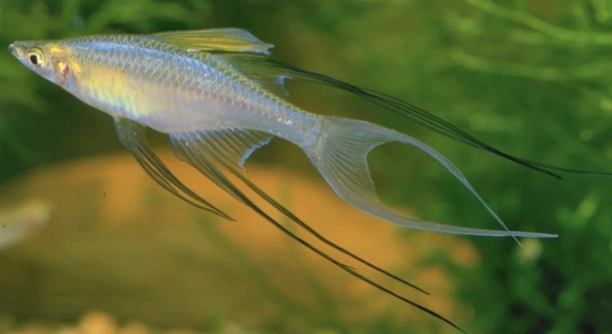
Have you ever noticed your threadfins gathering around one specific filter output, ignoring the rest of the tank’s gentle flow?
Threadfins might prefer one filter output area due to differences in water flow, oxygen levels, and microfood availability. These factors create microenvironments that mimic natural habitats, providing optimal comfort, feeding opportunities, and stress reduction for the fish.
Exploring these subtle preferences helps reveal how small environmental details can greatly influence threadfin behavior and overall tank harmony.
Understanding Threadfin Behavior
Threadfins are gentle, graceful fish that tend to be selective about their environment. In an aquarium, they often show distinct preferences for certain spots, especially near specific filter outputs. These choices usually relate to how the water moves and feels around them. Threadfins are naturally drawn to areas with a steady, moderate current that supports their calm swimming style. Strong currents can tire them out, while stagnant zones may limit oxygen. The ideal area usually provides a gentle yet consistent flow that feels similar to their natural river or stream habitats. Observing where they choose to linger gives useful clues about their comfort.
Their behavior can also reflect tank design and placement. Decorations, plants, and other fish may influence how freely threadfins move or rest. Paying attention to these small habits helps maintain a peaceful and balanced tank where they can thrive comfortably.
The way they gather or separate can reveal subtle signs of stress or satisfaction. Watching them closely over time allows aquarists to adjust filtration or layout to match their natural rhythm. Threadfins thrive when their environment feels predictable, safe, and easy to navigate. Understanding this balance helps create a tank that mirrors their natural surroundings, keeping them active, healthy, and beautifully synchronized.
Why One Filter Output Stands Out
Threadfins often favor one filter output because it meets multiple comfort needs at once. It may provide better oxygen flow, small food particles, and the right water movement that keeps them relaxed. These details make one area feel safer and more stable.
In many aquariums, each filter output creates a slightly different environment. One may have a smoother current, while another produces uneven turbulence. Threadfins usually prefer the smoother one since it supports their delicate fins and gentle swimming behavior. Additionally, higher oxygen concentration near a specific outlet can make breathing easier, attracting them naturally. Microorganisms and floating food often gather in these areas too, making it an easy feeding spot. Surrounding decor and lighting can also affect their comfort, especially if one output area provides mild shade or visual cover. When these elements align, threadfins instinctively choose that zone over others. Recognizing these subtle preferences allows you to fine-tune your setup, ensuring each filter output supports your fish’s health and natural behavior effectively.
Environmental Factors at Play
Tank placement, lighting, and temperature can all influence why threadfins favor one area. Even small differences in these elements can change how comfortable the water feels and how they interact with their surroundings.
When one part of the tank receives more stable light or sits farther from strong external vibrations, threadfins may naturally settle there. Temperature consistency also matters, as fluctuations can make fish move toward spots where warmth feels steady. Water chemistry, including oxygen and pH levels, often varies slightly between areas, especially near filters. These changes can create tiny comfort zones. Decorations like plants or rocks can break the current, forming calm resting spots that threadfins find appealing. Observing their habits helps you identify these environmental cues and adjust your setup to maintain balance and stability throughout the tank.
Providing proper filtration balance ensures that every section of your tank feels welcoming. Even if threadfins still favor one area, they benefit from an environment that stays uniform in oxygen and temperature. Adjusting your filter’s angle, adding plants, or rearranging decor can help water flow more evenly. A well-balanced setup prevents stress, reduces competition, and helps your fish stay active and comfortable no matter where they swim.
How Flow Affects Comfort
Threadfins rely on steady water flow to maintain their rhythm. Uneven or harsh movement can disrupt their swimming pattern and make them retreat to calmer spots. A smooth, continuous current supports their health and natural grace.
A consistent water flow helps threadfins maintain energy while gliding through the tank. Strong currents can exhaust their delicate fins, leading to stress or reduced feeding. In contrast, too little movement causes stagnation and decreases oxygen, forcing them to seek better conditions near one output. Adjusting filter positioning and speed helps create an ideal middle ground. Many aquarists find success by placing filters diagonally or slightly higher to disperse flow evenly. This creates natural water movement similar to a slow-moving stream, which threadfins instinctively enjoy. By observing how they react to each adjustment, you can fine-tune the current and create a calm, balanced tank that suits their gentle nature.
Oxygen and Feeding Zones
Threadfins often gather where oxygen levels stay high, usually near a filter output. This area keeps them energized and helps with smoother breathing. Healthy oxygen circulation also supports the growth of tiny microorganisms they like to feed on.
Food particles and microorganisms tend to collect near consistent water movement. Threadfins recognize this as a reliable feeding area, returning often to graze. Keeping filters clean and flow steady ensures oxygen and food remain balanced, giving them comfort and security in their preferred zone.
Subtle Signs of Preference
Watching threadfins linger near one filter output reveals more than just comfort—it reflects their sense of safety and belonging. Calm, steady swimming, frequent feeding, and social interaction show that they feel content. When their movements become restless or avoidant, adjustments to flow or layout may be needed to restore balance.
Maintaining Balance
Even when threadfins favor one area, it’s important to keep the whole tank stable. Balanced flow, steady oxygen, and consistent temperature help prevent overcrowding or stress. Regular observation ensures their environment remains peaceful, keeping each section of the aquarium healthy and inviting.
FAQ
Why do threadfins stay near one filter output most of the time?
Threadfins often choose one filter output because it offers the most favorable combination of flow, oxygen, and comfort. That specific area may provide a consistent current that feels natural to them, mimicking the gentle movement of water in their native rivers. The preferred output also tends to have the right oxygen levels, which helps them stay energized and relaxed. If small bits of food or microorganisms gather there, they view it as a reliable feeding zone. When one area meets multiple needs, threadfins instinctively stay close to it for long periods.
Can strong water flow stress threadfins?
Yes, strong currents can easily overwhelm threadfins. Their delicate fins are built for smooth, moderate movement, not for fighting against turbulent flow. Excessive current can tire them out, limit their feeding, and even cause physical strain. If you notice them constantly swimming against the flow or avoiding certain areas, the water might be too strong. Adjusting your filter to create gentler circulation helps relieve stress. Placing plants or decorations near the output can also diffuse the flow, creating calmer spaces where your threadfins can rest and swim freely.
Do oxygen levels differ between filter outputs?
They can, especially in larger tanks or when filters are placed unevenly. Some outputs distribute oxygen more efficiently, depending on their flow strength and direction. Threadfins naturally sense where oxygen levels are higher and tend to stay in those regions. Low-oxygen areas often go unused because the fish feel sluggish or uncomfortable there. To prevent this imbalance, you can adjust the placement of your filters or add airstones. Doing so ensures that oxygen spreads evenly throughout the tank, keeping every corner suitable for your threadfins to explore comfortably.
How can I tell if my threadfins are comfortable in their chosen area?
When threadfins feel at ease, their movements are calm and consistent. They glide smoothly, show active feeding behavior, and sometimes school together peacefully. Their colors appear vibrant, and they remain near their preferred zone without signs of stress. If they dart suddenly, hide more often, or breathe rapidly, the environment may be off. Checking water quality, temperature, and current flow usually resolves these issues. Regular observation is the best way to understand their comfort patterns and make small adjustments before problems arise.
Is it normal for only one area of the tank to be popular among threadfins?
Yes, it’s quite normal. Fish rarely distribute themselves evenly across an aquarium. They naturally prefer zones that provide comfort, safety, and stability. If one output area happens to create the ideal mix of oxygen and flow, it becomes their gathering spot. What matters most is that all tank areas remain healthy and balanced, even if one side seems more active. Ensuring proper water movement everywhere helps prevent waste buildup and keeps the entire tank ecosystem stable.
How can I make all filter outputs equally appealing?
You can adjust your setup to distribute water flow more evenly. Try redirecting filter outlets or using spray bars to soften and spread the current. Rearranging plants, rocks, and decorations can also break up strong flows and create multiple gentle zones. Regular cleaning of filters maintains consistent performance, preventing one area from becoming too dominant. Over time, these changes can make your tank’s conditions uniform, encouraging threadfins to explore more freely and use the entire space.
Do lighting and tank decor influence their preference?
Yes, lighting and decor can subtly shape where threadfins spend their time. Softer lighting near a particular filter output can make that area more comfortable, while heavy light exposure may drive them away. Tall plants, driftwood, or shaded corners create visual comfort and reduce stress. Threadfins like open space for swimming but also appreciate calm hiding spots nearby. Combining gentle light with balanced flow makes one area naturally more attractive. Adjusting these details helps you create a peaceful, inviting environment that encourages healthy movement and interaction.
Should I be concerned if all my threadfins crowd one side of the tank?
Crowding near one side isn’t always a problem, but it can indicate imbalance. It might mean the other areas lack oxygen, proper flow, or comfort. Check your filtration, water parameters, and temperature first. If everything looks fine, try adjusting decorations or flow direction to encourage wider movement. Giving them multiple appealing areas reduces competition and stress. The goal isn’t to force them to spread out, but to ensure every section feels equally safe and livable.
What small changes can make a big difference in their behavior?
Even minor adjustments can influence threadfin habits. Changing filter angles, adding plants, or reducing flow strength can completely shift their comfort zones. Consistency in maintenance also matters—clean filters keep the water fresh and evenly oxygenated. Watching how they respond after each adjustment helps you understand their preferences. The more balanced the tank feels, the more relaxed and natural their swimming becomes. Small, thoughtful tweaks go a long way in keeping them happy, active, and visibly healthier in your aquarium.
Final Thoughts
Creating the right environment for threadfins takes patience and observation. These delicate fish are sensitive to subtle changes in water flow, light, and oxygen. Their preference for one filter output isn’t random—it reflects their instinct to find balance and safety within the tank. Each movement, each moment they choose to linger in a particular area, is their way of communicating comfort. When an aquarist learns to notice these patterns, it becomes easier to understand what makes them feel secure. The key lies in maintaining stability, allowing them to exist in an environment that feels natural and predictable. By studying their daily behavior, you can find ways to improve the aquarium’s layout and ensure their needs are always met.
Every aquarium has its unique flow pattern, and threadfins will always find the spot that feels best for them. Instead of trying to force them to spread out evenly, it’s better to enhance the area they already love while keeping the rest of the tank balanced. Adjusting the filter angle, cleaning regularly, and using plants or rocks to guide the current can make a difference. Even slight shifts in positioning can change the way water moves, opening up more comfortable zones for them to explore. When the tank feels consistent and well-balanced, threadfins become more active, their colors appear brighter, and they interact more naturally with each other. Their comfort depends on subtle details, and fine-tuning these aspects keeps them peaceful and stress-free.
Caring for threadfins is about understanding their rhythm. They don’t need complicated setups or constant interference—just a stable space with calm flow, steady oxygen, and gentle lighting. Their preference for one filter output shows how sensitive they are to environmental cues, and it’s a reminder that even the smallest differences can matter deeply. Observing them is both calming and insightful; it helps you grow as an aquarist who listens rather than controls. Over time, you’ll find that meeting their needs becomes second nature. The reward is a tranquil aquarium filled with graceful motion and quiet harmony, where every ripple reflects the balance you’ve created. When threadfins thrive, it’s a sign that the entire tank is in sync—healthy, calm, and beautifully alive under your care.

Hello,
If you enjoy the content that we create, please consider saying a "Thank You!" by leaving a tip.
Every little bit helps us continue crafting quality advice that supports the health, happiness, and well-being of pets around the world, for pets of all shapes, sizes, and species.
We really appreciate the kindness and support that you show us!