
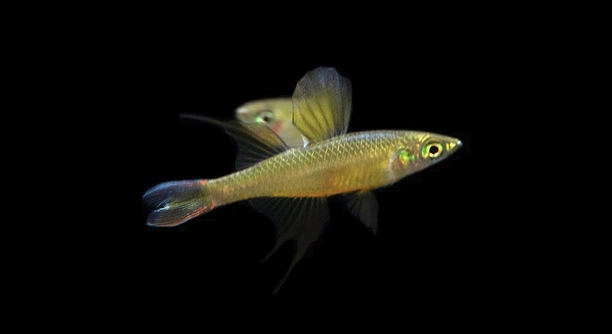
Threadfins are fascinating fish, often admired for their shimmering scales and graceful movements. Observing them in their natural habitat can be rewarding, yet these fish sometimes exhibit behaviors that make them harder to spot than usual.
Threadfins may hide more than usual due to environmental changes, predation threats, or alterations in water conditions. These factors influence their behavior, causing them to seek shelter or remain in less visible areas, affecting both observation and ecological studies of the species.
Understanding why threadfins retreat can help enthusiasts and researchers interpret their behavior more accurately. Recognizing these patterns ensures better care, observation, and appreciation of these often elusive fish.
Changes in Water Temperature
Sudden shifts in water temperature can make threadfins seek cooler or warmer areas, depending on their comfort range. I have noticed that even a few degrees difference can affect where they choose to swim. When the water gets too warm, they often retreat to shaded regions or deeper areas to regulate their body temperature. Cooler water can also make them sluggish, preferring to stay hidden among plants or rocks. Observing their behavior in these conditions helps understand their natural instincts. Proper monitoring of water temperature ensures that they remain healthy and active. Aquariums and natural habitats alike can experience temperature changes, so noticing these subtle shifts in behavior can give clues about their environment. Taking steps to maintain stable temperatures is crucial, as prolonged exposure to unfavorable conditions can stress the fish and reduce their visibility for observation.
Water temperature plays a major role in their activity and visibility. Adjusting conditions carefully keeps them healthy and more visible.
Keeping the water temperature stable creates a safer, more predictable habitat for threadfins. Consistent monitoring allows for timely adjustments, which can prevent hiding behavior and stress. Additionally, maintaining proper temperature supports feeding routines, reproductive behavior, and overall health. Observing their patterns over time reveals how sensitive they are to even small fluctuations. Understanding these behaviors can improve care and interaction with them in both tanks and natural habitats. It also helps explain why sometimes, even with everything appearing normal, threadfins may remain out of sight. This knowledge allows for proactive measures to maintain ideal conditions, ensuring they remain active and observable. Ultimately, temperature awareness is key to managing their environment effectively and supporting their natural behaviors without causing undue stress.
Predation Threats
Threadfins often hide when they sense predators nearby, even if the threat is not immediately visible.
Predation triggers instinctive hiding, and they may choose areas with more cover. This behavior ensures safety and survival in their natural setting.
Observing predation response gives insight into their cautious nature. Small disturbances, movements above the water, or larger fish in the area can make them retreat. They prefer tight spaces, plants, or shaded regions to stay safe. Recognizing these patterns can help in designing environments that reduce stress. Providing enough hiding spots while maintaining open areas allows them to feel secure without isolating them completely. Over time, they adapt to familiar predators or repeated disturbances, but sudden new threats can increase hiding behavior. By understanding these instincts, one can better interpret why threadfins may vanish from sight unexpectedly and ensure they remain comfortable in their habitat.
Low Light Conditions
Threadfins often seek shaded areas when light levels are low, using plants or structures as cover. Reduced light can make them feel safer, prompting them to hide and conserve energy until conditions improve.
Low light triggers instinctive hiding behavior. I have noticed that when sunlight dims or when aquarium lights are weak, threadfins move closer to shadows or under floating vegetation. They prefer areas where they can remain partially hidden, maintaining awareness of their surroundings. In natural habitats, cloudy days or dense canopy cover can make them less visible, while artificial environments with dimmed lighting often produce the same effect. This response helps them avoid potential threats and reduces stress from exposure. Tracking light levels can clarify why their visibility changes at certain times. Adjusting light gradually can encourage more active swimming without disturbing their natural instincts.
Providing both shaded areas and open spaces allows threadfins to choose comfort levels. They are more willing to explore when they feel secure. Balancing light helps maintain normal activity patterns and reduces excessive hiding. Observing their use of shaded zones also reveals preferences in habitat design. Too much bright light may stress them, while complete darkness encourages hiding. Gradual changes in lighting, especially in aquariums, support natural behavior. Monitoring their response to different light conditions ensures that they stay healthy, active, and visible. These small adjustments can make a noticeable difference in how often they are seen swimming freely.
Feeding Times
Threadfins may hide when feeding is irregular or inconsistent, choosing to stay out of sight until conditions feel safe.
Inconsistent feeding schedules affect threadfins’ comfort and activity. I have observed that when meals are delayed or scattered, they become cautious and spend more time in hiding. In their natural habitat, availability of food is unpredictable, so they have adapted to wait in cover until it is safe to feed. In aquariums, irregular feeding can create similar stress, leading them to retreat to plants or corners. Predictable routines encourage them to swim openly and actively. When feeding times are regular, they learn to anticipate food, gradually becoming more visible. Maintaining consistency ensures their energy levels remain stable and their behavior more predictable, reducing prolonged hiding episodes.
Feeding behavior is strongly linked to their sense of safety. Offering food at regular times helps threadfins feel secure.
Regular feeding not only supports nutrition but also builds trust in their environment. I have noticed that when they know exactly when food appears, threadfins are more likely to explore open areas and engage with their surroundings. Erratic schedules create uncertainty, making them retreat into plants or rocks more frequently. Providing consistent portions encourages natural foraging and reduces stress. Additionally, predictable feeding allows for better observation of health and growth patterns. This approach ensures they are not just eating properly but also remaining active and visible. Over time, a structured feeding routine supports their overall wellbeing and encourages a natural rhythm that balances caution with exploration.
Seasonal Changes
Threadfins often hide more during seasonal shifts, adjusting to changes in temperature, light, and food availability. These periods can make them more cautious and less visible in their habitat.
Seasonal changes influence behavior significantly. I have noticed that during transitions between wet and dry seasons, threadfins spend more time in sheltered areas.
Water Clarity
Poor water clarity causes threadfins to stay hidden, as reduced visibility increases their sense of vulnerability. Murky water or suspended particles can make them retreat to safer spots until conditions improve.
Social Dynamics
Threadfins may hide when new fish are introduced or when social hierarchies shift. Changes in group composition can make them more cautious, prompting them to seek cover until they feel secure.
FAQ
Why do threadfins suddenly disappear even in a familiar environment?
Threadfins are sensitive to changes in their surroundings. I have observed that even minor alterations in water temperature, light, or noise can cause them to retreat. They rely on predictable conditions to feel secure. Sudden disturbances, like new objects in the tank or movement above the water, often trigger hiding behavior. In natural settings, the presence of potential predators or unusual environmental shifts can have the same effect. Their disappearance is not a sign of illness but an instinctive response to maintain safety. Allowing them time to adjust usually brings them back into sight gradually.
How can I encourage threadfins to be more visible?
Creating a stable and predictable environment helps threadfins feel safe enough to explore. I make sure feeding times are consistent, light changes are gradual, and water temperature remains steady. Adding hiding spots like plants or rocks while maintaining open swimming areas allows them to choose when to come out. Avoid sudden movements around their habitat, as this can trigger hiding. Gradual interaction and observation also build comfort. Over time, threadfins become more willing to swim openly when they know their environment is safe and consistent.
Do threadfins hide more at certain times of the day?
Yes, threadfins often exhibit diurnal patterns in hiding behavior. I have noticed that early mornings and late evenings are when they seek shelter the most, likely due to lower light and increased perceived vulnerability. Midday, when light is stronger and surroundings are more predictable, they are often more active. Their behavior aligns with natural instincts to balance safety and feeding. In aquariums, mimicking natural light cycles can help them maintain these patterns. Observing these rhythms can make it easier to predict when they are likely to be visible or remain hidden.
Can water quality affect threadfins’ hiding behavior?
Absolutely. Poor water quality, including high ammonia, nitrite, or nitrate levels, can stress threadfins and cause them to hide. I have seen them retreat to corners or behind decorations when water conditions are suboptimal. Regular monitoring and maintenance of water parameters are essential. Clean water, proper filtration, and partial water changes reduce stress and encourage normal swimming behavior. Stress from poor water quality not only increases hiding but can affect feeding, growth, and overall health. Keeping water clean helps maintain a visible, active population.
Will introducing new tank mates increase hiding?
Yes, new tank mates can temporarily increase hiding behavior. Threadfins are cautious when social dynamics change. I have noticed that introducing even one new fish can make them stay in cover longer than usual. They need time to observe and adjust to new companions before resuming normal activity. Providing adequate hiding spots during this period reduces stress. Over time, as they grow accustomed to the new presence and establish social boundaries, their confidence increases, and they begin swimming more openly again. Patience is key during these adjustments.
Do threadfins hide when they are sick?
Hiding can be a symptom of illness. I have observed that sick threadfins often remain in secluded areas, reduce movement, and show changes in color or appetite. While hiding alone is not always a sign of illness, combining this behavior with other symptoms warrants closer attention. Regular observation for changes in swimming patterns, feeding habits, and physical appearance helps detect potential health issues early. Quarantining or treating affected fish may be necessary to prevent the spread of disease and restore normal behavior.
Are threadfins more likely to hide in smaller tanks?
Yes, limited space can increase hiding behavior. In smaller tanks, I notice that threadfins retreat more frequently because they have fewer options for safe areas. Providing vertical and horizontal space, along with decorations or plants for shelter, helps them feel secure. Even in compact setups, creating zones with hiding opportunities and open swimming areas encourages natural behavior. Overcrowding or insufficient shelter leads to constant stress and excessive hiding, which can affect health and activity. Proper tank design ensures they balance safety and exploration.
How long do threadfins typically hide after a disturbance?
The duration varies depending on the severity of the disturbance and individual temperament. I have seen threadfins hide for hours after minor changes, while major disturbances, like sudden water changes or the introduction of new fish, can cause them to remain in hiding for days. Observing their gradual return to open areas indicates comfort levels are improving. Ensuring minimal disruption during this period helps them recover faster. Over time, repeated exposure to non-threatening changes can reduce hiding duration, as they become accustomed to predictable patterns in their environment.
Can feeding methods influence hiding behavior?
Yes, the way food is offered can affect their comfort. I prefer distributing food evenly across the tank rather than dropping it all in one spot. This allows threadfins to forage safely without feeling exposed. Sudden or aggressive feeding can startle them, causing hiding. Gradual, calm feeding routines encourage them to venture into open areas. Observing which spots they prefer for feeding provides insights into their comfort levels and helps optimize habitat setup to reduce hiding tendencies.
Do threadfins hide more during breeding periods?
Breeding can increase hiding as they seek secure spaces for spawning. I have noticed that during these times, they select secluded areas among plants or rocks. This instinctive behavior protects eggs and young from potential threats. Providing extra hiding spots and minimizing disturbances during breeding periods supports their natural behavior and improves reproductive success. Monitoring them carefully ensures they remain healthy and stress-free.
Are some threadfins naturally more shy than others?
Yes, individual temperament varies. I have seen certain threadfins remain hidden longer and react more strongly to environmental changes than others. Personality differences influence how frequently they seek shelter. Understanding these traits helps tailor care routines, habitat design, and observation practices to suit each fish, ensuring comfort and well-being across the group.
Final Thoughts
Threadfins are delicate and sensitive fish that react strongly to changes in their environment. Over time, I have observed that their hiding behavior is not random but often linked to specific factors like water temperature, light, food availability, and social dynamics. Each factor influences their sense of safety, and even minor changes can make them retreat to sheltered areas. Understanding these triggers helps create an environment where they feel secure, reducing stress and encouraging more visible, natural behavior. By paying attention to these patterns, it becomes easier to predict when threadfins may hide and what steps can be taken to support their comfort. This awareness benefits both natural observation and aquarium care, making it possible to balance their need for security with their desire to explore.
Consistency is key when caring for threadfins. Maintaining regular feeding schedules, stable water conditions, and gradual changes in light or temperature can prevent prolonged hiding episodes. I have noticed that when these conditions are predictable, threadfins feel more confident and are more likely to swim openly. Providing a mix of open swimming areas and hiding spots ensures that they have the freedom to choose how exposed they feel. Additionally, recognizing that individual temperament varies is important. Some threadfins are naturally more cautious than others, and expecting uniform behavior can lead to misunderstandings of their needs. Allowing them to express their instincts in a safe environment not only reduces stress but also encourages healthier, more natural behaviors over time. This approach supports both their physical health and their overall well-being.
Observation and patience play an essential role in understanding threadfins. Even with ideal conditions, there will be moments when they prefer to remain hidden. I have learned that forcing interaction or sudden changes can cause unnecessary stress. Instead, providing a stable and comfortable habitat, monitoring water quality, and adjusting feeding or lighting gradually leads to better results. Tracking their behavior over time helps identify patterns and predict how environmental changes may affect them. By approaching care with a combination of attentiveness and restraint, threadfins can thrive while maintaining their natural instincts. This knowledge allows for a more rewarding experience, whether in an aquarium or natural setting, and ensures their health, activity, and visibility remain balanced.

Hello,
If you enjoy the content that we create, please consider saying a "Thank You!" by leaving a tip.
Every little bit helps us continue crafting quality advice that supports the health, happiness, and well-being of pets around the world, for pets of all shapes, sizes, and species.
We really appreciate the kindness and support that you show us!