
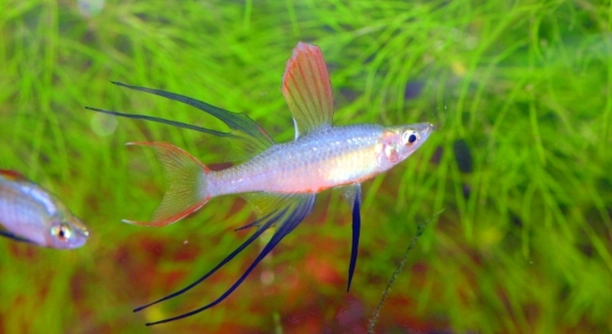
Threadfin spawning is a fascinating event that draws attention from both scientists and casual observers. These fish display unique behaviors during reproduction, which can be subtle yet noticeable in their natural habitats, particularly in shallow waters.
During threadfin spawning, several social cues are commonly observed, including coordinated swimming patterns, tail flicking, body posturing, synchronized movements with nearby fish, vocalizations or sounds, color changes, and specific interactions between males and females that signal readiness for reproduction.
Observing these cues can enhance understanding of threadfin behavior and their reproductive strategies in the wild, providing insight into the dynamics of aquatic life.
Coordinated Swimming Patterns
Threadfin often move in tight, synchronized groups during spawning. This coordinated swimming is not random; it helps protect the group from predators while increasing chances of successful fertilization. Each fish adjusts its speed and direction to match others, creating fluid, wave-like movements. The pattern is particularly noticeable in shallow waters where sunlight penetrates, making the fish’s silvery bodies shimmer. Observing this, you can see how males and females maintain proximity, ensuring that eggs are fertilized efficiently. Young or less experienced fish may struggle to keep pace, highlighting the skill needed for proper coordination. These movements also help maintain spacing, preventing collisions during high activity periods. Predators often have difficulty targeting a single fish in such a fluid formation. In some areas, this behavior is predictable, making it easier to study spawning habits. Watching these patterns gives a deeper appreciation for the complexity of their social behavior during reproduction.
The group’s movement is deliberate, precise, and reflects both protection and reproductive efficiency during spawning events.
These swimming patterns are a clear example of how social coordination increases survival and reproductive success. Observers can track the flow of the school to anticipate spawning locations. Each ripple of movement indicates the fish are aware of each other, responding to subtle cues in real time. This behavior is both protective and functional, showing intelligence in group dynamics. Consistent observation can reveal variations based on water temperature, time of day, and local predator presence. Tracking these patterns over multiple spawning seasons helps identify trends and behaviors specific to threadfin in different habitats, offering insight into their ecological needs.
Tail Flicking and Body Posturing
Tail flicking often accompanies subtle body posturing during spawning. These movements signal readiness and can influence nearby fish.
During spawning, males frequently flick their tails while adjusting their body posture to appear larger and more attractive to females. This movement also serves as a warning to other males to maintain distance, reducing aggressive encounters that could interfere with fertilization. The tail flick is not always rapid; it can be a slow, deliberate gesture that communicates social status. Body posturing includes tilting, arching, or displaying fins prominently, which increases visual impact. Females respond by approaching or moving away depending on interest, creating a nonverbal communication system. These cues are particularly effective in shallow water, where light highlights movements and makes subtle gestures more visible. Observing the combination of tail flicking and posture gives insight into social hierarchies, reproductive readiness, and interaction strategies within a group. Over time, patterns emerge that show consistent behaviors among individuals, highlighting the importance of these cues in successful spawning.
Synchronized Movements with Nearby Fish
Threadfin adjust their speed and direction to match nearby fish, maintaining group cohesion. These movements help prevent collisions, reduce stress, and ensure that eggs are fertilized efficiently during spawning periods.
Synchronized movements are critical during spawning because they increase fertilization success. Males often follow females closely, matching their turns and swimming pace. This coordination allows eggs and sperm to meet in optimal conditions. When one fish accelerates or changes direction, others respond almost instantly. This behavior also minimizes the risk of predation, as a moving group is harder for predators to target. The timing and precision of these movements suggest a high level of social awareness and environmental responsiveness. Observing these patterns over time reveals consistent strategies that threadfin use to maintain spacing, avoid conflicts, and optimize reproductive outcomes.
These synchronized behaviors create a dynamic display in shallow waters, offering a clear window into the complex social interactions during threadfin spawning.
Color Changes and Visual Signals
Threadfin exhibit subtle color changes during spawning, signaling readiness or dominance to other fish. These shifts often highlight fins, scales, or specific body regions.
Color changes serve as visual communication during spawning events. Males may intensify colors to attract females or assert dominance over rivals. Females also display subtle changes to indicate receptivity or hesitation. Light conditions in shallow water enhance these signals, making them more noticeable to nearby fish. These changes are temporary and closely tied to spawning activity, reverting once mating concludes. Observing the timing and location of these color shifts helps identify reproductive behaviors and social hierarchies. The patterns are predictable and consistent, making them a reliable indicator of spawning stages and interactions within the group.
Visual signals, combined with movements and postures, form an integrated system of communication that ensures reproductive success and group coordination.
Vocalizations and Sounds
Threadfin produce low-frequency sounds during spawning. These vocalizations signal presence, readiness, and can help coordinate group movements.
Sounds also serve to deter rival males. Males use vibrations to mark territory and indicate dominance, reducing aggressive encounters while ensuring smoother fertilization processes.
Interactions Between Males and Females
Males approach females with specific displays, combining body postures, fin movements, and gentle nudges. Females respond by moving closer, aligning their swimming, or subtly flicking tails to indicate receptivity. These interactions are brief but repeated throughout the spawning period, ensuring timing and positioning for successful fertilization. Males often compete by displaying stronger visual signals or more frequent nudges, while females assess these cues to select partners. The pattern of interaction is predictable within groups, reflecting an established social system that balances courtship with protection. Observing these behaviors over time reveals the subtle strategies threadfin use to synchronize spawning events efficiently, highlighting the importance of social cues in reproductive success.
Egg Release Timing
Females release eggs in short bursts, often synchronized with male proximity. This ensures fertilization efficiency.
FAQ
How can I identify threadfin during spawning?
Threadfin are identifiable by their long, trailing pectoral fins and silvery bodies. During spawning, their behavior becomes more active and coordinated. You will notice synchronized swimming, tail flicking, and frequent proximity to other fish. Males often display more intense colors, while females adjust their posture and movements to signal receptivity. Shallow waters with good light make these traits easier to observe. Paying attention to these behaviors helps distinguish spawning threadfin from other species in the same habitat.
What social cues are most important during spawning?
The most significant social cues include coordinated swimming, synchronized movements with nearby fish, tail flicking, body posturing, color changes, vocalizations, and direct interactions between males and females. Each cue plays a role in communication, fertilization success, and group cohesion. Males use displays and movements to attract females or assert dominance, while females respond with subtle gestures and alignment. Observing these behaviors together provides a clear picture of how threadfin communicate socially during reproduction, demonstrating their reliance on both visual and auditory signals for coordination.
Do environmental factors affect spawning behavior?
Yes, environmental factors play a significant role in threadfin spawning. Water temperature, depth, light penetration, and the presence of predators can alter behavior. Shallow, sunlit waters often enhance visual signals, making movements and color changes more visible. Predators can influence group cohesion, causing tighter synchronized swimming and quicker tail flicks. Seasonal changes also impact timing, with spawning generally occurring during periods that maximize egg survival. Understanding these environmental influences is essential for studying threadfin reproduction or observing them in the wild.
Why do males display color changes during spawning?
Males change colors to signal reproductive readiness and assert dominance. Intensified hues attract females and indicate competitive strength to rival males. These color shifts are temporary, closely linked to spawning events, and typically revert once reproduction ends. Observing these changes alongside other social cues helps determine the timing and intensity of spawning activity. Color changes are especially noticeable in clear, shallow water, where sunlight enhances visibility.
How do females communicate receptivity to males?
Females use subtle body movements and tail flicks to indicate readiness. They may align their swimming with males or slightly adjust posture to signal interest. These nonverbal cues are essential for coordinating spawning timing, ensuring eggs and sperm meet efficiently. Female signals are generally understated but consistent, allowing males to recognize receptivity without excessive confrontation or aggression.
Are vocalizations critical to spawning success?
Yes, vocalizations help synchronize movements and reduce conflicts. Low-frequency sounds emitted by males communicate presence and territorial boundaries. These sounds can also help attract females or maintain group cohesion. Observing these auditory signals alongside visual cues provides a more complete understanding of social interactions during spawning. Threadfin rely on a combination of sight and sound to maximize reproductive efficiency.
Can I observe threadfin spawning without disturbing them?
It is possible by maintaining distance and avoiding sudden movements. Using shallow areas or natural observation points allows you to watch behaviors like synchronized swimming, tail flicking, and courtship displays without causing stress. Minimal interference ensures that social cues remain authentic and that spawning events proceed naturally. Observing patiently over time increases the likelihood of seeing complete behavioral sequences.
How long does a spawning event typically last?
A spawning session can last from a few minutes to several hours, depending on group size, environmental conditions, and individual readiness. Males and females may repeat sequences multiple times within a single event to maximize fertilization. Short bursts of egg release, coordinated with social cues, are common. Timing is precise, with most interactions occurring in periods of optimal light and temperature.
Do all males display the same behaviors?
No, behaviors vary based on dominance, size, and experience. Dominant males often display more intense colors, frequent tail flicks, and assertive postures. Subordinate males may adopt less conspicuous behaviors, following females quietly or mimicking movements to avoid conflict. These differences influence reproductive success and highlight a social hierarchy within spawning groups.
How can observing these behaviors help in conservation?
Understanding social cues and spawning behaviors helps identify critical habitats and optimal conditions for reproduction. Conservation efforts can focus on protecting shallow waters, controlling predator impacts, and maintaining water quality. Observing timing, movement patterns, and interaction strategies informs management decisions that support threadfin population stability and long-term survival.
Final Thoughts
Threadfin spawning displays a remarkable combination of social behavior and environmental adaptation. Observing these fish reveals patterns of coordination, communication, and subtle signaling that are crucial for reproductive success. Each fish contributes to the group’s overall efficiency, whether through synchronized swimming, tail flicking, or adjusting body posture to signal readiness. These behaviors are not random; they have evolved to ensure that eggs and sperm meet effectively, increasing the chances of survival for the next generation. Shallow waters provide the perfect setting for these activities, allowing light to highlight movements and color changes, which are vital forms of communication. The repetition of these patterns across different spawning events demonstrates that threadfin rely on consistent social cues to maintain cohesion and avoid conflicts. Watching these interactions can feel almost meditative, as the group moves in harmony while still maintaining individual roles and responsibilities within the social structure.
Understanding the visual and auditory signals used by threadfin helps reveal the complexity of their social organization. Males use color changes, body postures, and low-frequency sounds to attract females or assert dominance, while females respond through alignment, subtle tail flicks, and positioning. This exchange of signals ensures that spawning is synchronized, reducing wasted effort and minimizing aggressive encounters. Environmental factors, such as water temperature, light conditions, and predator presence, further shape these behaviors. For example, stronger sunlight enhances visual signals, while predator threats increase group cohesion and movement precision. Even small changes in the environment can alter the timing or intensity of these behaviors. Observing these patterns over multiple seasons provides a detailed picture of how threadfin adapt their strategies to maximize reproductive success while maintaining safety. It also demonstrates the delicate balance between natural instincts and environmental cues that drives their behavior.
These insights into threadfin spawning offer more than just curiosity; they provide practical understanding for studying and conserving the species. By recognizing the social cues, timing, and environmental needs of these fish, it becomes easier to identify critical habitats and the conditions that support successful reproduction. Researchers and observers can track spawning activity more effectively, allowing for informed decisions about conservation strategies. Even casual observation can be rewarding, as it highlights the subtle intelligence and coordination that these fish display in their natural habitat. Paying attention to their interactions—synchronized swimming, tail flicking, color changes, vocalizations, and courtship behaviors—reveals a complex social system that supports reproductive success. These behaviors remind us that even small fish can display intricate patterns of communication and cooperation, emphasizing the importance of preserving both species and habitat for the long-term stability of aquatic ecosystems.

Hello,
If you enjoy the content that we create, please consider saying a "Thank You!" by leaving a tip.
Every little bit helps us continue crafting quality advice that supports the health, happiness, and well-being of pets around the world, for pets of all shapes, sizes, and species.
We really appreciate the kindness and support that you show us!