
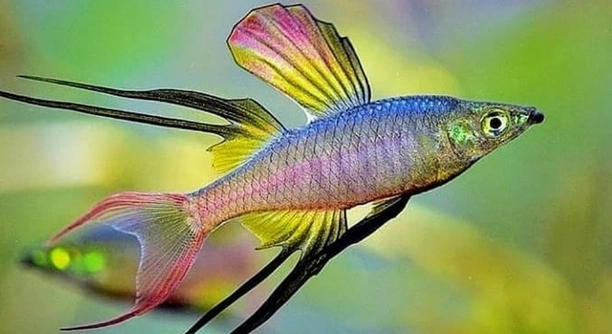
Do your skittish threadfins dart around at the slightest movement, leaving you unsure of how to create a calm environment for them? These sensitive fish need careful handling to feel secure in their tanks.
Managing the environment for threadfins involves controlling light levels, water flow, and tank decorations. Providing stable water conditions, minimal sudden movements, and hiding spaces reduces stress and promotes natural behavior, ensuring the fish remain healthy and less reactive.
Making small, thoughtful adjustments can significantly improve the well-being of your threadfins and help them thrive in their aquatic home.
Lighting Adjustments
Threadfins are highly sensitive to sudden changes in light, which can cause stress and erratic swimming. Maintaining consistent lighting in the tank helps them feel secure. Avoid bright overhead lights or rapid shifts between dark and light periods. Using dimmable LED lights or floating plants to diffuse sunlight can create a natural, calming environment. Many aquarists notice that threadfins are more relaxed when light levels mimic their natural habitats, with gentle transitions at dawn and dusk. Consistency is key; sudden changes, such as turning on a strong light abruptly, can startle the fish and increase stress hormones. Observing their behavior during different lighting conditions allows you to fine-tune the setup. Providing areas of shade with plants or decor gives threadfins a place to retreat when they feel exposed. Even minor adjustments in lighting timing can significantly improve their overall comfort and reduce jumpiness. Over time, calmer fish are easier to feed and monitor for health concerns.
Gradual lighting changes reduce stress and support natural activity patterns in threadfins, improving their behavior and overall tank harmony.
A well-planned lighting setup can also enhance the appearance of the tank while supporting the natural behavior of threadfins. By mimicking their natural light cycles, you allow them to develop predictable routines for feeding and resting. Combining shaded areas, gentle overhead lighting, and natural daylight exposure creates a balanced environment. Threadfins respond positively to this, showing less frantic swimming and more interaction with their surroundings. Consistent light also encourages healthier growth and coloration, which can be an indicator of overall wellbeing. Observing your fish daily helps identify the right intensity and duration of light, allowing for small adjustments without causing stress. Over time, this approach fosters a stable, comfortable habitat that reduces fear responses. Even small lighting improvements can have a measurable impact on the fish’s activity level, feeding habits, and interactions with tank mates.
Water Flow and Circulation
Excessive water currents can overwhelm threadfins, making them skittish and anxious. Moderate, consistent flow is ideal for their comfort and natural swimming behavior.
Regulating water movement involves adjusting filters, pumps, or aeration devices to prevent strong currents. Creating areas of calmer water with rocks or plants allows threadfins to rest and explore safely. High turbulence increases stress and can cause injuries if fish collide with decor or tank walls. Many aquarists find that slow, steady circulation mimics the natural streams and rivers where threadfins originate. Observing their swimming patterns helps determine if adjustments are needed. Calm zones should be strategically placed, ensuring the fish can move freely without being forced into strong currents. This approach not only reduces stress but also supports natural feeding behavior, as threadfins prefer moderate water movement when hunting small prey.
Balancing water flow ensures threadfins remain active without becoming overly stressed, which benefits both health and tank dynamics.
Proper water flow management contributes significantly to the overall health of threadfins. Sudden changes in circulation or overly strong currents can trigger constant darting and hiding behavior, which elevates stress levels and suppresses appetite. By carefully calibrating pumps and filters, aquarists can create a mix of gentle currents and still zones that allow threadfins to swim naturally and feel secure. Adding rocks, driftwood, or dense plant clusters provides shelter from strong flow and encourages exploration of different areas. Observing fish behavior after adjustments reveals how well they adapt, highlighting areas where additional calm spots may be necessary. Consistent monitoring ensures the environment remains optimal, preventing chronic stress. Over time, properly managed water flow supports growth, enhances coloration, and encourages normal feeding patterns, reducing the risk of illness or injury. The combination of controlled circulation and thoughtful tank layout creates a safe, stimulating habitat for threadfins.
Hiding Spaces
Threadfins feel safer with adequate hiding spots in the tank. Rocks, plants, and small caves provide secure areas where they can retreat and reduce stress.
Providing multiple hiding spaces allows threadfins to choose where they feel most comfortable, decreasing skittish behavior. Plants and driftwood can create natural barriers that mimic their native habitat. Threadfins often use these areas to rest, avoid aggression, or escape sudden movements. Without enough hiding spots, fish may remain in constant motion, increasing stress and vulnerability to disease. Proper placement of decor ensures that hiding spaces are accessible but do not block swimming areas. Observing which areas they prefer can help in arranging the tank to meet their behavioral needs. Well-structured hiding spots improve overall tank harmony.
Adequate hiding spaces not only reduce stress but also encourage natural exploration. Threadfins interact more confidently with their environment, leading to healthier and calmer behavior.
Consistent Feeding Schedule
Threadfins respond well to predictable feeding routines, which lowers anxiety and promotes natural behavior. Providing small, frequent meals keeps them active without overwhelming them.
Establishing a consistent feeding schedule ensures threadfins know when and where to find food. Skittish fish may avoid eating if feeding times are irregular, leading to nutritional deficiencies. Offering the same type and portion of food daily helps them develop routine feeding habits. Using feeding tools like tweezers or feeding rings can target food to calmer areas of the tank, minimizing stress during meals. Monitoring their response allows adjustments to portion size or timing, supporting healthy growth and reducing aggressive competition. Gradually, threadfins become more confident and show natural hunting behaviors, improving overall wellbeing.
Regular, predictable feeding reinforces security and stability in threadfins, supporting both physical health and emotional comfort. Controlled feeding reduces sudden movements and allows fish to engage safely with their surroundings.
Tank Size and Layout
Threadfins need sufficient space to swim freely. Crowded tanks increase stress and trigger skittish behavior. Proper spacing between decor and open swimming areas allows them to move without fear.
A thoughtfully arranged tank balances open swimming zones with secure hiding spots. Overcrowding leads to competition and anxiety, while too few decorations leave fish exposed. Maintaining an appropriate fish-to-tank ratio supports calm, natural movement.
Water Quality Maintenance
Regular water testing and maintenance are essential for threadfin health. Poor water conditions increase stress and reduce immunity, making them more reactive and prone to illness. Stable temperature, pH, and low ammonia levels support calmer behavior and overall vitality.
Tank Mates
Choosing compatible tank mates is crucial. Aggressive or fast-moving species can frighten threadfins and disrupt their routine.
Properly selected companions help threadfins feel secure while encouraging natural social interaction. Avoid overcrowding, and ensure all fish have space to retreat if stressed.
FAQ
Why are my threadfins so skittish?
Threadfins are naturally sensitive and easily stressed by sudden movements, bright lights, or loud vibrations. Environmental instability, overcrowding, and aggressive tank mates can worsen their behavior. Ensuring stable water conditions, sufficient hiding spaces, and gentle lighting reduces their anxiety.
How can I make my threadfins feel safe in the tank?
Providing multiple hiding spots, moderate water flow, and a calm environment helps threadfins feel secure. Plants, rocks, and small caves give them places to retreat. Maintaining a predictable feeding schedule and consistent tank conditions reinforces security and lowers stress levels.
What type of lighting is best for skittish threadfins?
Dim, consistent lighting with gradual transitions between light and dark periods is ideal. Using floating plants or diffusers can soften bright light. Avoid sudden flashes or turning lights on abruptly, as this triggers stress responses and erratic swimming.
How often should I feed my threadfins?
Small, frequent feedings are better than one large meal. Predictable feeding times encourage routine and reduce anxiety. Monitor their appetite and adjust portions to prevent overfeeding, which can affect water quality and increase stress.
What water flow is suitable for threadfins?
Moderate, steady currents are preferred. Strong, turbulent water makes them nervous and may cause injuries. Creating calm areas with rocks or dense plant clusters allows threadfins to rest safely and maintain natural swimming behavior.
Can tank mates affect threadfin behavior?
Yes, aggressive or overly active species can frighten threadfins and increase stress. Choose peaceful, compatible fish that share similar environmental needs. Avoid overcrowding and provide enough space for all fish to retreat when needed.
How important is water quality for threadfins?
Extremely important. Poor water quality stresses threadfins, making them skittish and prone to disease. Regularly test for ammonia, nitrites, nitrates, and pH, and perform consistent water changes. Stable temperature also supports their overall health and comfort.
Do hiding spaces really make a difference?
Absolutely. Threadfins use hiding spots to reduce exposure to potential threats and feel safe exploring the tank. Multiple, accessible spots reduce stress and encourage natural behaviors like resting, feeding, and swimming confidently.
How can I tell if my threadfins are stressed?
Signs include darting, hiding constantly, loss of appetite, or unusual swimming patterns. Sudden color changes or clamped fins are also indicators. Observing behavior daily helps identify issues early, allowing prompt adjustments to the environment.
Are threadfins more active at certain times?
Yes, they often have peak activity during moderate light periods and calmer water conditions. Providing a stable environment with predictable lighting and feeding helps regulate their daily routine, reducing anxiety and encouraging consistent behavior.
How do I arrange the tank for their comfort?
Balance open swimming spaces with secure hiding areas. Avoid overcrowding, and place plants or decor strategically to create shaded areas. Ensure pathways for movement remain clear to prevent stress while maintaining natural exploration opportunities.
What should I do if my threadfins are still skittish?
Evaluate all environmental factors: lighting, water quality, flow, tank mates, and hiding spots. Small, incremental adjustments are better than sudden changes. Patience and consistent observation allow threadfins to adapt gradually and feel secure.
Can diet influence skittish behavior?
Indirectly, yes. A proper diet supports health and energy, making fish more resilient to stress. Avoid overfeeding, offer high-quality foods, and maintain a predictable feeding schedule to reinforce routine and reduce anxiety.
How often should I perform water changes?
Routine water changes, generally 20–25% weekly, maintain water quality and stability. Frequent partial changes prevent accumulation of harmful chemicals and reduce sudden environmental stressors that make threadfins nervous.
Do threadfins need plants in their tank?
Plants provide shade, hiding spots, and a sense of security. Live or artificial plants help mimic natural habitats, giving threadfins areas to retreat and explore safely. This improves behavior and lowers stress levels significantly.
Can temperature fluctuations make them skittish?
Yes, threadfins prefer stable temperatures. Sudden shifts cause stress and erratic behavior. Monitoring the tank heater and avoiding placement near windows or drafty areas ensures consistent warmth, supporting calm behavior and overall health.
How do I introduce new fish without stressing threadfins?
Quarantine new fish first, then introduce them slowly, using visual barriers or separate compartments initially. Gradual acclimation allows threadfins to adjust without sudden exposure to unfamiliar movement or competition.
Is tank size critical for their behavior?
Yes, a spacious tank reduces stress and allows natural swimming. Overcrowding increases fear and aggression, making threadfins skittish. Providing ample room for swimming, hiding, and social interaction promotes calm and healthy behavior.
Do threadfins react to human presence?
They can be startled by sudden movements or tapping on the glass. Approaching the tank slowly and consistently helps them associate humans with minimal threat, gradually reducing fear over time.
How long does it take for threadfins to adjust?
Adjustment varies, but with stable conditions, gradual changes, and proper care, threadfins often become noticeably calmer within a few weeks. Consistency is key to building trust and comfort in their environment.
Can water pH changes affect their stress levels?
Yes, threadfins are sensitive to sudden pH shifts. Maintaining stable, appropriate pH levels reduces anxiety, encourages feeding, and prevents erratic swimming, supporting overall health and tank harmony.
What is the best way to monitor their stress?
Daily observation is essential. Look for darting, hiding, clamped fins, or changes in appetite. Tracking these behaviors alongside environmental conditions allows timely interventions, keeping threadfins calm and healthy.
Are there specific tank decorations that help reduce stress?
Decorations that provide shelter, like caves, rocks, and plants, reduce exposure and offer retreat areas. Avoid sharp edges or unstable structures that can cause injury. Thoughtful placement enhances security and encourages natural exploration.
How can I maintain calm behavior long-term?
Consistency in feeding, lighting, water quality, and tank mates ensures threadfins remain relaxed. Observing behavior, making gradual adjustments, and providing a structured environment support long-term well-being and reduce skittish responses.
Is it normal for threadfins to hide most of the time?
Frequent hiding can indicate stress or insecurity. Ensuring proper tank layout, gentle water flow, and adequate hiding spots while minimizing disturbances encourages more confident swimming and exploration.
Can supplements or vitamins help reduce stress?
Proper nutrition supports health, indirectly lowering stress. High-quality food with essential nutrients ensures threadfins have energy to cope with environmental challenges, promoting calmer behavior and stronger immunity.
What is the role of tank maintenance in reducing skittish behavior?
Regular cleaning, water testing, and equipment checks maintain stable conditions. Consistency reduces sudden changes that trigger fear responses, supporting calm, confident, and healthy threadfins.
How do I know if changes are effective?
Observe behavior over days or weeks. Reduced darting, more relaxed swimming, consistent feeding, and use of hiding spots indicate positive adjustments. Patience and careful monitoring ensure lasting results.
Are threadfins more sensitive than other fish species?
Yes, they are naturally cautious and responsive to environmental changes. Providing stable, gentle conditions is critical to reduce stress and encourage normal, healthy behavior.
Can lighting color affect their comfort?
Soft, natural-toned lighting is preferable. Harsh or colored lights can increase stress. Gradual transitions and diffused light create a calmer environment and support natural daily routines.
Do seasonal changes impact their behavior?
Sudden shifts in temperature, light, or water chemistry due to seasonal changes can stress threadfins. Adjusting tank conditions gradually and monitoring water parameters helps maintain stability year-round.
Is it necessary to observe them daily?
Yes, daily observation allows early detection of stress, illness, or environmental issues. Prompt action minimizes anxiety and promotes stable, healthy behavior.
What is the most effective strategy to calm threadfins?
Consistency in feeding, lighting, water flow, tank mates, and hiding spaces creates a predictable, secure environment. Patience and gradual adjustments reinforce calm behavior over time, improving both health and well-being.
How can I prevent recurring skittish behavior?
Maintain stable tank conditions, avoid sudden disturbances, provide adequate hiding spots, monitor water quality, and select compatible tank mates. Regular observation and minor adjustments prevent stress from returning.
What small changes make the biggest difference?
Gradual lighting adjustments, adding shaded areas, fine-tuning water flow, and introducing consistent feeding routines significantly reduce anxiety. Small, incremental changes are more effective than major sudden modifications.
Can temperature, pH, and hardness all affect stress simultaneously?
Yes, sudden shifts in any of these parameters trigger stress responses. Maintaining stability across temperature, pH, and water hardness ensures threadfins remain calm, healthy, and more confident in their environment.
How long before I see improvements after changes?
Calmer behavior can appear within a few days to weeks, depending on the severity of stress and consistency of environmental adjustments. Patience and steady care are essential for lasting results.
Are there signs that indicate long-term stress?
Persistent hiding, lack of appetite, faded coloration, or repeated erratic swimming signal chronic stress. Immediate evaluation of tank conditions, diet, and tank mates is necessary to prevent health decline.
Do threadfins respond to enrichment activities?
Yes, gentle enrichment like floating plants, slow-moving feeding routines, or safe objects to explore encourages natural behaviors, reduces anxiety, and promotes interaction with their environment.
Is water temperature more important than lighting for calm behavior?
Both are important. Stable temperature prevents physiological stress, while consistent lighting regulates daily activity patterns. Balancing both ensures threadfins feel secure and behave naturally.
How can I tell if tank mates are causing stress?
Frequent chasing, darting, or hiding often points to incompatible species. Observing interactions helps determine if adjustments or separation are needed to maintain calm behavior.
What should I prioritize first to reduce skittishness?
Start with water quality, then focus on hiding spots, gentle lighting, moderate water flow, and compatible tank mates. Gradual improvements yield steady, long-lasting reductions in stress.
Can minor changes in decor really impact stress?
Yes, even small additions of plants, rocks, or shelters can significantly reduce fear responses by providing secure areas for retreat and exploration, improving overall behavior and confidence.
How can I track progress effectively?
Keep notes on feeding behavior, swimming patterns, and hiding frequency. Documenting observations over time helps identify successful adjustments and highlights areas needing further attention.
Are threadfins more comfortable in planted tanks?
Yes, planted tanks provide natural hiding spots, shade, and areas to explore. Plants help replicate their native habitat, reducing stress and encouraging calm, natural behavior.
Is water circulation adjustment necessary for all tanks?
Yes, balancing flow prevents stress and ensures safe, comfortable swimming conditions. Even minor tweaks to pumps or filters can make a noticeable difference in behavior.
How do I prevent future skittish episodes?
Maintain stability in lighting, water parameters, tank mates, and hiding spaces. Gradual adjustments, regular monitoring, and consistent routines reduce stress and promote long-term calm behavior.
Can stress impact health directly?
Yes, chronic stress suppresses immunity, reduces appetite, and increases vulnerability to disease. Managing environmental factors and minimizing disturbances is critical for long-term health.
Are threadfins adaptable over time?
Yes, with consistent care, gradual changes, and a secure environment, threadfins become less skittish and more confident, displaying natural swimming, feeding, and social behaviors.
Is tank cleanliness linked to stress?
Yes, clean tanks with stable parameters reduce environmental stressors. Regular water changes, substrate cleaning, and filter maintenance prevent chemical buildup that can trigger anxiety.
Do threadfins prefer specific tank zones?
They often use shaded or calm areas for resting and hiding. Providing accessible zones allows choice, increasing comfort, and reducing constant skittish behavior.
Can routine human interaction help?
Slow, consistent interaction can reduce fear of movement outside the tank. Over time, threadfins may become accustomed to humans without showing heightened stress.
Are there seasonal adjustments needed for comfort?
Minor seasonal tweaks in temperature or lighting may be necessary. Gradual adaptation prevents stress and maintains stable behavior throughout the year.
Is frequent monitoring stressful for threadfins?
Observing without sudden movements or tapping is safe. Careful, calm monitoring allows early detection of issues without increasing fear or anxiety.
Do threadfins respond to sudden noises?
Yes, loud or abrupt sounds startle them. Minimizing disturbances near the tank helps maintain calm behavior and reduces repeated stress reactions.
How long should I wait between major tank changes?
Allow at least several days to weeks between adjustments. Gradual changes prevent overwhelming the fish, giving them time to adapt safely to new conditions.
Can water additives reduce stress?
Certain natural stress-reducing supplements can help, but the primary focus should be on stable water conditions, hiding spots, and calm tank mates. Proper care outweighs chemical solutions.
Are threadfins naturally more skittish than other fish?
Yes, they are sensitive to environmental changes and prone to stress. Creating predictable, safe conditions is essential to reduce nervous behavior and support health.
Do temperature, lighting, and tank mates interact to influence stress?
Yes, each factor affects comfort levels. Balanced lighting, stable temperature, and compatible companions work together to reduce fear responses and encourage confident swimming.
Can stress affect coloration?
Yes, stressed threadfins may appear pale or dull. Maintaining calm, stable conditions helps preserve natural colors and indicates overall well-being.
What are early warning signs of stress?
Erratic swimming, constant hiding, clamped fins, and loss of appetite are key indicators. Addressing environmental or dietary issues promptly prevents long-term problems.
Is patience important when adjusting the tank?
Absolutely. Threadfins adapt slowly, and gradual improvements in lighting, water flow, hiding spaces, and tank mates lead to lasting calm behavior.
Can diet consistency help reduce skittishness?
Yes, predictable feeding routines provide structure, reduce competition, and promote confidence. High-quality food supports health, indirectly lowering anxiety and stress.
How do I maintain calm behavior long-term?
Regular monitoring, stable conditions, and consistent routines across feeding, lighting, water flow, and tank mates ensure threadfins remain relaxed, healthy, and responsive to their environment.
What is the biggest factor in reducing skittish behavior?
Stability. Consistent water quality, gentle lighting, moderate flow, secure hiding spaces, and compatible tank mates collectively create a safe, predictable environment for threadfins to thrive.
Can small daily routines impact their comfort?
Yes, consistent observation, feeding, and maintenance build security. Threadfins learn routines and feel safer, reducing sudden reactions and promoting natural, confident behavior.
Are there behaviors that indicate improvement?
Calmer swimming, regular feeding, increased exploration, and occasional social interaction indicate progress. Noticing these changes helps confirm that environmental adjustments are effective.
Is it possible for threadfins to fully adapt to a tank?
Yes, with patience, proper care, and consistent routines, threadfins gradually become more confident, displaying relaxed behavior, natural swimming patterns, and reduced fear responses.
Do tank placement and surroundings matter?
Yes, placing the tank away from high-traffic areas, loud sounds, or sudden vibrations minimizes stress, helping threadfins feel secure and behave naturally.
How can I keep track of successful adjustments?
Maintain a log of water parameters, feeding times, and observed behaviors. Comparing trends over weeks shows which adjustments reduce stress and improve overall comfort.
Can minor equipment changes affect behavior?
Yes, even adjustments to filters, heaters, or lighting can impact comfort. Gradual modifications help threadfins adapt without triggering skittish reactions.
Are there signs that indicate long-term comfort?
Consistent exploration, regular feeding, relaxed swimming, bright coloration, and use of hiding spaces suggest that threadfins feel safe and content in their environment.
Do threadfins need social interaction with other fish?
Yes, gentle, compatible tank mates provide interaction without causing stress. Observing relationships helps maintain a balanced, calm tank dynamic.
Can sudden introduction of new fish cause permanent fear?
If not managed carefully, it may increase long-term anxiety. Gradual introduction, quarantine, and monitoring reduce negative impact, allowing threadfins to adapt safely.
Is tank stability more important than decoration?
Yes, stable water quality, temperature, and compatible tank mates have a greater impact on stress than aesthetic arrangements, though decorations aid comfort and security.
How do I know if environmental changes are too fast?
Signs include darting, constant hiding, clamped fins, or loss of appetite. Slow, incremental adjustments allow threadfins to adapt without heightened stress.
Can stress affect growth?
Yes, prolonged stress reduces appetite, slows growth, and impacts immune function. Maintaining a stable environment supports normal development and overall health.
What’s the final step in calming skittish threadfins?
Monitor behavior, make gradual adjustments, maintain stable conditions, and ensure consistent feeding, lighting, and hiding spaces. Patience and observation create lasting comfort.
How often should I reassess tank conditions?
Weekly checks of water parameters, tank layout, and fish behavior ensure ongoing stability, helping threadfins remain calm and confident.
Can threadfins recover from past stress?
Yes, with careful care, consistent routines, and gradual adjustments, threadfins can regain confidence, resume natural behavior, and maintain long-term well-being.
Does tank size continue to matter as they grow?
Yes, adequate space prevents overcrowding and stress. Ensuring open swimming areas and accessible hiding spots remains essential for comfort and calm behavior.
Are there signs that indicate the tank environment is perfect?
Regular feeding, calm swimming, exploration, healthy coloration, and occasional interaction with tank mates indicate optimal conditions and minimal stress for threadfins.
How can I prevent setbacks in behavior?
Maintain consistency in feeding, lighting, water flow, and tank mates. Monitor for changes and make gradual adjustments as needed to avoid new stress triggers.
Do threadfins show individual differences in skittishness?
Yes, some may be naturally bolder while others remain cautious. Tailoring hiding spaces, flow, and feeding routines to individual needs ensures all fish feel secure.
Is patience the most important factor in success?
Absolutely. Threadfins require gradual changes, consistent routines, and gentle care. Patience ensures adjustments are effective and long-lasting, supporting calm, healthy behavior.
Can environmental stability reduce medical issues?
Yes, low-stress environments
Threadfins are naturally sensitive fish that respond strongly to changes in their environment. Their skittish behavior is often a reflection of stress caused by sudden movements, improper water conditions, or a lack of secure spaces. Creating a stable and calm habitat is the most effective way to reduce anxiety and support their overall well-being. Maintaining proper water quality, including temperature, pH, and ammonia levels, is essential. Consistent feeding routines also play a critical role, as threadfins thrive on predictability. When fish know when and where to find food, they become more confident and less reactive. Hiding spaces, such as plants, rocks, or small caves, allow them to retreat when they feel threatened. These secure areas provide a sense of control over their surroundings and reduce stress-related behaviors like darting or clamping fins.
Lighting and water flow are additional factors that significantly impact threadfin behavior. Sudden bright lights or rapid changes in lighting can startle them, while overly strong currents can overwhelm their swimming abilities. Gentle, gradual transitions in light and moderate water flow help create a more natural environment. Observing their reactions to these conditions allows adjustments that promote calm behavior. Tank mates also need careful consideration, as aggressive or fast-moving fish can cause stress. Selecting compatible species and avoiding overcrowding ensures threadfins have enough space to move, feed, and interact safely. Even small changes, such as adding a few extra hiding spots or adjusting the flow, can make a measurable difference in their comfort. Over time, these adjustments help threadfins display normal behaviors and improve their overall health.
Patience and consistency are essential when caring for skittish threadfins. They require gradual, incremental changes rather than sudden alterations that can increase stress. Monitoring behavior daily provides insights into what adjustments are effective and where improvements are needed. Over time, threadfins can become noticeably calmer and more confident in their environment. Stability in water conditions, lighting, feeding, tank layout, and tank mates ensures a secure habitat that supports their natural behavior. By focusing on these factors, fishkeepers can reduce anxiety, improve health, and create a tank where threadfins thrive. Thoughtful, steady care makes a significant difference in their well-being and allows these sensitive fish to feel safe, explore freely, and maintain long-term comfort.

Hello,
If you enjoy the content that we create, please consider saying a "Thank You!" by leaving a tip.
Every little bit helps us continue crafting quality advice that supports the health, happiness, and well-being of pets around the world, for pets of all shapes, sizes, and species.
We really appreciate the kindness and support that you show us!