
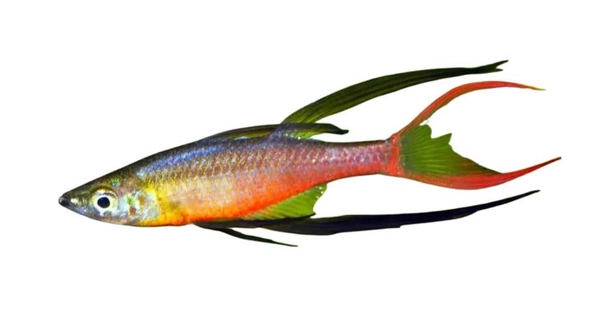
Are your threadfins acting restless or avoiding interaction in ways that seem unusual? Many fish owners notice subtle behaviors that indicate their aquatic pets are experiencing more stimulation than they can comfortably handle.
Threadfins display overstimulation through a range of behavioral and physiological responses. Signs include erratic swimming patterns, reduced feeding, heightened sensitivity to touch or light, and frequent hiding. Recognizing these signals early is essential for maintaining their health and well-being.
Identifying these behaviors allows you to make simple adjustments that improve their environment and overall comfort in the tank.
Erratic Swimming and Restlessness
When threadfins feel overstimulated, one of the first signs you’ll notice is erratic swimming. They may dart around the tank, bump into objects, or chase other fish for no clear reason. This behavior usually stems from an overload of sensory input, such as bright lighting, excessive movement outside the tank, or strong water currents. Threadfins are sensitive by nature, and when their surroundings become too intense, their natural instinct is to move rapidly in search of comfort. Over time, this kind of stress can wear them down, making them more prone to illness and reducing their overall vitality. Maintaining a calm, stable environment helps them regulate their activity levels and feel more secure in their surroundings.
Excessive movement is not just a behavioral issue—it’s a physical sign that their nervous system is under stress. Reducing tank noise, lighting, and frequent disturbances often brings visible improvement.
Monitoring their swimming patterns daily helps you understand when their energy shifts from playful to anxious. Soft lighting, balanced water flow, and consistent feeding routines create stability. Gradually adjusting these conditions allows your threadfins to regain their calm and swim gracefully again.
Hiding and Withdrawal
Threadfins may also start hiding more often when they’re overstimulated. They retreat to shaded corners or behind plants to escape bright light, excessive vibration, or tank activity. This withdrawal can seem harmless at first, but frequent hiding often signals that their environment feels too chaotic or stressful for them to handle.
Creating a comfortable space for your threadfins involves balancing stimulation and rest. A well-structured tank with enough plants and hiding spots helps them feel protected while still allowing visibility and interaction. Avoid placing the tank near loud areas like televisions or high-traffic spots. Instead, maintain a consistent lighting schedule and moderate the water current. Feeding them at regular intervals also builds a sense of predictability. These small adjustments encourage them to return to open swimming and social behavior. Observing their habits closely helps you recognize when their need for calm increases, giving you time to restore balance before stress affects their health.
Loss of Appetite
When threadfins become overstimulated, their appetite often decreases. They may ignore food that they normally enjoy or eat very little. This change in eating behavior is a direct sign that stress is affecting their comfort and sense of security in the tank.
A loss of appetite in threadfins is often linked to environmental factors such as sudden light changes, excessive noise, or irregular feeding schedules. These disruptions trigger anxiety, making them hesitant to eat. Reducing stimulation by dimming lights and maintaining quiet surroundings helps restore their feeding routine. Keeping the tank calm during feeding times encourages them to associate food with safety again.
It’s also important to monitor the water’s temperature and quality. Poor conditions can amplify stress, worsening appetite issues. Regular maintenance, clean filters, and stable parameters all support healthy digestion and comfort. Once threadfins feel secure again, their natural hunger usually returns within a few days.
Aggressive Behavior
Overstimulation can make threadfins act more aggressively toward their tank mates. They may chase, nip, or flare their fins frequently, behaviors that are uncommon when they feel calm and safe. This aggression stems from heightened stress rather than dominance or territorial instinct.
The first step in addressing aggression is identifying what’s overwhelming them. Overcrowded tanks, excessive lighting, and strong currents all contribute to sensory overload. Providing visual barriers like plants or rocks gives them a sense of territory and security. Adjusting the tank’s lighting to a softer level can quickly reduce tension. Consistent water quality also plays a major role in calming their nerves. Threadfins thrive in stability, so keeping every environmental factor balanced is key. By recognizing these subtle shifts and making gradual changes, you can help your fish feel relaxed again, restoring peace and harmony within their environment.
Faded Colors
When threadfins are overstimulated, their vibrant colors begin to fade. This dulling effect happens because stress affects their immune and hormonal balance. Overexposure to bright light, constant movement, or sudden environmental changes often triggers this visible shift in appearance.
Maintaining a consistent environment helps restore their natural hues. Soft lighting, calm surroundings, and balanced water conditions allow them to recover gradually. Avoid making frequent adjustments to the tank setup, as threadfins react strongly to disruption. Once calm returns, their coloration usually brightens back to its healthy state.
Rapid Gill Movement
An overstimulated threadfin often breathes faster than normal, showing rapid gill movement. This occurs when they experience sensory overload, causing stress that affects their oxygen regulation. It’s a clear sign that their environment is too intense or unstable for them to handle comfortably.
Reducing stimulation is essential. Check for strong currents, high temperatures, or excessive noise near the tank. Each of these can increase anxiety, making breathing difficult. Keeping water parameters steady and allowing a quiet, low-light period each day helps calm their system. When stress decreases, their gill movement usually returns to normal pace.
Glass Surfing
Threadfins may start swimming repeatedly along the tank glass when overstimulated. This behavior signals frustration or discomfort from excessive light, reflection, or noise. Adjusting the lighting angle or covering reflective sides can ease this pattern and restore a sense of calm.
FAQ
What causes threadfins to feel overstimulated?
Threadfins can become overstimulated when their environment contains too much sensory activity. This might include bright lighting, strong water flow, frequent tapping on the tank glass, or loud noises nearby. These factors overstimulate their senses, making them restless or anxious. Even small environmental shifts can trigger stress, especially in smaller tanks where there’s less room to retreat. Maintaining a consistent, calm environment with moderate lighting and stable water parameters keeps them relaxed and prevents overstimulation from building up over time.
How can I tell if my threadfins are stressed from overstimulation?
Behavioral changes are usually the first signs. They may swim erratically, hide more often, lose their appetite, or appear dull in color. Rapid gill movement and aggression toward other fish can also signal stress. Observing these behaviors regularly helps you identify early warning signs. When these patterns persist, it’s often linked to environmental imbalance rather than illness. Adjusting their surroundings by softening lights and ensuring quiet, stable conditions often brings noticeable improvement within a few days.
Do overstimulated threadfins recover on their own?
Threadfins can recover from overstimulation if the stressors are removed early enough. However, leaving them in an overwhelming environment for too long can weaken their immune system and lead to illness. Once you notice unusual behavior, start by minimizing stimulation sources—reduce light intensity, limit external movement, and check water flow. Giving them a predictable daily routine also helps them regain comfort. With consistent care and stability, most threadfins return to normal activity levels within a week or two.
Can tank mates contribute to overstimulation?
Yes, certain tank mates can cause stress and overstimulation. Fast-moving or aggressive fish may intimidate threadfins, causing them to hide or swim nervously. It’s best to pair them with peaceful species that share similar temperaments. Avoid overcrowding, as limited space can make them feel confined. If aggression or chasing becomes frequent, consider separating the fish or rearranging decorations to create distinct zones. Providing enough hiding spaces helps threadfins feel secure even in shared tanks, reducing tension from social overstimulation.
Does lighting play a major role in threadfin overstimulation?
Lighting heavily influences threadfin behavior. Bright, constant light can cause agitation, while sudden darkness can startle them. A balanced light schedule mimicking natural daylight patterns keeps them calm. Using dimmable lights or shaded areas allows them to retreat from intensity when needed. Threadfins thrive in environments where light changes gradually, helping their stress levels remain stable. Too much brightness for long periods often leads to color fading and anxious behavior, both of which are signs of overstimulation.
Why do my threadfins keep glass surfing even after adjusting the tank?
If glass surfing continues, the underlying issue might not just be lighting or reflection. Threadfins sometimes react this way when water quality fluctuates or when they feel trapped by limited swimming space. Check ammonia, nitrite, and nitrate levels to ensure water remains balanced. Adding plants or decorations can help break reflections and provide visual comfort. In some cases, they may need more horizontal space to swim naturally. Patience and gradual adjustments are key to stopping repetitive glass swimming completely.
Is overstimulation harmful in the long run?
Yes, chronic overstimulation can harm threadfins both physically and mentally. Continuous stress weakens their immune system, making them more vulnerable to disease. It also disrupts eating patterns and may lead to lethargy or faded coloration. Long-term stress impacts their growth and lifespan. To prevent this, maintain consistent tank conditions, reduce sudden changes, and provide resting areas where they can feel safe. When threadfins live in a stable, quiet environment, their natural colors and behavior remain vibrant, reflecting overall good health.
How can I create a calm environment for my threadfins?
Start by stabilizing their surroundings. Keep the tank in a quiet room, away from heavy foot traffic or constant noise. Use soft, indirect lighting and gentle filtration that doesn’t create strong currents. Add plants and décor to create shaded spaces where they can retreat. Regular maintenance, consistent feeding times, and minimal sudden movements near the tank all contribute to a peaceful environment. Over time, threadfins will display smoother swimming, brighter colors, and calmer behavior—clear signs that they feel balanced and secure.
Should I adjust the feeding routine during overstimulation?
Yes, during stressful periods, threadfins may refuse food or eat irregularly. Offer smaller, more frequent meals instead of large portions to encourage gradual eating. Keep feeding times consistent to establish routine and predictability. Avoid overfeeding, as uneaten food can pollute the water, worsening stress. Once they regain appetite, you can return to their normal feeding schedule. Observing how they respond during mealtimes helps track their recovery progress and determine whether environmental changes are improving their comfort.
Can overstimulation be completely prevented?
While it’s impossible to eliminate all forms of stimulation, you can greatly minimize it through consistency. Avoid frequent rearranging of tank decorations, sudden lighting changes, or introducing new fish too often. Routine stability helps threadfins adjust naturally to their environment. Keeping tank conditions balanced and interactions calm ensures that stimulation stays at a manageable level. Prevention is always easier than recovery—by maintaining steady care and a predictable atmosphere, your threadfins remain healthy, active, and stress-free over the long term.
Final Thoughts
Caring for threadfins requires attention to balance and consistency. These fish are naturally graceful and sensitive, responding quickly to changes in their surroundings. Overstimulation may seem harmless at first, but its effects can quietly build over time, influencing both behavior and health. Recognizing the early signals—such as erratic swimming, fading colors, hiding, or reduced appetite—allows you to act before stress becomes harmful. Every adjustment you make to lighting, water flow, and daily routine plays an important role in keeping their environment peaceful. It’s about creating stability, not perfection, where they can move freely without constant sensory strain. In this sense, caring for threadfins becomes less about strict maintenance and more about learning how they communicate their comfort through subtle actions.
A calm environment supports not only their physical health but also their natural behavior. Threadfins thrive in predictable spaces where they feel safe and undisturbed. Providing plants, shaded areas, and proper tank mates helps them feel secure while maintaining a sense of variety. It’s helpful to remember that stimulation isn’t always negative—threadfins still benefit from moderate movement, gentle light changes, and occasional interaction. The goal is to keep these experiences controlled and steady rather than constant and overwhelming. Observing how your fish respond to even the smallest environmental changes can guide you in finding the right rhythm for their care. With time, you’ll begin to notice how balanced conditions influence their swimming patterns, appetite, and even their color intensity.
Maintaining an environment free from overstimulation is an ongoing process that develops through routine observation and small adjustments. Each day offers insight into what your threadfins need to remain at ease. Consistency in water parameters, gentle filtration, and appropriate lighting keeps stress levels low and behavior stable. Avoiding sudden changes—whether it’s in temperature, tank setup, or external noise—prevents unnecessary strain on their senses. In return, your threadfins reward you with calm, synchronized movement and a healthy, vibrant appearance. By understanding and respecting their sensitivity, you create more than just a visually pleasing aquarium—you build a space that supports the quiet balance they depend on. Through steady, thoughtful care, your threadfins can thrive, reflecting the serenity that comes from an environment designed around their comfort and natural rhythm.

Hello,
If you enjoy the content that we create, please consider saying a "Thank You!" by leaving a tip.
Every little bit helps us continue crafting quality advice that supports the health, happiness, and well-being of pets around the world, for pets of all shapes, sizes, and species.
We really appreciate the kindness and support that you show us!