
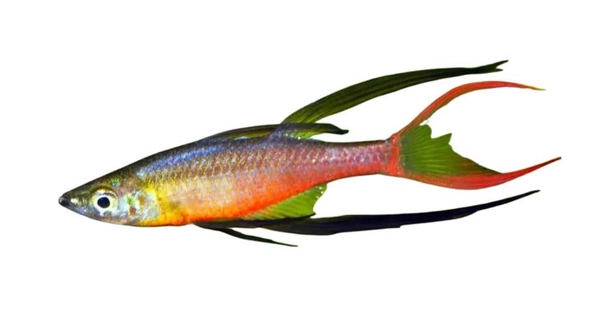
Many aquarists enjoy watching threadfin fish swim gracefully, yet their moods often seem unpredictable. Understanding subtle changes in behavior can make caring for these fish more rewarding and foster a calmer, healthier tank environment.
Threadfin moods are influenced by environmental factors, social interactions, and feeding patterns. Observing their swimming behavior, fin positions, and responses to stimuli provides clear indicators of their current emotional state and overall well-being. These observations are essential for proper care.
Recognizing these signals can improve your connection with your threadfin and create a more harmonious aquarium. Each small detail offers valuable insight into their daily life and behavior.
Sudden Changes in Swimming Patterns
Threadfin fish are naturally calm swimmers, gliding through the water in smooth, predictable patterns. When you notice sudden bursts of speed, erratic movements, or frequent darting from one side of the tank to another, it often signals a shift in mood or discomfort. These changes can result from variations in water quality, temperature, or lighting. Observing how long these behaviors persist can help determine if the fish are simply exploring or reacting to stressors. Even subtle deviations, like swimming closer to the surface or lingering near tank corners, can provide early indicators of anxiety or irritation. Over time, keeping a simple log of their movements can reveal patterns related to feeding times, tank activity, or the presence of other fish. This information can be very useful for creating a more stable environment. Consistent observation and gentle adjustments often help threadfin regain a normal, relaxed swimming rhythm.
Tracking swimming changes can prevent minor stress from developing into more serious health issues, supporting overall well-being.
Paying attention to these patterns helps maintain a calm, balanced tank. Even minor adjustments in lighting, temperature, or decorations can positively influence their behavior. Recording daily observations is a small step that yields noticeable improvements.
Fin and Body Position
Threadfin fish often communicate through subtle fin and body positions. A relaxed fish will hold fins close to its body, glide smoothly, and occasionally hover near plants or decorations. Conversely, fins that flare outward, bodies that tense, or frequent changes in posture suggest discomfort or agitation. Observing these signs provides insight into their current emotional state, helping adjust care routines, feeding schedules, or tank layout to improve comfort. Small details, like tail flicks or fin quivers, are often overlooked but carry important meaning. Understanding these cues allows for better interaction with the fish and more appropriate adjustments to their environment.
Monitoring fin and body posture consistently allows owners to maintain an ideal habitat. Noticing repeated tension or unusual positions helps identify stress sources quickly.
Threadfin are sensitive to water conditions, tank companions, and feeding routines, all of which affect posture. If a fish holds fins close yet appears inactive, it may indicate a need for a calmer environment. Conversely, constant fin flaring can point to irritation or territorial behavior, especially if other fish are present. Changes in posture may also be subtle, like slightly raised dorsal fins or a stiff tail during feeding times. Adjusting water flow, adding hiding spaces, and ensuring balanced nutrition can significantly reduce stress. Over time, recognizing these body language cues creates a more predictable and harmonious tank environment. Observing daily routines and documenting positions helps track improvements and identify persistent issues, ensuring threadfin remain relaxed, healthy, and responsive to their surroundings.
Changes in Feeding Behavior
Threadfin often reveal mood shifts through their eating habits. A sudden lack of interest in food or overeating can indicate stress, discomfort, or illness. Tracking these changes is crucial for maintaining health and understanding emotional responses.
When threadfin lose appetite, it often points to environmental stressors such as water quality fluctuations, temperature changes, or aggressive tankmates. Overeating can also be a response to stress, boredom, or inconsistent feeding schedules. Observing their reactions to different food types helps identify preferences and potential issues. Small shifts in feeding patterns may be temporary, but consistent changes warrant closer attention. Keeping a feeding log allows for quick adjustments, improving overall well-being. Feeding routines that are predictable and balanced can reduce anxiety, encourage natural behavior, and prevent health problems.
Feeding behavior also reveals social interactions among threadfin. Dominant fish may eat first, leaving others hesitant, while shy fish might avoid food entirely. Understanding these dynamics allows for strategic placement of food and adjustments in feeding quantity. Offering varied diets and multiple feeding spots helps ensure all fish receive adequate nutrition. Stress-induced changes in eating can also signal illness or parasites, making it important to monitor closely. Daily observation and timely intervention support both physical health and emotional stability in threadfin populations.
Interaction with Tank Mates
Threadfin reactions to other fish reflect their mood and social comfort. Aggressive displays, hiding, or avoidance often signal stress or territorial tension within the tank.
Social interactions can reveal dominant and submissive behavior patterns. A fish constantly chased or bullied may experience chronic stress, while a dominant fish may flare fins or chase others to assert control. Observing these dynamics helps identify incompatible pairings or overcrowded conditions. Adjusting the number of fish, rearranging decorations, or adding hiding spaces can reduce conflict. Even minor changes, like moving plants or adding barriers, can improve harmony. Fish that interact positively often swim together, explore corners calmly, and display relaxed fins.
Monitoring how threadfin engage with tank mates allows for proactive care adjustments. Regular observation can prevent stress-related illness and promote natural, calm behavior. By recognizing early signs of tension, it is possible to maintain a balanced social environment. Rotating tank decorations, adding visual barriers, and separating aggressive individuals when necessary can help restore peace. Over time, these measures encourage healthier social hierarchies and reduce repeated stress incidents. Understanding social signals ensures threadfin remain confident, relaxed, and active in their environment.
Response to Lighting Changes
Threadfin are sensitive to light intensity and duration. Sudden changes can make them restless, hide more, or swim erratically. Maintaining a consistent lighting schedule helps them feel secure and reduces stress.
Dim or overly bright lighting can influence mood. Soft, balanced light encourages calm swimming, while harsh light may trigger anxiety. Observing their reactions allows adjustments to create a comfortable environment that supports normal behavior.
Water Quality Sensitivity
Threadfin mood is closely tied to water parameters. Sudden shifts in temperature, pH, or ammonia levels can cause stress, lethargy, or agitation. Maintaining stable, clean water is essential for their physical and emotional well-being. Regular testing and gentle adjustments prevent mood disturbances and promote a healthier, more active fish population.
Preference for Hiding Spots
Threadfin appreciate having shelters or plants to retreat to. Access to hiding spots reduces stress and encourages natural, confident behavior.
FAQ
What are the most common signs of a stressed threadfin?
Stressed threadfin often show changes in swimming patterns, fin positions, and feeding behavior. They may dart around suddenly, stay in corners, hide more than usual, or lose interest in food. Flaring fins, stiff tails, or hovering near the surface can also indicate discomfort or anxiety.
How can I tell if my threadfin is happy?
A relaxed threadfin swims smoothly, explores its environment, and interacts calmly with other fish. Fins remain close to the body, and they readily accept food during feeding times. Happy threadfin often show curiosity, gliding confidently around plants, decorations, or open swimming areas without signs of tension.
Why does my threadfin suddenly stop eating?
Loss of appetite may result from stress, poor water quality, illness, or changes in diet. Sudden temperature shifts, overcrowding, or aggressive tankmates can also discourage feeding. Checking water parameters, ensuring compatible companions, and providing varied food can help restore normal eating patterns.
Can lighting affect threadfin mood?
Yes, threadfin are sensitive to light changes. Sudden bright lights or inconsistent schedules can make them restless or anxious. Balanced, gentle lighting encourages calm behavior and helps maintain a predictable day-night rhythm, which supports overall emotional and physical health.
Do threadfin prefer hiding spots?
Threadfin feel safer when they have plants, rocks, or other shelters to retreat to. Hiding spots reduce stress, provide security, and allow them to rest comfortably. Even in a well-balanced tank, a few cozy areas make a significant difference in mood and confidence.
How important is water quality for mood?
Water quality is crucial. Fluctuations in pH, ammonia, nitrate, or temperature can directly impact behavior and mood. Clean, stable water prevents stress-related issues, encourages normal swimming, and supports healthy social interactions. Regular testing and gradual adjustments are essential for long-term well-being.
What role do tank mates play in threadfin behavior?
Social dynamics strongly affect mood. Aggressive or overly active tankmates can stress threadfin, causing hiding or defensive behavior. Calm, compatible fish help them feel secure, swim confidently, and maintain regular feeding habits. Observing interactions and making adjustments can prevent chronic stress.
How do I encourage natural behavior in threadfin?
Providing a balanced diet, consistent lighting, stable water, and appropriate hiding spaces supports natural behavior. Allowing calm social interactions and avoiding sudden changes in the tank environment helps threadfin display normal swimming, feeding, and exploratory habits.
Can stress cause health problems in threadfin?
Yes, chronic stress can weaken the immune system, reduce appetite, and make threadfin more susceptible to disease. Early recognition of mood changes through behavior, swimming patterns, and body language is key to preventing long-term health issues.
How often should I observe my threadfin?
Daily observation is ideal. Noticing subtle changes in posture, swimming, feeding, and interactions provides insight into mood and environmental needs. Recording observations can reveal patterns, helping you make timely adjustments to maintain a healthy, calm, and active tank.
Are there signs that my threadfin is bored?
Boredom may show as aimless swimming, repetitive movements, or excessive hiding. Introducing enrichment like varied decorations, gentle water flow changes, or interactive feeding routines can keep them engaged, reduce stress, and support mental stimulation.
What should I do if my threadfin seems consistently stressed?
First, check water quality, temperature, and tankmates. Adjust the environment, provide more hiding spaces, and ensure a stable feeding schedule. If signs persist, consulting a veterinarian or experienced aquarist can help identify health issues or behavioral interventions.
Can diet influence threadfin mood?
Yes, balanced nutrition supports energy levels, immunity, and overall mood. Providing a variety of foods like pellets, flakes, or occasional live or frozen options keeps them engaged, encourages feeding, and reduces stress-related behavior.
Is it normal for threadfin to be shy at first?
Shyness is common when introducing threadfin to a new tank. They may hide or remain still initially. Gradual acclimation, consistent routines, and gentle observation help them feel secure, build confidence, and display normal behavior over time.
How do I know if my threadfin is aggressive?
Aggression shows as chasing, fin flaring, or nipping at other fish. Dominance displays often occur around feeding times or in confined spaces. Identifying patterns helps determine if adjustments to tank mates or environment are needed to reduce conflict and stress.
Can environmental enrichment improve mood?
Yes, providing plants, rocks, gentle water currents, and varied food locations encourages exploration and natural behavior. Enrichment reduces stress, boredom, and aggression, supporting a healthier, more balanced emotional state for threadfin.
How long does it take for mood improvements to show?
Depending on the issue, small adjustments like improved water quality or added hiding spots may produce visible results within a few days. More complex social or health-related stressors may take weeks of consistent observation and care to resolve fully.
Are there seasonal changes in threadfin behavior?
Threadfin may react subtly to seasonal changes in room temperature, light exposure, or tank water conditions. Maintaining consistent conditions year-round helps reduce stress and prevent mood swings related to environmental fluctuations.
Should I separate stressed threadfin?
Temporary separation may help if aggression or bullying is observed. Providing individual spaces allows recovery, reduces stress, and prevents injury. Careful observation and gradual reintroduction can restore social balance once the fish feel secure.
Can I train my threadfin to recognize feeding routines?
Yes, threadfin can learn consistent feeding times and locations. Predictable routines reduce stress, improve appetite, and reinforce a sense of security. Observing their response helps ensure all fish receive adequate nutrition without unnecessary competition.
How do I track subtle mood changes effectively?
Keeping a simple log of swimming patterns, fin positions, feeding behavior, and social interactions helps track mood trends. Recording observations daily allows for early detection of stress or discomfort, making interventions more effective and timely.
Are some threadfin naturally more sensitive than others?
Individual temperament varies. Some threadfin adapt quickly to changes, while others are more reactive to environmental shifts, tankmates, or handling. Recognizing these differences allows tailored care to support emotional well-being.
Does tank size affect mood?
Yes, inadequate space can cause stress, territorial disputes, and restricted swimming. Providing sufficient room for movement, hiding, and social interaction helps maintain calm, confident behavior and reduces anxiety.
Can introducing new fish disrupt threadfin mood?
New additions can trigger stress, aggression, or hiding behavior. Gradual introductions, quarantine procedures, and careful monitoring of interactions reduce tension and support a smooth integration into the existing tank environment.
What signs indicate a happy feeding environment?
Calm, confident swimming to food, minimal competition, and quick acceptance of offered food show a positive feeding environment. Ensuring multiple feeding spots and varied diets supports balanced behavior and reduces stress.
How do I maintain long-term emotional health for threadfin?
Consistent care routines, stable water conditions, compatible tankmates, enrichment, and daily observation all contribute to long-term well-being. Adjustments based on behavior and environmental monitoring keep threadfin calm, active, and healthy over time.
Threadfin fish are sensitive and expressive creatures, showing mood changes in ways that are often subtle but noticeable to careful observers. Their behavior can shift in response to environmental conditions, social interactions, and daily routines. Simple actions like swimming patterns, fin positions, or feeding habits can tell a lot about how a fish is feeling. Paying attention to these small signs allows caretakers to respond effectively, ensuring that the fish remain calm, healthy, and active. Over time, recognizing patterns becomes easier, and it helps prevent stress-related problems before they develop into larger health issues.
Creating a stable and comfortable environment is essential for maintaining positive moods in threadfin. Water quality, temperature, and lighting need to be consistent, as sudden changes can make them anxious or restless. Providing hiding spots or plants allows them to feel secure, especially if they are shy or need a break from more active tankmates. Balanced nutrition also plays a key role, as food affects energy levels, overall health, and behavior. Observing how each fish responds to the environment helps tailor care to their individual needs. Adjustments can be small but effective, such as moving decorations, adding a few hiding spaces, or slightly modifying feeding routines. These small measures often have a significant impact on their overall well-being.
Understanding threadfin behavior takes time and patience, but it also makes caring for them more rewarding. Each fish has its own personality and reactions, and observing them regularly helps build confidence in recognizing mood changes. Simple daily routines, careful attention to social dynamics, and consistency in care go a long way in reducing stress and promoting natural behavior. By noting subtle shifts in movement, posture, or interactions with other fish, you can make informed decisions that support long-term health. Overall, maintaining a calm, predictable environment allows threadfin to thrive, showing more active and relaxed behavior while enriching the experience of keeping an aquarium.

Hello,
If you enjoy the content that we create, please consider saying a "Thank You!" by leaving a tip.
Every little bit helps us continue crafting quality advice that supports the health, happiness, and well-being of pets around the world, for pets of all shapes, sizes, and species.
We really appreciate the kindness and support that you show us!