
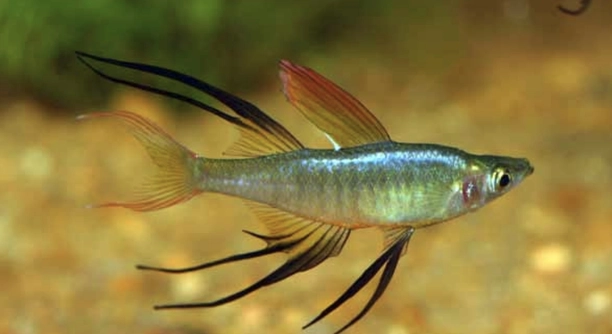
Threadfins are fascinating fish that often capture attention with their sleek bodies and flowing fins. Observing them in different environments can reveal subtle behaviors that are easy to miss in everyday interactions with aquatic life.
In a silent room, threadfins primarily remain still or swim slowly along the boundaries of their space. They use gentle fin movements to navigate, maintain balance, and monitor surroundings while responding minimally to external stimuli. This behavior reflects natural calm and vigilance.
Noticing these subtle movements can provide insights into their behavior, helping enthusiasts understand and care for threadfins more effectively.
Observing Threadfins in Quiet Spaces
Watching threadfins in a silent room offers a chance to notice their subtle behaviors. They glide slowly, often pausing near corners or objects in their environment. These pauses are not random; threadfins use them to assess surroundings and adjust their position. Movement is deliberate and smooth, with fins gently oscillating to maintain stability. Even in silence, they remain alert, occasionally flicking their tails or adjusting their pectoral fins. Their skin may reflect light differently depending on their angle, providing small visual cues of their mood. Some will hover in midwater, appearing almost suspended, while others drift closer to the bottom. Observing these patterns over time reveals consistency in behavior and can hint at their comfort level in the environment. Each threadfin reacts uniquely, but overall, quiet spaces encourage calm, measured activity. Subtle shifts in posture or swimming speed often communicate more than their sudden bursts of movement.
In silence, threadfins conserve energy and maintain steady awareness. Minimal disturbances allow them to act naturally without stress or overreaction.
Repeated observations in quiet conditions help understand their habits and predict movements. These insights can guide proper tank setup, feeding patterns, and interaction timing, ensuring the fish thrive in a controlled environment without feeling overwhelmed or startled.
Responding to Environmental Stimuli
Even in a silent room, threadfins respond to subtle environmental changes. Shifts in lighting, water flow, or nearby movement can influence their activity. Their reactions are often measured, reflecting natural vigilance.
Threadfins rely on senses like sight and lateral line detection to interpret surroundings. A sudden shadow or minor vibration may prompt gentle fin adjustments or slight directional changes. Unlike more reactive species, threadfins seldom panic; their responses are deliberate. Understanding these reactions helps maintain a stable environment that reduces stress. Providing consistent lighting and minimal abrupt changes can encourage natural behavior. Over time, careful observation reveals patterns in how threadfins explore, retreat, or investigate small changes. Monitoring their responses allows adjustments in tank setup, feeding schedules, and even placement of decorations to suit their needs. This approach not only supports their well-being but also makes their behavior more predictable and easier to appreciate, creating a balanced environment for these graceful fish.
Feeding Patterns in Silent Rooms
Threadfins eat in a calm, methodical way when the room is quiet. They approach food slowly, picking at it with small, precise movements. Sudden noises or disturbances can make them pause or retreat, showing their preference for low-stress conditions.
In a silent environment, feeding becomes predictable. Threadfins typically move toward food at a steady pace, using gentle fin motions to position themselves. They explore the area around the food first, testing for safety. Once comfortable, they nibble consistently, often taking breaks to observe surroundings. Over time, these patterns become reliable indicators of their mood and health. Monitoring their feeding habits helps identify any changes in appetite, which may signal stress or environmental issues. Proper spacing of food and consistent feeding times support a calm routine.
These fish sometimes share feeding zones without aggression, especially in peaceful settings. Quiet surroundings reduce competition and allow multiple threadfins to feed simultaneously without tension. Observing their body posture and fin movements during feeding can reveal satisfaction or unease, guiding adjustments to portion sizes or feeding locations. Establishing a calm feeding routine benefits overall health and minimizes stress-related behaviors.
Interaction with Tank Mates
Threadfins remain cautious but cooperative with other fish in silent spaces. They often maintain distance yet interact calmly when necessary. Subtle signals help prevent conflict and establish boundaries.
When the environment is quiet, threadfins exhibit balanced social behavior. They watch other fish carefully, moving aside if another approaches too closely. In peaceful conditions, they may swim near each other without chasing or aggression, showing measured curiosity. They respond to body language and fin gestures, using these signals to communicate mood and intent. Proper tank arrangement with adequate hiding spots allows threadfins to navigate social interactions comfortably. Regular observation can highlight any persistent tension, helping adjust the tank’s layout or population for harmony. Consistent, calm surroundings encourage threadfins to develop predictable, non-stressful interactions.
Resting Behavior
Threadfins often rest near the bottom or in sheltered areas when the room is silent. They stay mostly still, occasionally moving fins to maintain balance. Resting periods are longer and calmer without sudden disturbances or loud noises.
During rest, threadfins keep their senses alert. Small fin movements and subtle shifts in position allow them to react quickly if needed. Quiet surroundings support deeper rest and reduce stress, helping them conserve energy for active periods.
Exploring the Environment
Threadfins explore slowly and deliberately. They examine objects, swim along edges, and pause frequently to assess surroundings. Movement is cautious, reflecting their natural vigilance in a calm setting. Their exploration helps maintain spatial awareness and keeps them mentally engaged.
Response to Light Changes
Threadfins react gently to shifts in lighting. They adjust position and fin orientation to maintain comfort and balance, avoiding sudden movements.
FAQ
How often should threadfins be fed in a quiet room?
Threadfins thrive on a consistent feeding schedule. Typically, feeding them twice a day is sufficient. In a quiet room, they eat calmly and methodically, consuming only what they need. Overfeeding can lead to leftover food, which may affect water quality and stress the fish.
What types of food are best for threadfins?
A mix of high-quality flake or pellet food, supplemented with live or frozen items like brine shrimp or small insects, supports balanced nutrition. In calm settings, threadfins often inspect each food piece before eating, which helps prevent waste and ensures proper intake.
Do threadfins need hiding spots in a silent environment?
Yes, even in quiet rooms, hiding spots are essential. Threadfins feel secure near objects or plants, which reduces stress and encourages natural behavior. Sheltered areas also help when they want brief rest or need to adjust to minor changes in lighting or movement.
How do threadfins behave with other fish in low-stress conditions?
They are cautious but generally cooperative. In silent environments, threadfins maintain personal space while observing tank mates. Conflicts are rare because subtle cues, like fin movements or posture, communicate boundaries. They often swim near others without chasing, demonstrating measured curiosity.
Can threadfins be handled or interacted with directly?
Threadfins are sensitive to sudden movements and direct handling. In quiet rooms, minimal interaction is better. Observing them from outside the tank allows them to behave naturally, reducing stress. Physical handling should be avoided unless necessary for medical care or tank maintenance.
How do threadfins respond to water flow in a calm room?
They prefer gentle, steady water flow. Sudden currents can startle them, causing unnecessary stress. Slow circulation helps maintain oxygen levels and allows threadfins to swim naturally, exploring the environment without abrupt reactions or frantic movements.
What signs indicate stress in threadfins?
Signs include rapid fin movement, hiding more than usual, or refusing food. In quiet rooms, these behaviors often signal environmental issues, like temperature fluctuations, poor water quality, or overcrowding. Monitoring these signs allows prompt adjustments to maintain their well-being.
How important is lighting for threadfins in a silent room?
Lighting affects their mood and behavior. Sudden changes may startle them, while gradual adjustments help them adapt. Even low, consistent lighting encourages exploration, normal swimming patterns, and natural feeding behavior, supporting overall comfort and health.
Do threadfins sleep at night or remain active?
They rest mostly at night but are not completely inactive. Small fin movements maintain balance, and they remain alert to surroundings. Quiet rooms support longer, more peaceful rest, allowing them to conserve energy for daytime activity without stress interruptions.
How can I encourage natural behavior in threadfins?
Providing a calm, stable environment with predictable feeding, gentle water flow, hiding spots, and consistent lighting encourages natural behavior. Observing them quietly and minimizing disturbances allows threadfins to swim, explore, and interact comfortably, reflecting their typical patterns in a safe setting.
What should I avoid in a silent room with threadfins?
Avoid sudden noises, rapid movements, and overhandling. Drastic lighting changes or adding too many tank mates at once can also disrupt their calm. Maintaining stability and observing from a distance helps them remain relaxed and exhibit normal, healthy behaviors.
Are there common health concerns for threadfins in quiet environments?
Health concerns are minimal if water quality, temperature, and feeding are consistent. Overfeeding or poor water conditions can lead to digestive issues or stress. Regular observation and maintaining a calm environment reduce risks and support long-term well-being.
Can threadfins be left alone for extended periods?
Yes, they adapt well to short periods of solitude, provided their tank conditions remain stable. Consistent feeding schedules, water quality checks, and minimal disturbances ensure they stay healthy and calm even when unsupervised for a few hours.
How do threadfins interact with plants in the tank?
They swim around or hover near plants, using them for orientation and security. In quiet conditions, plants provide enrichment without causing stress. Observing their movement around plants helps understand their comfort and activity levels, indicating if the tank setup is suitable.
Do threadfins show personality differences?
Yes, each threadfin behaves uniquely. Some are more curious, exploring objects and other fish more frequently, while others stay cautious and hover near hiding spots. Quiet environments highlight these differences, allowing careful observation of individual traits and preferences.
Final Thoughts
Threadfins are gentle and observant fish that respond well to calm, quiet environments. Their movements are deliberate, and they often take time to explore or interact with their surroundings. In a silent room, their behavior becomes easier to study, revealing patterns that may be missed in busier, noisier settings. Small movements, subtle fin adjustments, and pauses in swimming all reflect how they assess their environment. These fish rely on consistency and stability to feel comfortable, and when given a peaceful space, they display natural behavior that shows both curiosity and caution. Observing them quietly can provide a better understanding of their habits, feeding patterns, and social interactions.
Maintaining a quiet room also helps threadfins conserve energy and reduce stress. Sudden noises or rapid movements can startle them, leading to unnecessary bursts of activity or hiding. In contrast, consistent water flow, predictable feeding routines, and gentle lighting changes encourage calm behavior. Threadfins benefit from having sheltered areas, plants, or objects in the tank where they can pause or rest without feeling exposed. These elements contribute to their sense of security and support overall well-being. Even during feeding, they approach food methodically, testing and nibbling slowly. Quiet surroundings allow them to follow these patterns naturally, making it easier to monitor their appetite and ensure they receive proper nutrition.
Each threadfin has its own personality and ways of reacting to its environment. Some are more active and curious, exploring corners or swimming near other fish, while others prefer to stay near hiding spots and move cautiously. Observing these differences can help adjust the tank layout, feeding schedule, and lighting to better suit their individual needs. Providing a stable, quiet environment supports natural behavior, reduces stress, and improves overall health. Careful attention to their responses, movement patterns, and interactions allows for a more harmonious tank environment where threadfins can thrive peacefully. Creating a calm and predictable space ensures they remain comfortable, active, and healthy over the long term.

Hello,
If you enjoy the content that we create, please consider saying a "Thank You!" by leaving a tip.
Every little bit helps us continue crafting quality advice that supports the health, happiness, and well-being of pets around the world, for pets of all shapes, sizes, and species.
We really appreciate the kindness and support that you show us!