
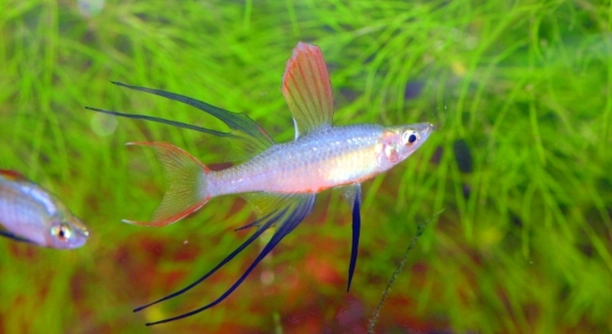
Threadfins are fascinating fish, often gliding gracefully through the water with elegance. Observing their fins can reveal more than just movement; subtle gestures carry information about their feelings and reactions to their surroundings. Their behavior is quietly expressive.
Threadfin fin movements convey mood through specific gestures. Small flicks, gentle trembles, or slow waves often indicate calmness, alertness, or agitation. Recognizing these patterns allows observers to interpret emotional states accurately, reflecting physiological and environmental responses of the fish.
Knowing how to read these signs adds depth to watching threadfins. Each tiny movement can tell a story about their comfort and behavior in the aquatic environment.
Gentle Flicks at the Tips
Threadfins often make small, gentle flicks with their fin tips when they are relaxed or content. Watching them, you may notice these movements while they hover near plants or glide slowly along the tank. These flicks are subtle and often easy to miss unless observed closely. They usually occur in calm water without strong currents. The fish may slightly curve its body while performing these flicks, giving a graceful appearance. Gentle flicks are common during feeding times when the fish is exploring its surroundings without stress. They can also appear when the fish is resting near the bottom or edges of the tank. While not loud or obvious, these movements communicate comfort and a sense of security. Over time, observing flick patterns can help you distinguish between relaxed and alert states. Paying attention to this subtle behavior improves understanding of threadfin moods.
Gentle flicks indicate a relaxed and content state. The movements are slow, controlled, and often paired with calm swimming patterns. These signals are consistent across healthy threadfins.
Noticing these small gestures makes tank watching more engaging. Each flick may show confidence and comfort, helping you connect with the fish without direct interaction.
Slow Waving Along the Body
Slow fin waves often signal alertness or curiosity. Threadfins use these movements when exploring new surroundings or responding to changes in their environment.
These waves are broader than flicks and involve more of the fin surface. The motion is rhythmic, with the fin moving gently back and forth, almost like a soft ripple. Unlike sudden darting movements, slow waves are steady and controlled. They may occur when the fish encounters unfamiliar objects, other fish, or sudden light changes. Observing slow waves gives insight into the fish’s mental state, indicating awareness without panic. While watching, it becomes clear that these waves are communication rather than random motion. They help threadfins assess safety while staying poised. Recording patterns over several days can reveal tendencies, such as which areas of the tank induce curiosity or caution. Overall, slow fin waves show a mix of attentiveness and calmness, offering a window into the subtle moods of threadfins.
Quick Flicks During Feeding
Quick flicks often appear when threadfins are excited or slightly anxious. These sharp, sudden movements show heightened alertness, usually triggered by nearby food or sudden activity in the tank. Observing these helps gauge immediate responses.
These rapid flicks are distinct from gentle ones, often sharper and more abrupt. They can occur in bursts, sometimes multiple times in a few seconds. Quick flicks indicate a strong reaction to stimuli, like food approaching or changes in light or movement near the tank. The fish may twitch its body slightly in sync with the fin flicks. Noticing these movements helps identify excitement levels or mild stress. Unlike slow waves, which suggest curiosity, quick flicks are brief alerts and can be paired with faster swimming. Over time, patterns emerge, showing which situations consistently trigger this response. Recognizing these patterns can aid in feeding routines and overall tank management.
Frequent quick flicks often signal high alertness, but if paired with frantic swimming, it may indicate stress. Observation is key to distinguishing the cause.
Fluttering Along the Edges
Fluttering movements along the tank edges often reveal caution. Threadfins perform these subtle, repeated motions when assessing boundaries or navigating close to walls.
This fluttering is light and delicate, often involving only a portion of the fin. The fish may hover close to the tank side, moving back and forth slowly while keeping its body near the surface or bottom. Fluttering can signal uncertainty or wariness, particularly in new environments. It’s common when the fish notices reflections, shadows, or small disturbances outside the tank. Observing fluttering helps determine which areas of the tank feel secure and which trigger hesitation. These movements are a mix of curiosity and caution, not aggressive or frantic behavior. Monitoring these patterns can inform tank arrangement and help reduce environmental stressors. Regularly noting where and when fluttering occurs improves understanding of threadfin comfort zones and promotes a calmer environment.
Gentle Quivers Near Plants
Gentle quivers often appear when threadfins feel safe but attentive. The movement is slight, usually at the base of the fin, as the fish hovers near plants or decorations. It signals calm observation rather than stress.
These quivers help threadfins remain aware of their surroundings while staying relaxed. Observing them in planted areas shows the fish’s comfort with its environment.
Rapid Tail Flicks
Rapid tail flicks usually indicate sudden alertness or irritation. The motion is strong and quick, often propelling the fish slightly forward. It happens in response to abrupt changes, like a new fish or unexpected movement outside the tank.
Soft Side Fins Wave
Soft side fin waves are subtle, slow motions that appear when threadfins feel secure. They help maintain balance and show a calm, steady mood.
FAQ
How can I tell if my threadfin is stressed?
Stress in threadfins often shows through rapid, erratic fin movements or frequent darting. The fish may hide more often, press against tank walls, or display quick flicks without a clear stimulus. Watching for changes from usual behavior helps identify stress early.
Why do threadfins flick their fins suddenly?
Sudden flicks usually reflect alertness or mild agitation. These movements are often brief and sharp, triggered by environmental changes such as new objects, lighting adjustments, or nearby activity outside the tank. Consistent patterns can indicate specific triggers.
Are slow fin waves always a sign of curiosity?
Slow, rhythmic fin waves often suggest curiosity or cautious exploration. The fish may be observing surroundings while remaining calm. While typically linked to curiosity, the same movements can appear during mild alertness, so context matters.
Do gentle quivers mean the fish is happy?
Gentle quivers near plants or decorations usually indicate a relaxed state. These subtle movements show that the fish feels secure and is monitoring its surroundings without stress. They are a positive sign of comfort and contentment.
What causes fluttering along tank edges?
Fluttering near edges often points to caution. Threadfins perform these small, repeated motions when exploring boundaries or reacting to reflections or shadows. This behavior suggests the fish is aware of its environment but not necessarily stressed.
How important is observing fin movements regularly?
Regular observation is crucial for understanding mood and health. Tracking fin movements over time allows you to detect subtle changes, identify stressors, and ensure proper tank conditions. This knowledge supports long-term wellbeing.
Can rapid tail flicks indicate illness?
Rapid tail flicks may appear during irritation, high alertness, or early signs of discomfort. If combined with lethargy, loss of appetite, or other unusual behaviors, they could indicate health problems. Monitoring overall patterns helps distinguish normal reactions from illness.
Are soft side fin waves related to balance?
Yes, soft side fin waves help threadfins maintain stability while swimming slowly or hovering. They reflect calm, controlled movements and are often observed when the fish feels safe and undisturbed.
Do environmental changes affect fin behavior?
Environmental changes strongly influence fin movements. New objects, altered lighting, or changes in tank flow can trigger flicks, quivers, or fluttering. Observing reactions helps adjust the tank to reduce stress and support comfort.
How can I encourage calm fin behavior?
Providing hiding spots, consistent feeding schedules, and gentle water flow encourages calm fin behavior. Avoid sudden movements around the tank, and maintain stable conditions to reduce unnecessary stress. These measures help threadfins feel secure.
Is there a way to distinguish between excitement and stress?
Yes, excitement often shows as brief, rapid flicks combined with alert swimming, usually around feeding or play. Stress tends to involve erratic or frantic movements, hiding, or loss of appetite. Observing the context of fin movements clarifies the fish’s mood.
Do fin movements change with age?
Fin movements may become slower or less frequent as threadfins age. Older fish often show gentler flicks and longer periods of calm hovering. Changes are normal, but sudden behavioral shifts in adults may still indicate stress or illness.
How do multiple threadfins affect each other’s fin behavior?
In groups, fin movements often reflect social interactions. Flicks and waves can communicate hierarchy, caution, or curiosity among peers. Observing these patterns helps identify compatibility, stress triggers, and group dynamics within the tank.
Can diet influence fin movements?
A balanced diet supports energy and overall health, influencing movement. Malnutrition or sudden dietary changes can lead to lethargy, reduced fin activity, or abnormal flicking. Consistent nutrition helps maintain typical, healthy fin behaviors.
Are fin observations enough to assess overall health?
Fin movements provide important clues, but they should be combined with monitoring appetite, coloration, swimming patterns, and respiration. Together, these indicators give a fuller picture of threadfin wellbeing.
How quickly should I react to unusual fin behavior?
Unusual or sudden changes in fin movements should be noted immediately. Minor fluctuations may be normal, but persistent rapid flicks, fluttering, or lethargy warrant attention to environment, water quality, or potential health issues.
Can stress reduction improve fin movements?
Yes, reducing stress through stable tank conditions, hiding spots, and predictable routines often normalizes fin behavior. Threadfins become calmer, with fewer rapid flicks and more gentle, controlled movements. This directly reflects improved comfort and wellbeing.
Do fin movements differ between males and females?
Subtle differences may appear in social or mating contexts, with males sometimes showing more pronounced flicks during displays. However, basic indicators of mood, stress, and comfort are generally consistent across sexes.
How long should I observe to understand my fish?
Consistent observation over days or weeks is ideal. Short sessions may miss subtle patterns, while extended monitoring captures the full range of behaviors, helping accurately interpret moods, comfort levels, and responses to environmental changes.
What is the best way to document fin behavior?
Keeping a simple log with time, location in tank, and type of fin movement helps track patterns. Notes on environmental changes or feeding times make it easier to identify triggers and assess fish wellbeing over time.
Final Thoughts
Observing threadfins is more than just watching fish swim. Their fin movements tell a story about how they feel and respond to their surroundings. Gentle flicks, slow waves, quivers, and rapid tail flicks are all small signals that reveal comfort, curiosity, or alertness. Paying attention to these subtle gestures allows you to understand the fish without disturbing them. Each movement has meaning, and over time, recognizing these patterns helps you see differences in mood, energy, and reactions to changes in the tank. It is a quiet way to connect with the fish, giving insight into their everyday experiences and wellbeing.
Caring for threadfins requires patience and observation. Regularly noting their fin movements can reveal stress, excitement, or contentment. Simple actions like arranging plants, providing hiding spots, and keeping consistent water conditions make a noticeable difference in how the fish behave. Quick flicks and fluttering often appear when something is new or unexpected, while gentle quivers and soft waves show that the fish feels secure. By observing carefully, you can adjust the environment to help the fish feel safe and reduce unnecessary stress. Tracking these patterns over days or weeks makes it easier to identify what encourages calm behavior and what may cause discomfort. Fin movements are small but valuable indicators of health and emotional state.
Understanding threadfins through their fins also brings a sense of satisfaction and appreciation for their subtle communication. While the movements are small, they are consistent and meaningful, forming a language that is easy to miss if not watched closely. By learning to read these signals, you can anticipate their needs and respond appropriately, whether it’s adjusting water flow, providing extra food, or simply ensuring they have enough space to swim freely. Observing and interpreting fin behavior strengthens the connection between caregiver and fish, creating a more harmonious tank environment. Over time, you begin to notice patterns in daily routines and reactions, making it easier to maintain both their physical health and emotional comfort. Paying attention to these small details ensures that the fish remain active, healthy, and comfortable, and it highlights the subtle ways threadfins express themselves in their aquatic world.

Hello,
If you enjoy the content that we create, please consider saying a "Thank You!" by leaving a tip.
Every little bit helps us continue crafting quality advice that supports the health, happiness, and well-being of pets around the world, for pets of all shapes, sizes, and species.
We really appreciate the kindness and support that you show us!