
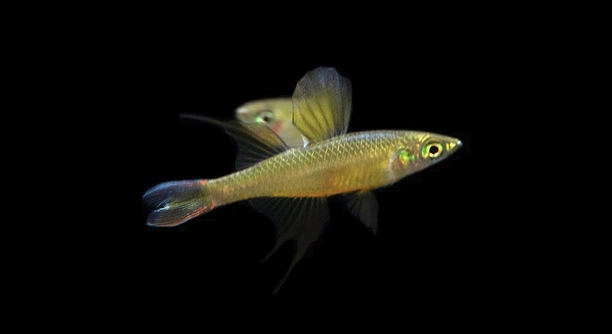
Have you ever watched your threadfins swim in a new tank and wondered how they might react to unfamiliar surroundings and changes in water conditions?
When threadfins face a new environment, they often experience temporary stress that affects their behavior and feeding habits. Factors such as water temperature, pH levels, and lighting can influence their adjustment period and overall health.
Understanding these adjustments can help you create a smoother transition and support your threadfins as they settle into their new environment.
Understanding Threadfin Behavior in a New Environment
When threadfins are introduced to a new environment, their initial reactions can seem unusual. They may swim erratically, hide often, or refuse to eat. These behaviors are common signs of stress as they adjust to new water conditions, lighting, and surroundings. Threadfins are sensitive fish that rely heavily on stable parameters to feel secure. Even small fluctuations in temperature or pH can cause discomfort. During this time, maintaining consistency is essential. Avoid making additional changes such as rearranging decorations or introducing new tank mates. Allow them time to explore at their own pace. With steady care and minimal disturbance, threadfins typically regain their normal swimming patterns and appetite within a few days. Observing them closely during this stage helps ensure they are adapting well and staying healthy.
Providing threadfins with quiet surroundings and dim lighting during their adjustment phase can greatly reduce their stress levels and promote faster recovery.
Once threadfins become comfortable, you may notice brighter colors and more graceful swimming movements. Their confidence grows as they learn their surroundings and recognize feeding times. Establishing a stable routine—consistent feeding schedules, gentle water changes, and steady temperatures—helps them feel secure. Over time, they will display natural behaviors such as schooling and surface feeding, signs that they are thriving in their new home.
Creating the Ideal Environment for Adaptation
Threadfins thrive best in calm, clean water with gentle filtration and plenty of open space for swimming.
To support their adaptation, start by monitoring water parameters daily. Keep the temperature between 75°F and 82°F and maintain a neutral pH. Using a quality water conditioner removes harmful chemicals that could affect their health. Add floating plants or shaded areas to make them feel secure. Threadfins prefer subdued lighting, which mimics their natural habitat and encourages them to swim more freely. Feeding them small portions of high-quality food two to three times a day helps them regain strength after relocation. Avoid overfeeding, as it can pollute the water and delay adjustment. Clean the tank regularly but gently to prevent startling them. Most importantly, patience plays a huge role in their success. Allowing them to adjust gradually ensures long-term stability and well-being. With consistent care, threadfins will adapt beautifully, becoming active, healthy, and a lively presence in their aquatic home.
Recognizing Signs of Stress in Threadfins
Stress in threadfins can show through clamped fins, loss of appetite, and pale coloring. They may isolate themselves from the group or stay near the bottom of the tank, showing hesitation to explore or interact.
When threadfins display these signs, it often means they are struggling to adapt. Monitoring water quality should be your first step, as poor conditions are a common cause. Test for ammonia, nitrite, and nitrate levels, ensuring they remain stable. Limit loud noises and sudden movements near the tank, as these can heighten their anxiety. Reducing light intensity and keeping a consistent schedule can also help calm them. Observation during feeding is important—if they refuse food for several days, it signals ongoing stress that needs attention.
It’s important to act early before stress leads to illness. Threadfins under pressure can become more vulnerable to infections. Adding natural tank decorations like driftwood or plants creates safe hiding spots that ease tension. Maintaining clean water and minimizing changes during this time will support their recovery. Over time, with proper care and stable conditions, their energy levels and color will return to normal, showing that they have successfully adjusted to their surroundings.
Supporting Long-Term Comfort and Stability
Long-term comfort for threadfins depends on consistency. They thrive when their environment remains predictable and peaceful. Keeping regular maintenance and monitoring water parameters prevents unexpected stress or illness from developing over time.
A stable tank setup provides security, allowing threadfins to display natural behaviors confidently. Include gentle filtration that doesn’t create strong currents and avoid overcrowding. Feeding a balanced diet with occasional live or frozen food supports their growth and enhances color. Regular partial water changes keep the environment fresh without shocking them. It’s also helpful to maintain moderate lighting that follows a steady day-night pattern. Always introduce new tank mates slowly, ensuring compatibility to prevent aggression or competition. When their habitat remains consistent and stress-free, threadfins develop strong immune systems, maintain healthy appetites, and move gracefully, showing the best of their gentle and elegant nature in every swim.
Feeding Adjustments During Environmental Changes
Threadfins may eat less after being introduced to a new environment. Offering small amounts of easily digestible food helps them regain appetite. Avoid overfeeding during this period, as uneaten food can pollute the water and increase their stress levels.
Choose foods high in protein, like brine shrimp or daphnia, to strengthen their immune systems. Feed them two to three times daily in small portions, ensuring everything is consumed within a few minutes. Gradually reintroduce their regular diet as they begin eating comfortably again.
Monitoring Their Social Behavior
Observing social behavior helps determine how well threadfins are adapting. They thrive in small groups, where schooling provides comfort and reduces anxiety. If one fish isolates or becomes aggressive, it may signal ongoing stress or environmental imbalance that needs addressing.
When to Intervene
If behavioral changes persist for more than a week, it’s time to reassess tank conditions. Testing water parameters and checking for equipment malfunctions can reveal hidden issues. Making gradual corrections helps prevent further stress and restores balance safely.
FAQ
How long does it take for threadfins to adjust to a new environment?
Threadfins usually take a few days to a week to settle in, though some may need longer depending on their sensitivity. Factors such as water temperature, pH, and lighting stability play a significant role in the adjustment period. Maintaining consistent conditions helps them feel secure faster.
Why are my threadfins hiding constantly after being moved?
Hiding is a natural stress response. Threadfins feel vulnerable in unfamiliar surroundings and seek shelter to feel safe. Providing plants, driftwood, or shaded areas gives them places to retreat. Over time, as they grow accustomed to the tank, they will begin exploring more openly.
What should I feed threadfins during their adaptation period?
Offer small portions of easily digestible food, like brine shrimp, daphnia, or softened flakes. Feeding smaller meals multiple times a day reduces waste and encourages them to eat. Once they regain a stable appetite, you can gradually return to their regular diet.
How do I know if my threadfins are stressed or sick?
Signs of stress and illness can overlap, but prolonged hiding, loss of appetite, clamped fins, or pale coloring indicate stress. If these persist or are accompanied by physical symptoms like lesions or rapid breathing, a closer check of water quality and consultation with a vet or aquatic specialist may be needed.
Can water changes affect their adjustment?
Yes, sudden or large water changes can shock threadfins. During their initial adjustment, perform smaller, gradual water changes to maintain water quality without causing additional stress. Once they settle, regular partial water changes help keep the tank stable and healthy.
Do threadfins need companions during adaptation?
Threadfins are schooling fish and feel more comfortable in small groups. Companions provide social comfort, but introducing new tank mates should be done slowly. Ensure compatibility and observe interactions to prevent aggression or stress among the group.
How can I make the environment more comfortable?
Maintain gentle filtration, stable temperatures, and moderate lighting. Add hiding spots like plants or decorations to reduce anxiety. Avoid loud noises or sudden movements near the tank, and keep feeding times consistent to create a sense of security.
What if my threadfins refuse to eat for several days?
Refusal to eat is common during adjustment, but monitor them closely. Ensure water quality is optimal and offer live or frozen food to tempt them. If they continue refusing food beyond a few days, it may indicate stress or illness that requires intervention.
Do lighting changes affect threadfins?
Yes, threadfins are sensitive to light. Bright or fluctuating lighting can increase stress. Using a dimmer or providing shaded areas helps them feel safe while encouraging normal swimming and feeding behavior.
How can I tell when they are fully adjusted?
Threadfins show they are comfortable by swimming confidently, schooling together, and eating regularly. Their colors brighten, and they become more active, exploring the tank without hiding. Observing these behaviors indicates they have adapted successfully to their new environment.
Are there any long-term considerations for keeping threadfins happy?
Consistency is key. Stable water parameters, appropriate tank mates, balanced diet, and a calm environment ensure long-term health. Gradual changes and careful observation prevent stress, helping threadfins thrive and display natural behaviors consistently over time.
How often should I test the water?
During adaptation, daily testing is ideal to catch any fluctuations quickly. Once the fish are comfortable, regular weekly testing of pH, ammonia, nitrites, and nitrates is sufficient to maintain a safe and healthy habitat.
Can sudden temperature changes harm threadfins?
Yes, threadfins are sensitive to temperature fluctuations. Sudden drops or rises can stress them and make them susceptible to illness. Maintaining a stable temperature within their preferred range ensures comfort and supports proper feeding and activity.
Is it normal for some threadfins to be more timid?
Yes, individual personalities vary. Some threadfins naturally take longer to explore and feel secure. Providing hiding spots and avoiding unnecessary disturbances helps even the most timid fish adapt without prolonged stress.
What equipment helps threadfins adjust best?
Gentle filters, heaters for stable temperature, and soft lighting are ideal. Decorations that offer hiding spaces, along with a spacious tank, give threadfins room to swim comfortably while feeling safe. Consistent maintenance of this equipment supports a stress-free environment.
Final Thoughts
Threadfins are delicate fish that need careful attention when introduced to a new environment. Their reactions can seem unusual at first, such as hiding, swimming erratically, or refusing food. These behaviors are natural responses to stress, and they do not mean something is necessarily wrong. Adjusting to new surroundings takes time, and the pace depends on the individual fish as well as the stability of the environment. Providing consistent water parameters, gentle lighting, and calm surroundings helps them feel secure. Small changes in temperature, pH, or water quality can make a noticeable difference, so monitoring these factors is essential. Even the way you feed them can impact their comfort. Offering smaller portions multiple times a day encourages eating without polluting the water. Observing their behavior carefully during the first week or so gives you valuable insight into how well they are adapting and whether any adjustments are needed.
Supporting threadfins during this period requires a balance of patience and proactive care. Creating hiding spots with plants, driftwood, or shaded areas allows them to feel safe while exploring at their own pace. Over time, as they grow accustomed to their environment, you will notice brighter coloring, more confident swimming, and regular feeding habits. It is important not to make too many changes at once, as this can increase stress rather than reduce it. Gradual adjustments and a consistent routine are far more effective than sudden interventions. Maintaining gentle filtration, stable temperatures, and a peaceful environment ensures they have the comfort they need to recover from the initial stress of relocation. Threadfins are social creatures, so keeping them in compatible groups allows natural schooling behavior, which further supports their mental and physical well-being.
Long-term success with threadfins comes from ongoing care and attention to detail. Consistent water testing, proper diet, and regular but gentle maintenance help prevent stress and illness. Avoid overcrowding the tank and introduce any new tank mates slowly, observing interactions to ensure harmony. Understanding their behavior, recognizing signs of stress, and knowing how to respond allows you to support them fully. Over time, threadfins will display natural behaviors, become more active, and enjoy a stable, safe home. Providing this level of care ensures not only their survival but also their long-term happiness, allowing them to thrive and develop into healthy, strong fish that bring life and energy to the tank. Observing and supporting them through these stages fosters confidence in your care and builds a strong, trusting environment for your threadfins.

Hello,
If you enjoy the content that we create, please consider saying a "Thank You!" by leaving a tip.
Every little bit helps us continue crafting quality advice that supports the health, happiness, and well-being of pets around the world, for pets of all shapes, sizes, and species.
We really appreciate the kindness and support that you show us!