
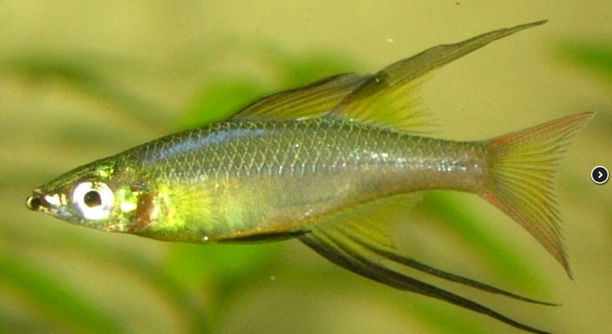
Threadfin are known for their adaptability, yet moving to a new environment can subtly shift their behavior. Changes in water conditions, space, and social interactions all contribute to how these fish adjust after relocation. Observing them closely is important.
After a move, threadfin behavior often changes due to altered water parameters, lighting, and feeding routines. Stress from relocation can also affect swimming patterns, schooling behavior, and social interactions, requiring careful monitoring to ensure their well-being and stability.
Recognizing these adjustments early helps maintain their health and allows owners to respond appropriately, promoting smoother adaptation in their new surroundings.
Water Temperature and Quality
Threadfin are very sensitive to changes in water temperature and quality. After a move, even small differences in pH, salinity, or oxygen levels can affect their swimming, feeding, and resting patterns. If the water is too cold or too warm, their metabolism can slow down or become erratic, making them less active. Sudden shifts in chemical balance can stress them, sometimes causing minor illness or behavioral changes. Regular testing and gentle adjustments help threadfin acclimate more smoothly. Maintaining consistent filtration and aeration also reduces stress. Observing their fins, gills, and overall activity provides clues about how well they are adjusting. Gradual introduction to new water conditions is safer than sudden changes. Over time, they learn to explore new areas, interact with tank mates, and resume normal feeding routines. Patience is key during this adaptation period, as pushing them too quickly can backfire and increase stress.
Monitoring water parameters closely ensures threadfin remain healthy and behave normally, reducing stress-related issues and supporting long-term adaptation.
Keeping a consistent care routine while slowly adjusting water conditions helps threadfin regain comfort. They begin to show more natural swimming and feeding behavior, signaling that they are settling in well.
Feeding Patterns
Threadfin may eat less or refuse food immediately after moving. This change is often temporary, caused by stress or unfamiliar surroundings. Their appetite usually returns as they become comfortable.
Feeding small portions more frequently helps encourage eating while avoiding overfeeding. Introducing familiar foods can ease the transition. Monitoring their intake ensures they maintain energy and health, preventing sudden weight loss. Patience and gentle observation are important during this period.
Over the first few days, watch how they approach feeding. Some may hide or swim away from the food at first, while others gradually return to their usual routine. Avoid sudden diet changes, as this can compound stress. Maintaining water cleanliness is also critical, because uneaten food can affect water quality. Gradually, their natural feeding behavior should normalize. Recording observations of their behavior and appetite can help identify subtle issues early. Supportive care, consistency, and attention to water conditions work together to stabilize feeding routines, helping threadfin thrive in their new environment.
Social Interactions
Threadfin may become more cautious or withdrawn after a move, especially around other fish. They can hide more often and avoid usual swimming areas until they feel safe and secure.
Stress from relocation can temporarily alter their schooling and social behavior. Some may become more aggressive, while others retreat to corners or behind decorations. The presence of familiar tank mates helps, but introducing new fish too soon can increase tension. Observing their interactions closely ensures that aggression does not escalate and that all fish have access to food and safe spaces. Creating hiding spots and maintaining a stable environment encourages gradual reintegration. Over time, threadfin usually resume normal social patterns, swimming confidently with others and showing typical curiosity. Adjusting the tank setup slightly can also reduce stress, allowing them to establish territories without conflict. Patience and monitoring are key during this adaptation phase to prevent long-term behavioral issues.
Even minor changes in the tank layout or group dynamics can influence how threadfin behave socially, so keeping conditions consistent supports smoother adjustment.
Lighting and Day-Night Cycle
Changes in lighting can confuse threadfin and disrupt their activity patterns. Too bright or inconsistent lighting may cause stress and reduce movement during daytime.
Maintaining a regular day-night cycle helps threadfin adjust and restores normal behavior. Gradually acclimating them to new light levels prevents shock and promotes consistent feeding, swimming, and resting patterns. Sudden changes in light can make them more skittish, causing them to hide or avoid open spaces. Using dimmable lights or placing plants and decorations strategically can create shaded areas, giving them comfort while adjusting. Observing their responses to light changes allows owners to fine-tune conditions. Over time, they develop confidence in exploring the tank and re-establish routines aligned with natural circadian rhythms, ensuring healthier behavior. A stable lighting schedule supports overall well-being and reduces stress-related issues after a move.
Tank Layout Changes
Threadfin may act hesitant when their tank layout changes. New hiding spots or removed decorations can make them explore cautiously and stay closer to familiar areas.
Even small rearrangements can alter swimming routes and resting spots. Providing consistent landmarks helps them regain confidence and navigate comfortably while reducing stress in their new environment.
Water Flow Variations
Strong or altered water currents can impact threadfin swimming behavior. They may struggle to maintain position or avoid certain areas until they adapt.
Feeding Schedule Adjustments
Shifting feeding times can confuse threadfin and temporarily reduce appetite. Consistent feeding schedules help them anticipate food and return to normal routines quickly.
FAQ
How long does it take for threadfin to adjust after a move?
Threadfin usually begin to show signs of adjustment within a few days, but full adaptation can take one to two weeks depending on water conditions, tank setup, and stress levels. Monitoring their swimming, feeding, and social interactions helps determine when they have settled.
Why is my threadfin hiding more than usual?
Hiding is a natural response to stress from relocation. Changes in water temperature, flow, or tank layout can make them cautious. Providing shelters and maintaining stable conditions allows them to feel safe and gradually resume normal behavior.
Is it normal for threadfin to eat less after moving?
Yes, reduced appetite is common. Stress can suppress feeding temporarily. Offering familiar foods in smaller portions and maintaining consistent feeding times encourages eating while avoiding overfeeding or water quality issues.
Can water quality affect threadfin behavior?
Absolutely. pH, temperature, oxygen levels, and cleanliness directly impact activity, appetite, and swimming patterns. Regular testing and gentle adjustments support health and minimize stress-related behavioral changes.
Why are my threadfin swimming erratically?
Erratic swimming often results from stress, unfamiliar water currents, or sudden environmental changes. Observe their behavior for signs of illness, adjust tank conditions gradually, and ensure water flow and temperature are stable to help them regain normal movement.
Do threadfin interact differently with other fish after moving?
Yes, social behavior can shift temporarily. Some may become more aggressive or withdrawn. Maintaining hiding spots and monitoring interactions ensures all fish feel safe. Gradual reintegration helps restore natural schooling and social patterns over time.
How does lighting impact threadfin behavior?
Lighting changes can disrupt their daily activity cycle. Sudden bright or inconsistent light may make them skittish. Gradually adjusting light intensity and keeping a consistent day-night schedule helps them maintain normal swimming, feeding, and resting behavior.
What should I do if my threadfin seems stressed for a long time?
Persistent stress may indicate water quality issues, illness, or unsuitable tank conditions. Check water parameters, provide hiding spots, maintain regular feeding, and observe for symptoms. If behavior does not improve, consulting a specialist may be necessary to ensure their well-being.
Are tank layout changes really necessary for adjustment?
Minor adjustments can help threadfin explore and feel comfortable, but sudden, drastic changes increase stress. Maintaining some familiar landmarks and gradually introducing decorations allows them to navigate confidently without unnecessary anxiety.
Can feeding schedule changes affect threadfin long-term?
Yes, inconsistent feeding can disrupt appetite and energy levels. Sticking to a regular schedule and small, manageable portions helps them anticipate meals, maintain health, and prevent stress-related behavioral changes over time.
How can I encourage my threadfin to explore the tank?
Creating hiding spots, gradually adjusting water flow, and placing food in different areas encourages exploration. Patience is key, as forcing them out of hiding can increase stress and delay adaptation.
Is monitoring essential after a move?
Constant observation is critical. Monitoring swimming, feeding, and social interactions allows early detection of stress, illness, or adjustment problems. Regular checks ensure that environmental adjustments support smooth adaptation and long-term health.
Do threadfin need a quiet environment during adjustment?
Yes, minimizing sudden noises, vibrations, and disruptions reduces stress. A calm environment helps them regain confidence, explore freely, and establish normal routines more quickly after a move.
How often should water parameters be tested after relocation?
Testing daily for the first week is recommended. Parameters like pH, temperature, ammonia, nitrite, and nitrate levels should be monitored. Once stability is achieved, weekly checks are sufficient to maintain optimal conditions.
Can new tank mates affect threadfin behavior?
Introducing new fish too soon can increase stress and aggression. Allowing threadfin to settle first and slowly acclimating new tank mates reduces tension and encourages harmonious social interactions.
Are behavioral changes always temporary?
Most behavioral changes after a move are temporary if conditions are stable. Persistent changes may indicate underlying stress, illness, or unsuitable tank conditions, which require prompt attention.
What signs show that threadfin have fully adjusted?
Normalized swimming patterns, consistent feeding, confident exploration, and natural social behavior indicate successful adaptation. Observing these behaviors over several days confirms that the fish are comfortable and stress-free.
How important is patience during the adjustment period?
Patience is essential. Threadfin respond slowly to environmental changes, and rushing adjustments can worsen stress. Gradual modifications and attentive care support smoother adaptation and healthier long-term behavior.
Can diet changes help threadfin settle faster?
Maintaining familiar foods while gradually introducing variety can encourage eating and reduce stress. Sudden diet changes may lead to rejection of food or digestive issues, so gradual transition is recommended.
Should I isolate my threadfin after a move?
Isolation is rarely necessary unless aggression occurs or a fish is visibly stressed or ill. Most threadfin adjust better with familiar tank mates and gradual environmental stabilization rather than isolation.
Final Thoughts
Moving threadfin to a new environment can be stressful for both the fish and their owner. Even small changes in water quality, temperature, or tank layout can cause noticeable differences in behavior. It is normal to see hiding, reduced feeding, or cautious swimming at first. These behaviors are not signs of poor health in most cases, but rather a natural reaction to an unfamiliar environment. Threadfin are adaptable, and with careful observation and consistent care, they gradually regain confidence and return to their normal routines. Paying attention to small details, like water flow and lighting, helps them feel safe and supported. Creating familiar spaces in the tank, such as hiding spots or decorations similar to their previous home, allows threadfin to navigate more comfortably and reduces unnecessary stress.
Maintaining a regular feeding schedule and observing eating patterns is also essential during this period. Threadfin may eat less initially, but offering familiar foods in smaller portions can encourage them to resume normal feeding behavior. Avoiding sudden diet changes prevents digestive issues and helps them feel more secure. Social behavior may also shift temporarily, with some fish being more withdrawn or cautious around others. Providing adequate hiding spaces and monitoring interactions ensures that all fish can coexist peacefully while they adjust. Gradually, as threadfin become accustomed to their new environment, swimming, feeding, and social interactions return to normal. Consistency in care, along with patience, is key to supporting a smooth transition.
It is important to remember that patience and observation are the most valuable tools during this adjustment period. Changes in behavior are usually temporary, and threadfin respond best to calm, consistent care. Testing water quality regularly, maintaining stable lighting and temperature, and providing a quiet, secure environment all contribute to faster adaptation. Even small adjustments, when made gradually, can make a big difference in helping threadfin feel comfortable. Over time, their confidence grows, and they begin exploring, feeding, and interacting naturally. Understanding and accommodating their needs ensures not only a smoother transition but also long-term health and well-being. By paying close attention and responding thoughtfully, owners can help threadfin settle into their new home with minimal stress, creating a balanced and thriving tank environment for the long term.

Hello,
If you enjoy the content that we create, please consider saying a "Thank You!" by leaving a tip.
Every little bit helps us continue crafting quality advice that supports the health, happiness, and well-being of pets around the world, for pets of all shapes, sizes, and species.
We really appreciate the kindness and support that you show us!