
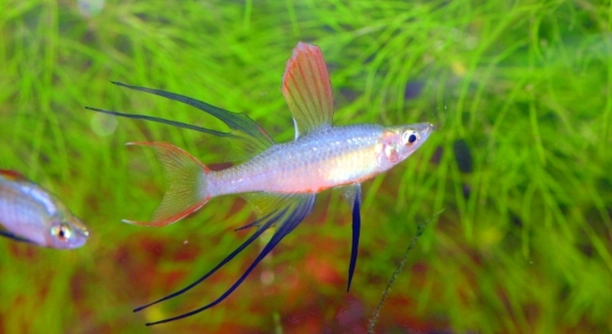
Many aquarium enthusiasts enjoy keeping threadfin rainbowfish because of their bright colors and active behavior. However, these fish are sensitive to their surroundings and can become stressed by noises that seem minor to humans.
Threadfin rainbowfish experience stress from a variety of sound sources, including loud household appliances, sudden knocks on the tank, music played at high volumes, vibrations from nearby equipment, water pumps, frequent tapping on the glass, and sudden environmental disturbances. Stress can negatively affect their health, feeding behavior, and overall well-being.
Identifying these sound sources can help maintain a calm and healthy environment for your rainbowfish. Learning about these triggers ensures your fish remain comfortable and active in their home.
Loud Household Appliances
Threadfin rainbowfish are highly sensitive to vibrations and noise. Everyday appliances such as washing machines, blenders, and vacuum cleaners create low-frequency sounds that can travel through walls and floors. Even if these sounds seem distant, fish can perceive them and become stressed. This stress can lead to erratic swimming, hiding, or reduced appetite. Over time, prolonged exposure to loud household sounds can weaken their immune system and make them more prone to disease. It’s important to consider the placement of your tank relative to noisy equipment. Many people overlook the subtle effects of appliances like dishwashers or air conditioners, assuming fish cannot detect these sounds. But their sensory systems are more acute than ours. Minimizing sudden or prolonged loud noises around the aquarium helps maintain a calm and stable environment. Observing your rainbowfish regularly can reveal changes in behavior that indicate discomfort from sound. Simple adjustments can prevent unnecessary stress.
Even brief exposure to these noises can make rainbowfish nervous and restless.
Keeping appliances at a distance or using sound-absorbing mats around the tank reduces vibrations, helping your fish feel secure and maintain healthy activity levels throughout the day.
Knocks and Taps on the Tank
Frequent tapping on the glass can startle rainbowfish and trigger stress responses.
Even a light knock can create vibrations that ripple through the water, causing them to dart or hide. Continuous tapping can make the aquarium feel unsafe, affecting feeding habits and overall comfort. Avoiding unnecessary contact with the tank preserves a peaceful environment.
The sound of taps or knocks is not just a momentary disturbance; it can alter the daily rhythm of your rainbowfish. Each sudden vibration is perceived as a potential threat. Over time, repeated disturbances may reduce their activity and increase hiding behavior, which can interfere with social interactions if multiple fish share the tank. Tank placement matters—locating the aquarium in low-traffic areas of your home decreases exposure to accidental bumps. Additionally, informing household members about the sensitivity of the fish encourages careful handling around the tank. Using soft padding under the tank or securing it firmly can also reduce vibrations from minor knocks or movements. Consistency and quiet in the environment contribute to healthier, more active fish, supporting natural behaviors and long-term well-being.
Loud Music and TV
Rainbowfish react to high volumes from music or television, which can create stress and unpredictable behavior.
Even if you enjoy playing music at home, the vibrations and noise can travel through the water. This can make threadfin rainbowfish swim erratically, hide more often, or stop eating temporarily. It’s not just sudden loud sounds; continuous background noise at high volumes can interfere with their natural rhythm. Placing the tank away from speakers and reducing volume near the aquarium helps maintain a calmer environment. Over time, consistent exposure to loud noise can weaken their health, so being mindful of daily sound levels is important for keeping them active and stress-free.
Minimizing high-volume sounds around the tank encourages natural behavior. Fish can feed and explore comfortably without feeling threatened by vibrations or sudden noises, leading to healthier, more stable routines in their environment.
Vibrations from Nearby Equipment
Pumps, filters, and other equipment generate vibrations that fish can sense even if the noise is minimal.
Threadfin rainbowfish detect subtle vibrations through their lateral line system, which is highly sensitive. Constant vibrations from air pumps, filtration systems, or heaters can create a stressful environment. This can lead to fatigue, irregular swimming, or reduced appetite. Placing equipment on soft surfaces or using vibration dampeners can lessen the impact on the fish. Positioning pumps and other devices carefully, adjusting flow rates, and checking for unnecessary vibration ensures a stable environment. Small changes in tank setup can make a significant difference in the overall comfort and well-being of the fish.
Awareness of equipment vibrations allows better planning for aquarium setup. Managing these sources reduces chronic stress, supports normal behavior, and keeps rainbowfish healthy, active, and visually vibrant, which benefits both the fish and the aesthetic appeal of the tank.
Sudden Environmental Changes
Threadfin rainbowfish are highly sensitive to abrupt changes in their surroundings. Sudden movements, new objects, or shifting furniture near the tank can startle them and cause temporary stress.
Even minor environmental changes, like moving decorations or adjusting lighting, can make them hide or swim anxiously. Consistency helps them feel secure and maintain normal behavior.
Construction and Outside Noise
Construction work or traffic noise nearby produces vibrations and loud sounds that travel through walls and floors. Threadfin rainbowfish can detect these disturbances, which may result in erratic swimming, hiding, or reduced feeding. Prolonged exposure can impact overall health, so minimizing exposure is crucial for their well-being.
Frequent Tank Maintenance
Regular tank maintenance is important but can stress rainbowfish if done too abruptly. Sudden water changes, cleaning, or rearranging the tank can create temporary shock.
Careful handling during maintenance, such as gentle water changes and minimal disruption, reduces stress and keeps fish comfortable and active.
FAQ
How can I tell if my threadfin rainbowfish is stressed by noise?
Signs of stress include hiding more than usual, swimming frantically, or refusing food. You may notice changes in their color intensity or unusual resting behavior near the bottom or corners of the tank. Monitoring behavior closely helps identify stressful conditions early.
Which household noises are most harmful?
Loud appliances like vacuum cleaners, blenders, or washing machines produce vibrations and sound that threadfin rainbowfish can detect. Even music or TV at high volumes can cause them to dart or hide. Reducing noise near the tank is essential for maintaining calm.
How often should I do maintenance without stressing my fish?
Routine maintenance is important, but it should be gradual. Small, partial water changes done consistently cause less shock than large, sudden changes. Cleaning decorations gently and avoiding drastic rearrangements help minimize stress during upkeep.
Are vibrations from pumps and filters harmful?
Yes, continuous vibrations from filtration systems, heaters, or air pumps can disturb rainbowfish. Using soft pads under equipment or adjusting placement to reduce vibrations ensures the tank remains a comfortable environment.
Can traffic or construction outside affect them?
Threadfin rainbowfish sense vibrations from heavy traffic or construction, which can lead to erratic swimming and hiding. Placing the aquarium in a quieter part of the home and away from walls reduces the impact.
Is it okay to play music near the tank?
Low background volume is generally acceptable, but high volumes or bass-heavy music can create stress. Keeping speakers away from the tank and avoiding sudden increases in sound maintains a calmer environment for your fish.
What happens if they are stressed for a long time?
Prolonged stress weakens the immune system, reduces appetite, and can cause illness. Chronic stress may also disrupt social behaviors and cause color fading. Ensuring consistent, quiet surroundings prevents long-term health problems.
Can I use decorations to reduce stress?
Yes, decorations like plants, rocks, or hiding spots help rainbowfish feel secure. These additions break up visual stimuli and reduce the perceived threat from vibrations or sudden movements outside the tank.
Do changes in lighting affect them?
Sudden changes in brightness or flickering lights can startle rainbowfish. Keeping a consistent light schedule and using dimmers or indirect lighting reduces stress and helps maintain natural activity patterns.
How quickly do they recover from stress?
Recovery depends on the severity and duration of stress. Minor disturbances may take a few hours to a day, while prolonged exposure to noise or vibrations can take several days. Providing a stable, quiet environment speeds recovery and encourages normal behavior.
Are multiple stress sources worse than one?
Yes, cumulative stress from several sources, like noise, vibrations, and environmental changes, can have a stronger impact. Addressing all potential stressors together ensures the fish remain healthy, active, and comfortable in their tank environment.
Can I train my fish to ignore certain sounds?
Threadfin rainbowfish cannot habituate to loud or threatening sounds quickly. Reducing exposure and maintaining consistent calm conditions is more effective than attempting to train them to tolerate stressors.
Is there a way to monitor stress continuously?
Observing daily behavior, feeding habits, and color intensity is the best method. Recording patterns over time helps detect subtle signs of stress. Sudden deviations from normal behavior often indicate environmental disturbances that need adjustment.
Do sudden water movements add to stress?
Yes, splashing or rapid water currents can startle rainbowfish. Gentle water circulation and careful pouring during changes minimize stress while keeping water quality healthy.
Can other pets cause stress?
Yes, pets like cats or dogs knocking near the tank or creating vibrations can disturb rainbowfish. Positioning the tank away from high-traffic areas or supervising pets helps maintain a calm environment.
How important is tank location in preventing stress?
Placement in a quiet, low-traffic area is critical. Avoiding direct sunlight, heavy vibrations, or frequent noise exposure ensures the fish feel secure and reduces chronic stress.
Does temperature fluctuation contribute to stress?
Sudden changes in water temperature, even a few degrees, can stress rainbowfish. Using a reliable heater, thermometer, and gradual adjustments during maintenance keeps conditions stable and comfortable.
Are there signs that indicate recovery after stress?
Rainbowfish regain normal swimming patterns, resume feeding, and show bright coloration once stress is reduced. Providing consistent care, quiet surroundings, and hiding spots accelerates recovery and maintains long-term health.
Can stress affect reproduction?
Yes, stressed rainbowfish may avoid breeding, produce fewer eggs, or exhibit weaker spawning behavior. Maintaining a stable, low-stress environment is essential for healthy reproduction and overall vitality.
How do I balance maintenance and stress prevention?
Small, consistent water changes, gentle cleaning, and minimal rearrangements help preserve a healthy environment. Combining careful maintenance with reduced noise, vibrations, and sudden environmental changes ensures rainbowfish thrive.
What long-term practices reduce stress most effectively?
Consistent tank conditions, low noise, stable temperature, hiding spots, and gentle interactions all contribute to long-term stress reduction. Observing behavior regularly and adjusting environmental factors as needed supports health, activity, and visual vibrancy over time.
Final Thoughts
Threadfin rainbowfish are beautiful and lively additions to any aquarium, but they are very sensitive to their surroundings. Even small noises or vibrations that seem harmless to humans can create stress for them. Stress can affect their behavior, color, and appetite, and over time it can even impact their overall health. Paying attention to the environment around the tank is essential. Placing the aquarium away from loud appliances, heavy traffic, or construction noise helps create a stable and calm habitat. Even minor adjustments, like moving a tank to a quieter spot or using sound-absorbing materials under pumps and filters, can make a significant difference. Observing the fish regularly allows you to notice small changes in behavior that might indicate stress, giving you the opportunity to take action before problems become severe.
Maintaining a consistent routine is also important for reducing stress. Sudden changes in lighting, temperature, or tank decorations can make rainbowfish anxious, so gradual adjustments are best. Water changes and tank maintenance should be done carefully, using gentle methods to avoid startling them. Providing hiding places, plants, and decorations gives them security and helps them feel safe in their environment. Avoiding high-volume music or television near the tank, minimizing tapping on the glass, and controlling vibrations from pumps or filters also contribute to a healthier, calmer environment. Over time, these small changes can create a noticeable improvement in how your rainbowfish behave and interact in the aquarium. When they feel safe, they swim more naturally, feed consistently, and display brighter colors, which is rewarding to observe and helps the tank feel lively and balanced.
Finally, paying attention to stress sources is part of responsible fish care. Threadfin rainbowfish cannot communicate their discomfort directly, so it is up to the keeper to notice subtle signs and address them. By being mindful of noise, vibrations, environmental changes, and overall tank setup, you can ensure that the fish remain healthy and active. Stress reduction is not just about comfort—it supports long-term health, prevents illness, and encourages natural behaviors. Regular observation, careful maintenance, and creating a calm environment all work together to make the aquarium a safe and enjoyable home for the rainbowfish. Over time, the fish will thrive, demonstrating vibrant colors and lively activity, which reflects the care and attention given to their habitat. Creating an environment that minimizes stress benefits both the fish and anyone who enjoys observing them daily, ensuring a healthy, harmonious aquarium experience.

Hello,
If you enjoy the content that we create, please consider saying a "Thank You!" by leaving a tip.
Every little bit helps us continue crafting quality advice that supports the health, happiness, and well-being of pets around the world, for pets of all shapes, sizes, and species.
We really appreciate the kindness and support that you show us!