
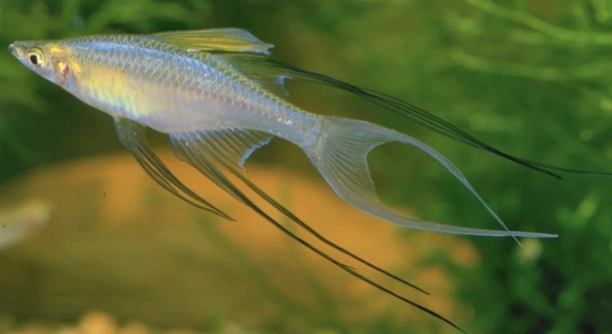
Have you ever noticed your threadfin rainbowfish hovering in place, gently shaking their bodies, and wondered what could be causing this behavior? These delicate and colorful fish often display movements that seem both graceful and mysterious.
Threadfin rainbowfish may hover and shake due to social interaction, breeding behavior, or mild stress from environmental changes. This motion can also serve as communication within their group, helping them establish hierarchy or attract mates in the aquarium setting.
Understanding why they behave this way can help you create a calm, balanced environment where your threadfin rainbowfish can thrive and display their natural beauty with confidence.
Understanding the Hovering and Shaking Behavior
Threadfin rainbowfish often hover and shake as a natural response to their environment or social setting. This behavior can be a form of subtle communication or an adjustment to changes in water conditions. When they hover, they might be conserving energy or observing their surroundings before making a move. The shaking motion can also occur during interactions with other fish, especially when males are displaying to attract females. In some cases, hovering close to plants or objects may signal that they are feeling secure or preparing for spawning. While it may look unusual, this movement is usually harmless and part of their natural rhythm. However, consistent shaking without rest can sometimes indicate mild stress, such as poor water quality or sudden environmental shifts. Paying attention to their routine helps determine whether the behavior is simply expressive or a sign of discomfort.
Monitoring your fish’s patterns regularly can reveal small details about their comfort levels and overall health.
When observing them, try to note if the shaking occurs during specific times, like feeding or social interaction. This will help you identify whether the behavior is linked to excitement, dominance, or stress. Subtle differences in movement can tell you a lot about how they’re feeling.
Environmental Factors That Influence Their Behavior
Threadfin rainbowfish are sensitive to their surroundings, and even small changes can affect how they move or react. Water temperature, lighting, and tank placement can influence their behavior more than many realize.
Stable water conditions play the biggest role in keeping these fish relaxed. If the temperature fluctuates or the filtration system isn’t working properly, the fish might begin hovering more often or shaking slightly. Inconsistent lighting can also confuse their internal rhythm, especially if the tank light is too bright or irregularly timed. Poor water quality, such as high ammonia or nitrate levels, can lead to visible signs of stress like trembling or rapid breathing. Ensuring the tank has enough space and gentle water flow helps them feel secure. Threadfin rainbowfish also prefer tanks with plants, as this mimics their natural environment and reduces anxiety. Regular maintenance, balanced feeding, and calm surroundings encourage steady swimming and peaceful interactions. Keeping their habitat stable ensures that their elegant movements remain signs of health, not distress.
Signs of Stress in Threadfin Rainbowfish
Stress can make threadfin rainbowfish behave differently, often causing them to hover near the surface or shake more than usual. They may also lose color, eat less, or isolate themselves from the group, showing visible unease in their movements.
Water quality issues are one of the most common triggers of stress. High ammonia, nitrite, or nitrate levels can irritate their gills and make it difficult to breathe. Poor tank maintenance or sudden water changes can also lead to distress. Overcrowding adds to the problem, as threadfin rainbowfish are peaceful and need space to swim freely. Too much noise or frequent tapping on the glass can make them nervous, especially if they lack hiding spots. Observing these patterns early allows you to address issues before they escalate and affect the entire tank.
Reducing stress starts with stable water conditions and gentle handling. Regular checks for ammonia, temperature, and lighting consistency help keep them balanced. Providing live plants, driftwood, and dim lighting also calms them. Feeding them high-quality food in small amounts ensures they stay active without overloading the tank with waste. Creating a peaceful and predictable routine gives your threadfin rainbowfish a sense of safety, helping them move gracefully and display their vibrant colors naturally.
Breeding Behavior and Courtship Displays
During breeding, males often hover and shake to impress females, showing off their shimmering fins and vivid colors. This display is usually gentle, rhythmic, and repeated several times until the female responds or joins in.
Courtship begins when males position themselves close to females, fluttering their fins while slightly vibrating their bodies. This behavior signals interest and readiness to mate. The female may respond by swimming near plants or surfaces suitable for laying eggs. Once she accepts the male’s approach, they often swim side by side, and the male may continue his gentle shaking as part of the mating process. After spawning, females scatter eggs among plants or decorations, and the adults usually lose interest afterward. Maintaining soft lighting, stable water parameters, and a calm environment encourages natural breeding behavior. Observing these subtle signs helps you appreciate their interactions and understand how balance and comfort influence their actions.
Social Interaction Among Fish
Threadfin rainbowfish hover and shake when interacting with each other, often establishing hierarchy or signaling curiosity. Males may display subtle vibrations to assert dominance, while females observe or respond with gentle movements. These actions are part of their normal social structure within a group.
Even small changes in the group, like adding new fish, can trigger increased hovering and shaking. The fish are cautious and use these movements to assess newcomers and maintain harmony. Observing their interactions helps ensure the tank remains peaceful and balanced.
Water Conditions Impact
Temperature, pH, and cleanliness strongly affect threadfin rainbowfish behavior. Even minor fluctuations can cause them to hover or shake more frequently as they adjust to changes in their environment. Stable conditions keep their movements calm and predictable.
Nutrition and Activity
A balanced diet contributes to normal swimming behavior. Insufficient nutrients or irregular feeding schedules can make fish restless, causing them to hover or shake near the surface more often.
Tank Environment Tips
Adding plants, hiding spots, and gentle currents reduces stress. These features create comfort zones, encouraging natural movement and healthier interactions among threadfin rainbowfish.
FAQ
Why does my threadfin rainbowfish hover in one spot for long periods?
Threadfin rainbowfish often hover in one spot to rest or observe their surroundings. This behavior can also be a way to conserve energy, especially if the tank has gentle water currents. Hovering is natural, but sudden increases in duration may signal stress or water quality issues.
Why is my fish shaking slightly while swimming?
Shaking can occur due to social interactions, courtship displays, or mild environmental stress. It’s usually rhythmic and brief when related to normal behavior. Persistent or erratic shaking may indicate poor water quality, disease, or discomfort. Monitoring water parameters and tank conditions helps identify potential problems.
Can hovering and shaking indicate illness?
Yes, while often harmless, these behaviors can sometimes point to illness. Look for other signs such as clamped fins, faded color, rapid breathing, or loss of appetite. If multiple symptoms appear, testing water quality and observing for disease is important to prevent further health decline.
Do males and females behave differently when hovering or shaking?
Males typically exhibit more shaking during courtship or territory displays. Females may hover near plants or decorations to signal readiness or observe the males’ displays. Social structure influences these movements, and observing patterns can help you understand the dynamic within your tank.
Can adding new fish affect hovering and shaking?
Introducing new fish can temporarily increase these behaviors. Threadfin rainbowfish are cautious and use hovering or shaking to assess newcomers. Providing hiding spaces and ensuring gradual introductions reduces stress and allows the group to adapt naturally.
How does water temperature affect these behaviors?
Water that is too warm or too cold can make fish restless, causing frequent hovering or shaking. Maintaining a stable temperature appropriate for threadfin rainbowfish encourages steady swimming and reduces stress-induced movements. Regular checks with a thermometer are recommended.
Will lighting changes impact hovering and shaking?
Yes, sudden or overly bright lighting can trigger nervous behavior. Consistent, soft lighting mimics natural conditions and promotes calm swimming. Providing shaded areas or plants helps fish feel secure, reducing excessive hovering or shaking near the tank surface.
Does tank size influence these movements?
A cramped tank can increase stress, leading to more hovering and shaking. Threadfin rainbowfish need space to swim freely and interact naturally. Ensuring enough room and avoiding overcrowding helps maintain healthy activity and prevents aggression among tank mates.
Are there specific foods that affect activity levels?
Balanced nutrition keeps fish active without causing stress. Overfeeding or irregular feeding schedules may lead to erratic swimming or increased hovering near feeding areas. High-quality flakes, small live foods, or frozen options provide energy while supporting overall health.
How can I tell if the behavior is normal or stress-related?
Observe frequency, duration, and context. Normal hovering and shaking are occasional and linked to social interactions, feeding, or resting. Stress-related behaviors are persistent, accompanied by color changes, loss of appetite, or unusual swimming patterns. Regular monitoring ensures timely adjustments to tank care.
Can tank decorations reduce excessive shaking or hovering?
Yes, adding plants, rocks, and hiding spots creates safe zones for fish. These areas allow them to feel secure, reducing nervous movements. Arranging decorations thoughtfully also encourages natural exploration and provides comfort during social interactions.
Is breeding a common reason for hovering and shaking?
During breeding, males hover and shake to attract females, displaying their fins and colors. Females may hover nearby, evaluating readiness. This behavior is temporary and usually stops once spawning is complete, indicating normal reproductive activity rather than stress.
How long should I wait before changing tank conditions if I notice excessive hovering?
Gradual adjustments are best. Sudden changes in temperature, water chemistry, or lighting can worsen stress. Make small, incremental changes over several days, monitoring behavior closely. This approach supports fish adaptation and maintains stability in the tank environment.
Are there signs that indicate I need professional help?
If your fish continues excessive shaking or hovering despite stable water conditions, proper diet, and a calm environment, consulting a veterinarian or aquatic specialist is advisable. Persistent abnormal behavior may indicate illness or underlying health issues that require attention.
Can social grouping affect behavior?
Yes, threadfin rainbowfish are schooling fish and feel safer in groups. A well-balanced social group reduces stress-related hovering and shaking. Observing interactions helps ensure that the tank maintains harmony and that no individual is isolated or bullied.
Does water flow impact hovering?
Strong currents can make fish hover more to stabilize themselves. Gentle, moderate flow is ideal, encouraging natural swimming while preventing excessive energy expenditure. Adjusting the filter or adding flow-dampening elements can help maintain comfort.
Is it normal for younger fish to hover or shake more?
Juvenile threadfin rainbowfish may hover or shake more frequently as they explore, establish territory, or learn social dynamics. This is typically part of their development and gradually stabilizes as they mature and settle into the group.
Can stress from tapping or loud noises trigger these behaviors?
Yes, sudden sounds or repeated tapping on the glass can startle fish, leading to hovering and shaking. Reducing external disturbances and creating a calm environment minimizes stress and promotes steady, natural movements.
How do I maintain long-term comfort for my fish?
Consistent water quality, proper tank size, balanced feeding, stable lighting, and social harmony are key. Observing behavior regularly helps detect early signs of stress or discomfort, allowing timely adjustments. Creating a supportive environment ensures threadfin rainbowfish remain healthy, active, and vibrant over time.
What’s the most important factor in reducing excessive hovering and shaking?
Maintaining a stable, calm environment with clean water, adequate space, proper nutrition, and thoughtful social arrangements significantly reduces unnecessary movements. Monitoring subtle changes in behavior ensures a healthy, comfortable habitat for threadfin rainbowfish.
Final Thoughts
Threadfin rainbowfish are lively, colorful fish that naturally display behaviors like hovering and shaking. These movements can seem unusual at first, but they are often part of normal social interactions, courtship, or resting routines. Understanding their behavior comes from careful observation and attention to their environment. Hovering near plants or shaking gently while swimming is generally harmless and can even indicate a healthy, active fish. Watching these movements over time helps you recognize what is typical for your fish and what might signal a problem. Fish communicate in subtle ways, and these small actions are their way of interacting with their surroundings and with each other. By noticing patterns, you can better respond to their needs and ensure their comfort and well-being in the aquarium.
Maintaining stable water conditions is crucial for keeping threadfin rainbowfish calm and reducing unnecessary hovering or shaking. Temperature, pH levels, and cleanliness all affect their behavior, and small changes can trigger stress responses. A properly filtered tank with gentle water flow allows the fish to swim naturally without exerting extra energy to stabilize themselves. Providing hiding spots, live plants, or decorations can make them feel secure and reduce nervous movements. Overcrowding or aggressive tank mates can also increase hovering or shaking, so keeping an appropriate number of fish and observing social dynamics is important. Feeding them regularly with a balanced diet ensures they stay active and healthy, while sudden changes in feeding schedules or low-quality food can cause restlessness. With consistent care and attention, these subtle behaviors become easier to understand and manage.
Observing threadfin rainbowfish closely allows you to respond to both natural behavior and potential signs of stress. Not all hovering or shaking is a problem, but persistent, erratic movements paired with loss of color, poor appetite, or abnormal swimming patterns may require adjustments in water quality, tank setup, or social structure. Providing a calm, stable, and enriched environment helps them feel secure and express their natural beauty. Paying attention to their interactions, feeding habits, and response to environmental changes builds a deeper connection with your fish while ensuring they remain healthy and active. With patience and observation, you can appreciate the nuances of their behavior, support their well-being, and enjoy the graceful, vibrant presence that threadfin rainbowfish bring to any aquarium.

Hello,
If you enjoy the content that we create, please consider saying a "Thank You!" by leaving a tip.
Every little bit helps us continue crafting quality advice that supports the health, happiness, and well-being of pets around the world, for pets of all shapes, sizes, and species.
We really appreciate the kindness and support that you show us!