
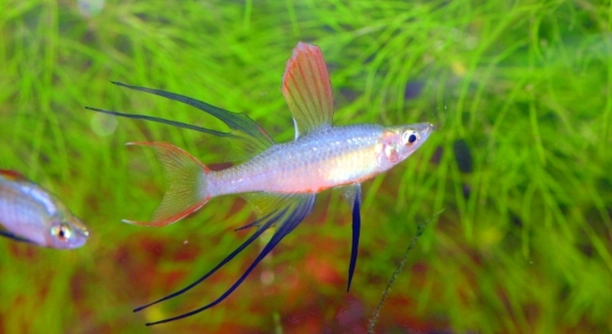
Threadfins are small, graceful fish often kept in home aquariums. They move gently through the water and may seem to favor one side of the tank over another. Observing this behavior can be both interesting and relaxing.
Threadfins might prefer one side of the tank due to environmental factors such as lighting, water flow, and the placement of decorations or hiding spots. These conditions create more comfortable zones that influence their movement and resting habits.
Learning more about these preferences can help create a balanced and healthy tank. Understanding the subtle choices of your threadfins improves their well-being and enhances your enjoyment of watching them.
Light and Tank Placement
Threadfins are sensitive to light and often choose sides of the tank based on brightness. They naturally avoid overly bright areas, preferring dimmer corners that feel safer. In my tank, I noticed that one side receives soft natural light while the other is closer to a bright lamp. The fish almost always swim near the softer light. This preference isn’t random. It helps them regulate stress and maintain normal behavior. Tank decorations also play a role by casting shadows and creating cozy spots. Even small changes, like moving a plant or adding a rock, can shift their favored area. Monitoring these patterns allows for adjustments that make them more comfortable. Understanding this behavior also helps prevent unnecessary stress, as threadfins tend to stay in zones where they feel secure. Observing their reactions to light changes is a simple way to ensure they remain healthy and active in the tank.
Threadfins will often explore brighter areas briefly but will return to the shaded side, showing a clear preference.
Adjusting tank lighting is easy and effective. By offering gentle gradients of light, you can create multiple zones. Some threadfins like to hover near decorations, while others stay close to plants that filter the light. Small tweaks, like shifting a lamp or moving a decorative rock, can make a noticeable difference. Keeping track of where they spend the most time helps you understand their comfort zones, which contributes to healthier, less stressed fish. Consistent lighting routines also encourage more natural activity patterns.
Water Flow and Temperature
Threadfins often prefer areas with steady but gentle water movement.
Water flow affects where threadfins spend their time. Strong currents can tire them out, while stagnant water can feel unsafe. I noticed that my fish congregate near the middle of the tank where the flow is smooth and steady. Temperature variations can also guide their movement; they often swim where the water feels most comfortable, usually slightly warmer than cooler corners. Regular monitoring of the tank’s filtration and heater placement is essential. Flow patterns can be adjusted by moving equipment or adding decorations to redirect currents. Even minor changes, like adding a floating plant, can slow the water and create a preferred resting spot. Observing these patterns helps maintain a comfortable environment and prevents sudden stress. Balancing flow and temperature not only supports the threadfins’ health but also encourages them to explore and display natural behaviors throughout the tank.
Keeping flow consistent allows threadfins to exercise while feeling secure. Proper water movement creates areas they enjoy without overwhelming them, improving overall activity and well-being.
Tank Decorations and Hiding Spots
Threadfins often stay near decorations or plants that provide cover. They feel safer when they can hide or rest behind objects, and these spots can determine which side of the tank they prefer.
I have noticed that my threadfins consistently gather near a small cluster of rocks on one side of the tank. These rocks create a natural barrier, giving them a sense of security. Plants also influence their choice, as the leaves filter light and provide gentle shade. Even simple ornaments, like ceramic caves or driftwood, can create preferred zones. Their repeated use of these areas shows that hiding spots are more than decoration—they directly affect behavior. Observing their patterns helps me arrange the tank in a way that balances aesthetics and comfort for the fish, encouraging them to explore other areas gradually while still feeling secure.
Decorations do more than enhance the tank visually; they guide fish behavior. Proper placement creates zones that meet threadfins’ need for shelter while allowing open swimming spaces.
Feeding and Activity Patterns
Threadfins often favor sides of the tank where feeding usually occurs.
I’ve noticed that my fish swim to the same area every feeding time, even if other areas are equally comfortable. They quickly learn where food is introduced and linger nearby afterward. Feeding schedules and locations influence their movement and resting spots. When the feeding side is near plants or rocks, they combine the comfort of shelter with access to food. Over time, this routine shapes their favorite side. Watching them adapt has made me more mindful of where I place food, ensuring it doesn’t create overcrowding or stress. I sometimes rotate feeding spots slightly to encourage balanced tank use. Observing these patterns highlights the connection between routine and fish behavior, showing how subtle habits affect where threadfins prefer to spend their time.
Consistent feeding routines not only satisfy their hunger but also reduce stress. When they anticipate food in a specific area, threadfins feel secure and confident, reinforcing their chosen side of the tank and encouraging natural activity patterns throughout the day.
Tank Size and Space
Threadfins tend to favor areas with enough open space to swim freely. Crowded spots make them feel uneasy, pushing them toward sides with more room.
I’ve seen my fish consistently choose wider sections of the tank. These areas allow easy movement and less competition, helping them feel calm and secure.
Social Behavior
Threadfins’ side preferences can be influenced by other fish. They often group together, following companions or avoiding more dominant tank mates. Observing these patterns helps me understand their social dynamics. When one fish moves to a calmer side, others usually follow, creating a clear preferred area that balances comfort and safety.
Maintenance and Cleaning
Regular tank cleaning affects where threadfins spend their time. They often avoid areas recently disturbed or cleaned.
FAQ
Why do threadfins always stay on one side of the tank?
Threadfins often favor one side due to a combination of light, water flow, decorations, and feeding routines. In my experience, even slight differences in brightness or current can make a noticeable impact. They seek comfort and safety, so they naturally gravitate toward areas that feel stable and secure.
Can changing the tank layout make them explore more?
Yes. Rearranging decorations or adding new hiding spots can encourage threadfins to swim across the tank. I’ve noticed that moving a plant or shifting rocks can temporarily shift their preferred side. However, they may still return to the side that feels safest once they’ve explored.
Do threadfins get stressed if their preferred side is blocked?
Blocking their favorite area can cause mild stress. My threadfins sometimes linger near the obstruction, appearing hesitant or cautious. Gradual changes are better than sudden ones, allowing them to adapt without impacting their appetite or activity.
Does water temperature affect their side preference?
Absolutely. Threadfins prefer stable, comfortable temperatures. I’ve seen them move closer to heaters during cooler periods and shift away if one area is slightly warmer than the rest. Consistent temperature helps them feel secure and encourages balanced tank use.
How does tank size influence their behavior?
Smaller tanks limit their choices, making one side more dominant. In larger tanks, they still show preferences but have more space to roam. I noticed that my threadfins in a medium-sized tank still choose one side most often, but they occasionally explore the rest of the tank.
Do threadfins prefer areas near food?
Yes, feeding patterns strongly influence their location. They quickly learn where food is introduced and spend time nearby afterward. I sometimes move feeding spots slightly to prevent overcrowding and to encourage them to explore other areas of the tank without causing stress.
Can tankmates change their preferred side?
Other fish can affect threadfins’ choices. I’ve observed them following calmer companions or avoiding more aggressive ones, which sometimes shifts their favored area. Social behavior plays a subtle but consistent role in where they spend most of their time.
Do decorations really matter?
Decorations are very important. Threadfins use plants, rocks, and ornaments for shelter. I’ve found that adding a new cave or rearranging plants can temporarily redirect their movement, giving them more comfort and encouraging activity without forcing them to abandon their usual spot.
Will changing lighting influence them immediately?
Changes in lighting can produce quick responses. My threadfins move almost instantly when I adjust lamp positions or add shading. They prefer gradual shifts, and consistent lighting routines make them more comfortable, reducing stress while maintaining natural swimming patterns.
How often should I monitor their side preference?
Regular observation helps. I check daily to notice patterns and make small adjustments as needed. Observing their side preference gives insight into their comfort level, stress, and social interactions, which ultimately helps maintain a healthier and more balanced tank environment.
Can stress make them hide more?
Yes. When stressed, threadfins retreat to sheltered areas and avoid open zones. I’ve noticed that sudden changes in water flow, lighting, or tankmates can trigger this behavior. Keeping the tank stable and predictable reduces stress and encourages more natural activity.
Is it normal for them to occasionally switch sides?
Yes. Threadfins sometimes explore or rest in less preferred areas, especially after feeding or during mild water changes. In my experience, these occasional shifts are normal and don’t indicate a problem, as long as their favorite side remains accessible and comfortable.
Does water flow really matter?
Flow is a key factor. Threadfins prefer gentle, consistent currents. Too strong a current can tire them, while stagnant water feels unsafe. I adjust my tank’s filtration slightly to create smooth flow patterns, which encourages activity without overwhelming them.
Will adding more plants change their behavior?
Adding plants can encourage exploration while providing comfort. I’ve seen my fish use new plants for shade and hiding, which can temporarily shift their favored side. Gradually introducing plants ensures they feel secure while offering variety in swimming areas.
How can I encourage them to use the whole tank?
Small, gradual changes help. I rotate decorations, shift feeding spots, and adjust lighting subtly. Over time, my threadfins begin exploring more areas while still returning to their preferred side, balancing comfort with natural curiosity.
Are these preferences permanent?
Not always. Preferences can change due to growth, tank adjustments, or social dynamics. I’ve noticed that as my threadfins matured, they occasionally shifted sides, but core habits like resting spots and hiding areas remain fairly consistent.
Do threadfins show side preference in community tanks?
Yes, but it may be less obvious. In tanks with multiple species, social interactions and space availability influence which side they favor. I’ve observed that threadfins adapt by combining their comfort needs with awareness of other fish, often finding a compromise zone that feels safest.
Can frequent water changes affect their preferred side?
Frequent changes can temporarily disrupt preferences. My fish sometimes hesitate near areas recently cleaned. After the water settles and flow stabilizes, they usually return to their favored spots. Gradual, consistent cleaning minimizes stress and preserves their side preference.
How do I know if their behavior indicates a problem?
Sudden avoidance of their usual side, lethargy, or loss of appetite can signal stress or illness. I monitor my threadfins closely for these signs. Consistent preferences, along with active swimming and regular feeding, indicate a healthy and balanced environment.
Is it normal for one fish to dominate a side?
Yes. Dominant individuals can influence where others swim. I’ve seen one threadfin occupy a preferred corner, while others adjust nearby. Observing interactions ensures that all fish have access to safe zones without excessive conflict or stress.
Do lighting, decorations, and feeding work together?
Absolutely. All three factors interact to shape side preference. I’ve learned that coordinating lighting, hiding spots, and feeding locations creates a balanced environment. Threadfins respond well when these elements are considered together, promoting comfort, exploration, and healthy behavior throughout the tank.
Can seasonal changes affect their preferred side?
Yes. Variations in natural light, temperature, or room activity can shift preferences. I notice slight adjustments during seasonal changes, especially in tanks near windows. Monitoring these changes ensures their comfort remains consistent, regardless of external conditions.
How long does it take for them to adjust to a new setup?
Adjustment usually takes a few days to a week. I’ve found that gradual changes are best. Introducing new decorations, modifying lighting, or shifting feeding spots slowly helps threadfins adapt without stress while maintaining their natural routines.
Is it normal for side preference to vary by time of day?
Yes. Threadfins often change locations depending on feeding, light levels, and activity. I observe them near shaded areas in the morning, moving slightly toward open zones during feeding. Understanding these patterns helps maintain a harmonious and comfortable tank environment.
How do I make both sides of the tank comfortable?
Balance light, flow, and decorations. I ensure each side has gentle currents, shaded areas, and hiding spots. Feeding can rotate slightly between sides. This approach allows threadfins to explore and move freely while maintaining security, promoting healthier activity throughout the tank.
Will adding more fish affect side preference?
Yes. Adding new tankmates can shift behavior. My threadfins sometimes adjust where they spend time to avoid aggression or overcrowding. Observing interactions after introducing new fish ensures all individuals have safe, comfortable spaces without disrupting existing preferences.
Do they prefer one side year-round?
Mostly, yes. Their favorite areas tend to remain consistent unless environmental changes occur. I notice that even after minor rearrangements, my threadfins return to familiar zones, indicating strong preferences tied to comfort, safety, and routine.
How important is observation for understanding side preference?
Observation is key. By watching their daily behavior, I can identify patterns, adjust lighting, flow, feeding, and decorations, and ensure a comfortable environment. Understanding side preference helps maintain their health, reduce stress, and create a balanced tank.
Can I use side preference to improve tank design?
Definitely. Knowing where threadfins feel most comfortable guides decoration placement, flow adjustment, and feeding spots. I use their behavior to optimize the tank, ensuring a harmonious space that encourages natural swimming, exploration, and social interaction.
Does water quality influence side choice?
Yes. Threadfins avoid areas with poor water circulation or debris accumulation. I maintain consistent filtration and cleaning to ensure all zones remain inviting. Good water quality supports both health and consistent side preferences.
Are some threadfins more particular than others?
Yes. Individual temperament affects side preference. In my tank, some fish are bolder and explore more, while others stick to familiar zones. Respecting these differences ensures that all fish remain comfortable and stress-free.
How can I tell if changes are positive?
Positive changes are reflected in activity, appetite, and stress levels. My threadfins explore more freely, rest comfortably, and show regular swimming patterns. Observing these improvements confirms that adjustments are beneficial, enhancing both their well-being and tank harmony.
Can seasonal lighting changes influence behavior?
Yes. Threadfins respond to natural light variations near windows. I adjust artificial lighting gradually to maintain comfort, ensuring their preferred zones remain inviting despite seasonal shifts in sunlight.
Do hiding spots affect social interactions?
Hiding spots reduce conflicts. My threadfins use plants and rocks to avoid dominant fish. Properly placed shelters help maintain peaceful interactions and allow shy individuals to feel secure without isolating themselves completely.
Is it normal for them to avoid newly cleaned areas?
Yes. Disturbed water and recently moved decorations can make threadfins hesitant. I give them time to readjust, and usually, they return to their favored side once conditions stabilize. Gradual cleaning routines minimize stress and preserve natural behavior.
How often should I adjust their environment?
Adjustments should be gradual and occasional. I make small changes when necessary, like shifting plants or feeding spots. Frequent drastic changes can increase stress, while measured tweaks encourage healthy exploration and maintain consistent side preference.
Can I predict which side they will prefer?
Often, yes. Observing light, flow, decorations, and feeding habits gives a clear idea of favored zones. My threadfins’ behavior over time has shown predictable patterns, allowing me to optimize the tank for comfort and natural activity.
Do threadfins ever ignore preferred areas completely?
Rarely. Only major disturbances like sudden strong currents, poor water quality, or aggressive tankmates make them avoid their usual side. In normal conditions, they consistently return, showing strong attachment to comfortable and secure zones.
Can side preference indicate health issues?
Sometimes. Sudden avoidance, lethargy, or hiding excessively may signal illness. I monitor behavior along with appetite and swimming patterns to ensure early detection and maintain a healthy environment.
How do I balance exploration and security?
By providing multiple comfortable zones. I arrange hiding spots, gentle currents, and varied lighting so threadfins feel safe while still exploring. This balance reduces stress, encourages activity, and maintains overall tank harmony.
Do threadfins prefer similar conditions across tanks?
Generally, yes. They respond to light, flow, shelter, and feeding routines in consistent ways. I’ve noticed that regardless of tank size, they exhibit similar preferences for comfortable and secure areas.
Can observing side preference improve feeding habits?
Yes. Understanding where they spend most time helps plan feeding locations, reducing competition and stress. I rotate feeding slightly between areas, ensuring all fish have access to food while respecting their preferred zones.
How long do side preferences last?
Preferences are mostly stable but can evolve with environmental or social changes. In my experience, core zones remain consistent, with occasional exploration to adjust to new conditions, ensuring their comfort and security.
Does tank orientation matter?
Yes. Placement near windows, doors, or lamps affects light and activity. I arrange the tank so favored sides receive gentle light and steady flow, creating a secure and comfortable environment for the threadfins.
Can personality influence side choice?
Absolutely. Some threadfins are bolder, exploring more, while others are cautious and stick to familiar areas. Recognizing these differences helps maintain a balanced tank that meets individual comfort needs.
Is gradual change better than sudden change?
Yes. Threadfins adapt more easily to slow adjustments in lighting, decorations, or feeding. I’ve found that sudden shifts cause stress, while gradual changes encourage exploration and maintain natural behavior patterns.
Can seasonal temperature changes affect side preference?
Yes. Even small shifts influence movement. My fish sometimes shift closer to heaters or shaded areas depending on room temperature. Maintaining stable conditions helps them remain comfortable and active throughout the year.
Do side preferences differ by age?
Young threadfins may explore more, while older ones often stick to secure zones. I noticed that as fish mature, their core preferred areas remain, but they gradually become more cautious about exploring unfamiliar spots.
Are multiple preferred sides possible?
Yes. Some threadfins rotate between a few comfortable zones depending on time of day, feeding, or activity. I see them use multiple areas, balancing exploration with security while maintaining overall comfort.
Can observing side preference reduce stress?
Absolutely. Understanding their habits helps me arrange the tank for comfort, predict movement, and prevent overcrowding, which reduces stress and encourages healthy activity throughout the day.
Do side preferences influence breeding behavior?
Yes. Threadfins often choose safe, sheltered zones for resting and courtship. I’ve observed that secure areas near plants or rocks become focal points during breeding periods, ensuring comfort and protection for both adults and fry.
Can preferences change if I add new lighting or equipment?
Yes. Changes in light intensity, flow from pumps, or new decorations can shift preferred zones. I introduce new equipment gradually, observing reactions to ensure they remain comfortable and active.
Is it normal for shy fish to pick the same side consistently?
Yes. Shy individuals often select safe, less exposed areas. I notice they rarely leave these zones unless encouraged by feeding or mild environmental changes, highlighting the importance of security for their well-being.
Can side preferences help with tank planning?
Definitely. Knowing their favored areas guides placement of plants, rocks, and feeding spots. I use this knowledge to create balanced zones that meet comfort, flow, and lighting needs while encouraging natural behavior and exploration.
Are preferences influenced more by environment or social factors?
Both play a role. Environment sets the baseline for comfort, while social interactions can reinforce or slightly shift side preference. I monitor both to ensure a harmonious tank with balanced activity and minimal stress.
Do threadfins prefer consistent lighting schedules?
Yes. They respond positively to predictable light patterns. I keep consistent on/off times for lamps, which stabilizes behavior and reinforces comfort in their preferred zones.
Can side preference indicate tank health?
Indirectly. If fish avoid a side consistently, it may suggest issues with flow, lighting, or water quality. Observing patterns helps me identify and address problems before they affect overall health.
How can I track their preferred side effectively?
Daily observation works best. I note where threadfins spend time during feeding, resting, and exploration. Over time, this provides a clear picture of their comfort zones and highlights any changes needing attention.
Does tank complexity affect side preference?
Yes. More decorations and hiding spots can distribute activity across the tank. I balance complexity with open swimming space to ensure threadfins feel secure while still exploring freely.
Are side preferences temporary or long-term?
Mostly long-term, tied to comfort and routine. My fish occasionally explore new zones, but core preferred areas remain consistent unless environmental changes occur. Gradual adjustments help maintain stability.
Can observation of side preference improve overall tank care?
Absolutely. Understanding behavior informs feeding, cleaning, and decoration placement. Observing threadfins’ choices ensures a balanced, comfortable environment that promotes health, reduces stress, and encourages natural activity.
Do individual differences matter?
Yes. Each threadfin has unique comfort levels and temperament. I observe individual behavior to accommodate bolder and shy fish alike, ensuring all have access to preferred zones and safe spaces.
Can side preference indicate hierarchy in the tank?
Yes. Dominant fish often claim favored zones, with others adjusting around them. Monitoring interactions ensures that all fish maintain access to safe areas without excessive stress.
Do side preferences change with tank size?
Yes. Larger tanks offer more choice, but core comfort zones remain. My threadfins still return to favorite sides, even when exploring more open areas, demonstrating a mix of security and curiosity.
Can water chemistry influence side choice?
Yes. Variations in pH, hardness, or cleanliness may affect comfort. I maintain consistent water conditions across the tank to ensure all zones remain inviting.
Are side preferences visible in newly introduced threadfins?
Usually, yes. They quickly identify safe areas and begin favoring them. Initial observation helps determine suitable hiding spots and feeding zones for long-term comfort.
Does side preference affect interaction with humans?
Yes. Fish near accessible areas may become more accustomed to movement outside the tank, while those in hidden zones remain cautious. Understanding their favored side guides feeding and observation routines.
Can side preference be used to improve feeding efficiency?
Absolutely. Placing food near preferred zones reduces stress, minimizes waste, and ensures all fish can eat comfortably. I rotate feeding slightly to prevent overcrowding while respecting comfort zones.
How much variation in preference is normal?
Some variation is natural, especially after feeding or minor tank changes. My threadfins occasionally explore other areas, but they consistently return to core preferred zones, showing stable habits.
Do environmental changes always shift preference?
Not always. Minor changes may cause temporary exploration, but core comfort zones usually remain. Gradual adjustments make shifts smoother and reduce stress, maintaining predictable patterns.
Is it normal for preferences to evolve over time?
Yes. Growth, tank adjustments, or social changes can influence choices. I notice slight shifts, but core zones remain consistent, showing both adaptability and stability in behavior.
Can side preferences help detect early stress?
Yes. Sudden avoidance, hesitation, or excessive hiding signals potential stress. Observing side preference allows early intervention, ensuring a healthy and balanced environment.
Do side preferences differ between male and female threadfins?
Sometimes. Males may choose more open areas for display, while females often prefer sheltered zones. I observe both genders to provide balanced environments that meet individual needs.
Can seasonal lighting and temperature shifts cause temporary preference changes?
Yes. Minor adjustments in light and temperature can temporarily shift favored zones. I monitor and stabilize conditions to maintain comfort while allowing natural behavior adjustments.
Are side preferences influenced by daily routines?
Yes. Feeding times, light cycles, and activity levels guide movement. My threadfins adjust throughout the day but consistently return to comfortable zones, reflecting both routine and personal preference.
**How can I use this
Final Thoughts
Threadfins are small but thoughtful creatures. Observing their behavior closely can reveal a lot about their comfort and preferences. One of the clearest patterns is their tendency to favor one side of the tank. This choice is rarely random and is influenced by multiple factors, including lighting, water flow, temperature, hiding spots, and feeding routines. In my experience, even subtle differences in any of these factors can determine where they spend most of their time. For example, a slightly dimmer corner with gentle water movement and nearby plants often becomes their preferred resting area. Watching them settle into these zones helps me understand what makes them feel secure and how to maintain a healthy environment. The more attention I give to these patterns, the easier it becomes to predict their behavior and adjust the tank in ways that support their natural habits.
Tank design and maintenance play a crucial role in supporting threadfins’ preferences. Properly arranged decorations, plants, and rocks provide shelter and security, which are essential for reducing stress. Even small adjustments, like moving a rock or repositioning a plant, can shift the areas they favor, allowing them to explore new spaces safely. Lighting is also a key factor; consistent, gentle illumination creates zones they are drawn to while avoiding overly bright or harsh areas. Water flow and temperature must be steady and comfortable, as strong currents or extreme temperature differences can push them away from otherwise suitable spots. I have learned that balancing these elements not only helps threadfins feel safe but also encourages activity, healthy feeding habits, and natural social interactions. Observing their movement daily allows me to see the subtle effects of changes and make small improvements that have a meaningful impact on their well-being.
Finally, understanding the side preferences of threadfins is more than a curiosity—it is a practical way to maintain a balanced and comfortable aquarium. These patterns reveal how fish interact with their environment and with one another. Monitoring their behavior helps identify early signs of stress, such as hesitation, avoidance, or reduced activity. It also guides decisions about feeding locations, decoration placement, and water management, ensuring that all areas of the tank remain inviting and safe. Over time, I have noticed that respecting their choices creates a calmer, more predictable environment, which benefits both the fish and anyone observing them. By paying attention to these small but meaningful behaviors, it is possible to create a tank that encourages natural activity, supports social balance, and allows threadfins to thrive. Their preferred side of the tank becomes more than just a habit—it is a reflection of their comfort, safety, and overall health, showing how even subtle details in care can make a significant difference.

Hello,
If you enjoy the content that we create, please consider saying a "Thank You!" by leaving a tip.
Every little bit helps us continue crafting quality advice that supports the health, happiness, and well-being of pets around the world, for pets of all shapes, sizes, and species.
We really appreciate the kindness and support that you show us!