
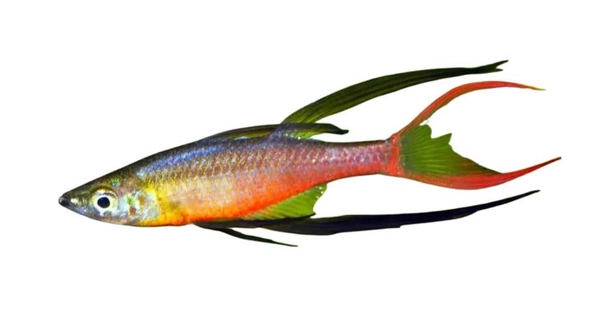
Threadfin are fascinating fish with delicate behaviors that can be easily influenced by their surroundings. Even small injuries can change how they swim, feed, and interact with other fish in their environment. Observing these changes is important for care.
Minor injuries such as fin tears, scale loss, eye damage, and minor body wounds can significantly alter threadfin behavior. Affected fish may show reduced swimming efficiency, increased stress, avoidance of food, or social withdrawal from their group.
Recognizing these subtle behavioral changes can help ensure healthier environments for threadfin and prevent further complications in their daily lives.
Fin Tears
Fin tears are common among threadfin, often caused by rough tank surfaces, aggressive tank mates, or sudden collisions. These injuries may look minor, but they can affect swimming balance and reduce mobility. Fish with torn fins may avoid open areas and hide more often, making feeding more challenging. Proper observation and care are necessary to prevent infections, as damaged fins can easily harbor bacteria. Regular water changes and maintaining good water quality help the healing process. Providing hiding spots and avoiding overcrowding also minimizes stress and further damage.
Fish with torn fins often show slower movements and stay close to shelter.
Monitoring their recovery is crucial. Damaged fins can take several weeks to fully heal. Providing a balanced diet rich in vitamins supports tissue regeneration. Minimizing stressors, such as sudden tank changes or aggressive companions, helps maintain their overall health. By keeping the tank environment stable and clean, the threadfin can regain normal swimming patterns. Observation during feeding times ensures they are eating properly, which is essential for recovery. A patient approach allows them to heal without further complications.
Scale Loss
Scale loss in threadfin can occur due to minor scrapes or fights with other fish. Even small patches of missing scales can expose them to infections and make swimming slightly uncomfortable. Immediate attention is needed to prevent bacterial or fungal issues.
A clean environment and gentle handling help reduce the risk of worsening the condition.
Protecting their skin is essential. Scales serve as a barrier against pathogens. Using stress-free methods for cleaning and maintaining the tank ensures minimal contact with abrasive surfaces. Observing fish for early signs of scale damage allows intervention before serious infections develop. Providing a nutritious diet improves their immune response, which is critical during recovery. Avoiding aggressive tank mates prevents repeated injuries. If infections appear, appropriate treatment such as mild antibacterial solutions may be required. With careful attention, threadfin can recover fully and maintain normal activity levels while avoiding long-term behavioral changes.
Do you want me to continue with the next injuries in the same format?
Eye Damage
Eye damage in threadfin can result from collisions, rough surfaces, or aggressive interactions. Even minor injuries can make it difficult for them to navigate and locate food, altering their usual behavior and daily activity. Immediate attention is necessary to prevent infections and vision complications.
Vision impairment changes how threadfin interact with their environment. They may become hesitant to swim in open areas or join group activities, often sticking to the tank edges. Feeding can become challenging, as they may struggle to locate food or compete with more agile fish. Keeping the tank quiet, avoiding sudden movements, and ensuring food is accessible supports their adjustment and recovery.
Treatment requires careful observation. If the eye shows signs of cloudiness, swelling, or discharge, prompt intervention is essential. Maintaining pristine water conditions reduces infection risk, and isolated treatment may be necessary for severe cases. Over time, some vision issues may resolve, but monitoring behavior remains critical. Supporting their ability to feed and move safely encourages normal activity and minimizes stress, helping them regain confidence despite the injury.
Minor Body Wounds
Minor body wounds appear as small scratches or abrasions on the skin, often from collisions or sharp tank objects. These wounds may seem insignificant but can increase susceptibility to infections and affect swimming confidence. Quick action helps prevent further complications.
Even small wounds influence behavior noticeably. Affected threadfin may swim slower, avoid bright areas, and isolate themselves from other fish. Stress levels rise, making them less likely to compete for food or explore their surroundings. Monitoring for redness, swelling, or unusual behavior ensures timely care and prevents escalation.
Providing a clean tank environment and gentle care supports healing. Daily observation of movement and feeding helps track recovery progress. Nutrient-rich diets promote tissue repair and strengthen immune responses. If wounds show signs of infection, mild antibacterial treatments can prevent worsening conditions. Avoiding overcrowding and sharp decorations reduces the chance of repeated injuries. With careful attention, threadfin regain normal swimming and social behavior, gradually returning to their previous activity patterns.
Tail Damage
Tail damage often occurs from sudden collisions or aggressive tank mates. Even minor tears can reduce swimming efficiency and cause threadfin to stay near the tank bottom or corners, avoiding open areas and exertion.
Recovery requires careful monitoring. Providing a stress-free environment and minimizing obstacles helps the tail heal faster.
Mouth Injuries
Mouth injuries can result from feeding disputes or sharp objects in the tank. These injuries affect eating habits, as fish may struggle to capture or chew food, leading to slower growth or nutritional deficits. Proper care includes soft, easy-to-eat food and observation to ensure they are feeding adequately.
Skin Irritation
Skin irritation can be caused by water quality issues, parasites, or minor abrasions. Affected threadfin may rub against surfaces or hide more frequently, showing signs of discomfort or stress. Monitoring water conditions and treating potential parasites is essential to restore comfort and normal behavior.
How can I tell if my threadfin is injured?
Signs of injury in threadfin vary depending on the type of wound. Look for torn fins, missing scales, cloudy or swollen eyes, and minor scrapes on the body. Changes in swimming patterns, such as staying near the tank bottom, moving slower than usual, or isolating from other fish, can indicate discomfort. Behavior during feeding is also important; injured fish may struggle to capture food or avoid competition. Observing these subtle changes daily helps catch injuries early and ensures timely intervention before complications develop.
What should I do if my threadfin has a fin tear?
First, check the tank for sharp objects or aggressive companions that may worsen the tear. Keep water clean with frequent partial changes to reduce infection risks. Provide hiding spots and avoid sudden disturbances. A balanced diet rich in vitamins supports tissue regeneration. Minor fin tears often heal on their own if stress is minimized and conditions are stable. Monitor the fish’s swimming and feeding to ensure recovery is progressing. If signs of infection appear, such as redness or fraying, consider a mild antibacterial treatment.
How do I care for a threadfin with scale loss?
Scale loss exposes the skin to potential infection. Keep the tank clean and maintain stable water parameters. Avoid handling the fish unnecessarily and remove any rough surfaces that could worsen damage. Nutrient-rich food supports immune function, while reducing stress helps recovery. Isolate the fish if aggressive tank mates caused the loss. Watch for signs of infection like redness or swelling, and act quickly if they appear. Daily observation ensures the fish heals without complications, and over time, the scales can regenerate, restoring their protective barrier.
What can I do if my threadfin has eye damage?
Eye injuries can affect movement and feeding. Make food easily accessible and reduce strong currents in the tank to limit stress. Observe for cloudiness, swelling, or discharge, which may indicate infection. Maintain excellent water quality and minimize handling. If necessary, isolate the fish for treatment. Some injuries heal on their own, but constant monitoring is essential to ensure the fish adapts to temporary vision loss and maintains normal behavior as much as possible.
How should I handle minor body wounds?
Keep the tank clean and stress-free. Daily observation is important to track healing. Provide a balanced diet to support tissue repair and strengthen immunity. Avoid overcrowding and remove sharp objects to prevent further injury. If wounds show signs of infection, mild antibacterial treatment may be required. Healing time varies, but careful attention allows the fish to regain normal swimming and feeding habits.
What steps help tail damage recover?
Reduce stress by removing aggressive tank mates and sharp obstacles. Provide gentle water flow to avoid further strain on the tail. Ensure a nutritious diet to promote tissue repair. Monitor swimming closely and allow time for the tail to heal naturally. Avoid sudden tank changes during recovery. With proper care, threadfin regain mobility and normal behavior without long-term issues.
How do I support a threadfin with mouth injuries?
Offer soft or finely chopped food that is easy to consume. Reduce competition at feeding times to prevent further injury. Monitor eating to ensure adequate nutrition. Maintaining clean water prevents secondary infections, and observing the fish’s feeding behavior helps catch any worsening conditions early. Patience is key while the mouth heals.
What should I do for skin irritation?
Identify the cause, whether water quality, parasites, or minor abrasions. Improve water conditions with regular testing and filtration. Treat parasites as needed with recommended solutions. Reduce stress and provide hiding spaces to prevent rubbing or further irritation. Monitor the fish daily to ensure recovery and prevent infections.
How can I prevent future injuries?
Maintain a safe environment with smooth surfaces and no sharp decorations. Avoid overcrowding to reduce stress and aggression. Monitor water quality regularly to prevent skin and fin issues. Introduce new fish gradually and observe interactions. Providing a balanced diet and stable conditions strengthens health, making threadfin less prone to injuries.
When should I seek professional help?
If injuries show signs of infection, such as swelling, redness, or discharge, professional intervention is needed. Severe eye damage or deep body wounds may require specialized treatment. Persistent behavioral changes, poor feeding, or lethargy indicate that the fish needs veterinary care. Early professional help increases the chances of full recovery and long-term health.
This FAQ addresses common injuries and effective care strategies, ensuring threadfin maintain healthy behavior and recover safely from minor wounds. Proper attention and observation make a significant difference in their wellbeing.
Caring for threadfin requires attention to even the smallest injuries, as minor wounds can significantly affect their behavior. From fin tears to eye damage, each type of injury has the potential to influence how these fish swim, feed, and interact with their environment. Understanding the signs of injury is essential. Changes in swimming patterns, isolation from other fish, or hesitation during feeding are all indicators that a threadfin may be experiencing discomfort. Observing these behaviors daily allows for early intervention, which can prevent minor issues from developing into more serious health problems. Providing a clean, stable environment is equally important, as water quality directly affects healing and overall wellbeing. Regular water changes, careful monitoring of tank conditions, and minimizing stress are all practical measures that contribute to faster recovery and reduced risk of complications. Even small steps, such as removing sharp decorations or reducing aggressive interactions, can make a noticeable difference in helping threadfin regain normal activity levels.
Diet and nutrition also play a key role in supporting recovery from minor injuries. Offering food that is nutrient-rich and easy to consume ensures that fish receive the energy and vitamins they need to repair tissues and strengthen their immune system. For mouth injuries or fin damage, softer or finely chopped foods are ideal, while overall balanced diets support the healing of body wounds and skin irritations. Observing feeding behavior is crucial, as injured fish may struggle to compete with tank mates or reach food effectively. Adjustments to feeding routines, such as placing food in accessible areas or temporarily reducing the number of competing fish during feeding, can help ensure that injured threadfin receive adequate nutrition. A combination of proper nutrition, stress reduction, and environmental care creates conditions where threadfin can recover more efficiently, gradually returning to their usual swimming and social behaviors. Over time, these measures reduce the likelihood of long-term effects from minor injuries and support healthier, more active fish.
Prevention remains an essential part of long-term threadfin care. Minimizing risk factors such as overcrowding, rough tank surfaces, or aggressive tank mates helps reduce the occurrence of injuries. Consistently monitoring fish behavior and tank conditions allows for early detection of problems, which is easier to address than treating advanced injuries. Maintaining a balanced and nutrient-rich diet, providing safe hiding spots, and avoiding sudden environmental changes all contribute to reducing stress, which is a common factor that can slow recovery. While minor injuries are often unavoidable, taking proactive steps ensures that threadfin remain resilient and maintain normal behaviors despite small accidents. Careful observation, proper nutrition, and a stable, safe environment work together to keep these fish healthy and active. With consistent care, threadfin can thrive, recover from minor injuries, and continue displaying the natural behaviors that make them unique and engaging to watch.

Hello,
If you enjoy the content that we create, please consider saying a "Thank You!" by leaving a tip.
Every little bit helps us continue crafting quality advice that supports the health, happiness, and well-being of pets around the world, for pets of all shapes, sizes, and species.
We really appreciate the kindness and support that you show us!