
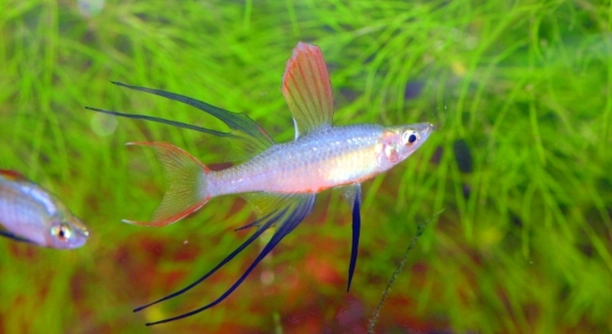
Threadfin fish are lively swimmers that respond well to a thoughtfully arranged tank. Creating an environment that mimics their natural habitat can improve their activity levels and overall well-being. Proper tank decor encourages exploration and natural behaviors.
Incorporating varied decorations such as driftwood, smooth rocks, and aquatic plants provides shelter and stimulates movement. Layering substrates and adding open swimming spaces supports threadfins’ instinctive behaviors, promoting exercise, reducing stress, and enhancing their social interactions in the tank environment.
These simple adjustments can make a noticeable difference in your tank’s dynamic. Implementing the right decor encourages healthy activity and keeps threadfins engaged.
Driftwood and Branch Structures
Using driftwood and branches in a tank provides threadfins with natural hiding spots and resting areas. Smooth, untreated pieces are best to avoid altering water chemistry. Arranging them at varying angles creates tunnels and pathways, encouraging swimming and exploration. Threadfins often glide around and under these structures, using them for cover or as resting points between movements. The natural texture and irregular shapes help mimic riverbeds, offering both stimulation and security. Driftwood also provides surfaces for beneficial biofilm growth, which can enhance water quality and give threadfins occasional grazing opportunities. Placement should leave open swimming space while still offering complexity to keep the tank visually interesting and supportive for the fish. Regularly monitoring for decay or sharp edges ensures safety and maintains a healthy environment.
Driftwood structures also serve as visual boundaries, making the tank feel larger while providing activity zones for threadfins.
Properly positioned driftwood and branches transform a simple tank into an interactive environment. Threadfins explore, hide, and navigate these structures naturally, promoting physical activity and mental stimulation. Combining different sizes and textures encourages diverse swimming patterns. This setup reduces stress, supports social interactions among fish, and allows them to express instinctive behaviors safely. Observing threadfins utilize these spaces offers insight into their preferences and personality traits. Over time, the tank becomes a dynamic space that balances open swimming areas with structured shelters. Maintaining driftwood’s cleanliness and checking for water discoloration preserves both aesthetics and water quality. Adding subtle plant life around driftwood can further enhance the natural effect without overcrowding. By integrating these features thoughtfully, the tank environment meets both functional and decorative purposes, keeping threadfins active and content.
Aquatic Plants for Exploration
Aquatic plants provide natural cover and stimulate movement, offering threadfins both security and visual interest in the tank.
Dense and varied plant placement encourages swimming through gaps, enhancing physical activity. Floating plants create shaded areas, reducing stress and supporting natural behaviors. Threadfins often explore roots and stems, giving them interactive spaces for exercise. Plants also improve water quality by absorbing nitrates and offering surfaces for microfauna. Balancing tall, rooted plants with shorter foreground species creates layered habitats. This variety keeps threadfins engaged and supports territorial or social interactions. Careful selection of hardy species ensures compatibility with tank conditions and reduces maintenance. Integrating plants with other decor like driftwood or rocks maximizes environmental enrichment. Over time, the combination of plants and structures allows threadfins to display natural behaviors confidently, contributing to both their physical and mental well-being. Observing how fish navigate through plants provides insight into their preferences and encourages a more engaging tank setup.
Layered Substrates
Using layered substrates of sand, fine gravel, and small pebbles encourages natural foraging behavior in threadfins. Different textures stimulate movement and exploration while preventing boredom. It also provides a soft surface for resting and supports plant roots effectively.
Layered substrates create variation in depth and terrain, making the tank feel more natural. Threadfins sift through sand and gravel while searching for leftover food, exercising their senses. This arrangement reduces stress, as they can choose comfortable resting areas and explore freely. Mixed substrates also help anchor decorations and plants securely, preventing displacement during swimming or cleaning. Maintaining a balance between fine and coarse materials is important to avoid trapping debris while still encouraging activity. Over time, observing how threadfins interact with each layer can guide adjustments, ensuring both their comfort and engagement in the tank environment.
Adding depth variations through substrate layering not only enhances activity but also mimics natural habitats. Threadfins move between layers, exploring textures and shapes, which supports healthy behavior. It reduces stagnant areas, encourages interaction with other tank features, and promotes digestion as they forage naturally. Combining different substrate types maintains visual appeal while fostering physical and mental stimulation. Periodic cleaning of the top layer prevents buildup of waste without disturbing the underlying structure. Thoughtful layering ensures a functional and attractive base, benefiting both plants and fish.
Open Swimming Zones
Creating open swimming zones allows threadfins to exercise freely without obstacles. These areas should be centrally located with clear pathways.
Open zones complement structured areas like plants and driftwood, giving threadfins freedom to glide and school together. Threadfins naturally prefer alternating between sheltered spots and open spaces, which helps maintain balance in their activity patterns. Too much clutter can limit movement, so spacing decorations strategically is crucial. These swimming areas encourage energy expenditure, reduce stress, and promote social behavior, especially in active species like threadfins. Maintaining these zones requires occasional rearrangement to ensure pathways remain unobstructed. Observing fish movement helps determine if adjustments are needed for optimal activity and comfort.
Balancing open swimming zones with decorative structures enhances both physical activity and environmental enrichment. Threadfins use these spaces to exercise vigorously, engage in social interactions, and navigate between hiding spots. Open areas prevent territorial disputes and allow for natural schooling behavior, which is essential for their well-being. Regular monitoring ensures that swimming zones remain accessible as plants grow or driftwood shifts. These zones also improve water circulation and help prevent stagnant regions in the tank. By prioritizing clear areas alongside structured decor, you create a harmonious tank environment that promotes healthy movement, reduces stress, and encourages natural behaviors in threadfins consistently.
Smooth Rocks and Pebbles
Smooth rocks and pebbles provide resting spots and natural hiding areas for threadfins. They add texture to the tank while reducing the risk of injury during swimming or exploration. Proper placement ensures fish can navigate safely around them.
Grouping rocks of different sizes creates mini-caves and crevices. Threadfins use these spaces for shelter or brief pauses while swimming. Rounded surfaces prevent abrasions and encourage natural behaviors such as resting, hovering, or exploring.
Floating Decorations
Floating decorations like plants or lightweight ornaments create shaded areas. These areas simulate natural cover, giving threadfins comfort and security while swimming near the water surface. Floating elements also break up light, reducing stress and promoting natural movement patterns.
Background Panels
Background panels add visual depth and reduce external distractions. Dark or natural-colored panels help threadfins feel secure, emphasizing tank structure while enhancing overall aesthetics and encouraging exploration.
Open Rocks with Algae
Algae-covered rocks provide both grazing opportunities and textured surfaces. Threadfins naturally investigate these areas, supporting foraging behavior and adding environmental enrichment.
FAQ
What types of driftwood are safe for threadfin tanks?
Only use smooth, untreated driftwood. Hardwoods like Malaysian driftwood or Mopani are ideal because they do not release harmful chemicals and are durable. Avoid softwoods or driftwood treated with chemicals, as these can alter water chemistry and harm threadfins. Always rinse thoroughly before adding to the tank.
How often should I rearrange tank decorations?
Rearrangement isn’t required frequently. Adjust decorations only when adding new plants or driftwood, or if you notice areas becoming stagnant. Minor changes can stimulate exploration, but drastic rearrangements may stress threadfins. Observing their behavior helps determine if small adjustments are beneficial.
Are live plants better than artificial plants?
Live plants provide natural cover, improve water quality, and offer surfaces for grazing. They encourage threadfins to explore while promoting a balanced ecosystem. Artificial plants are easier to maintain but lack natural benefits. Choosing hardy live species ensures long-term success in the tank.
How much open space should I leave for swimming?
At least 50% of the tank should remain open for swimming, especially in active species like threadfins. Open zones allow schooling, energy expenditure, and natural behavior while reducing stress caused by overcrowding or excessive clutter.
Can threadfins coexist with other fish near complex decor?
Yes, if tank mates are peaceful and similar in size. Threadfins can share shelters and explore together without aggressive competition. Ensure hiding spots and open swimming areas are balanced to minimize stress and territorial disputes. Monitoring interactions helps maintain harmony.
How do layered substrates benefit threadfins?
Layered substrates of sand, fine gravel, and pebbles stimulate foraging and exploration. Threadfins naturally sift through different textures while searching for leftover food. This setup supports plant rooting, provides resting areas, and mimics natural habitats, encouraging mental and physical activity.
What maintenance is required for decorations like driftwood and rocks?
Clean driftwood and rocks regularly to remove debris, algae, and decaying matter. Avoid harsh chemicals; warm water and gentle brushing are sufficient. Monitoring water parameters ensures these decorations do not alter chemistry, keeping the tank safe for threadfins.
Are floating plants necessary?
Floating plants are not strictly necessary but highly beneficial. They provide shade, reduce light stress, and create shaded zones near the surface. Threadfins often enjoy swimming beneath these areas, which adds variation to their activity and promotes natural behavior patterns.
Can algae on rocks be harmful?
Algae in moderation is safe and provides grazing opportunities. Excessive algae growth can affect water quality, so routine cleaning is needed. Algae-covered surfaces enrich the environment, encouraging exploration and natural feeding habits without negatively impacting the tank.
How do background panels affect threadfin behavior?
Background panels reduce external distractions and create a sense of security. Dark or natural-colored panels make threadfins feel safer, helping them explore decorations and swimming areas confidently. They also enhance the visual appeal of the tank while supporting active behavior.
Is it okay to combine all these decor ideas in one tank?
Yes, combining driftwood, layered substrates, plants, rocks, floating elements, and open swimming zones creates a balanced environment. Proper spacing ensures fish are not stressed, and each feature supports different natural behaviors. Observing threadfin responses helps fine-tune the layout for optimal activity and health.
How do I monitor if my threadfins are active enough?
Active threadfins swim through open zones, explore decorations, and interact socially with other fish. Lack of movement, hiding excessively, or ignoring decor may indicate stress or poor tank conditions. Adjusting decoration placement, water quality, and enrichment can restore natural behavior.
Can small tanks support these decorations effectively?
Smaller tanks require careful planning. Prioritize open swimming areas while still providing some hiding spots and structured zones. Overcrowding can limit movement and reduce activity. Choosing fewer, multifunctional decorations ensures threadfins remain stimulated without compromising swimming space.
What is the best way to arrange decorations for threadfins?
Layer substrates at the bottom, position driftwood and rocks to create tunnels and caves, add live plants in clusters, and leave clear central swimming zones. Floating plants and background panels can be integrated without overcrowding. Observing fish reactions allows incremental adjustments to optimize engagement.
How do decorations influence stress levels in threadfins?
Decorations provide shelter, exploration opportunities, and visual barriers that reduce stress. Balanced layouts prevent dominance disputes and allow retreat when needed. Active exploration and access to shaded areas contribute to lower stress, healthier behavior, and longer lifespans for threadfins.
Are there any decor items to avoid?
Avoid sharp-edged rocks, chemically treated driftwood, and fragile decorations that may break. Overcrowding the tank with large or unnecessary items can restrict movement, increase stress, and reduce natural activity. Choosing safe, durable, and functional decor ensures a thriving environment.
How does water quality interact with decorations?
Decorations can influence water chemistry by releasing tannins or trapping debris. Proper selection, rinsing, and regular maintenance prevent negative effects. Live plants and biofilm-friendly surfaces help maintain stability, supporting both threadfin health and long-term activity.
Can threadfins adapt to changes in decor?
Threadfins are adaptable if changes are gradual. Sudden or drastic rearrangements can stress fish, but small, incremental adjustments encourage exploration and interaction with new structures. Observing responses ensures changes support healthy activity without causing fear or aggression.
Do decorations affect feeding behavior?
Yes, hiding spots, tunnels, and textured surfaces encourage foraging and exploration. Threadfins naturally search for food around decorations, which supports digestion, mental stimulation, and natural behavior. Balanced placement ensures feeding areas remain accessible without competition or obstruction.
Is it necessary to combine natural and artificial decor?
Combining both is optional but beneficial. Natural decor like driftwood and live plants promotes authenticity and enrichment, while artificial items reduce maintenance and add visual variety. A thoughtful mix balances function, aesthetics, and stimulation, supporting active and healthy threadfins.
Creating a well-decorated tank for threadfins is about balancing activity, comfort, and safety. Driftwood, rocks, plants, and layered substrates each play a role in encouraging natural behavior. Threadfins are active swimmers, and providing varied textures and open swimming zones allows them to move freely. Carefully chosen decorations create hiding spots and resting areas, which reduce stress and promote a sense of security. Observing how threadfins interact with different elements can guide adjustments to layout, ensuring the tank meets their physical and behavioral needs. Even small changes, like adding a few floating plants or shifting a rock cluster, can make the environment more engaging for them. The goal is to create a space where threadfins feel comfortable exploring while still having areas to retreat when needed.
Maintaining the tank is just as important as the initial setup. Regular cleaning of decorations, careful monitoring of water parameters, and attention to plant health help preserve both aesthetics and functionality. Driftwood and rocks can accumulate debris or algae, so gentle cleaning without harsh chemicals is essential. Layered substrates may require occasional rearranging to remove trapped particles, ensuring surfaces remain safe for exploration. Live plants need trimming and care to prevent overcrowding, while floating plants should be managed to maintain light and shade balance. By keeping the tank well-maintained, threadfins remain active and display natural behaviors consistently. A clean, well-organized environment also minimizes stress, supports social interactions, and reduces the likelihood of disease, allowing threadfins to thrive over the long term.
It is important to remember that every tank and every threadfin behaves differently. Some fish may prefer certain hiding spots or types of substrate over others, while others may spend more time in open swimming zones. Observing these preferences allows for a more tailored environment that maximizes engagement and comfort. Decorations should be chosen not only for visual appeal but also for their ability to enrich the tank experience. Combining functional elements like driftwood, plants, rocks, and open spaces encourages exploration, exercise, and natural behaviors. Thoughtful placement and ongoing adjustments create a dynamic habitat that meets both aesthetic and behavioral goals. Ultimately, a balanced approach to decoration, maintenance, and observation ensures that threadfins remain active, healthy, and content, fostering a sustainable and lively aquarium environment.

Hello,
If you enjoy the content that we create, please consider saying a "Thank You!" by leaving a tip.
Every little bit helps us continue crafting quality advice that supports the health, happiness, and well-being of pets around the world, for pets of all shapes, sizes, and species.
We really appreciate the kindness and support that you show us!