
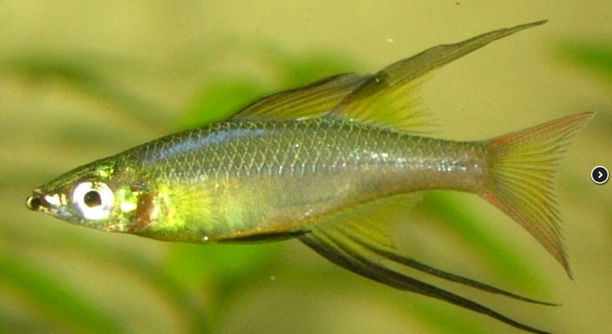
Threadfins are slender fish often found in coastal waters and estuaries. They move gracefully in schools, navigating currents and obstacles in their environment. Their behavior is influenced by both natural instincts and physical conditions around them.
Threadfins may swim against bubble curtains due to sensory disruption and stress responses. These structures create unusual water flow and noise, which interfere with normal schooling and feeding behaviors, prompting the fish to alter their movement patterns to avoid the barriers.
Observing threadfins near bubble curtains reveals patterns that suggest more than random movement. Understanding this behavior provides insight into their adaptability and environmental interactions.
How Bubble Curtains Affect Threadfin Movement
Bubble curtains are designed to create barriers in water using streams of bubbles. Threadfins respond strongly to these barriers because the bubbles disrupt their usual swimming patterns. The rising bubbles create vibrations and changes in water flow, which the fish detect through their sensitive lateral lines. These signals can confuse them or trigger avoidance behaviors. Threadfins rely heavily on water currents and subtle sensory cues to maintain their schooling structure and locate food. When a bubble curtain is present, these cues are altered, and fish often swim against the flow to find more familiar conditions. Some may persist near the barrier out of curiosity or in attempts to navigate through gaps. Over time, repeated exposure can change their preferred routes and feeding spots, demonstrating their adaptability but also highlighting the stress these barriers can induce. Observing these interactions gives valuable insights into fish behavior and environmental design.
Threadfins sometimes push through or swim along bubble curtains, trying to reestablish normal movement patterns disrupted by the bubbles.
Avoidance responses vary among individuals. Some threadfins quickly adapt and find alternative paths, while others remain hesitant, demonstrating the nuanced effects of environmental changes on schooling fish. Their behavior reflects a balance between survival instincts and exploration, providing a clear picture of how even minor disturbances can influence aquatic species. Continuous observation helps identify patterns in how threadfins interact with artificial structures and emphasizes the importance of considering natural behavior in environmental planning.
Sensory Responses and Adaptation
Threadfins react to both visual and tactile signals from bubble curtains, using their lateral lines to detect changes in water pressure and movement.
Adaptation occurs gradually. Initial exposure to bubble curtains can cause stress and hesitation, but over repeated encounters, many threadfins adjust their swimming paths and timing. They learn to interpret the cues from the bubbles, modifying their movement to minimize energy use while avoiding collisions. This adjustment shows that threadfins possess flexible behavior patterns, allowing them to cope with altered environments. However, some fish may remain wary, particularly in areas where currents intensify the effects of the bubbles. Researchers have observed that schooling behavior changes near these structures, with smaller groups forming temporarily to navigate the obstacles. Understanding these adaptive responses provides important information for designing aquatic environments, whether for conservation, aquaculture, or waterway management. It emphasizes that even seemingly simple interventions like bubble curtains can have measurable impacts on fish behavior, requiring thoughtful consideration of sensory and environmental factors.
Energy Expenditure Near Bubble Curtains
Swimming against bubble curtains requires extra energy from threadfins. The altered currents and resistance make them work harder to maintain speed and position within schools.
Threadfins expend more effort when navigating turbulent areas created by bubble curtains. Constant adjustments in fin movement and body position are necessary to counteract the pressure from rising bubbles. Over time, this increased energy output can affect feeding efficiency and growth. Fish often pause or change direction to conserve energy, but repeated encounters may still lead to fatigue. Schools may stretch out or split temporarily, showing how environmental changes can influence both individual and group behavior.
Even small changes in water flow from bubble curtains force threadfins to adjust swimming patterns continuously. This extra exertion can affect their overall activity, making them more cautious in exploring new areas. Long-term exposure may alter daily routines and habitat use, showing how subtle environmental modifications have tangible impacts on fish energy balance. Observing these effects highlights the importance of considering energy demands when implementing aquatic structures.
Behavioral Changes in Schooling Patterns
Bubble curtains can fragment threadfin schools, as some fish avoid or push against the bubbles, altering group cohesion.
Schooling behavior adapts in response to repeated exposure to bubble curtains. Fish may form smaller subgroups temporarily, increasing spacing to navigate disrupted currents safely. This fragmentation allows individuals to avoid collisions and maintain stability, even if overall coordination is reduced. Some threadfins become hesitant to follow traditional paths, creating irregular formations that persist until they learn to move around or through the barriers efficiently. These changes show that schooling is not fixed and can respond to environmental stressors.
Behavioral shifts are not only physical but also social. Fish rely on visual and lateral line cues to maintain group alignment, so disruptions from bubble curtains require continuous communication and adjustment within the school. Over time, schools may adopt new formations or modify their speed to compensate for obstacles. Such flexibility demonstrates that threadfins balance risk, energy use, and social cohesion when responding to artificial barriers, emphasizing the nuanced ways their collective behavior adapts to environmental changes.
Stress Responses to Bubble Curtains
Threadfins show signs of stress when encountering bubble curtains. Rapid movements, sudden turns, and hesitations are common reactions to these unfamiliar obstacles.
Prolonged exposure to bubble curtains can increase stress hormone levels in threadfins. This affects appetite, swimming efficiency, and alertness. Fish may become more cautious, altering normal routines and choosing less optimal feeding areas to avoid the bubbles.
Environmental Influence on Feeding
Feeding patterns change near bubble curtains because food particles are dispersed differently. Threadfins adjust by seeking calmer areas, often moving farther from preferred spots.
Observing Long-Term Adaptation
Threadfins gradually learn to navigate bubble curtains. Repeated exposure allows them to anticipate water flow and find efficient paths, reducing energy loss.
Implications for Aquatic Design
Designing bubble curtains requires consideration of fish behavior. Proper placement minimizes disruption and supports natural movement patterns.
FAQ
Why do threadfins swim against bubble curtains?
Threadfins swim against bubble curtains because the bubbles disrupt their usual water flow and sensory signals. They rely on subtle changes in currents and pressure to navigate, and bubbles create unfamiliar turbulence. Swimming against them is often an attempt to regain normal movement patterns or avoid the disturbance.
Do all threadfins react the same way?
No, individual reactions vary. Some threadfins quickly adapt and find new paths, while others hesitate or linger near the bubbles. Factors such as age, size, and previous exposure to similar conditions influence their behavior, creating noticeable differences within the same school.
How does swimming against bubble curtains affect their energy?
Exerting extra effort against bubbles increases energy expenditure. Threadfins must adjust fin movement and body posture constantly, which can lead to fatigue. Over time, frequent encounters with bubble curtains may impact feeding efficiency and growth, as more energy is spent on navigating obstacles instead of searching for food.
Can bubble curtains cause stress in threadfins?
Yes, the presence of bubbles triggers stress responses. Rapid swimming, sudden changes in direction, and hesitations indicate heightened stress. Prolonged exposure may increase stress hormone levels, affecting appetite, alertness, and overall activity. Fish may avoid areas with bubble curtains to reduce tension.
Do bubble curtains affect schooling behavior?
Bubble curtains can fragment schools temporarily. Fish often split into smaller groups to navigate safely through disrupted currents. Visual and lateral line cues become less reliable, requiring constant adjustment. This shows that schooling is flexible and can adapt to environmental stressors while balancing group cohesion.
How do threadfins adapt over time?
Threadfins gradually learn to predict the flow created by bubbles. With repeated exposure, they adjust swimming paths, reduce unnecessary energy use, and develop efficient routes. Some fish continue to avoid the barrier entirely, while others find ways to integrate movement around it with minimal disruption.
Do bubble curtains affect feeding habits?
Yes, feeding patterns change near bubble curtains. Dispersed food particles force threadfins to move to calmer areas. Some may abandon preferred feeding spots or spend more time searching, showing that environmental changes directly influence their foraging behavior.
Are there long-term consequences of repeated exposure?
Repeated exposure can influence daily routines, habitat choice, and energy allocation. Fish that frequently encounter bubble curtains may adjust schooling formations, avoid certain areas, and adapt feeding strategies. These behavioral shifts indicate that even small environmental changes can have measurable effects on fish populations.
Can the design of bubble curtains reduce negative effects?
Yes, careful placement and flow management minimize disruption. Positioning curtains in ways that preserve natural currents or create escape paths allows threadfins to maintain normal behaviors. Thoughtful design balances human objectives, such as noise or debris control, with fish welfare.
Is it possible to observe these behaviors without interference?
Observation should be done from a distance or with remote equipment to prevent influencing movement. Threadfins respond to external stimuli, so minimizing human presence ensures accurate assessment of natural reactions to bubble curtains. Continuous monitoring provides insights into adaptation and stress responses.
What is the most surprising behavior observed near bubble curtains?
Some threadfins persistently push against the bubbles, appearing to test the barrier repeatedly. Others show cautious exploration, balancing curiosity and caution. These behaviors highlight their adaptability and the complexity of interactions between fish and artificial environmental changes.
How can this knowledge help in aquatic management?
Understanding how threadfins respond to bubble curtains guides better design of water barriers and conservation strategies. It ensures that structures meet human needs while minimizing disruption to natural behaviors, supporting healthier, more resilient aquatic populations.
Are these reactions unique to threadfins?
While threadfins show specific patterns, other schooling fish may react similarly to environmental disturbances. Studying threadfins provides a model for understanding broader behavioral responses, which can be applied to various species in coastal and estuarine ecosystems.
How long does it take for threadfins to adjust?
Adjustment varies by individual and environmental conditions. Some adapt within days, while others may take weeks of repeated exposure. Factors like group size, water flow, and prior experience influence the pace of adaptation, showing a balance between flexibility and caution.
Can bubble curtains be used without harming threadfins?
Yes, when designed with fish behavior in mind. Limiting turbulence, maintaining clear escape paths, and spacing barriers thoughtfully reduce stress and energy expenditure. Properly implemented, bubble curtains achieve objectives without significantly disrupting threadfin movement or feeding patterns.
What should researchers focus on when studying these interactions?
Researchers should monitor energy use, stress indicators, schooling dynamics, and feeding behavior. Detailed observations reveal both short-term reactions and long-term adaptations, providing guidance for environmental management and design improvements.
Do threadfins ever avoid areas entirely due to bubble curtains?
Some do. Persistent disturbances can lead fish to favor alternative habitats. This avoidance highlights the need for careful placement of artificial structures to prevent unintended displacement or disruption of key feeding and breeding areas.
How can these findings be applied in aquaculture?
In aquaculture, understanding threadfin responses helps optimize tank design, water flow, and feeding routines. Minimizing stress and energy expenditure promotes healthier growth, better feeding efficiency, and improved overall welfare for farmed fish.
Is there a limit to adaptation?
Yes, repeated or extreme disturbances can exceed threadfins’ ability to adapt. Continuous high-stress environments may lead to reduced feeding, increased fatigue, and long-term avoidance of certain areas, indicating a threshold beyond which negative effects become significant.
What is the key takeaway about threadfins and bubble curtains?
Threadfins demonstrate both sensitivity and adaptability. Bubble curtains disrupt movement, schooling, and feeding, but repeated exposure allows many fish to adjust. Thoughtful design and monitoring are essential to balance environmental management with the natural behavior and well-being of these fish.
Final Thoughts
Threadfins are remarkable in the way they navigate their environments. Their movements are guided by subtle water currents, sensory signals, and the behavior of other fish in their school. When something like a bubble curtain is introduced, it can disrupt these natural patterns. The bubbles create changes in water flow and vibrations that threadfins detect immediately. At first, they may react with hesitation, sudden turns, or rapid swimming. These behaviors are instinctive responses to unfamiliar disturbances, showing just how sensitive threadfins are to their surroundings. Over time, some fish learn to adjust, finding paths through or around the bubbles. Others may remain cautious, showing a range of responses even within the same group. Observing these patterns highlights how environmental changes, even small ones, can influence behavior, energy use, and group dynamics in subtle but significant ways.
Energy expenditure is an important factor in understanding how threadfins cope with bubble curtains. Swimming against rising bubbles requires additional effort, forcing the fish to constantly adjust their fins and body position. These small adjustments add up, affecting overall activity, feeding, and growth. Schools may temporarily stretch or fragment as individual fish respond differently to the disturbance, reflecting both physical and social challenges. Over repeated exposures, threadfins may adapt by modifying their swimming paths, conserving energy, and finding efficient ways to navigate the bubbles. Even with adaptation, there are limits. Prolonged or intense exposure can lead to fatigue or avoidance of certain areas. This balance between adaptation and stress shows that threadfins are resilient but still vulnerable to environmental changes that interfere with their natural behaviors. Careful observation helps to understand these limits and provides insight into how environmental structures can be designed with fish welfare in mind.
Understanding threadfin behavior near bubble curtains has practical applications. For conservation, aquaculture, and waterway management, knowing how fish react allows for designs that minimize disruption while achieving human goals. Proper placement of barriers, maintenance of natural currents, and attention to escape paths can reduce stress and energy loss. Observing schooling patterns, feeding habits, and responses over time gives a clear picture of adaptability and limits. These insights emphasize the importance of considering both short-term reactions and long-term adaptations. By taking a thoughtful, research-based approach, it is possible to create environments that support the natural behavior and well-being of threadfins while still meeting environmental or management objectives. Understanding these interactions contributes to healthier, more balanced aquatic ecosystems and provides a model for evaluating other species in similar conditions.

Hello,
If you enjoy the content that we create, please consider saying a "Thank You!" by leaving a tip.
Every little bit helps us continue crafting quality advice that supports the health, happiness, and well-being of pets around the world, for pets of all shapes, sizes, and species.
We really appreciate the kindness and support that you show us!