
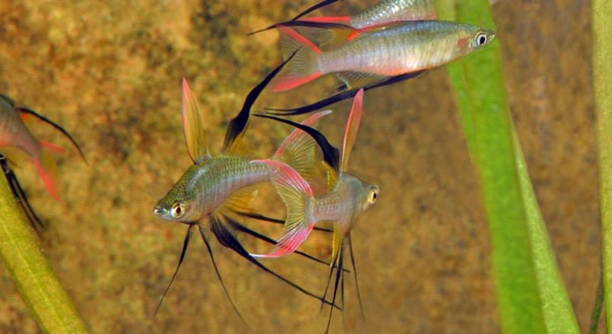
Threadfins are graceful fish that bring life to home aquariums. Many hobbyists notice they rarely swim near the surface, often staying lower in the tank. Understanding their behavior can improve both their comfort and care.
Threadfins may avoid the top of the tank due to environmental stressors, light sensitivity, and natural swimming habits. They prefer shaded or lower areas where they feel secure, reducing stress and promoting optimal health and activity.
Observing their patterns can help you create a more suitable habitat. Small adjustments in lighting and tank arrangement can make a noticeable difference in their behavior.
Understanding Threadfin Habitat Preferences
Threadfins naturally gravitate toward shaded areas in their environment. In a tank, bright light or open spaces can make them feel exposed and vulnerable. They tend to swim lower, near decorations, plants, or tank walls where they can find cover. Maintaining a stable environment with gentle lighting encourages them to explore without stress. Temperature and water flow also play important roles. Threadfins are sensitive to rapid changes and may avoid the top if currents are too strong or the surface water feels too warm. Adding floating plants or dimming overhead lights can create a more comfortable setting. Observing their behavior over time helps identify preferred zones in the tank. This allows adjustments to be made that support their natural instincts. Consistent feeding schedules and minimal disturbances further encourage them to swim freely while maintaining lower positions. Over time, this creates a balanced and healthy habitat for the fish.
Providing shaded areas reduces stress and promotes calmer swimming habits among your threadfins.
Creating the right environment involves more than just lighting. Proper tank decorations, substrate, and plant placement give threadfins security. Dense plants, caves, and driftwood mimic natural habitats and reduce their need to stay near the surface. Tank mates also influence their comfort; aggressive or fast-swimming fish can push threadfins downward. Observing their behavior after adjustments ensures the changes are effective. Feeding routines should match their natural activity patterns, with food offered at lower tank levels to encourage natural foraging. Overcrowding should be avoided, as it increases stress and prevents free movement. Finally, keeping water parameters consistent is key. Temperature, pH, and oxygen levels should remain stable to prevent discomfort that drives threadfins away from the surface. By combining these factors, your tank becomes a more suitable environment that aligns with their natural instincts, resulting in healthier, more active fish that are less likely to hide.
Light and Surface Sensitivity
Threadfins are sensitive to strong overhead light and sudden reflections. Bright illumination at the surface can make them retreat to lower areas.
Managing lighting involves using dimmers, floating plants, or indirect light sources. Threadfins prefer soft, diffused light that mimics their natural conditions. Too much light may stress them, reducing feeding and swimming activity. Observing their reactions allows gradual adjustments. Surface disturbances, like sudden movements or tank cleaning, can also make them avoid the top. A calm, stable environment encourages them to explore mid-level areas safely. Adjusting light schedules to match natural day and night cycles supports normal behavior. Tank placement near windows should consider sun exposure, as direct sunlight can increase surface brightness and temperature. By controlling these factors, threadfins are more likely to display natural swimming patterns, feeding behavior, and social interactions. Consistency is crucial, as abrupt changes can reverse progress and lead to prolonged hiding near the bottom or corners of the tank.
Water Flow and Temperature
Strong currents near the surface can make threadfins avoid the top. They prefer calmer waters where they can swim without effort.
Maintaining a gentle water flow helps threadfins feel secure. High currents create stress, forcing them to stay lower. Using adjustable filters or redirecting flow can balance circulation. Temperature gradients also influence their position. Warmer surface water may drive them downward, especially if the tank lacks consistent heating. Monitoring both flow and temperature ensures threadfins can swim comfortably throughout the tank. Combining stable temperatures with moderate currents promotes natural movement, feeding, and overall health. Gradual adjustments prevent sudden stress that could lead to hiding or erratic swimming patterns.
Threadfins thrive in areas where water movement is predictable. Smooth circulation allows them to explore mid and lower levels. Avoid placing heaters or filters where currents are excessively strong. Creating pockets of calm water encourages more active behavior. Observing their preferences helps in placing decorations or plants strategically, giving them natural resting spots. Maintaining these conditions consistently ensures that threadfins feel safe, confident, and willing to move freely throughout the tank.
Feeding Habits and Positioning
Threadfins usually feed near the lower to mid-levels of the tank. Surface feeding is less common for them.
Offering food at lower levels aligns with their natural tendencies. Floating pellets may remain untouched, while sinking foods encourage normal foraging. Overfeeding at the surface can cause stress and water quality issues. Feeding routines should be consistent, allowing threadfins to anticipate meals without competing for space. Observing how they respond to different food types helps determine what works best. Balanced nutrition supports energy, coloration, and overall health, ensuring they remain active and display natural behavior. Adjusting feeding techniques can reduce surface avoidance and enhance comfort.
Tank Size and Space
Threadfins need ample space to swim freely. Small tanks can make them feel confined, pushing them away from the top.
Providing a larger tank allows them to explore different levels without stress. Overcrowding should be avoided to maintain comfort and natural swimming behavior.
Tank Decorations and Hiding Spots
Decorations and plants give threadfins security. They use hiding spots to feel safe, reducing surface activity. Dense plants, driftwood, and rocks create natural zones that mimic their habitat. Proper placement ensures they have room to navigate while still accessing lower areas for comfort.
Social Behavior
Threadfins are social but cautious. Aggressive or overly active tank mates can drive them to stay near the bottom. Keeping compatible fish promotes natural movement and reduces stress, encouraging them to explore the tank more evenly.
FAQ
Why do threadfins avoid the top of the tank?
Threadfins naturally prefer shaded and calmer areas. Bright light, strong currents, or sudden disturbances near the surface make them feel exposed. Providing floating plants, decorations, or dimmed lighting can help them feel more comfortable and reduce hiding behavior.
Can adjusting water temperature help them swim near the surface?
Yes. Threadfins are sensitive to temperature changes. Warmer water near the surface or sudden fluctuations can push them downward. Maintaining consistent temperature throughout the tank and using a reliable heater allows them to explore higher areas safely.
Does tank size affect their swimming habits?
Absolutely. Small or overcrowded tanks make threadfins feel confined. Limited space can prevent natural swimming and push them to stay near the bottom. Larger tanks with open areas encourage balanced movement across all levels.
Do tank decorations influence their position?
Decorations and plants are crucial. Threadfins use them for shelter and safety. Dense plants, driftwood, or rocks create hiding spots, giving the fish confidence to swim in different areas without feeling threatened. Proper arrangement can encourage mid-level and surface exploration.
How does water flow impact threadfin behavior?
Strong currents at the surface can stress threadfins. They prefer gentle, predictable flow. Adjustable filters or redirecting water flow can create calm zones, encouraging them to swim more freely throughout the tank. Smooth circulation supports natural feeding and activity patterns.
Are threadfins affected by tank lighting?
Yes. Bright overhead lights can be stressful, making them avoid the top. Using soft, diffused lighting, floating plants, or indirect sources creates a safer environment. Observing their reactions helps adjust lighting to meet their comfort needs.
Do feeding practices influence their swimming levels?
Threadfins generally feed near the lower to mid-levels. Offering food at the surface may be ignored, causing stress or poor nutrition. Sinking pellets or placing food near lower areas aligns with natural foraging, supporting healthier behavior and activity.
Can tank mates affect their position?
Aggressive or fast-moving tank mates can drive threadfins downward. Keeping compatible, calm fish allows them to swim naturally. Observing interactions helps identify any behavioral issues, ensuring a balanced, stress-free environment for all inhabitants.
Does stress make them avoid the surface?
Stress from sudden movements, loud noises, or frequent cleaning can push threadfins to lower areas. Minimizing disturbances and maintaining a stable, predictable environment reduces anxiety, allowing them to swim more confidently across the tank.
How can I encourage them to explore more levels of the tank?
Provide a combination of calm water flow, shaded areas, proper lighting, and strategic decorations. Feeding routines should match natural habits. Ensuring adequate space and compatible tank mates promotes curiosity and comfort, gradually encouraging them to explore mid and upper levels safely.
Is it normal for threadfins to stay low most of the time?
Yes. This behavior aligns with their natural instincts. They feel safer in lower areas with cover. While some exploration of the upper levels may occur, staying near the bottom is not a sign of poor health if environmental conditions are suitable.
Do seasonal changes affect their swimming behavior?
Seasonal temperature shifts or changes in ambient light can influence their activity. Maintaining stable water parameters and consistent lighting helps counteract these effects, ensuring threadfins remain active and confident throughout the year.
Will adjusting decorations suddenly improve their comfort?
Sudden changes can be stressful. Gradual rearrangement of plants, rocks, or hiding spots allows threadfins to adapt comfortably. Observing their response ensures adjustments are effective and reduces the likelihood of prolonged hiding or erratic swimming.
Can I use floating plants to make them swim higher?
Yes. Floating plants reduce direct light exposure and provide natural cover. This encourages threadfins to explore mid and upper tank areas without feeling threatened. Combining this with gentle currents and proper feeding supports balanced activity.
Does water quality influence their preference for lower areas?
Poor water quality can make threadfins avoid the surface. High nitrate levels, low oxygen, or debris accumulation can stress them. Regular testing, cleaning, and maintaining proper filtration ensures a safe, healthy environment that promotes natural swimming behavior.
Are threadfins more active at specific times of the day?
They tend to be more active during calm, dimly lit periods, often in the morning or evening. Aligning feeding schedules and light cycles with these natural rhythms encourages exploration and balanced activity throughout the tank.
How long does it take for them to adjust to a new tank?
Adjustment varies by individual fish. It may take several days to a few weeks. Providing consistent conditions, calm surroundings, and strategic hiding spots accelerates comfort, helping threadfins gradually explore more of the tank.
Is it necessary to monitor their behavior daily?
Yes. Regular observation helps identify stressors, changes in health, or discomfort. Tracking swimming patterns, feeding habits, and social interactions ensures timely interventions to maintain a safe and suitable habitat for threadfins.
Can feeding at multiple levels help encourage surface activity?
Gradually offering small amounts at mid-levels can promote curiosity. Sinking pellets near the surface while keeping food near the bottom encourages movement throughout the tank, allowing threadfins to explore safely without stress.
Do threadfins ever permanently avoid the top?
Some may prefer lower areas long-term due to natural instincts, tank setup, or stress. While occasional exploration may occur, consistently providing a safe, comfortable environment ensures their well-being, even if they rarely swim near the surface.
What is the best overall approach to help them feel comfortable?
Combining gentle lighting, calm water flow, shaded areas, proper feeding, compatible tank mates, and sufficient space promotes natural behavior. Observing responses and making gradual adjustments ensures threadfins feel secure and encourages balanced activity throughout the tank.
Final Thoughts
Threadfins are naturally cautious fish that prefer calm and secure environments. Their tendency to stay near the lower levels of a tank is not unusual, but it is influenced by multiple factors. Lighting, water flow, tank size, and decorations all play a role in how comfortable they feel. Bright lights or strong currents near the surface can make them feel exposed, encouraging them to stay lower where they feel safe. Adding floating plants, caves, or driftwood provides shaded areas that help reduce stress. Maintaining consistent water temperature and gentle circulation is equally important, as sudden changes in conditions can lead to hiding or erratic behavior. Observing their patterns over time gives a clear understanding of their preferences and allows adjustments that support natural swimming and feeding habits.
Feeding practices also have a significant impact on where threadfins spend their time. These fish naturally forage near the bottom and mid-levels of the tank, so offering sinking pellets or food near lower areas aligns with their instincts. Feeding at the surface may be ignored or cause unnecessary stress. Consistency in feeding schedules allows them to anticipate meals without competing for space or feeling threatened. Overcrowding should be avoided, as it limits movement and can increase stress levels. Tank mates influence behavior as well; aggressive or fast-moving fish may push threadfins to stay at lower levels. Keeping compatible, calm fish ensures that threadfins can swim naturally and feel secure throughout the tank. Decorations and hiding spots further encourage them to explore mid-level areas without fear, creating a balanced and safe environment.
Creating a healthy environment for threadfins requires careful attention to both physical and behavioral needs. Adequate tank space allows for natural swimming, while proper lighting, water flow, and temperature create comfort. Decorations and plants provide security and resting zones, reducing stress and encouraging exploration. Observing their reactions to changes in the tank helps fine-tune conditions to suit their preferences. While some threadfins may always prefer the lower levels due to their instincts, a thoughtfully arranged tank allows them to display normal behavior safely. By combining these elements—calm water, stable temperature, gentle lighting, proper feeding, and compatible tank mates—you create an environment that supports health, reduces stress, and encourages balanced activity. Attention to detail ensures that threadfins remain comfortable and confident, making your aquarium a space where they can thrive naturally.

Hello,
If you enjoy the content that we create, please consider saying a "Thank You!" by leaving a tip.
Every little bit helps us continue crafting quality advice that supports the health, happiness, and well-being of pets around the world, for pets of all shapes, sizes, and species.
We really appreciate the kindness and support that you show us!