
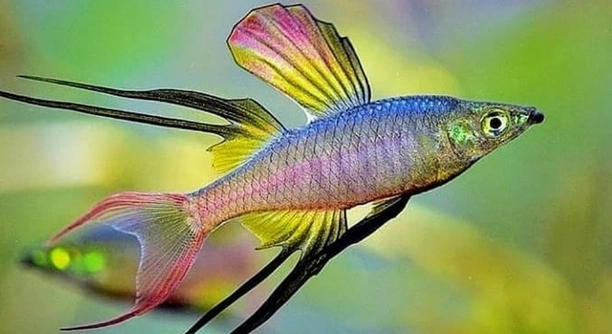
Have you ever noticed your Threadfin Rainbowfish sticking close to plants or hiding near rocks instead of swimming freely in open spaces? These colorful fish have unique behaviors that affect how they interact with their environment daily.
Threadfin Rainbowfish often avoid open areas due to their natural instincts for safety and protection. Open spaces expose them to potential predators, increase stress levels, and reduce opportunities to seek shelter, which can negatively affect their overall health and well-being.
Understanding these tendencies can help you create a more comfortable and secure habitat. Observing their natural preferences ensures your rainbowfish remain healthy and active in their aquarium environment.
Natural Instincts and Predation Risk
Threadfin Rainbowfish are naturally cautious creatures. In the wild, open areas leave them exposed to larger fish and other predators, so they prefer regions with cover such as plants, rocks, or driftwood. This instinct carries over to aquariums, where even if predators are absent, the fish continue to seek safety. Open swimming spaces may make them feel vulnerable, causing stress or hiding behaviors. Providing ample hiding spots not only mimics their natural habitat but also encourages natural movement patterns. Observing these behaviors can help you adjust tank layouts to make them feel more secure, promoting healthier interactions and activity. Even lighting levels can impact their comfort, as overly bright tanks can amplify their sense of exposure. Ensuring calm, structured environments with scattered cover supports their well-being and reduces unnecessary stress, making the fish more confident and active over time.
Offering plenty of hiding spots allows your rainbowfish to explore comfortably while still feeling secure in their environment.
Creating a safe habitat requires thoughtful placement of plants and decorations. Dense vegetation and varied structures allow fish to retreat when needed while maintaining open swimming corridors for exercise. Observing their movement helps identify preferred areas and stress points. Gentle water flow, moderate lighting, and consistent tank conditions reinforce comfort. Avoid sudden rearrangements that could disrupt their routines, as changes may trigger stress or hiding. Providing both sheltered and open areas encourages natural behavior while supporting social interactions within the school. Monitoring their habits over time ensures that tank adjustments continue to meet their instincts, enhancing overall health, coloration, and activity levels. Small changes, such as adding floating plants or moss-covered rocks, can make a significant difference in creating a balanced environment that respects their cautious nature without limiting their ability to swim and interact freely.
Social Behavior and Schooling
Threadfin Rainbowfish feel safer in groups, which reduces the perceived risk of open spaces.
Schooling behavior is vital for their sense of security. In open areas, isolated fish may panic or seek immediate cover, while those within a school are more confident, relying on numbers for protection. Social interactions influence movement patterns, feeding, and exploration. A well-sized group encourages natural schooling formations, reducing stress and promoting consistent swimming habits. Understanding these social dynamics helps maintain harmony in the tank and minimizes aggressive tendencies.
Keeping a proper group size ensures each fish has companions to mimic natural schooling patterns. This arrangement reduces fear responses and encourages active, confident movement throughout the tank. When establishing a school, aim for at least six individuals to maintain social cohesion. Observe their interactions to ensure no single fish is consistently excluded or stressed. Combining social behavior with strategic tank decoration allows them to safely explore open areas while retreating when necessary. Balancing schooling, cover, and swimming space promotes natural behavior, improves coloration, and maintains overall health. Adjusting the environment to support both group dynamics and individual comfort creates a thriving, visually appealing aquarium that respects their instincts and encourages positive interactions among the rainbowfish.
Lighting and Environmental Comfort
Excessively bright lighting can make Threadfin Rainbowfish avoid open areas. They feel exposed under harsh illumination and prefer shaded zones or areas with diffuse light, which mimic their natural habitats and reduce stress.
Balancing lighting is crucial for creating a comfortable environment. Too much direct light can make the fish hide constantly, while dim or moderate lighting encourages natural exploration and social behavior. Floating plants, tall grasses, or overhanging decorations help diffuse light and create shadows that allow fish to feel secure. Observing how the fish react to lighting adjustments can guide placement of plants and decorations, ensuring the tank remains inviting without forcing them into constant hiding.
Temperature and water parameters also influence comfort and willingness to explore open areas. Stable temperatures, proper pH, and clean water reduce stress, allowing rainbowfish to navigate the tank confidently. Sudden changes in these factors can cause the fish to retreat into cover or cluster together for security, limiting swimming activity. Creating a predictable and stable environment with consistent filtration, gentle water flow, and routine maintenance helps the fish maintain a sense of safety, encouraging them to use both open and sheltered areas naturally. These adjustments foster healthy behavior and improve overall tank harmony.
Tank Layout and Space Utilization
Dense decorations and plant arrangements provide essential cover and security for rainbowfish. This encourages natural movement and reduces anxiety caused by large open areas.
Strategically placing rocks, plants, and driftwood creates corridors and hiding spots that allow fish to navigate confidently. Open areas should be balanced with sufficient cover, giving them options to explore without feeling exposed. Proper spacing prevents overcrowding and reduces aggression, as each fish has access to both shelter and swimming space. Observing how they interact with different areas helps refine the layout, ensuring a harmonious balance between open zones and protective cover.
Adjusting tank layout also affects feeding and social dynamics. Well-placed plants can guide schooling behavior and reduce competition for food. Open zones near feeding areas allow fish to forage without constant stress, while nearby hiding spots provide quick retreats if needed. Decorations with varied heights create vertical and horizontal layers, giving fish multiple levels to explore, which stimulates natural instincts and prevents boredom. Considering flow patterns and swimming paths ensures efficient use of space, encouraging consistent activity while maintaining comfort. Thoughtful arrangement fosters both physical and psychological well-being, allowing rainbowfish to thrive in their aquarium environment.
Stress and Environmental Changes
Sudden changes in the tank can make Threadfin Rainbowfish avoid open areas. Rearranging plants, decorations, or introducing new fish may increase stress and cause them to hide more frequently.
Maintaining a stable environment helps reduce anxiety. Gradual adjustments and consistent routines allow rainbowfish to explore freely without feeling threatened, supporting healthy behavior and overall well-being.
Predation Simulation and Safety
Even without real predators, rainbowfish respond to shadows, reflections, or fast movements as potential threats. These cues can trigger hiding behavior and reluctance to enter open spaces. Providing cover and minimizing sudden disturbances helps them feel secure and encourages natural swimming patterns.
Feeding Behavior and Open Areas
Threadfin Rainbowfish are more likely to venture into open areas when feeding, but only if the environment feels safe. Hunger encourages cautious exploration, especially near cover where they can retreat quickly if startled. Monitoring their feeding routines can help balance safety with active movement.
Water Flow and Current Preferences
Strong currents in open areas may deter rainbowfish from swimming freely. They prefer moderate water flow near plants or decorations, which offers both movement opportunities and a sense of shelter.
Why do Threadfin Rainbowfish hide in open areas?
Threadfin Rainbowfish naturally seek safety, and open spaces make them feel vulnerable. Even in a predator-free aquarium, they follow instinctual behaviors developed in the wild. Shadows, bright lights, or sudden movements can make them retreat. Providing plants, rocks, and driftwood helps them feel secure, encouraging more natural exploration over time.
How can I encourage them to swim in open areas?
Creating a balanced tank layout is key. Place dense vegetation and hiding spots around the edges, leaving clear swimming corridors in the center. Moderate lighting, gentle water flow, and stable water parameters reduce stress. Gradually introducing new swimming areas while keeping cover nearby allows rainbowfish to gain confidence and explore safely.
Does tank size affect their behavior?
Yes, tank size plays a significant role. Smaller tanks with minimal cover may increase stress, while large tanks with varied environments offer both safety and freedom. Providing enough space allows schools of rainbowfish to swim together, reducing fear responses and encouraging natural schooling behavior, which can make open areas feel less threatening.
Will the presence of other fish influence their willingness to explore?
Social dynamics strongly affect movement patterns. Threadfin Rainbowfish feel safer in groups, which reduces the perceived risk of open areas. Isolated fish are more likely to hide, while those in a school are more confident. A properly sized group supports natural schooling behavior, allowing them to navigate open areas more comfortably and safely.
Can lighting changes impact their use of open space?
Lighting is critical. Bright, harsh lights can make rainbowfish feel exposed, while moderate or diffused lighting encourages exploration. Floating plants or tall grasses help filter light and create shaded areas. Adjusting lighting gradually rather than abruptly ensures fish adapt without excessive stress, allowing them to use open areas without retreating.
How does water flow affect their behavior in open areas?
Strong currents may deter rainbowfish from venturing into open areas, as they prefer gentle, predictable water movement. Placing decorations and plants strategically can break strong currents while still providing open swimming zones. This allows them to move freely while maintaining a sense of security and minimizing stress caused by turbulent water.
Do feeding routines influence their exploration of open areas?
Hunger can motivate rainbowfish to venture into exposed areas, but only if the environment feels safe. Feeding near open spaces encourages cautious exploration, especially when hiding spots are nearby. Regular feeding schedules combined with accessible cover help them balance risk and reward, promoting active behavior without excessive stress.
What role does tank decoration play in their behavior?
Tank decorations are essential for balancing safety and swimming space. Rocks, plants, and driftwood provide cover and mimic natural habitats, giving rainbowfish confidence to explore. Vertical and horizontal structures allow them to move freely while retreating quickly if needed. Thoughtful decoration supports both physical and mental well-being, encouraging healthy activity and natural behaviors.
How do sudden environmental changes impact their willingness to use open areas?
Sudden rearrangements, new additions, or changes in lighting can increase stress and reduce exploration. Rainbowfish prefer predictable environments. Gradual adjustments, like slowly introducing new plants or altering light intensity, help them adapt without excessive hiding. Maintaining stability allows them to feel secure and venture into open spaces naturally.
Can stress cause permanent avoidance of open areas?
Prolonged stress can lead to persistent avoidance behaviors. Fish that consistently feel threatened may limit their activity, which can affect health, feeding, and social interactions. Minimizing stress through stable water parameters, proper tank layout, and suitable social groups ensures rainbowfish maintain confidence and engage with open areas regularly.
How do plants influence their confidence in open areas?
Plants provide both physical cover and psychological security. Dense foliage along the tank edges allows fish to retreat quickly if startled, while open spaces in the center encourage exploration. Floating and tall plants create shaded areas that diffuse light, reducing exposure anxiety. Correct placement of plants is essential for promoting balanced movement and natural behavior.
Are some Threadfin Rainbowfish naturally more cautious than others?
Individual personality traits can influence behavior. Some fish are naturally bolder and explore open areas more readily, while others remain cautious and stick close to cover. Observing individual differences helps tailor tank setups, ensuring each fish has access to suitable hiding spots and comfortable swimming zones.
Do temperature fluctuations affect their willingness to swim openly?
Yes, unstable temperatures can increase stress and cause fish to hide. Maintaining consistent, optimal water conditions supports normal behavior, allowing rainbowfish to explore open areas confidently. Sudden drops or spikes in temperature may trigger retreat into covered zones until conditions stabilize.
Can schooling behavior override individual fear of open areas?
Schooling behavior provides safety in numbers, reducing individual anxiety. Fish within a school feel more secure and are more likely to enter open spaces, relying on group cohesion for protection. Encouraging proper school sizes and monitoring interactions helps maintain confidence, allowing more natural use of open swimming areas.
How do reflections or tank disturbances impact their behavior?
Reflections, sudden movements, or vibrations can simulate predator presence, triggering hiding responses. Minimizing unnecessary disturbances, maintaining calm surroundings, and avoiding abrupt changes near the tank helps rainbowfish feel safe and explore both open and covered areas with less stress.
Can proper feeding and environmental enrichment reduce avoidance behavior?
Yes, a consistent feeding schedule combined with environmental enrichment encourages confident exploration. Introducing new decorations slowly, providing interactive structures, and ensuring secure hiding spots create a stimulating but safe environment. These strategies reduce avoidance of open areas while promoting natural activity, social interaction, and overall health in Threadfin Rainbowfish.
Threadfin Rainbowfish are naturally cautious and prefer environments that offer safety and security. Their tendency to avoid open areas is largely driven by instincts developed in the wild. Even without predators present, they continue to seek cover and shaded regions, which reduces stress and makes them feel more comfortable. Providing plants, rocks, and other hiding spots throughout the tank gives them opportunities to retreat when necessary. These secure areas are essential for encouraging natural behaviors, such as schooling, feeding, and exploration. When rainbowfish feel safe, they are more likely to move confidently through open swimming spaces, improving overall activity levels and promoting better health.
A well-balanced tank layout is critical for maintaining both security and freedom of movement. Open areas should not be eliminated, but they should be surrounded by adequate cover. Dense vegetation along the tank edges, driftwood, and rocks allow fish to retreat quickly if startled, while leaving central areas open encourages swimming and interaction among the school. Lighting, water flow, and stable environmental conditions also play a role in how comfortable rainbowfish feel in open spaces. Moderate lighting, gentle currents, and consistent water parameters reduce stress and encourage natural exploration. Adjustments to the tank should be gradual, allowing fish time to adapt without sudden disruption. Observing the fish’s behavior provides insight into their preferences and comfort levels, guiding decisions about tank arrangement and environmental improvements.
Social behavior is another key factor that influences how rainbowfish use open areas. Fish that are part of a properly sized school are more confident and willing to explore, while isolated individuals may retreat more often. Feeding routines, environmental enrichment, and gradual acclimation to new changes further support their comfort and activity levels. Understanding the natural instincts of Threadfin Rainbowfish and carefully designing their environment ensures they can thrive. By providing a stable, secure, and thoughtfully arranged tank, owners can encourage healthy movement, social interactions, and overall well-being. Attention to these details allows rainbowfish to feel safe while making the most of both open and sheltered areas, creating a harmonious and balanced aquarium environment.

Hello,
If you enjoy the content that we create, please consider saying a "Thank You!" by leaving a tip.
Every little bit helps us continue crafting quality advice that supports the health, happiness, and well-being of pets around the world, for pets of all shapes, sizes, and species.
We really appreciate the kindness and support that you show us!