
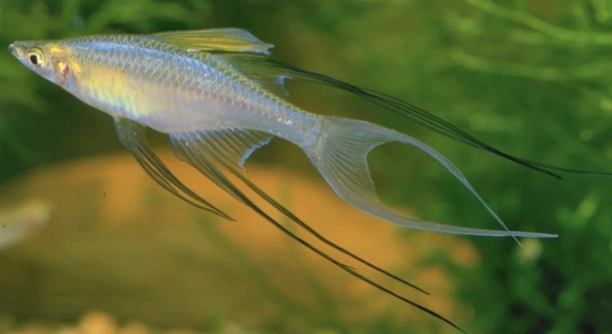
Threadfins are fascinating fish that often catch the attention of anglers and marine enthusiasts alike. After feeding, these fish are known to retreat to hidden areas, making their behavior intriguing and sometimes puzzling to observe.
Threadfins commonly hide after feeding due to a combination of predation risk, energy conservation, and environmental factors. Their natural instinct drives them to seek shelter, reducing exposure to predators while allowing digestion and recovery in a safe environment.
Understanding why threadfins hide can help anglers predict their movements and improve observation strategies, ensuring a better appreciation of these subtle yet captivating aquatic behaviors.
Predation Risk
Threadfins are naturally cautious after feeding. Large predators like sharks, barracudas, and bigger fish often patrol areas where threadfins feed. After a meal, these fish are slower and more vulnerable, making hiding a vital survival strategy. Sheltered areas such as mangroves, submerged rocks, or seagrass beds provide a safe retreat. By staying hidden, threadfins reduce the chance of being noticed or attacked. This instinctive behavior ensures that they can recover energy without becoming prey. Even in calmer waters, the presence of shadows or sudden movements can trigger their hiding response. Observing these fish shows that safety is a higher priority than foraging immediately after eating.
Hiding helps threadfins survive in environments with many predators, giving them time to digest food and regain strength.
This protective behavior also affects fishing and observation. Anglers may notice sudden disappearances after feeding, while marine observers can track how threadfins select sheltered areas based on predator presence and water conditions. Understanding these patterns provides insight into their daily routines and natural instincts.
Energy Conservation
Threadfins often retreat to quiet areas to rest and conserve energy. When swimming actively, they expend significant energy, and after feeding, their bodies require downtime. By staying hidden in calm, sheltered spots, they allow their metabolism to focus on digestion instead of constant movement. These resting periods help threadfins maintain strength for future foraging or escaping threats. Conservation of energy is critical, particularly in environments where food sources are inconsistent or scattered.
Energy-saving behavior ensures that threadfins remain active and healthy over time.
Additionally, conserving energy influences where threadfins choose to rest. They often pick areas with minimal currents and fewer disturbances, allowing them to digest efficiently while staying safe. This selective behavior shows a balance between nutritional intake and physical upkeep. Understanding energy patterns also explains why threadfins may avoid open waters immediately after feeding, as remaining in hidden spots allows them to maximize recovery before resuming normal activity. By monitoring these areas, observers can gain a deeper appreciation for how threadfins manage their daily energy needs.
Environmental Factors
Threadfins hide after feeding when water conditions are less than ideal. Strong currents, murky water, or sudden temperature changes make them seek shelter immediately. This helps them stay safe and maintain comfort while digesting their meal.
Changes in salinity or oxygen levels can also influence hiding behavior. Threadfins prefer stable conditions, so any abrupt environmental shift prompts them to retreat to familiar areas. Sheltered zones such as estuaries or shallow bays provide calm water and protection from external disturbances. These spots allow threadfins to process food efficiently while minimizing stress caused by fluctuating conditions. Regular observation shows that threadfins often choose areas with optimal water clarity and minimal turbulence after feeding, indicating a strong link between environment and post-feeding behavior.
By selecting favorable habitats, threadfins improve digestion and reduce energy expenditure. Calm, secure locations let them recover efficiently, preparing for future activity while staying alert to nearby threats. These environmental considerations are a key factor in understanding their daily patterns.
Social Behavior
Threadfins sometimes hide due to interactions with other fish in the area. Feeding can attract large groups, and competition or aggressive encounters may push some individuals to seek quieter spaces.
Schooling behavior affects hiding as well. When a large group of threadfins feeds together, some members may break off to rest in sheltered areas while others continue foraging. This reduces conflict and ensures each fish has access to food without risking injury. Dominance hierarchies may also play a role, with less dominant fish retreating to avoid confrontation. Observing these patterns shows that social structure influences where and how threadfins hide after eating, as individual safety and comfort remain priorities.
Hiding due to social behavior also provides a secondary benefit: it reduces exposure to predators that might exploit group movements. By temporarily separating from the main group, threadfins can remain less conspicuous while digesting, balancing both safety and social dynamics effectively.
Light and Shadow
Threadfins respond strongly to changes in light after feeding. Bright sunlight or sudden shadows can make them retreat to shaded areas quickly.
They use shadows for cover, blending into their surroundings to avoid being spotted by predators. Light levels directly influence how long they stay hidden.
Temperature Changes
Water temperature affects threadfin activity. After feeding, sudden drops or rises in temperature prompt them to find stable spots. Sheltered areas help maintain their body functions and digestion. Temperature-sensitive behavior ensures threadfins remain active and healthy while reducing stress from extreme conditions.
Feeding Pressure
High feeding activity in an area can push threadfins to hide afterward. Crowded spaces create competition, prompting fish to retreat to quieter locations to digest safely.
FAQ
Why do threadfins hide immediately after feeding?
Threadfins hide after feeding mainly to reduce exposure to predators. After a meal, their movements slow down, making them vulnerable. Retreating to sheltered areas like submerged rocks, mangroves, or seagrass beds allows them to digest safely while remaining less visible to threats in the water.
Do environmental conditions influence hiding behavior?
Yes, environmental factors have a significant impact. Strong currents, murky water, or sudden temperature changes can make threadfins seek secure spots after eating. Calm, stable areas help them maintain digestion efficiency while conserving energy, reducing stress from fluctuations in their surroundings.
Does hiding help with energy conservation?
Absolutely. After feeding, threadfins need to rest to allow their metabolism to process food effectively. Staying in quiet, protected zones reduces unnecessary movement, letting them recover energy for future swimming, foraging, or escaping predators. Energy conservation is essential for survival in environments where food sources may be sporadic.
How does predation risk shape their behavior?
Predation risk is a primary factor in post-feeding hiding. Threadfins instinctively retreat to avoid detection by larger fish, sharks, or other predators. By hiding in areas with natural cover, they minimize the chances of an attack while their bodies focus on digestion and recovery.
Do social interactions affect hiding?
Yes, social dynamics influence hiding behavior. In groups, some threadfins may separate to avoid competition or aggressive encounters. Less dominant individuals often retreat to quieter spots, reducing conflict and allowing safe digestion. This behavior balances both safety and social structure within the group.
How do light and shadow influence hiding?
Threadfins are sensitive to changes in light. Bright sunlight or sudden shadows can trigger hiding behavior, as they rely on shaded areas for cover. Adjusting their location according to light conditions helps them stay camouflaged and avoid predator detection after feeding.
Can temperature changes affect their post-feeding activity?
Temperature shifts have a strong effect. Sudden drops or rises in water temperature make threadfins seek areas with more stable conditions. Sheltered spots help maintain their body functions and digestion efficiency, reducing stress from environmental extremes.
Does feeding pressure impact hiding behavior?
High feeding activity or crowded feeding zones can encourage threadfins to hide. Competition for food may push individuals to seek quieter, less disturbed areas after eating. This ensures they can digest safely without interference while remaining vigilant to potential threats.
How long do threadfins typically stay hidden?
The duration varies depending on factors like predator presence, water conditions, and energy needs. Some may hide for a few minutes, while others remain sheltered longer to digest food fully and recover strength. Observing their behavior over time helps understand these patterns.
Can understanding hiding behavior improve observation or fishing?
Yes, knowing why and where threadfins hide can help in both research and recreational fishing. Observers can predict retreat areas, while anglers can plan strategies based on feeding patterns, environmental conditions, and shelter choices, enhancing both appreciation and success in tracking these fish.
Do all threadfins hide after feeding?
Most exhibit hiding behavior, but the extent can vary with species, location, and environmental pressures. Some may remain partially visible or in less sheltered areas if predation risk is low or conditions are ideal, showing flexibility in behavior depending on context.
Is hiding related to digestive needs?
Yes, hiding directly supports digestion. Post-feeding rest allows their bodies to allocate energy toward breaking down food efficiently. By minimizing movement and stress, threadfins can process meals effectively while staying safe from potential threats in their habitat.
Can human activity influence hiding behavior?
Disturbances such as boat traffic, fishing, or pollution can increase hiding behavior. Threadfins respond to perceived threats in their environment, and areas with high human activity often see more frequent retreats, indicating that minimizing disruption can help maintain natural behavior patterns.
Do younger threadfins hide more than adults?
Juveniles tend to hide more frequently, as they are smaller and more vulnerable to predators. Adults are stronger and may tolerate more exposure, but both age groups exhibit hiding behavior, reflecting an instinctive survival strategy that develops from early life stages.
Are there seasonal changes in hiding behavior?
Yes, seasonal shifts like temperature changes, food availability, and predator activity can influence how often and where threadfins hide. During harsher conditions or low food periods, they may be more cautious, seeking shelter more consistently to maintain safety and energy balance.
How can I observe threadfins without disturbing them?
To watch threadfins safely, choose quiet, sheltered observation points and avoid sudden movements or loud noises. Using natural cover and maintaining distance allows insight into their post-feeding behavior while minimizing stress or altering their natural patterns.
What role does habitat selection play in hiding?
Threadfins select areas with optimal cover, calm water, and minimal disturbance. Choosing appropriate habitats reduces energy use, ensures safe digestion, and limits predation risk. Understanding these preferences helps explain why certain areas consistently host post-feeding hiding behavior.
Do predators influence how long threadfins stay hidden?
Yes, the presence or activity of predators directly affects hiding duration. Areas with higher predator density or frequent disturbances lead to longer periods of sheltering, whereas safer zones allow shorter hiding times, highlighting their adaptive response to threat levels.
Can diet affect hiding behavior?
Diet can influence post-feeding hiding indirectly. Heavier meals require more digestion time, prompting longer rest periods. Nutritional content may also affect energy levels, with protein-rich or large quantities making threadfins seek safe, calm spots until fully processed.
Is hiding behavior instinctual or learned?
Hiding is largely instinctual but can be refined through experience. Young threadfins learn which areas offer the safest refuge, and repeated exposure to predators or environmental changes reinforces optimal hiding strategies. Over time, this behavior becomes a balance of instinct and learned experience.
Threadfins display a variety of behaviors after feeding, and their tendency to hide is a key part of their survival strategy. This behavior is influenced by multiple factors, including predation risk, environmental conditions, energy conservation, social interactions, and light or temperature changes. By retreating to sheltered areas such as seagrass beds, submerged rocks, or mangroves, threadfins protect themselves from predators while allowing their bodies to digest food efficiently. Observing these fish in their natural environment reveals how instinct and survival needs drive their behavior, helping them maintain strength and health over time. Their post-feeding hiding is not a random action but a deliberate and adaptive response to the challenges they face in their habitat.
Energy conservation is another significant reason threadfins hide. Swimming actively and foraging requires a considerable amount of energy, and after a meal, their bodies shift focus toward processing food. Retreating to calm, safe locations minimizes unnecessary movement, allowing them to recover and prepare for future activity. Environmental factors such as water currents, temperature changes, or sudden disturbances can intensify this behavior, as threadfins prefer stable conditions to maintain body functions and digestion. Social dynamics also play a role, with less dominant individuals often seeking quieter spaces to avoid conflicts while still benefiting from group safety. The combination of these factors demonstrates that hiding behavior serves multiple purposes, from safety to efficient digestion, making it a central aspect of their daily routines.
Understanding threadfin behavior can improve how we interact with and observe these fish. For anglers, knowing where threadfins retreat after feeding can enhance fishing strategies, while researchers can use this knowledge to study habitat preferences and survival mechanisms. Observers who take the time to watch these fish in calm, undisturbed areas gain insight into their instincts and environmental responses. Seasonal changes, diet, and human activity can also influence hiding patterns, showing the adaptability of threadfins to different circumstances. By respecting their natural behavior and habitat, we can appreciate the subtle complexity of threadfins’ lives. Their post-feeding hiding may seem simple at first glance, but it reflects a balance between survival, energy management, and environmental awareness that is essential for their continued well-being.

Hello,
If you enjoy the content that we create, please consider saying a "Thank You!" by leaving a tip.
Every little bit helps us continue crafting quality advice that supports the health, happiness, and well-being of pets around the world, for pets of all shapes, sizes, and species.
We really appreciate the kindness and support that you show us!