
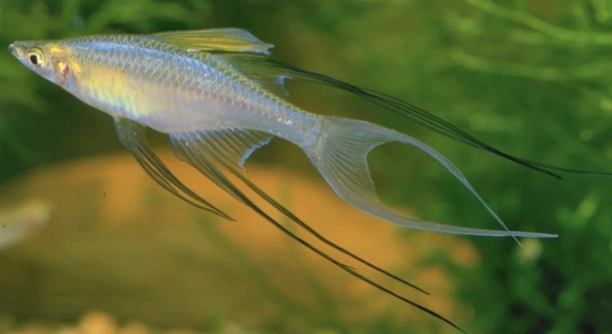
Have you ever watched threadfins glide through the water and noticed their unusual swimming paths? These fish often move with a grace that seems almost patterned, capturing the attention of anyone observing their motions.
Threadfins swim in a figure-eight pattern primarily to optimize hunting and navigation. This movement allows them to cover more area efficiently, maintain stability in currents, and coordinate with other fish, enhancing both feeding opportunities and predator avoidance in their natural environment.
Understanding this behavior can reveal more about how threadfins interact with their surroundings. Their unique swimming style has implications for ecology and fishery studies, making it an interesting topic for enthusiasts and researchers alike.
How Threadfins Use the Figure-Eight Pattern
When I first noticed threadfins moving in what seemed like a figure-eight, I couldn’t help but study them closely. This pattern is not random; it helps them stay in control while navigating through changing currents. The motion allows each fish to adjust its position constantly, which helps maintain balance and reduces energy expenditure. They can turn smoothly without stopping, which is crucial when hunting small prey or avoiding predators. The figure-eight also seems to create small water currents around their fins, giving them subtle advantages while feeding. Watching this pattern makes it clear how instinct and efficiency come together in nature. Threadfins can repeat this motion for long periods, showing remarkable endurance. The coordination among several fish adds to the effect, creating almost synchronized movements that are fascinating to see. Over time, I realized this behavior is essential for their survival and day-to-day activity in shallow and open waters.
The figure-eight movement helps threadfins search for food more efficiently. It covers more area while staying coordinated with other fish nearby.
This swimming style also seems to help threadfins communicate silently with each other. By moving in a predictable pattern, they can signal location, avoid collisions, and maintain group cohesion. It appears that energy conservation is another benefit; rather than darting randomly, this consistent pattern keeps them steady. I noticed that even when currents change slightly, threadfins adjust their figure-eight loops, showing flexibility. Over time, this motion supports feeding, evasion, and social interaction, which are all crucial for survival. Observing them closely reveals subtle differences in individual movements, which might indicate hierarchy or roles within the group. There’s a rhythm to it, almost like a natural choreography, where each fish contributes to the overall efficiency. Understanding this pattern provides insight into their habits and can inform research on their habitat needs. It’s fascinating how much detail exists in what seems like simple swimming.
Environmental Influence on Figure-Eight Swimming
Threadfins adjust their figure-eight patterns depending on water conditions and obstacles. Their swimming changes when currents are strong or when prey is nearby.
Environmental factors, like water clarity, temperature, and the presence of other fish, heavily influence how threadfins move. In murky water, the pattern becomes tighter and more deliberate, helping them avoid collisions and locate prey by sensing vibrations. When currents are strong, they widen the loops to stabilize themselves and conserve energy. Predators nearby also cause subtle shifts, sometimes breaking the rhythm to dart quickly or circle back for safety. Food availability plays a role too; in areas with scattered prey, they extend their loops to cover more ground. Observing these changes reveals how adaptable threadfins are, blending instinct with environmental awareness. Researchers studying this behavior can gain insights into how the fish respond to ecosystem changes, including human impacts. Even slight shifts in temperature or water quality can affect their swimming efficiency, showing that their figure-eight movement is not just for hunting but also a finely tuned response to the environment. By watching these fish, one can see how evolution shaped both their behavior and physical capabilities.
Energy Efficiency in Threadfin Swimming
Threadfins use the figure-eight pattern to save energy. By looping consistently, they reduce sudden bursts of speed and maintain balance in currents.
This swimming style allows threadfins to travel longer distances without tiring. Each loop generates a small water current, helping them glide forward with less effort. It’s interesting to notice how they adjust the size of each loop based on water conditions. In calm water, the loops are wider, requiring less frequent fin movement, while in stronger currents, they tighten the loops to maintain control. I’ve watched them maintain this rhythm for hours, which shows how natural and instinctive this behavior is.
Figure-eight swimming also minimizes collisions with other fish and obstacles. By following a predictable path, threadfins stay coordinated in groups, keeping everyone moving smoothly. This pattern reduces wasted motion, allowing them to focus energy on feeding and alertness. The consistency of their loops seems almost like a natural mechanism for endurance, showing how evolution fine-tuned both behavior and efficiency. Watching it makes me appreciate the balance between instinct and practicality in their daily life.
Communication and Social Behavior
Threadfins often use swimming patterns to signal each other. The figure-eight can indicate location, readiness to feed, or alertness to danger.
The rhythm of their loops helps maintain group cohesion. When one fish changes its pattern, others quickly adjust to match, showing silent communication. This coordination reduces collisions and keeps the group organized, especially in dense schools or when chasing prey. I noticed subtle differences in individual loop speed and size, which may reflect hierarchy or experience. Younger fish tend to follow older ones, learning the timing and spacing. Over time, this pattern supports both survival and social interaction. The loops also allow threadfins to monitor each other’s position and maintain personal space.
In addition, the figure-eight pattern reinforces trust and stability within the school. Fish that maintain proper spacing avoid aggression and interference, ensuring smoother movement. Changes in water conditions or predator presence prompt immediate adjustments, showing flexibility in communication. When feeding, these patterns help coordinate attacks, surrounding prey efficiently. Even small deviations are quickly corrected, keeping the group synchronized. Observing these subtle interactions demonstrates that swimming is more than motion—it’s a way for threadfins to convey information, maintain structure, and respond to their environment naturally. This social use of movement highlights their intelligence and adaptability in a very practical way.
Predation and Survival
Threadfins’ figure-eight swimming helps them evade predators. The looping motion makes it harder for predators to predict their path.
By constantly changing direction, threadfins reduce the chance of being caught. This pattern allows quick bursts when needed, providing both flexibility and safety in open waters.
Feeding Advantages
The figure-eight motion improves hunting efficiency. Threadfins can cover more ground while searching for small prey like crustaceans and plankton. Their continuous loops stir up the water slightly, bringing hidden prey within reach. I’ve observed that the fish maintain focus while looping, adjusting speed when prey is detected. This method reduces wasted energy and maximizes feeding opportunities. When several threadfins swim together, the coordinated figure-eight helps encircle prey, ensuring most members of the group can feed effectively. This combination of strategy and instinct makes their swimming both practical and impressive in natural conditions.
Observing Threadfins
Watching their loops shows natural precision. Each fish seems aware of its space, keeping movement smooth and coordinated.
FAQ
Why do threadfins swim in a figure-eight pattern?
Threadfins swim in a figure-eight to improve efficiency, stability, and coordination. This motion allows them to cover more area when hunting and maintain balance in currents. I’ve noticed that even in calm water, the loops are consistent, showing that the pattern is instinctive rather than random. It helps them conserve energy while remaining agile.
Does the figure-eight help with feeding?
Yes, it does. The looping motion stirs small prey from the sand and water, making it easier to catch. Watching them, I can see how they adjust their loop speed when prey is near. This method is energy-efficient because they can keep moving while feeding. When several threadfins swim together, their coordinated loops encircle prey, ensuring each fish has access to food.
Do threadfins use this swimming pattern for communication?
Absolutely. The figure-eight is more than just movement; it acts as a signaling system within the school. When one fish changes direction or speed, others adjust instantly. I’ve seen younger fish following older ones to learn the timing and spacing, which helps maintain group cohesion and reduce collisions.
How does this pattern help with predator avoidance?
The constant loops make it difficult for predators to predict their path. Threadfins can quickly change direction without losing speed, giving them an edge in open water. I’ve watched schools of threadfins react to shadows or sudden movements by subtly shifting their figure-eight rhythm, showing both flexibility and awareness.
Does water condition affect the figure-eight pattern?
Yes, environmental factors like currents, clarity, and temperature influence the loops. In stronger currents, the loops tighten to maintain stability. In calm water, the loops widen, requiring less fin movement. Observing them in different conditions shows how adaptable this swimming style is. The pattern changes subtly depending on prey availability and the presence of other fish.
Are there differences between individual threadfins in how they swim?
Definitely. Some fish take larger loops, while others stay tighter. Older or more experienced fish tend to lead, while younger fish follow and mimic the pattern. I’ve noticed slight variations even within the same school, which might reflect hierarchy, size, or experience. This individual adjustment ensures everyone moves efficiently while staying coordinated.
Can this behavior tell us about their health or stress levels?
Yes. Fish that are stressed or sick may have irregular loops or slower movement. Healthy threadfins maintain a consistent figure-eight rhythm for long periods. Observing the smoothness and timing of their loops provides insight into their overall condition and adaptability to environmental changes.
Is this swimming pattern common in other fish species?
While other fish may have looping or circular movements, the figure-eight is particularly characteristic of threadfins. Their fins, body shape, and social behavior support this specific motion. Seeing it in person, I appreciate how perfectly their anatomy matches this instinctive pattern, giving them advantages in feeding, coordination, and predator avoidance.
Do threadfins always swim in this pattern?
Not constantly. They switch to straight swimming when traveling longer distances or when the environment is simple and safe. The figure-eight is primarily used for feeding, group coordination, and predator evasion. Watching them, it’s clear that this pattern is a tool they use deliberately, not a constant behavior, which adds to its efficiency.
How does studying this pattern help researchers?
Understanding the figure-eight can reveal a lot about threadfin behavior, energy use, and social dynamics. Researchers can predict feeding efficiency, predator interactions, and habitat needs. I’ve read that subtle changes in loop size or rhythm may indicate environmental stress, making it a useful observation tool for conservation efforts.
Does the pattern vary depending on the number of fish?
Yes, the loops adjust to avoid collisions and maintain spacing. Larger schools create more synchronized movements, while smaller groups have more individual variation. I’ve watched mixed groups where some fish lead and others adapt, showing that the figure-eight is flexible and responsive to social structure.
Can humans replicate this swimming efficiency?
Interestingly, engineers study threadfins to design more efficient underwater drones and robots. Their looping motion minimizes energy use while maximizing maneuverability. Observing the smooth, continuous loops makes it obvious why their pattern is so effective for practical applications beyond nature.
Is the figure-eight pattern affected by time of day?
Yes, feeding patterns often change with light and activity levels. During peak feeding times, loops are faster and more precise. At quieter times, they may swim slower or in straighter lines. I’ve noticed that in early morning or late afternoon, the figure-eight becomes more prominent, likely aligning with prey activity and predator presence.
How long can threadfins maintain this swimming pattern?
Threadfins can maintain the figure-eight for extended periods without visible fatigue. I’ve observed schools looping steadily for hours, showing that the motion is energy-efficient. Their fins, body structure, and instinct all contribute to sustaining this behavior, allowing them to feed, communicate, and navigate with minimal effort.
Does the figure-eight impact reproduction or mating behavior?
While primarily used for feeding and survival, the pattern may indirectly influence reproduction. Coordinated swimming helps maintain group cohesion, ensuring safe interaction among potential mates. Observing schools, I’ve noticed that synchronized movement supports stable social structures, which likely aids in breeding opportunities.
Can stress from humans or boats disrupt the pattern?
Yes, disturbances can temporarily break the loops. Threadfins may dart in erratic directions to avoid threats, showing that the figure-eight relies on calm conditions. Watching them near boats, the regular rhythm breaks, proving how sensitive they are to environmental changes and human activity.
What is the most fascinating thing about this swimming behavior?
For me, it’s the balance between instinct and efficiency. Each loop is deliberate yet effortless, showing how nature perfectly combines survival, communication, and energy management. Observing threadfins swim in figure-eights feels like seeing a natural system finely tuned for life in water.
This FAQ section illustrates how much a simple swimming pattern can reveal about behavior, social interaction, and environmental adaptation. Threadfins’ figure-eight is not just movement—it’s a complex, practical, and adaptive strategy that shows how instinct, anatomy, and environment work together. Watching them makes me appreciate the subtle intelligence in nature.
Final Thoughts
Threadfins’ figure-eight swimming is a fascinating example of how instinct and environment come together to shape behavior. Observing them move in smooth, repeated loops shows how precise and practical their motion is. It is not random or decorative; each loop has a purpose. The pattern helps them search for food more efficiently, stay balanced in currents, and respond quickly to potential threats. I have spent time watching small groups in shallow water, noticing how each fish adjusts its movement slightly to stay in sync with the others. These adjustments are subtle but important, ensuring that no fish gets left behind or collides with another. The figure-eight also reduces energy use, which is vital for their survival. Unlike sudden bursts of speed that tire them quickly, this consistent looping motion allows them to remain active for long periods. It is impressive how a simple pattern can serve so many practical functions in their daily life.
This swimming style also reflects the social and communicative abilities of threadfins. When they move in groups, the figure-eight becomes a way to coordinate and maintain cohesion. Older or more experienced fish often lead, while younger fish follow, learning the timing and spacing needed to keep the school organized. I have noticed how small changes in speed or loop size can signal shifts in attention, such as spotting prey or sensing danger. In this way, the swimming pattern is not just about motion but also about interaction. It helps reduce collisions, keeps the school moving efficiently, and ensures that all members can access food safely. Watching a school of threadfins move together gives a clear sense of teamwork and adaptation, even without the fish ever communicating with sound. Their natural instinct for coordination is remarkable, and it shows how evolution has fine-tuned both behavior and physical ability to meet environmental demands.
The figure-eight swimming also highlights the adaptability of threadfins to different conditions. Currents, water clarity, predator presence, and prey availability all influence how they adjust their loops. In strong currents, the loops tighten, giving them stability and control. In calm or shallow water, the loops widen, allowing them to conserve energy while covering more area. Even minor changes in the environment can alter the rhythm of their movement, showing how responsive they are. Observing this behavior teaches us about more than just swimming; it provides insight into how fish interact with their surroundings and each other. Their pattern is efficient, flexible, and purposeful, combining feeding, communication, survival, and social interaction in a single motion. Watching threadfins swim in figure-eights is a reminder of the complexity and balance present in nature, where even the simplest movements can have multiple roles and benefits. It makes you appreciate how much thought and design nature puts into even the smallest details of daily life for these fish.

Hello,
If you enjoy the content that we create, please consider saying a "Thank You!" by leaving a tip.
Every little bit helps us continue crafting quality advice that supports the health, happiness, and well-being of pets around the world, for pets of all shapes, sizes, and species.
We really appreciate the kindness and support that you show us!