
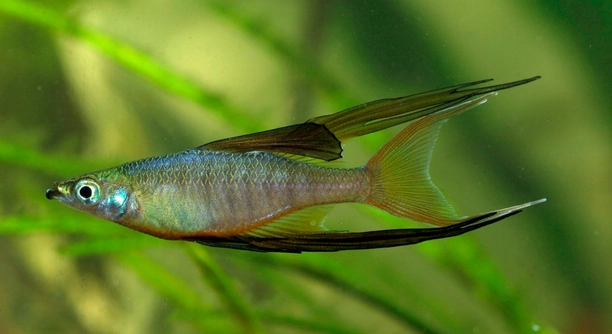
Tank cleaning can be a stressful time for aquarists who keep threadfins. These delicate fish react in different ways, showing behaviors that range from curiosity to complete avoidance, making each cleaning session a unique experience.
Threadfins display a variety of responses to tank cleaning, including hiding, increased swimming activity, reduced feeding, flaring of fins, curiosity toward tools, temporary stress coloration, and subtle changes in social interactions with tank mates.
Observing these reactions helps you maintain a calmer environment and ensures your threadfins remain healthy throughout regular tank maintenance.
Hiding in Plants and Decorations
During tank cleaning, threadfins often seek shelter among plants or decorations. They feel vulnerable when the environment is disturbed, so moving them away from open water is a natural instinct. Observing them tuck into corners or behind ornaments is common. Some threadfins remain hidden for long periods, only resurfacing when the disturbance has passed. Their behavior can sometimes surprise you because they may freeze completely, showing no signs of movement. This response is their way of coping with perceived threats, reducing stress until the tank feels stable again. Maintaining stable water conditions and avoiding sudden, loud movements can help them feel more secure. Even slight vibrations or splashes can trigger this behavior, so gentle handling is key. Over time, threadfins may learn that cleaning is temporary and begin to emerge sooner, though some remain cautious. Patience is important to ensure their comfort and well-being during maintenance.
Hiding is a normal defensive response and helps threadfins feel safe during disruptions like tank cleaning.
Watching threadfins tuck away can also give insight into their personalities. Some are naturally more cautious, while others return quickly. Recognizing these tendencies allows you to plan cleaning routines that minimize stress, keeping them healthy and calm.
Increased Swimming Activity
Some threadfins react to tank cleaning with bursts of activity, swimming more energetically than usual. This behavior is a sign of agitation or curiosity. They may dart around the tank, sometimes bumping into surfaces or each other, trying to assess the changes in their environment. Quick movements can help them feel more in control, although it also increases their energy expenditure. It’s important to ensure that equipment and decorations are secure to prevent injury. Observing these moments can be fascinating because each fish displays its own level of boldness. Regular, predictable cleaning schedules can gradually reduce this frantic activity. Over time, threadfins may adapt to the disturbances, showing shorter periods of heightened swimming. Providing hiding spots and gentle water flow can also help them feel less threatened. Managing these responses ensures they stay healthy and that tank maintenance remains safe for everyone.
Increased swimming can indicate stress or curiosity and should be monitored carefully to prevent accidents.
Some aquarists notice that their threadfins’ activity levels change depending on the time of day or recent feeding. After cleaning, some may explore more intensely, swimming around the new water currents or checking over decorations. Others may chase each other briefly, demonstrating temporary excitement or agitation. This behavior is often short-lived, lasting until the environment stabilizes. Providing adequate space, secure ornaments, and consistent cleaning routines reduces prolonged stress. Additionally, keeping lights dim during cleaning can calm them down. Observing these patterns over weeks allows you to understand each fish’s temperament, helping you anticipate reactions and create a smoother experience for both you and your threadfins. Paying attention to subtle cues like tail flicks or fin positioning can reveal how comfortable they feel, giving you the chance to adjust your methods for their safety and well-being.
Reduced Feeding
Threadfins often eat less during and immediately after tank cleaning. Stress can suppress their appetite, even if food is available. This reaction usually lasts a few hours, sometimes longer, depending on the disturbance and individual temperament.
During cleaning, the disruption in their environment makes threadfins cautious. Water changes, moving decorations, or handling equipment can all trigger stress responses. Reduced feeding is a natural coping mechanism, helping them stay alert and avoid danger. Some fish may hide and ignore food entirely, while others nibble intermittently, showing mild interest but no full engagement. Over time, consistent routines and gentle cleaning can reduce this behavior, encouraging normal eating patterns. Monitoring their appetite after cleaning helps ensure they maintain proper nutrition and overall health.
It is normal for threadfins to eat less during cleaning periods. Regular observation ensures their well-being and helps adjust feeding schedules appropriately. Some threadfins resume normal feeding quickly, while others need a calmer environment before their appetite returns fully. Offering food after the tank has settled usually encourages them to eat without stress. Understanding these patterns allows you to anticipate changes in feeding behavior and plan meals accordingly.
Flaring of Fins
Flaring of fins is a common reaction when threadfins sense sudden changes. This behavior shows alertness and an attempt to appear larger, often during disturbances like tank cleaning.
Threadfins spread their fins wide to communicate stress or assert dominance temporarily. This reaction may occur when another fish approaches or when new equipment is introduced. Flaring helps them feel more in control and can signal to others that they are aware of the change. Observing these moments can reveal which individuals are more reactive and which are calmer. Over time, repeated exposure to gentle cleaning can reduce extreme flaring. Ensuring adequate space and minimizing sudden movements helps threadfins maintain a balanced response, keeping both their physical and emotional health stable.
Fin flaring is temporary and usually subsides once the tank is stable. Watching for repeated patterns allows better handling strategies and creates a calmer environment.
Some threadfins flare more than others, reflecting personality differences within the group. It is essential to note which fish react strongly, as they may need extra care during cleaning sessions. Providing visual barriers, avoiding sudden splashes, and maintaining steady water flow can reduce these reactions. By paying attention to these behaviors, you can make tank maintenance smoother, lowering stress levels for reactive individuals and ensuring overall harmony in the aquarium.
Curiosity Toward Tools
Threadfins often investigate tools used during cleaning. They swim closer, hover near equipment, and sometimes follow movements in the water. This curiosity is natural, though it can look like caution mixed with interest.
Observing this behavior can be rewarding. Some threadfins nibble gently or touch objects with fins, showing intelligence and engagement. Others keep a careful distance, assessing the situation before approaching. Their reactions vary, and recognizing these patterns helps plan safer cleaning routines, minimizing stress and avoiding accidents.
Temporary Stress Coloration
Threadfins may show subtle changes in coloration during tank cleaning. Stress can cause paler tones or faint darkening in certain areas. These shifts are temporary and usually fade once the environment stabilizes.
Coloration changes are linked to stress hormones. When threadfins perceive a disturbance, their bodies adjust pigment cells to reflect heightened alertness. Monitoring these changes can indicate which fish are most sensitive to cleaning activities. Gentle handling and a predictable cleaning schedule help maintain normal coloration. Consistent water quality and minimal sudden movements reduce the intensity and duration of these stress-related color shifts, supporting healthier, calmer fish overall.
Changes in Social Interaction
Some threadfins alter how they interact with tank mates during cleaning. They may avoid usual companions or become more aggressive temporarily.
These shifts are usually brief. Once the tank stabilizes, normal social behaviors return, though frequent disturbances can prolong tension.
FAQ
Why do threadfins hide so much during tank cleaning?
Threadfins are naturally cautious fish. Any sudden movement, loud noise, or change in their environment can make them feel vulnerable. Hiding is their way of protecting themselves. Providing plenty of plants, caves, or decorations gives them safe spaces to retreat, reducing overall stress during maintenance.
Is it normal for threadfins to stop eating after cleaning?
Yes, temporary appetite loss is common. Stress affects their digestive system, making them less interested in food. Usually, they resume eating within a few hours. Feeding after the tank has settled or offering familiar foods can encourage them to eat sooner and maintain proper nutrition.
Why do some threadfins flare their fins when the tank is cleaned?
Flaring is a natural defense mechanism. Spreading their fins makes them appear larger and more confident when facing perceived threats. This behavior often occurs during cleaning or when tools are introduced. It usually subsides once the environment stabilizes, especially with gentle, predictable cleaning routines.
Can threadfins get stressed from water changes alone?
Yes. Even small water changes can alter temperature, current, or chemical balance slightly, which threadfins can detect. Stress from water changes is normal, but keeping water conditions stable, performing gradual changes, and minimizing sudden splashes helps reduce their reaction. Observing behavior during and after changes is important for their health.
Why do some threadfins become more active during cleaning?
Increased swimming is a response to environmental disturbance. Some fish try to explore, assess, or escape perceived threats. This burst of energy is temporary. Making cleaning predictable, moving slowly, and avoiding loud noises can reduce frantic movements and prevent accidental injuries.
Do all threadfins react the same way to tank maintenance?
No, each fish has a unique temperament. Some are bold and curious, approaching tools, while others are timid and hide for long periods. Understanding individual personalities helps you manage cleaning routines with less stress for everyone. Offering multiple hiding spots and keeping a gentle approach supports all fish.
How long does stress behavior usually last?
Most reactions, such as hiding, flaring, or reduced feeding, are short-term. Typically, threadfins return to normal behavior within hours after the tank stabilizes. If stress signs persist longer, it may indicate underlying water issues or health concerns, which should be addressed promptly.
Can threadfins recognize cleaning patterns over time?
Yes, they can. With consistent, calm maintenance routines, threadfins learn that cleaning is temporary and safe. Over weeks, many fish will hide less, resume feeding sooner, and show less frantic swimming, making tank maintenance smoother for both the fish and the aquarist.
Are there ways to minimize stress during tank cleaning?
Yes. Move slowly, avoid loud noises, and keep tools and decorations stable. Provide ample hiding spots, maintain consistent water parameters, and consider dimming lights during cleaning. These steps help threadfins feel secure and reduce stress reactions, improving their health and long-term comfort in the aquarium.
Why do threadfins sometimes change color during cleaning?
Stress can trigger temporary color changes, either paler or darker tones. This is due to pigment cell adjustments in response to stress hormones. Color usually returns to normal once the tank environment is stable, and maintaining gentle handling during cleaning minimizes these shifts.
Should I separate threadfins during cleaning?
Not usually. Unless a fish shows extreme stress or aggressive behavior, it’s better to leave them together. Separation can create additional stress. Instead, provide hiding spots and work gently to maintain safety. Observing their reactions helps you decide if temporary separation is ever needed.
Do threadfins interact differently after cleaning?
Yes, social dynamics can shift briefly. Some fish avoid companions, while others may show mild aggression. These changes are typically short-lived, and normal interactions resume once the environment stabilizes. Monitoring behavior ensures no prolonged conflicts occur.
How do I know if a threadfin is too stressed?
Signs include prolonged hiding, refusal to eat, excessive flaring, rapid swimming, or unusual coloration. Short-term responses are normal, but persistent stress requires attention to water quality, tank setup, and cleaning methods to protect their health.
Can feeding before cleaning reduce stress?
Feeding immediately before cleaning is usually not recommended, as it can increase water waste and stress. Instead, focus on calm, predictable routines and provide food afterward when the tank is stable, encouraging normal eating and reducing anxiety.
Is it normal for some threadfins to be curious about cleaning tools?
Yes. Some threadfins approach and investigate tools out of curiosity. This is a sign of intelligence and adaptability. Observing their reactions allows you to adjust cleaning techniques safely, ensuring both the fish and equipment remain unharmed.
Can stress from cleaning affect long-term health?
Occasional mild stress is not harmful, but repeated, intense stress can affect immunity, growth, and behavior. Keeping cleaning routines gentle, consistent, and predictable helps threadfins maintain long-term health and reduces the risk of stress-related issues.
Do threadfins remember past cleaning experiences?
Yes, they can learn patterns over time. Fish that have experienced gentle, predictable cleaning may respond calmly, while negative experiences can increase hiding or flaring. Awareness of their memory helps tailor care to minimize stress and improve comfort during maintenance.
How can I make cleaning less disruptive?
Clean gradually, keep movements slow, and maintain stable water parameters. Use gentle tools, avoid sudden splashes, and provide plenty of hiding spaces. Predictable schedules help threadfins anticipate changes, reducing fear and improving overall aquarium harmony.
Are there differences in reactions between young and adult threadfins?
Juveniles often hide more and are more cautious, while adults may be bolder or more territorial. Recognizing age-related differences helps plan cleaning routines and tank setups that cater to the needs of all life stages.
Should I monitor behavior after every cleaning?
Yes. Observing threadfins after each session allows you to detect stress, appetite changes, or aggression early. Tracking these behaviors helps adjust routines, maintain health, and provide a safer, calmer environment for your fish over time.
How long does it take for a tank to return to normal after cleaning?
Most tanks stabilize within a few hours, with threadfins resuming normal feeding, swimming, and social interactions. Factors like water changes, disturbance level, and individual temperament influence recovery time, making observation essential for a smooth transition.
Can multiple stress factors add up?
Yes. Noise, handling, water changes, and interactions with tank mates can combine, amplifying stress. Minimizing each factor and keeping cleaning predictable helps threadfins cope better and reduces the risk of long-term stress-related issues.
Do threadfins communicate stress to each other?
Subtle signals like fin flicks, color changes, or altered swimming patterns can influence companions. Fish may mirror cautious behavior, hide, or become alert. Providing enough space and hiding spots ensures stress is not compounded among the group.
Is it okay if some threadfins never fully relax during cleaning?
Some individuals are naturally more cautious. As long as they return to normal behavior afterward and eat regularly, this is acceptable. Patience and gentle maintenance help them feel safer, even if they remain slightly wary during disturbances.
Can stress responses vary by species of threadfin?
Yes. Different species have unique temperaments and environmental preferences. Understanding the specific needs of your threadfin species ensures tank cleaning is managed in a way that minimizes stress for that particular type.
Should I adjust water flow during cleaning?
Yes. Strong currents can increase stress and make hiding difficult. Temporarily reducing flow or maintaining gentle currents helps threadfins feel secure and reduces frantic swimming, making cleaning safer for both fish and equipment.
How important is tank layout for stress reduction?
Very important. Multiple hiding spots, stable decorations, and clear swim paths allow threadfins to avoid stress triggers. Thoughtful layout planning minimizes aggressive interactions and provides a sense of safety during cleaning sessions.
Do threadfins react differently to partial versus full tank cleaning?
Partial cleaning usually causes less stress, as the environment remains mostly familiar. Full cleaning, especially with large water changes or rearranged decorations, can trigger stronger reactions. Gradual, careful maintenance is key to reducing stress responses during more intensive cleaning sessions.
How can I tell if a threadfin is adapting to cleaning routines?
Signs include shorter hiding periods, quicker return to feeding, less frantic swimming, and reduced fin flaring. Consistent routines, gentle handling, and stable conditions encourage adaptation, making cleaning easier for both the fish and caretaker.
Is it normal for only some threadfins to react strongly?
Yes. Individual personality plays a major role. Some fish are naturally bold, while others are shy or cautious. Observing each fish’s reactions helps tailor cleaning practices to reduce stress for the more sensitive individuals while accommodating bolder ones.
Can lighting affect stress during cleaning?
Bright or sudden lighting changes can increase stress. Keeping lights dim or consistent during maintenance reduces anxiety and encourages threadfins to remain calmer, minimizing hiding or frantic movements.
Should I avoid cleaning during certain times of day?
Cleaning when threadfins are naturally more active or feeding can increase stress. Early or late in their activity cycle, or during quieter periods, can help minimize disruptions and allow smoother maintenance sessions.
How often should tank cleaning occur to balance hygiene and stress?
Regular, moderate cleaning is ideal. Too infrequent cleaning can affect water quality, while too frequent cleaning increases stress. Finding a balanced schedule ensures a healthy environment without over-stressing your threadfins.
Can stress responses affect reproduction?
Yes. Frequent or intense stress may reduce breeding behaviors or egg viability. Maintaining calm, stable conditions during maintenance supports normal reproductive cycles and overall health.
Is monitoring water parameters more important during cleaning?
Absolutely. Temperature, pH, and other parameters can fluctuate during maintenance, affecting stress levels. Careful monitoring ensures stability, reduces stress, and keeps threadfins healthy.
Do threadfins show signs of recovery differently?
Yes. Some resume normal swimming immediately, while others remain cautious. Patience and observation help identify recovery patterns and ensure all fish return to a calm state after cleaning.
Can introducing new equipment increase stress?
Yes. New decorations, filters, or tools may trigger hiding or flaring. Gradual introduction and careful observation help threadfins adjust with minimal stress.
Is it necessary to clean every part of the tank at once?
Not always. Partial cleaning reduces overall disturbance. Rotating sections over time minimizes stress and allows fish to remain in familiar areas while maintenance occurs elsewhere.
Do threadfins ever adapt completely to cleaning without stress?
Some do, especially with consistent routines and gentle handling. Others remain slightly cautious but learn that the disturbance is temporary. Over time, stress reactions usually become milder and shorter.
Can diet affect stress recovery after cleaning?
Yes. High-quality, nutritious food helps threadfins regain energy and reduce stress effects. Offering favorite foods after cleaning encourages eating and supports faster recovery.
How should I handle aggressive interactions triggered by cleaning?
Separate if necessary, but usually, they resolve once the environment stabilizes. Providing hiding spots and avoiding sudden movements helps reduce conflicts. Monitoring behavior ensures no lasting harm occurs.
Can stress responses indicate underlying health problems?
Persistent hiding, loss of appetite, or unusual coloration may signal illness rather than just cleaning stress. Observing behavior helps differentiate temporary reactions from potential health concerns, allowing timely intervention.
Is it better to remove all fish during intense cleaning?
Not usually necessary unless the tank is completely disassembled. Gentle, gradual cleaning while leaving fish in place is less stressful. Removing fish can introduce additional stress and risk of injury.
Should I keep cleaning sessions short?
Yes. Long, drawn-out sessions increase stress and fatigue. Short, methodical cleaning allows threadfins to remain calmer and ensures more efficient, safer maintenance.
Can multiple fish reacting strongly affect others?
Yes. Stress can be contagious. Watching calmer fish helps ensure that group reactions don’t escalate. Providing hiding spots and a slow approach keeps the overall environment calmer.
Do threadfins ever get used to aggressive tank mates during cleaning?
Some adaptation occurs over time, but stress may remain if aggressive interactions are frequent. Managing space, hiding spots, and gentle cleaning helps minimize conflicts during maintenance.
Are stress reactions more pronounced in new tanks?
Yes. Unfamiliar surroundings make threadfins more cautious. Gradual introductions and gentle maintenance help them acclimate, reducing strong stress responses as they become familiar with their environment.
Can stress affect color patterns permanently?
Temporary changes are normal, but long-term stress may dull colors. Consistent, calm maintenance and stable water conditions preserve vibrant coloration over time.
How do I balance cleaning needs with stress management?
Prioritize gradual, gentle maintenance. Keep water stable, provide hiding spots, and observe reactions. Regular yet careful cleaning maintains hygiene without unnecessarily stressing threadfins, supporting both health and comfort.
Is there a difference between male and female stress responses?
Males may show more flaring or territorial behavior, while females may hide more. Recognizing these tendencies helps adjust cleaning approaches for a calmer tank environment.
Should I avoid moving decorations during feeding times?
Yes. Combining disturbances can amplify stress. Cleaning at quieter times allows threadfins to eat and settle more comfortably, reducing anxiety and aggressive interactions.
Can stress affect long-term growth?
Frequent, intense stress may slow growth. Gentle maintenance routines, stable water conditions, and reduced disturbances support healthy development.
Do threadfins react to sound during cleaning?
Yes. Vibrations or loud noises can trigger hiding or flaring. Minimizing sounds during cleaning reduces stress responses and keeps the tank calmer.
Is it helpful to watch their reactions closely?
Absolutely. Careful observation informs adjustments in cleaning routines, tank layout, and feeding schedules, improving threadfin well-being and reducing stress over time.
Can stress from cleaning affect immunity?
Yes. Chronic stress can weaken the immune system, making threadfins more susceptible to illness. Gentle, predictable routines help maintain health.
How important is a calm approach during cleaning?
Very important. Slow, deliberate movements, minimal splashing, and careful handling reduce stress, allowing threadfins to remain calm and maintain regular behavior throughout maintenance sessions.
Do threadfins ever panic during cleaning?
Some do, especially if movements are sudden or water changes are large. Panic is usually short-lived if the tank is stable and safe. Gradual, predictable cleaning minimizes these reactions.
Can stress be completely avoided?
No, some stress is natural, but careful maintenance, hiding spots, and gentle handling reduce it significantly, keeping threadfins healthier and calmer over time.
How do I know if cleaning methods need adjustment?
If threadfins hide excessively, refuse food, flare frequently, or show unusual behavior, it’s time to revise your approach. Observing patterns ensures maintenance is safe and minimally stressful.
Should I keep a cleaning routine log?
Yes. Tracking reactions, feeding, and behavior helps identify trends, fine-tune routines, and ensure that threadfins experience minimal stress over time.
Do threadfins ever enjoy exploring during cleaning?
Some show curiosity, following tools or investigating disturbed areas. This behavior is normal and reflects intelligence and adaptability rather than stress.
Can stress behaviors vary by time of year?
Yes. Seasonal changes, water temperature, and natural cycles can influence responses. Adjusting cleaning routines accordingly helps maintain calm conditions.
How long should I wait between full cleanings?
Typically, one to two weeks is sufficient for most tanks. Frequent cleaning can increase stress, while infrequent cleaning affects water quality. Balancing hygiene and comfort is key.
Is it normal for threadfins to change hiding spots frequently?
Yes. They may switch shelters depending on stress level, perceived safety, or curiosity. Providing multiple hiding areas accommodates this behavior and reduces prolonged stress.
Can stress responses be reduced with companions?
Yes. Calm tank mates can help timid fish feel safer. Aggressive or reactive companions may increase stress, so careful selection and observation are important.
Are juvenile threadfins more sensitive to cleaning?
Generally, yes. Younger fish are more cautious and hide more often. Gentle, predictable routines help them acclimate without excessive stress.
Should I remove debris carefully to avoid stress?
Yes. Sudden suction, splashes, or quick movements can startle threadfins. Slow, precise cleaning minimizes panic and maintains a calmer tank environment.
Can lighting adjustments after cleaning help?
Dimming lights temporarily helps threadfins feel secure and encourages them to return to normal behavior, reducing anxiety and promoting faster recovery.
Do threadfins communicate stress visually?
Yes. Fin position, body posture, and color changes indicate alertness or discomfort. Observing these cues guides adjustments in maintenance to minimize stress.
How much space do threadfins need to cope with cleaning?
Ample swimming space and hiding spots reduce stress, allowing them to retreat or explore safely during disturbances. Overcrowded tanks amplify negative reactions.
Is it normal for threadfins to return slowly to social groups?
Yes. Some fish need time to reintegrate after hiding. Ensuring calm conditions and space helps them resume normal interactions naturally.
Can stress reactions indicate water quality problems?
Yes. Persistent hiding, flaring, or appetite loss may reflect water issues rather than just cleaning. Regular testing ensures both health and comfort.
Should I plan cleaning around feeding schedules?
Yes. Avoid major disturbances during feeding to reduce compounded stress. Cleaning before or well after meals helps maintain calm behavior.
Do threadfins ever show repetitive behaviors during stress?
Some may swim repeatedly along tank edges or around obstacles. These actions usually cease once the environment stabilizes, indicating temporary coping behavior.
How can I ensure minimal impact on shy individuals?
Provide multiple hiding spots, work slowly, avoid sudden movements, and allow gradual adaptation to cleaning routines. Observing each fish’s reactions ensures all feel safe.
Can stress affect breeding pairs differently?
Yes. Pairs may become more protective or cautious. Maintaining calm conditions and minimizing disturbance supports normal reproductive behavior.
Are there signs that threadfins have fully adapted to cleaning?
Reduced hiding, quicker feeding, calm swimming, and minimal flaring indicate they are comfortable with the routine, showing lower stress levels over time.
How important is consistent maintenance timing?
Very important. Predictable schedules help threadfins anticipate changes, reducing stress and allowing smoother tank upkeep without prolonged agitation.
Can stress from cleaning affect territorial behavior?
Yes. Disturbed fish may temporarily become more aggressive. Providing hiding spots and sufficient space reduces conflicts and restores normal social interactions.
Should I clean decorations separately from water changes?
Yes. Cleaning in stages reduces overall disturbance. This approach helps threadfins adjust gradually without overwhelming them.
Do threadfins ever show curiosity instead of stress?
Yes. Many approach tools, decorations,
Final Thoughts
Tank cleaning can be a stressful time for threadfins, but understanding their reactions makes the process easier for both you and the fish. Each threadfin has its own personality, so some hide, others swim actively, and some show subtle color changes. These behaviors are normal and usually temporary. Observing them closely during and after cleaning helps you know which fish are more sensitive and which are more adaptable. Over time, you can anticipate their reactions and adjust your approach to reduce stress, making maintenance smoother and safer. Providing hiding spots, keeping water parameters stable, and moving gently during cleaning all help threadfins feel more secure. A calm environment and predictable routine are key to keeping your fish healthy and comfortable while maintaining a clean, safe tank.
Feeding is also affected by tank cleaning. Some threadfins may stop eating or show less interest in food during maintenance. This is a natural stress response, and appetite usually returns after the tank settles. Offering familiar foods after cleaning encourages normal feeding habits and helps them regain energy quickly. It is important not to force-feed or overfeed during these times, as that can worsen stress or create water quality problems. By monitoring feeding behavior, you can ensure that all threadfins receive proper nutrition. Patience is essential, as some fish may resume normal eating faster than others. Consistent observation over time allows you to track patterns, adjust schedules, and ensure the well-being of each fish.
Finally, it is important to remember that threadfins adapt gradually. Repeated exposure to gentle, predictable cleaning helps them become more comfortable with the process. Some may remain cautious, but stress responses typically become shorter and less intense. Minimizing loud noises, strong water currents, and sudden movements supports this adaptation. Keeping the tank organized, providing adequate space, and maintaining clean water all contribute to a calmer environment. By respecting their natural behaviors and responding thoughtfully, you can reduce anxiety and improve the overall quality of life for your threadfins. Over time, maintenance becomes less disruptive, and both you and your fish can enjoy a healthier, more peaceful tank environment. Observing, adjusting, and planning carefully ensures that tank cleaning is manageable and that your threadfins remain happy and thriving.

Hello,
If you enjoy the content that we create, please consider saying a "Thank You!" by leaving a tip.
Every little bit helps us continue crafting quality advice that supports the health, happiness, and well-being of pets around the world, for pets of all shapes, sizes, and species.
We really appreciate the kindness and support that you show us!