
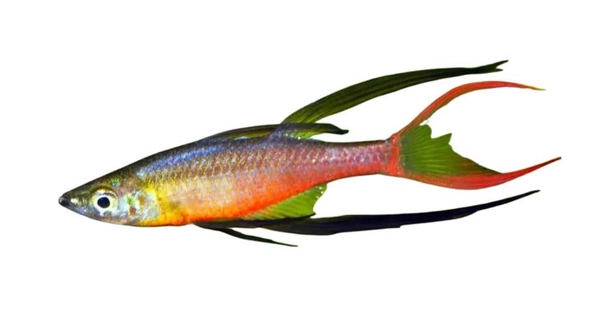
Threadfins are popular aquarium fish known for their delicate fins and graceful movements. Many hobbyists enjoy their presence, but keeping them healthy can be tricky, especially when aquarium filtration is unusually strong. Their behavior changes with the water environment.
In an overfiltered setup, threadfins may become stressed and hide more often. High water flow can tire them out, reduce feeding efficiency, and sometimes cause fin damage. Adjusting flow and providing calm zones helps maintain their natural behavior.
Observing their daily routines can reveal subtle signs of stress. Paying attention to these patterns ensures threadfins stay comfortable and thrive in any tank setup.
Understanding Threadfins’ Response to Strong Currents
Threadfins are naturally used to gentle water flow, so when placed in tanks with very strong filtration, they may struggle. You might notice them clinging to plants or tank decorations more often than swimming freely. Over time, constant exposure to strong currents can lead to exhaustion and weakened immune systems. Some threadfins might also start avoiding open areas entirely, choosing instead to hide behind rocks or in corners. Feeding can become difficult because the force of the water disperses food quickly, making it harder for them to eat enough. Observing their fins and scales is important, as torn or frayed fins can be a sign of stress. Adjusting the filtration or adding baffles can help create calmer areas. Creating zones with slower flow lets threadfins rest while still maintaining adequate filtration. Watching their behavior carefully can prevent long-term health issues.
Strong water flow can quietly stress threadfins over time, affecting their activity and feeding.
Slower zones in the tank allow threadfins to swim naturally and conserve energy. Adding plants, driftwood, or smooth rocks can break the flow and give them resting spots. Tank layout adjustments are often enough to balance filtration and comfort. By observing how threadfins use these calmer areas, you can gauge whether further modifications are needed. Small changes, like partially covering filter outlets or rearranging decorations, can significantly improve their daily behavior. Over time, threadfins become more confident and resume normal swimming patterns. Careful monitoring ensures they get enough food and maintain healthy fins, which supports overall well-being. Adjusting water flow doesn’t require extreme changes—subtle shifts often have a noticeable impact. Keeping the environment stable encourages natural activity and reduces stress, allowing threadfins to thrive without compromising water quality or tank cleanliness. Consistency is key in maintaining a balance between filtration and comfort.
Preventing Stress in Overfiltered Tanks
Creating calm areas in the tank helps threadfins feel secure and reduces stress.
Even minor changes in water flow can improve feeding and movement. Using adjustable filter settings or adding flow breaks allows fish to rest while still circulating water. Observing behavior over several days shows whether they use calmer zones effectively. Plants, rocks, and driftwood can provide natural shelters. Regular monitoring ensures stress signs are caught early. By maintaining stable water conditions and giving threadfins areas to retreat, they remain active and healthy, reducing the chance of illness or fin damage. Proper placement of filters and decor balances water movement with comfort, supporting natural swimming patterns.
Threadfins can become noticeably calmer when the tank environment accommodates both movement and rest. High filtration often disperses food, so calmer zones allow better feeding. Placement of hiding spots and plants lets them retreat without reducing swimming space. Over time, these changes encourage regular activity and reduce stress behaviors like hiding excessively or rubbing against surfaces. Adjusting water flow doesn’t need to compromise cleanliness; it simply ensures a safer, more comfortable environment. Healthy fins and consistent feeding habits reflect the effectiveness of these modifications. Observing subtle cues like fin position, swimming patterns, and feeding responses provides insight into how well threadfins adapt. Even small improvements in flow and shelter design can make a significant difference. In combination with routine water testing and maintenance, these adjustments create an environment where threadfins can thrive without constant stress from strong currents. A thoughtful approach to tank design ensures both water quality and fish welfare remain high.
Adjusting Feeding in Strong Currents
Threadfins may struggle to catch food in strong currents, often leaving pellets or flakes untouched. Providing slower-flow zones or targeted feeding spots can help them eat properly and maintain health.
Feeding threadfins in an overfiltered tank requires a strategic approach. Rather than scattering food broadly, place it near calmer areas or behind obstacles where water flow is weaker. This ensures they can access their meals without battling strong currents. Watching their feeding behavior closely helps determine whether adjustments are needed. Using sinking pellets or slow-release food can also improve intake, as these options stay within reach longer. Consistent feeding times create routine, which reduces stress and encourages natural behavior.
Over time, proper feeding adjustments contribute to better overall health. Threadfins gain energy for swimming, reduce stress-related hiding, and maintain their delicate fins. By observing which areas they prefer during meals, you can refine feeding locations and food types. Small, consistent changes make a noticeable difference in growth, activity, and appearance. Maintaining a balance between water flow and feeding efficiency ensures the fish stay active, alert, and healthy. Additionally, monitoring leftover food prevents waste and maintains water quality, keeping the tank clean while supporting their well-being.
Monitoring Behavior and Health
Regular observation helps identify stress or injury before serious problems develop.
Threadfins in overfiltered tanks may show subtle stress signs, like reduced swimming, clamped fins, or hiding. Daily monitoring allows early intervention, preventing long-term issues. Keep track of activity levels, feeding habits, and physical condition to spot changes. Documenting these observations can guide adjustments in flow, feeding, or tank decor. Quick responses to stress maintain healthy behavior patterns and prevent illness.
Behavioral changes often appear gradually, making careful attention important. Fish may avoid open areas, cling to decor, or swim in irregular patterns. Inspecting fins and scales for fraying or discoloration helps detect water flow stress. Adjustments like moving plants, adding driftwood, or partially redirecting filter output can reduce stress. Feeding patterns also indicate health: if threadfins ignore food, they may be fatigued or anxious. By combining behavioral observation with thoughtful tank modifications, you can ensure threadfins stay active, feed well, and retain vibrant colors. Consistent care and monitoring create a balanced environment, supporting both fish welfare and tank stability over time.
Creating Calm Zones
Adding plants, driftwood, or rocks helps break strong water flow, giving threadfins areas to rest. These calm zones let them swim naturally without constantly fighting currents.
Slower-flow areas also improve feeding, as food collects in these spots. Threadfins use these zones to regain energy and explore safely.
Adjusting Filter Output
Reducing filter flow or redirecting outlets can make a significant difference. Lowering intensity prevents exhaustion and fin damage while maintaining water quality. Observing how threadfins respond guides further adjustments.
Encouraging Natural Swimming
Threadfins regain normal swimming patterns when they feel safe. Structured zones and gentle currents support consistent movement.
FAQ
How do I know if my threadfins are stressed by the filter?
Signs of stress include hiding often, clamped fins, frayed tails, and reduced swimming activity. Threadfins may avoid open areas or struggle to eat. Observing their behavior over several days helps determine if high water flow is causing issues. Changes in color or fin condition can also indicate stress, signaling that adjustments to the tank setup are needed.
What are the best ways to reduce strong currents?
Reducing flow can be done by adjusting the filter output, using baffles, or partially covering the intake and outlets. Adding plants, driftwood, or rocks creates natural barriers that slow water movement. Calmer zones near feeding areas let threadfins eat without struggling. Small, incremental changes are better than drastic shifts, keeping water quality stable while improving comfort.
Can overfiltering affect feeding?
Yes, strong currents can scatter food too quickly. Threadfins may miss meals or expend too much energy swimming. Feeding near slower-flow zones or behind decorations helps them eat efficiently. Sinking pellets or slow-release food also improves intake. Observing which areas the fish prefer during feeding allows adjustments for consistent nutrition.
How often should I observe my threadfins?
Daily monitoring is ideal. Watch swimming patterns, fin condition, and feeding behavior. Take note of hiding spots or unusual movements. Consistent observation helps catch stress signs early, allowing quick adjustments to water flow, decor, or feeding locations. Keeping a short log can help track changes over time and guide decisions for tank management.
Will adding plants and decorations really help?
Yes, adding decor provides resting zones, breaks up currents, and reduces stress. Plants, rocks, and driftwood give threadfins places to retreat while maintaining open swimming areas. Decor also helps disperse water flow more evenly, allowing fish to explore without constant resistance. Placement near feeding spots ensures both nutrition and comfort.
Is it safe to reduce filter flow in a tank with overfiltered threadfins?
Yes, moderate reduction is safe as long as water circulation is maintained. Lowering intensity or redirecting flow avoids exhaustion while still keeping the tank clean. Combining adjustments with calm zones and regular maintenance balances water quality with fish comfort. Observation ensures changes have the desired effect without compromising cleanliness.
What other signs show that my threadfins are adapting?
Healthy activity includes swimming through open areas, regular feeding, and exploring calm zones. Fins should remain intact, and colors appear bright. Reduced hiding and confident movement indicate adaptation to water flow changes. Observing consistent daily routines shows the tank adjustments are effective.
Can these adjustments prevent long-term health issues?
Yes, proper flow management, feeding strategies, and structured calm zones reduce stress, prevent fin damage, and support immune health. By maintaining a comfortable environment, threadfins are less likely to develop exhaustion, injuries, or feeding problems, ensuring overall well-being.
How do I maintain balance between filtration and comfort?
Gradually reduce flow while adding obstacles to slow water in specific areas. Observe fish behavior, adjust feeding zones, and ensure cleaning routines continue. Balancing filtration and comfort requires careful monitoring and small adjustments, ensuring both water quality and fish welfare remain optimal.
How long does it take for threadfins to adjust to calmer conditions?
Adjustment time varies, but many threadfins show improvement within days to a few weeks. Signs include resumed swimming in open areas, regular feeding, and less hiding. Patience is key, as consistent environmental conditions and gradual changes help them feel secure and thrive.
Are certain types of threadfins more sensitive to overfiltering?
Yes, species with delicate fins or smaller sizes are often more affected. They tire more quickly in strong currents and may show stress earlier. Knowing the specific needs of your threadfin species helps guide flow adjustments, tank layout, and feeding strategies to ensure comfort.
Can overfiltering impact breeding behavior?
Strong currents can discourage mating and egg-laying because threadfins prefer calmer areas for these activities. Providing protected zones with minimal flow encourages natural reproductive behavior. Observing their interactions in calmer zones helps determine if flow adjustments are sufficient.
What maintenance practices support threadfins in overfiltered tanks?
Regular water testing, partial water changes, and cleaning filters while maintaining slow-flow zones all support health. Ensuring proper feeding and monitoring behavior complements these practices. Combining consistent maintenance with thoughtful tank adjustments ensures threadfins remain active, healthy, and stress-free.
How do I know if my adjustments are working?
Look for active swimming, consistent feeding, intact fins, and vibrant coloration. Reduced hiding and confident exploration of calm zones show positive response. Documenting changes in behavior over time provides clear feedback on the effectiveness of filtration adjustments and tank layout.
Are there any risks to leaving high flow unchanged?
Yes, prolonged exposure can lead to exhaustion, fin damage, poor feeding, and increased susceptibility to disease. Threadfins may hide excessively, lose color, or develop injuries. Adjusting water flow early prevents long-term health problems and ensures a stable, comfortable environment.
Can I use multiple filters to create varied flow areas?
Yes, using more than one filter allows you to direct flow differently across the tank. One filter can maintain general circulation while another creates a slower zone. Combining filters with obstacles helps maintain cleanliness without stressing the fish.
Is observation enough to prevent stress, or should I test water parameters too?
Both are important. Observation identifies behavioral signs of stress, while testing water ensures proper temperature, pH, and chemical levels. Combined, they provide a complete picture of the tank environment, allowing effective adjustments to support threadfin health.
How do I handle sudden changes in filter output?
Sudden increases in flow can shock threadfins. Introduce changes gradually, redirect outlets, or add temporary obstacles. Monitor their behavior closely for hiding, fin clamping, or reduced feeding. Gradual adaptation prevents unnecessary stress and allows them to maintain normal routines.
Are threadfins resilient enough to tolerate temporary high flow?
Some can, but prolonged exposure may cause stress or injury. Short periods are usually manageable if rest zones are available. Long-term comfort depends on providing areas to recover and ensuring feeding is not compromised by strong currents.
What is the best long-term strategy for overfiltered tanks?
Combine moderate flow reduction, calm zones, structured decor, targeted feeding, and daily observation. Small, consistent adjustments ensure threadfins remain active, healthy, and stress-free. Monitoring results and adapting tank layout as needed helps maintain a stable environment for all fish.
How do I prevent future overfiltering issues?
Choose adjustable filters, plan tank layouts with natural flow breaks, and observe fish behavior from the start. Anticipating needs and maintaining calm zones prevents stress, ensures efficient feeding, and protects delicate fins. Consistent care avoids long-term problems caused by strong currents.
Can tank size affect how threadfins respond to filtration?
Yes, smaller tanks amplify flow intensity, making high filtration more stressful. Larger tanks disperse water movement, reducing strain. Matching filter output to tank size and fish activity ensures comfortable swimming conditions without compromising cleanliness.
What role does feeding routine play in adapting to flow?
Regular feeding schedules in calm zones help threadfins feel secure and maintain energy. Consistent routines reduce stress, encourage natural behavior, and allow better monitoring of health. Feeding strategies work best when aligned with calmer areas and slower currents.
Are there behavioral signs that flow is perfect?
Active swimming through open areas, confident exploration of calm zones, regular feeding, and intact fins indicate optimal flow. Threadfins appear alert, vibrant, and stress-free, showing that the tank adjustments are effective and sustainable.
How often should I revisit flow adjustments?
Check at least weekly initially, especially after tank changes or adding new fish. Ongoing observation ensures conditions remain comfortable and feeding remains efficient. Minor tweaks prevent stress and support long-term health.
Do threadfins ever fully ignore strong currents if no calm zones exist?
Some may adapt temporarily, but long-term exposure often leads to hiding, poor feeding, and fin damage. Providing structured calm areas is crucial to prevent exhaustion and maintain normal behavior patterns.
Can overfiltering affect interactions with other fish?
Yes, stressed threadfins may avoid tank mates, hide more, or display aggression due to fatigue. Balanced water flow and calm zones support natural social behavior and reduce conflict in community tanks.
Is there a preferred type of filter for threadfins?
Filters with adjustable flow, gentle output, or the ability to redirect currents work best. Avoid devices that create constant strong currents without options to reduce flow. Combined with decor for calmer zones, these filters support healthy swimming patterns and feeding.
How important is gradual adaptation to new filters?
Very important. Sudden high flow can stress threadfins, reducing feeding and causing fin damage. Gradually increasing flow and observing behavior allows fish to adjust without compromising health. Step-by-step changes create a more comfortable, sustainable environment.
Can observation of one or two fish reflect the whole tank’s response?
Yes, especially if fish are similar in size and species. Behavioral changes in a few individuals often indicate tank-wide issues with flow, feeding, or hiding spaces. Monitor multiple fish for confirmation and adjust accordingly.
How do calm zones influence overall tank activity?
They encourage natural swimming patterns, reduce stress, and improve feeding efficiency. Fish use these areas to rest and regain energy, resulting in more consistent activity, healthier fins, and better interactions with other tank mates.
What long-term benefits come from managing flow effectively?
Threadfins remain active, maintain healthy fins, feed efficiently, and resist stress-related illnesses. A balanced environment supports natural behavior, improves coloration, and ensures longevity. Proper flow management contributes to a stable, low-stress habitat for both fish and caretakers.
How can I combine filtration and decor for maximum comfort?
Direct filter output toward open areas, use plants and rocks to create slower zones, and ensure feeding spots remain accessible. Strategic placement balances water circulation with comfort, allowing threadfins to swim freely, rest, and eat without stress.
What should I do if adjustments don’t work?
Reassess filter placement, flow rate, and tank layout. Consider adding additional calm zones or adjusting feeding strategies. If threadfins continue to show stress signs, consult species-specific care resources to ensure environmental conditions meet their needs.
How often should I clean filters in an overfiltered tank?
Regular cleaning is essential, but avoid disrupting calm zones. Partial cleaning maintains flow without sudden changes. Frequent observation helps determine timing, ensuring both water quality and fish comfort are preserved.
Can seasonal changes affect threadfins’ response to flow?
Yes, temperature fluctuations or seasonal tank changes can impact energy levels and swimming patterns. Adjusting flow during such periods helps maintain comfort and feeding efficiency, supporting overall health.
What final tips help maintain threadfins in overfiltered setups?
Observe daily, create calm zones, adjust flow gradually, provide consistent feeding, and maintain tank cleanliness. Patience and careful monitoring ensure threadfins remain active, healthy, and stress-free in any tank environment.
Threadfins are delicate and graceful fish that respond strongly to their environment. In tanks with high water flow, they can become stressed, hide frequently, or struggle to feed properly. Creating a balanced environment is important for their well-being. Adjusting filtration, adding plants or driftwood, and establishing calm zones all help threadfins feel more comfortable. These adjustments do not have to compromise water quality, and they allow the fish to maintain natural swimming patterns. Observing their behavior closely provides valuable insight into whether the tank setup meets their needs. By paying attention to signs like clamped fins, frayed tails, or reduced activity, caretakers can make timely changes before problems become serious. Threadfins often respond quickly to gentle modifications, and even small improvements in tank layout or flow can lead to noticeable changes in their activity and overall health.
Feeding is another key factor in supporting threadfins in overfiltered tanks. Strong currents can scatter food, making it difficult for them to eat enough. Placing food in slower-flow areas or behind obstacles allows threadfins to feed efficiently without expending excessive energy. Using sinking pellets or slow-release food can further improve intake and ensure consistent nutrition. Regular feeding schedules help maintain a sense of routine and reduce stress, giving the fish energy to swim and explore naturally. Observing their feeding behavior is a good way to measure the success of tank adjustments. If threadfins begin feeding actively and confidently, it shows they are adapting well to the environment. Over time, a well-managed feeding approach supports growth, fin health, and general vitality, while also preventing leftover food from affecting water quality.
Maintaining threadfins in an overfiltered setup requires patience and consistent attention. Caretakers should combine flow adjustments, calm zones, and targeted feeding with routine observation to ensure long-term health. Small, gradual changes are more effective than abrupt shifts, allowing threadfins to adjust without stress. Attention to detail, like monitoring fin condition, swimming patterns, and hiding behavior, can prevent long-term issues and improve the overall quality of life for the fish. Tank maintenance, including water testing and filter cleaning, complements these efforts and supports a stable environment. Over time, threadfins show more confidence, swim freely, and feed reliably, indicating a well-balanced habitat. By keeping their needs in mind and adjusting the environment thoughtfully, caretakers can create a safe and comfortable space where threadfins thrive, demonstrating that careful management of water flow and tank layout is essential for their health and happiness.

Hello,
If you enjoy the content that we create, please consider saying a "Thank You!" by leaving a tip.
Every little bit helps us continue crafting quality advice that supports the health, happiness, and well-being of pets around the world, for pets of all shapes, sizes, and species.
We really appreciate the kindness and support that you show us!