
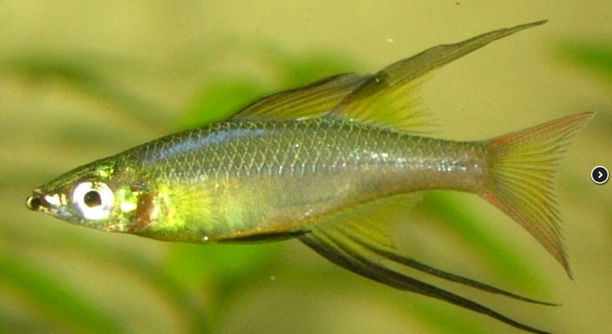
Are your threadfin showing signs of stress when new fish join the tank? Many hobbyists find their peaceful fish suddenly act distant or aggressive when introduced to unfamiliar tankmates. Understanding their behavior can make tank life smoother.
Threadfin may refuse new tankmates due to territorial instincts, stress from sudden environmental changes, incompatible swimming patterns, dietary differences, or past negative interactions. These factors can lead to rejection of new additions and affect overall tank harmony.
Recognizing these behavioral tendencies early can save you from unnecessary stress and help maintain a calm, balanced aquarium environment for your threadfin.
Territorial Behavior
Threadfin are naturally territorial fish, especially when a new fish enters their tank. They may chase, nip, or corner newcomers to establish dominance. This behavior is more noticeable in smaller tanks or when hiding spots are limited. Over time, they may accept new tankmates, but initial resistance is common. Providing enough space and visual barriers can help reduce conflict. Observing interactions carefully is important, as repeated aggression can lead to stress or injury. Each threadfin has its own personality, and some are more assertive than others. Gradually introducing fish and maintaining a calm environment often encourages coexistence.
Territorial tendencies often peak during feeding or breeding times, increasing tension between fish.
To help threadfin adjust, rearrange tank décor before introducing new fish, creating neutral territory. Introducing tankmates slowly, using a divider initially, allows fish to see each other without direct contact. Monitoring their behavior for several days helps ensure aggression does not escalate. Using plenty of hiding places reduces stress for all fish, giving newcomers safe spots. Avoid overcrowding, as it intensifies territorial disputes and may lead to long-term behavioral issues. Maintaining stable water conditions also lowers stress, allowing threadfin to focus less on defending space and more on adapting to new companions.
Stress from Environmental Changes
Sudden changes in tank size, temperature, or water chemistry can cause threadfin to refuse new tankmates. Stress reduces their willingness to interact and increases defensive behavior.
Stress affects threadfin health, lowering immunity and altering normal behavior.
Threadfin are sensitive to environmental shifts. Even minor differences in pH, temperature, or water hardness can make them wary of new fish. When tankmates are introduced in a stressed environment, threadfin may hide or act aggressively, rejecting the newcomers entirely. They rely on familiar surroundings to feel secure, and any sudden alteration can disrupt this sense of safety. Gradual acclimation and careful monitoring of water parameters are crucial. Adjusting conditions slowly, keeping lighting consistent, and minimizing disturbances helps threadfin remain calm. Ensuring a predictable feeding schedule also reduces stress, giving them confidence to accept tankmates. Maintaining a stable and familiar environment allows threadfin to establish routines and social hierarchies naturally, encouraging healthier interactions with all fish in the tank.
Would you like me to continue with the next two reasons?
Incompatible Swimming Patterns
Threadfin are fast, active swimmers and may struggle with slower or more timid tankmates. Differences in movement can stress both the threadfin and the new fish, leading to avoidance or aggression. Matching swimming styles helps maintain harmony in the tank.
Mismatched swimming patterns can disrupt feeding and social interactions. Fast threadfin may chase slower fish unintentionally, creating tension. Slow-moving newcomers may hide constantly, preventing proper integration. Over time, both types may experience stress, affecting health and behavior. Providing open swimming space and observing interactions closely can help manage these differences. Careful selection of fish with similar activity levels reduces stress and encourages peaceful coexistence, making tank management smoother and more predictable for you.
Creating zones within the tank allows fast and slow swimmers to occupy different areas comfortably. Adding plants, rocks, or decorations can give slower fish hiding spaces and let threadfin swim freely without constant interference. Regular observation ensures conflicts are minimized. Over time, gradual exposure and consistent feeding routines help both fast and slow swimmers adjust to each other’s presence, promoting a more balanced tank environment.
Dietary Differences
Threadfin may refuse tankmates that eat differently or compete for food. Different diets can create stress and conflict, especially during feeding times. Careful planning ensures all fish get proper nutrition.
Dietary habits influence behavior and social dynamics.
Fish that consume different types of food often develop competition or hesitation during feeding. Threadfin are opportunistic feeders, and introducing fish with specialized diets can cause tension or rejection. Observing feeding behavior helps identify conflicts early. Providing separate feeding zones or using food that satisfies multiple species reduces stress. Maintaining a balanced diet tailored to threadfin while accommodating other tankmates ensures healthy growth and reduces aggression. Consistency in feeding times and portion control allows all fish to adjust and coexist without unnecessary competition. Ensuring dietary needs are met supports overall health, making it easier for threadfin to accept new companions.
Past Negative Interactions
Threadfin may remember previous conflicts with certain types of fish. Even minor past skirmishes can make them wary of similar newcomers, leading to avoidance or aggression. This memory affects how they respond to any new tankmates.
Repeated exposure to stressful interactions reinforces their hesitation. Observing behavior carefully helps identify which fish cause tension.
Water Quality Sensitivity
Threadfin are highly sensitive to changes in water conditions. Poor or fluctuating water quality can make them less receptive to new tankmates, increasing stress and defensive behavior. Regular monitoring and maintenance are essential to ensure a healthy environment.
Size Differences
Large differences in size between threadfin and new tankmates can cause stress or intimidation. Smaller fish may hide constantly, while larger fish may provoke defensive behavior, complicating introductions.
FAQ
Why is my threadfin still aggressive after introducing new tankmates?
Aggression often continues because threadfin take time to establish territory and social hierarchy. Even when the environment seems calm, stress and insecurity can trigger chasing or nipping behavior. Ensuring plenty of hiding spots, open swimming areas, and consistent routines helps reduce tension over time. Gradual introductions with a tank divider can also give your fish a chance to adjust without direct contact. Monitoring water quality and feeding routines ensures stress is minimized, allowing threadfin to focus less on defending space and more on accepting new companions. Patience is essential, as some fish require weeks to settle.
Can threadfin live peacefully with all types of fish?
Not all fish are suitable tankmates. Threadfin prefer fish with similar swimming patterns, activity levels, and temperaments. Slow or overly timid species may become stressed, while highly aggressive or territorial fish can provoke conflict. Matching dietary needs is equally important, as competition over food can escalate aggression. Carefully selecting compatible species, providing neutral territory, and monitoring interactions are key steps. Over time, even initially cautious fish may adapt if the environment remains stable and stress is minimized.
How do I introduce new fish without stressing my threadfin?
Introduce newcomers gradually, preferably using a tank divider for several days. Rearranging décor before adding fish creates neutral territory and prevents territorial disputes. Observe feeding behavior and interactions closely, and make adjustments as needed. Introducing fish in pairs or groups, rather than singly, can reduce attention on a single new fish. Maintaining consistent water parameters, feeding schedules, and lighting reduces overall stress, making it easier for threadfin to adjust. Providing hiding spots and open swimming areas allows both threadfin and new tankmates to establish their own space safely.
What signs indicate my threadfin is rejecting a new tankmate?
Signs include constant chasing, nipping, or cornering of the newcomer. Threadfin may also hide more often, refuse food, or show stress-related behaviors like rapid breathing. New fish may remain in hiding or appear lethargic. Monitoring both the threadfin and the newcomers for several days is important. If aggression persists, adjusting tank décor, creating separate zones, or temporarily removing the aggressive fish may be necessary. Stress-free interactions generally increase as fish adapt to the presence of new tankmates, but persistent aggression signals incompatibility or environmental issues that need attention.
How can I reduce competition over food?
Feed in multiple locations simultaneously to prevent dominant fish from monopolizing food. Choose food types that suit both threadfin and other tankmates. Observing meal times helps identify which fish need extra portions or separate feeding zones. Maintaining a consistent feeding schedule reduces anxiety and allows slower or smaller fish to eat without pressure. Avoid overfeeding, as leftover food can degrade water quality and increase stress. Using sinking or floating foods according to each species’ habits ensures everyone gets proper nutrition. Proper feeding strategies support peaceful coexistence and reduce tension related to food.
Do tank size and décor affect acceptance of new tankmates?
Yes, limited space increases territorial disputes, while well-decorated tanks provide hiding spots and boundaries. Open swimming areas and neutral zones reduce stress and prevent constant chasing. Rearranging décor before adding new fish helps prevent existing fish from feeling their territory is invaded. Large tanks with multiple zones make it easier for fish to coexist peacefully. Natural décor such as plants, rocks, or driftwood gives smaller or timid fish refuge, encouraging safer interactions. Adequate space also allows threadfin to explore and establish boundaries without forcing confrontation, making introductions smoother.
How long does it take for threadfin to accept new tankmates?
Acceptance varies depending on personality, environment, and compatibility. Some threadfin adjust within a few days, while others may require weeks. Gradual introductions, neutral territory, and consistent care speed up the process. Continuous observation helps ensure that aggression does not escalate, allowing newcomers to settle safely. Maintaining stable water conditions, feeding routines, and stress-free surroundings supports adaptation. Even after initial acceptance, occasional disputes may occur, but they typically decrease as fish learn to share space. Patience and careful monitoring are essential for long-term harmony in a mixed-species tank.
Can stress from new tankmates affect threadfin health?
Yes, stress can weaken immunity, reduce appetite, and increase susceptibility to disease. Continuous stress from aggressive or incompatible fish can lead to long-term health issues. Providing hiding spots, maintaining stable water conditions, and controlling feeding competition are essential. Gradual introductions minimize stress and help threadfin adapt more easily. Stress reduction strategies support both physical health and normal behavior. Observing behavioral changes, such as lethargy or rapid breathing, allows you to address problems before they worsen. Keeping the tank environment predictable and calm ensures threadfin remain healthy while adjusting to new tankmates.
Are there specific fish I should avoid adding with threadfin?
Avoid highly aggressive, extremely territorial, or very slow-moving species. Fish that compete aggressively for food or space can trigger stress and rejection behavior. Similarly, species with very different swimming patterns or incompatible diets may not integrate well. Researching compatibility and observing initial reactions in a quarantine tank can prevent problems. Prioritizing species with similar activity levels, temperament, and dietary needs increases the likelihood of peaceful coexistence. Adjusting décor and providing hiding areas further supports harmony. Careful planning and observation reduce conflict, making it easier for threadfin to accept newcomers without long-term stress.
This FAQ section addresses the main concerns about threadfin behavior and integration with new tankmates, providing practical strategies to ensure a healthy and peaceful aquarium.
Threadfin are unique fish with their own personalities and needs, and introducing new tankmates can be challenging. Their natural instincts, sensitivity to stress, and territorial behavior make careful planning essential. Understanding these tendencies helps prevent conflicts and ensures that both your threadfin and the new fish remain healthy and calm. Observing your fish closely during introductions can give you insight into their behavior, allowing you to make adjustments when necessary. Small changes, like rearranging decorations or providing more hiding spots, can make a big difference in how they respond to newcomers. Taking the time to learn about your threadfin’s habits before adding new tankmates sets the stage for a peaceful environment.
Maintaining stable water conditions, feeding routines, and proper tank size is crucial. Threadfin react negatively to sudden changes, whether it is water temperature, pH, or even the addition of a new fish. Gradual introductions and the use of dividers can reduce stress, allowing fish to get used to each other’s presence without direct confrontation. Matching swimming patterns and dietary needs with potential tankmates further supports a calm environment. Providing plenty of space and neutral zones helps all fish establish territory safely and reduces aggression. Even after following these steps, it is important to monitor interactions regularly. Sometimes it takes several weeks for threadfin to fully accept new tankmates, and patience is key.
Ultimately, the goal is to create a balanced and healthy tank where all fish can thrive. Threadfin may initially refuse new tankmates, but with careful planning, observation, and patience, they can adapt. Respecting their natural behavior and providing a suitable environment minimizes stress and encourages peaceful coexistence. Remember that each fish is different, and what works for one threadfin may not work for another. By prioritizing compatibility, stable conditions, and gradual introductions, you can help your threadfin feel secure while welcoming new companions into the tank. This approach not only ensures the health of your threadfin but also promotes a harmonious aquarium where all fish can flourish together.

Hello,
If you enjoy the content that we create, please consider saying a "Thank You!" by leaving a tip.
Every little bit helps us continue crafting quality advice that supports the health, happiness, and well-being of pets around the world, for pets of all shapes, sizes, and species.
We really appreciate the kindness and support that you show us!