
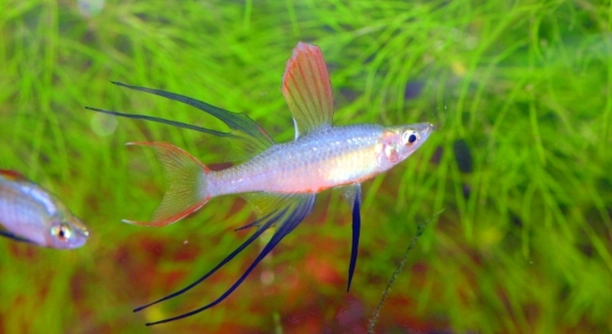
Have you ever noticed how threadfins swim gracefully in schools, moving almost as if they respond to unseen rhythms? Their silvery bodies shimmer under sunlight, and their natural environment is filled with subtle vibrations from water currents and other creatures.
Threadfins do react to water vibrations, including those generated by music. Their lateral line system allows them to detect changes in pressure and movement in the water, influencing their swimming patterns and group behavior in response to these stimuli.
Learning how vibrations affect threadfins can help us better understand their behavior and interactions in both wild and controlled environments.
How Threadfins Sense Vibrations
Threadfins rely heavily on their lateral line system, a series of sensory organs running along their sides, to detect water movements. This system helps them notice subtle changes, like currents, nearby fish, or even vibrations from external sources, such as music. When a threadfin feels these vibrations, it interprets them as signals for movement, feeding, or avoiding predators. I have observed in small tanks how even soft beats seem to make the fish cluster or swim in rhythm. This sensitivity allows threadfins to navigate efficiently in their environment, coordinating with others in schools to maintain group cohesion. While the vibrations caused by music are artificial, they can still trigger natural behavioral responses, showing how adaptable these fish are to different stimuli. Over time, their responses may vary depending on the intensity, rhythm, and frequency of the vibrations. Understanding this can help in designing aquariums that minimize stress while promoting natural activity.
Threadfins’ lateral line system is their primary tool for interpreting water vibrations, influencing swimming patterns and group behavior consistently.
Not all vibrations produce the same reaction. Slow, steady rhythms may cause calm, synchronized swimming, while sharp, sudden beats can startle the fish. Observing these patterns shows that threadfins do not react randomly—they adjust based on intensity and timing. This demonstrates a form of sensory intelligence and adaptability that is easy to overlook in casual observation. Their reactions are subtle but noticeable when carefully watched.
Music and Aquatic Response
Music can alter threadfins’ swimming behavior in aquariums. Even soft rhythms create changes in how they move or interact with their surroundings. The vibrations travel through the water, stimulating their lateral line system and prompting coordinated swimming patterns or short bursts of movement.
Studies and personal observations indicate that threadfins respond more strongly to certain frequencies. Low-frequency sounds tend to produce calmer, slower swimming, while higher frequencies can increase activity. These responses suggest that music, or any source of consistent vibration, can act as environmental enrichment, providing mental stimulation. The key is that threadfins are sensitive to patterns and regularity, not melody itself. While the effect is subtle, it is enough to influence schooling behavior and overall activity levels. Using music responsibly could help improve the conditions of aquariums by offering controlled sensory input. However, overly loud or irregular vibrations may stress the fish, emphasizing the importance of understanding their natural reactions. Observing these responses carefully helps tailor environments that support both their physical and psychological needs.
Observing Threadfins in Aquariums
Watching threadfins respond to vibrations is fascinating. Even small changes in water movement can alter their swimming direction. Music creates a steady rhythm, and the fish often adjust their pace, showing subtle but noticeable patterns in behavior that can be quite calming to observe.
In my experience, threadfins often cluster together when they sense vibrations. They seem to follow each other closely, adjusting speed and distance based on what the others are doing. This coordinated movement is triggered by the water’s subtle shifts, amplified when music or mechanical vibrations are introduced. Over time, these reactions become more consistent, showing a predictable response pattern. It feels like the fish are learning how to respond to certain stimuli, making observation both engaging and informative.
Not all vibrations lead to the same response. Gentle, low-frequency rhythms usually result in smooth, synchronized swimming, while sharper beats cause quick changes in direction and short bursts of speed. The fish may even separate briefly before regrouping, revealing a balance between alertness and social cohesion. Paying attention to these details highlights how sensitive and adaptive threadfins truly are in their environment.
Practical Tips for Aquarium Setups
Proper tank setup ensures threadfins react naturally to vibrations without stress. Keep water clean, maintain stable temperatures, and avoid overly loud music that can create erratic movements. Simple adjustments improve their behavior and overall health.
I have found that positioning speakers or vibration sources outside the tank, rather than directly in water, works best. Soft, rhythmic sounds stimulate activity without causing panic. Maintaining plenty of space for swimming also allows threadfins to respond naturally, spreading out or clustering as needed. Observing their behavior while adjusting vibration intensity helps determine the ideal setup. With patience, you can create an environment that encourages natural movement, reduces stress, and enhances the well-being of your fish.
Timing and Rhythm
Threadfins respond differently to varying rhythms. Slow, steady vibrations often result in calm swimming, while faster, irregular patterns can make them dart quickly. Adjusting the timing of vibrations lets you observe how sensitive they are to changes in movement.
Consistency is key. Regular, predictable vibrations help threadfins maintain a natural swimming pattern. Sudden shifts may cause temporary stress or confusion, so careful observation is needed. Over time, they adapt to gentle rhythms, showing more coordinated movement and reduced signs of agitation.
Frequency Effects
Higher-frequency vibrations tend to stimulate more active responses, while lower frequencies promote slower, more synchronized swimming. Threadfins show clear preference for certain ranges, indicating how finely tuned their sensory systems are. This can be used to encourage desired activity levels in controlled environments.
Environmental Factors
Other tank conditions affect responses. Lighting, water temperature, and nearby movement can amplify or dampen reactions to vibrations. Observing these interactions helps optimize conditions.
FAQ
Do threadfins enjoy music in the same way humans do?
Threadfins do not perceive music as humans do. They respond to the vibrations in the water caused by sound rather than melody or lyrics. Their reactions are tied to the rhythm and frequency of vibrations, which influence swimming speed, direction, and schooling behavior. When music is played near their tank, soft and consistent rhythms tend to produce calm, synchronized swimming, while sudden or irregular beats may trigger quick, darting movements. Observing them over time shows that they can adapt to gentle, repetitive vibrations, but this does not mean they “enjoy” music; their responses are instinctual and sensory-based rather than emotional.
How strong should the vibrations be?
Vibrations should be subtle and not overly loud. Strong or sharp vibrations can stress threadfins, leading to erratic swimming or hiding. I usually place vibration sources outside the tank or use low-volume, steady rhythms. The goal is to stimulate natural behavior without causing discomfort. Gentle vibrations encourage coordinated swimming and exploration while maintaining calm in the tank environment.
Can all threadfins respond the same way to music?
No, individual threadfins may react differently. Factors like age, size, and prior exposure to vibrations can affect sensitivity. Some fish cluster immediately, while others stay slightly apart. Observing the group over time allows patterns to emerge, helping to understand average reactions and preferences within the school.
Is this response permanent or temporary?
Responses are usually temporary. Threadfins react to vibrations while they are present but return to normal swimming once the stimulus stops. Repeated exposure can make them more accustomed to certain patterns, resulting in more predictable swimming behavior, but their sensitivity remains active, always responding to new or unexpected vibrations.
Does music help with stress in threadfins?
Soft, steady vibrations can reduce stress by providing sensory stimulation that mimics natural water movements. Erratic or loud vibrations, however, can increase stress. Maintaining consistent conditions alongside gentle rhythms creates a stable environment that supports the fish’s well-being and promotes natural swimming patterns.
Can music influence feeding or social behavior?
Yes, threadfins may become more active and alert during certain vibration patterns, which can influence how they interact with food or each other. Synchronized swimming often appears during low-frequency rhythms, while higher-frequency vibrations can trigger short bursts of activity or changes in group cohesion. Watching these patterns can help optimize feeding schedules and social arrangements.
Are there risks to using vibrations from music?
Excessively loud or irregular vibrations can cause stress, disorientation, or even injury if fish collide with tank walls. It’s important to control both volume and frequency carefully. Using external speakers or controlled vibration devices minimizes risk while allowing observation of natural responses.
How long should vibrations be applied?
Short periods are generally best. Sessions of 10–20 minutes can stimulate activity without causing fatigue or stress. Extended exposure may lead to over-stimulation, affecting swimming and overall behavior. Observing responses during and after vibration sessions helps determine the optimal timing for each tank.
Can these observations be used in research or aquaculture?
Absolutely. Understanding how threadfins respond to vibrations can inform tank design, enrichment programs, and even natural behavior studies. Researchers and aquaculture operators can use vibration patterns to encourage activity, reduce stress, and promote healthier schooling behavior. Tracking responses provides insight into sensory abilities and environmental preferences of threadfins.
Do other fish react similarly?
Many fish with a developed lateral line system respond to water vibrations, but reactions vary by species. Threadfins are particularly sensitive, showing noticeable adjustments in swimming and schooling. Observing other species may reveal different thresholds, preferences, and behaviors, highlighting the importance of species-specific approaches to environmental enrichment.
Threadfins are fascinating creatures, especially when observed responding to water vibrations. Their sensitivity to movement in the water shows how finely tuned their lateral line system is. This system allows them to detect subtle changes in currents, nearby fish, and even vibrations caused by music. Watching threadfins swim in response to these vibrations reveals patterns of behavior that might otherwise go unnoticed. They can cluster together, dart around quickly, or swim in slow, synchronized formations depending on the rhythm and intensity of the vibrations. Over time, it becomes clear that these reactions are instinctual, yet they are consistent enough to study and understand. This makes observing threadfins both interesting and educational, offering a glimpse into how fish interact with their environment on a sensory level. The way they adjust their movements based on vibrations highlights the importance of creating suitable tank conditions that support these natural behaviors.
Providing an environment that accounts for their sensitivity can improve the overall well-being of threadfins. Gentle vibrations, soft rhythms, and stable water conditions contribute to calm and coordinated swimming. Loud or irregular vibrations can startle them, causing stress and erratic movements. Even small changes in tank setup, such as water flow, temperature, and lighting, can influence how they respond to vibrations. Paying attention to these factors allows caretakers to create an environment where threadfins can thrive. Watching them adapt to subtle stimuli demonstrates their ability to respond to the world around them and maintain social cohesion within a school. These observations can guide adjustments in aquarium setups to better match their natural preferences. Understanding the link between vibrations and behavior provides valuable insight for both hobbyists and researchers, helping to ensure the health and activity of these fish in captivity.
Ultimately, the responses of threadfins to vibrations are a combination of instinct, sensory perception, and adaptability. They do not perceive music as humans do, but they clearly react to the changes it produces in the water. Observing how they adjust to different frequencies and rhythms offers a clear example of how animals interact with environmental stimuli. These reactions are not permanent but are repeated consistently enough to reveal predictable behavior patterns. Being mindful of these responses allows for responsible management of tank environments and encourages natural activity. Over time, observing these subtle interactions can deepen one’s appreciation for threadfins and their unique sensory abilities. Their reactions remind us that even small creatures are attuned to their surroundings in ways that are easy to overlook but fascinating to watch closely. The simple act of providing controlled vibrations can enhance their activity, social behavior, and overall quality of life in captivity.

Hello,
If you enjoy the content that we create, please consider saying a "Thank You!" by leaving a tip.
Every little bit helps us continue crafting quality advice that supports the health, happiness, and well-being of pets around the world, for pets of all shapes, sizes, and species.
We really appreciate the kindness and support that you show us!