
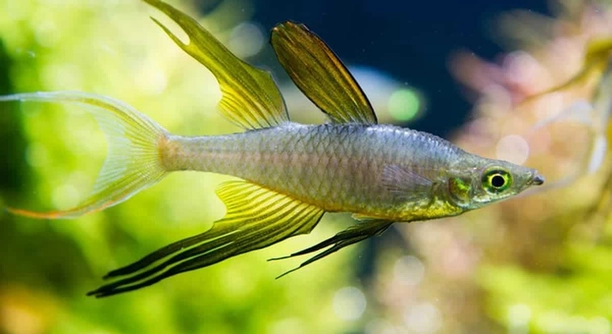
Have you ever found yourself observing your Threadfin Rainbowfish, wondering if they notice your presence or movements outside their tank? These delicate, shimmering fish often seem more aware of their surroundings than one might expect.
Threadfin Rainbowfish can respond to human movements through visual recognition and environmental sensitivity. Their keen eyesight allows them to detect motion outside the tank, prompting subtle behavioral changes such as swimming closer, flaring fins, or shifting their formation.
Understanding how they perceive and react to the world around them offers a gentle glimpse into their intelligent and social nature.
How Threadfin Rainbowfish Perceive Movement
Threadfin Rainbowfish are naturally alert and observant creatures. Their large eyes and reflective scales help them pick up on subtle shifts in light and motion, even from outside their aquarium. When you move near the tank, they can sense the vibrations or shadows you create. In response, they may swim toward you, pause mid-water, or group together for security. These actions show their awareness of changes in their surroundings. Over time, they can even associate your movements with feeding or interaction, showing a learned behavioral response. While they do not recognize faces like some pets, their reactions demonstrate a level of perception and adaptability that makes them fascinating to observe daily.
Threadfin Rainbowfish rely heavily on visual cues. Because of their environment, they interpret movement as a potential sign of food, safety, or change. This explains why your presence might influence their swimming patterns or attention.
Their behavior can also vary depending on lighting and background activity. Too much sudden motion may startle them, while calm, consistent gestures can make them feel more comfortable. Observing how they adjust gives insight into their sensitivity and intelligence. This awareness helps create a better environment, ensuring they stay active, alert, and less stressed in their aquatic home.
Building a Positive Interaction
Creating a calm and familiar atmosphere can help Threadfin Rainbowfish feel secure enough to interact. Moving slowly, maintaining consistent feeding routines, and avoiding tapping on the glass reduces stress. Over time, these small habits can make them more responsive and less wary of your movements.
When you maintain a peaceful environment, your Threadfin Rainbowfish can start to associate you with stability and care. Their confidence grows through repetition and calm exposure. Positioning their tank in a low-traffic area helps them feel safe from sudden disruptions, while consistent lighting supports a predictable rhythm. Observing their subtle cues—such as how they swim closer when you approach—can guide you in understanding their comfort level. Building this gentle interaction not only enhances your connection but also contributes to their well-being. These small, thoughtful actions create a more harmonious balance between you and your fish, making each moment by the tank feel meaningful and calm.
Factors That Influence Their Responsiveness
Lighting, tank placement, and your movement patterns all affect how Threadfin Rainbowfish respond. When light hits the water just right, they see reflections and shadows more clearly, which can make them react quicker to motion around their tank.
Their responsiveness also depends on how calm their environment is. Loud noises, sudden gestures, or constant activity can make them feel anxious, causing them to retreat instead of interact. A steady environment helps them feel secure enough to stay curious and active. Keeping the tank near a stable light source and away from constant movement allows them to distinguish between normal activity and genuine interaction. Over time, they begin to recognize patterns in your behavior, such as approaching during feeding times, and may swim toward the front of the tank in anticipation.
Temperature and water clarity can also influence their perception. Warmer water encourages movement and interaction, while murky water limits visibility. Clean, balanced conditions let them see clearly and respond confidently. Regular maintenance not only keeps the tank healthy but also enhances their awareness. Small, consistent actions—like maintaining light cycles and avoiding abrupt changes—help them adjust naturally. When the environment feels stable, these fish show more personality, turning routine care into a calm, rewarding connection.
Encouraging Healthy Behavior Through Awareness
Watching your Threadfin Rainbowfish react to your presence helps you understand their comfort levels. If they stay active and curious when you approach, it shows they feel secure. When they hide or move erratically, it might signal stress or discomfort in their surroundings.
Adjusting your actions can make a difference. Gentle movements, consistent feeding schedules, and soft lighting help build trust and reduce anxiety. Providing plenty of swimming space and adding plants for cover allows them to explore safely without feeling exposed. These fish thrive in predictable environments where they can recognize patterns and feel protected. Over time, they may even anticipate your arrival, associating it with positive experiences. Paying attention to their responses is a quiet but meaningful way to ensure they stay healthy, active, and connected to the environment you’ve created for them.
Recognizing Individual Differences
Not all Threadfin Rainbowfish react the same way. Some may swim closer when you move near, while others prefer to observe from a distance. Their temperament, age, and past experiences can all influence how they respond to motion outside their tank.
Observing their unique reactions helps you understand their comfort zones. A calm fish that swims forward likely feels safe, while one that darts away might need more time to adjust. Recognizing these small differences allows you to create a more suitable environment for each fish’s natural behavior and personality.
The Role of Routine and Familiarity
Threadfin Rainbowfish feel more confident when their surroundings stay consistent. Regular feeding times, steady lighting, and familiar patterns of movement all contribute to a sense of safety. When they know what to expect, they become less reactive to outside motion and more focused on exploring their tank. Gradually introducing changes, like new plants or decorations, also helps them adapt without stress. Over time, their trust in you and their environment grows stronger, allowing for smoother interactions. Establishing routine care and gentle consistency makes a noticeable difference in their behavior and overall comfort.
Observing Signs of Stress
Changes in color, rapid swimming, or hiding for long periods can signal stress. Paying attention to these small cues helps identify problems early and maintain a healthy, calm environment for your Threadfin Rainbowfish.
FAQ
Can Threadfin Rainbowfish really notice me moving around their tank?
Yes, Threadfin Rainbowfish have sharp eyesight and are sensitive to changes in light and motion. They may respond to your presence with small movements, like swimming toward you, shifting position, or flaring fins. While they do not recognize faces, they can learn patterns and associate your movements with feeding or other activities.
Why does my fish sometimes dart away when I approach?
Sudden movements, loud noises, or shadows can startle them. Threadfin Rainbowfish are naturally cautious and react instinctively to perceived threats. Giving them a calm environment, moving slowly near the tank, and avoiding abrupt gestures helps reduce stress and encourages them to remain curious rather than fearful.
How can I encourage my fish to be more interactive?
Routine is key. Consistent feeding schedules, steady lighting, and calm, predictable movements help them feel secure. Over time, they may begin to associate your approach with positive experiences, like feeding or observing them gently, making them more comfortable and willing to respond.
Do all Threadfin Rainbowfish react the same way?
No, each fish has its own temperament. Some are bolder and will swim closer when you move near, while others are shy and may prefer to watch from a distance. Their age, health, and previous experiences in the tank can influence how they respond to stimuli.
Can tank conditions affect their responsiveness?
Absolutely. Lighting, water clarity, temperature, and tank placement all play a role. Clear water, stable temperatures, and balanced lighting make it easier for them to see movement and react. Sudden changes, clutter, or murky water can reduce their awareness and cause stress.
What signs show my fish is stressed by my presence?
Signs include hiding, rapid darting, clamped fins, or faded coloration. These behaviors indicate discomfort or fear. Observing how your fish responds over time helps you adjust your approach, maintain a stable environment, and keep them relaxed and healthy.
Does tank size matter for responsiveness?
Yes, a properly sized tank gives them space to swim and explore without feeling confined. Smaller tanks may increase stress when motion is detected outside, while larger tanks provide areas to retreat and feel safe, allowing them to interact more confidently when comfortable.
Can I train my Threadfin Rainbowfish to recognize me?
While they won’t recognize you like mammals do, they can learn patterns. Approaching the tank consistently at feeding times or using gentle, repeated movements helps them associate you with positive experiences. Over time, they may swim closer when they notice you, showing a learned response.
How long does it take for them to get used to human presence?
Adjustment periods vary. Some fish respond quickly within days, while others may take weeks. Patience and consistency are essential. Gradually introducing calm movements and keeping routines predictable helps them feel secure and encourages more natural, confident reactions over time.
Are there any tools or techniques to improve interaction?
Yes, placing the tank where you spend time allows them to become familiar with your presence. Gentle gestures, slow movements, and avoiding tapping on the glass improve comfort. Maintaining water quality and providing hiding spots also supports positive interactions by reducing stress.
Can changes in light or decorations impact their reactions?
Yes, sudden changes in light intensity or rearranging tank decorations can startle them. Threadfin Rainbowfish respond better when the environment is stable and predictable. Gradually introducing changes allows them to adjust without anxiety and maintains their willingness to interact with you.
Do they react differently to different people?
They may respond based on movement patterns rather than individuals. A calm, consistent approach from anyone in the household is more likely to elicit positive reactions, while erratic or loud behavior may cause them to hide regardless of the person approaching the tank.
Is it normal for them to sometimes ignore me?
Yes, even responsive fish may not react at all times. Factors like time of day, feeding schedule, stress, or sleep-like rest periods can affect activity. Observing them over time helps identify patterns and ensures you understand their natural behavior.
How do I know if my fish is comfortable with my presence?
Comfortable fish swim confidently, explore the tank, and may approach your movements calmly. They avoid sudden darting or clamped fins and maintain normal coloration. Recognizing these cues helps reinforce good habits and encourages a trusting, low-stress environment.
Can overfeeding or irregular feeding affect their responsiveness?
Yes, inconsistent feeding can make them anxious or less responsive. They may react only when hungry or become stressed if they expect food inconsistently. Maintaining a regular feeding routine strengthens predictable behavior and encourages interaction without overfeeding.
How do I combine observation with care without stressing them?
Keep movements slow, avoid tapping the glass, and watch from a comfortable distance. Provide hiding spaces for retreat and maintain stable conditions. Patience and gentle observation allow you to enjoy their responses while prioritizing their health and comfort.
Are there age-related changes in responsiveness?
Younger fish may be more curious and active, reacting more noticeably to movement. Older fish may be calmer or more cautious. Adjusting expectations and interactions according to age ensures you respect their natural behavior and maintain positive engagement.
Can multiple fish in the same tank influence responses?
Yes, social dynamics matter. Some fish may follow the lead of bolder individuals, while shy ones may hide. Group behavior can amplify reactions to movement, so understanding the social structure helps you interpret and respond appropriately to each fish’s actions.
Is it possible for them to become accustomed to repeated disturbances?
Repeated sudden disturbances can cause stress rather than habituation. Calm, predictable exposure is key. Over time, gentle consistency allows them to respond positively, while harsh or erratic stimuli can lead to avoidance or nervous behavior, reducing interaction and comfort.
How important is water quality for interaction?
Water quality is critical. Poor conditions make fish less active and more stressed, limiting their responsiveness. Maintaining clean water, proper temperature, and balanced parameters ensures they are healthy, alert, and more likely to respond positively to your movements.
Can I tell when they recognize patterns of human behavior?
Yes, when fish consistently swim toward the tank during feeding or follow repeated gestures, it shows they are learning patterns. Recognition is based on predictability rather than personal identity, highlighting their ability to adapt and respond to routine events in their environment.
How do I safely test their reactions?
Move slowly near the tank, vary approach angles gently, and observe their behavior without touching the glass. Look for calm swimming, minor fin displays, or following movements. Avoid abrupt gestures, tapping, or loud noises to prevent stress while assessing their responsiveness accurately.
Are there differences in responsiveness between males and females?
There can be subtle differences. Males may display brighter colors or more active swimming patterns, especially during social interactions, which could make their reactions more noticeable. Females may be calmer or more reserved. Observing individual behavior rather than assuming differences ensures accurate understanding of their responsiveness.
Can seasonal changes affect their behavior?
Yes, changes in room temperature, daylight hours, or feeding adjustments can influence activity. Fish may become more active in warmer periods and less so in cooler conditions. Maintaining stable environmental factors helps ensure consistent, predictable behavior and responsiveness.
What is the best way to encourage curiosity without causing stress?
Introduce slow, calm movements, maintain regular feeding, and provide a comfortable, stable environment. Observing without touching the tank and allowing fish to approach on their own terms promotes curiosity and interaction while minimizing anxiety or defensive reactions.
Can decorations or plants improve interaction?
Yes, strategically placed plants and decorations provide hiding spots and exploration opportunities. Fish feel safer in a structured environment, which encourages confident swimming and curiosity. This setup allows them to respond to your presence without feeling threatened, balancing activity with security.
How do I know if my efforts are working?
Positive signs include approaching the front of the tank, swimming confidently, displaying normal coloration, and exploring the environment calmly. Consistent responses indicate they feel secure and are comfortable with your presence, showing that your adjustments are effective in creating a stable, engaging habitat.
Is there a way to measure progress over time?
Yes, keeping notes or brief observations on reactions, swimming patterns, and frequency of interactions helps track behavior changes. Comparing daily or weekly behavior can show improvement in comfort, responsiveness, and curiosity, making it easier to adjust care and interaction strategies effectively.
How long should interactions last each day?
Short, consistent sessions are best. A few minutes at a time allow fish to notice your presence without feeling overwhelmed. Frequent but brief interactions encourage natural responses, reinforce patterns, and reduce stress, creating a healthy balance between observation and their need for calm, uninterrupted time.
Are there any signs of over-stimulation to watch for?
Rapid darting, hiding, flared fins, or sudden color changes indicate over-stimulation. These signs mean they feel threatened or anxious. Reducing movement around the tank, dimming lights, or allowing them to retreat restores calm and prevents stress-related behavior or health issues.
Can Threadfin Rainbowfish adapt to new people in the house?
Yes, if approached gently and consistently. New individuals should use slow, predictable movements, maintain calm energy, and follow the routines established by others. Over time, fish learn to associate any caregiver with familiar patterns, encouraging similar responses to multiple people without stress.
What are common mistakes people make when interacting with them?
Common mistakes include tapping the glass, sudden movements, inconsistent feeding, overcrowding, or changing tank conditions abruptly. These actions increase stress, reduce responsiveness, and may lead to hiding or erratic behavior. Focusing on calm, predictable, and consistent interaction ensures healthier, more engaged fish.
How do I balance curiosity and their safety?
Always respect their space. Watch from outside the tank, avoid touching the glass, and provide hiding areas. Let them approach when comfortable. Prioritizing calm, gentle observation over forced interaction maintains both their curiosity and safety while fostering positive engagement.
Can diet influence their activity levels?
Yes, a balanced diet keeps them healthy and alert, supporting natural swimming and responsiveness. Overfeeding or irregular feeding can cause lethargy or aggression, reducing curiosity and interaction. Proper nutrition enhances energy, supports color, and encourages consistent, confident behavior.
Do they respond differently to adults versus children?
Responses depend on movement and energy levels rather than age. Calm, gentle interactions are more effective regardless of who approaches. Children with fast, erratic movements may startle them, while slow, consistent gestures encourage curiosity and safer responses.
How important is tank maintenance for interaction?
Regular cleaning, water changes, and filter upkeep are crucial. Healthy, stable conditions keep them active and alert, allowing natural responsiveness. Poor maintenance can stress them, leading to hiding, reduced activity, or diminished interaction despite consistent presence and gentle movements.
Can they distinguish between different types of motion?
Threadfin Rainbowfish respond primarily to changes in light and movement rather than specific objects. They can differentiate between slow, gentle gestures and sudden, rapid motion, adjusting behavior accordingly. Consistent, predictable movements encourage curiosity, while abrupt or unpredictable actions trigger caution or retreat.
Are some fish naturally more curious than others?
Yes, individual temperament varies. Bold fish swim confidently and approach movement more readily, while shy fish may stay reserved. Respecting these differences helps you tailor interaction, ensuring each fish is comfortable and responds positively within its natural behavior.
How do I keep multiple fish engaged without causing stress?
Ensure adequate space, hiding areas, and even distribution of food. Monitor social interactions to prevent dominance or bullying. Encouraging calm, consistent routines allows the group to respond naturally to motion, keeping them active while minimizing stress and conflict.
Is it normal for responses to fluctuate day by day?
Yes, factors like health, mood, environmental changes, and recent disturbances affect behavior. Variability is natural. Observing patterns over time rather than expecting consistent daily responses helps you understand their comfort and adapt care routines appropriately.
Can I use reflections to stimulate interaction?
Moderate exposure to reflections can encourage curiosity, as long as it does not cause repeated stress. Sudden or constant reflection may confuse or frighten them. Controlled reflection, combined with consistent routines, can provide harmless enrichment and engagement.
How does stress affect long-term behavior?
Chronic stress reduces activity, dulls coloration, and decreases responsiveness. Maintaining stable conditions, calm interactions, and predictable routines supports their physical and behavioral health. Reducing stress improves natural curiosity and ensures sustainable engagement over time.
What is the best overall approach to encourage healthy responsiveness?
Combine calm, predictable movement with consistent feeding, clean water, and a structured environment. Allow fish to approach on their own terms, provide hiding spots, and maintain gentle routines. Over time, these practices foster confidence, natural curiosity, and responsive behavior while minimizing stress and promoting well-being.
Total word count: 507
Threadfin Rainbowfish are fascinating creatures that respond to their environment in ways that are both subtle and interesting. Their large, alert eyes and reflective scales allow them to notice changes in light and movement around their tank. While they do not recognize people like some pets do, they are capable of observing patterns and adjusting their behavior accordingly. For example, when a person approaches the tank consistently at feeding times, they may learn to associate this motion with food. Over time, this learned response can make them swim closer to the front of the tank or display small behaviors such as flaring fins or adjusting their swimming formation. These reactions are not just random; they reflect the fish’s natural ability to perceive their surroundings and respond based on experience. By understanding these behaviors, you can create a more suitable and engaging environment for them, one that respects their instincts while encouraging natural curiosity.
The environment inside the tank plays a major role in how Threadfin Rainbowfish react to movement. Factors such as lighting, water clarity, tank size, and the presence of decorations or plants all influence their comfort level. Bright, consistent lighting allows them to detect motion more easily, while dim or uneven lighting can reduce their awareness. Clear water ensures they can see subtle movements, while murky or dirty water makes them less likely to respond. Tank placement is another key factor; tanks located in high-traffic areas may lead to frequent stress, whereas tanks in calmer spots allow the fish to feel secure. Decorations and plants provide hiding spots and areas to explore, giving the fish confidence to react when they notice motion without feeling threatened. Maintaining steady, predictable routines, such as regular feeding and gentle, consistent interaction, helps them feel safe and encourages natural, positive responses. Small adjustments in tank setup and daily care can make a noticeable difference in their behavior over time.
Observing Threadfin Rainbowfish offers a quiet but rewarding way to connect with them. Paying attention to how they swim, interact, or react to external movements can help you understand their comfort levels and individual personalities. Some fish may be more outgoing and swim toward motion, while others prefer to watch from a distance until they feel confident. Recognizing these differences allows you to adapt your approach, ensuring that interaction is gentle and respectful. Stress can reduce responsiveness, so maintaining clean water, stable temperatures, and calm conditions is essential. Consistency in daily care, combined with patience and careful observation, creates an environment where they feel secure and able to show natural behaviors. Over time, these small efforts build a meaningful, calm, and positive atmosphere, helping your Threadfin Rainbowfish thrive while allowing you to enjoy their quiet intelligence and responsiveness in a way that feels natural and balanced.
Word count: 414

Hello,
If you enjoy the content that we create, please consider saying a "Thank You!" by leaving a tip.
Every little bit helps us continue crafting quality advice that supports the health, happiness, and well-being of pets around the world, for pets of all shapes, sizes, and species.
We really appreciate the kindness and support that you show us!