
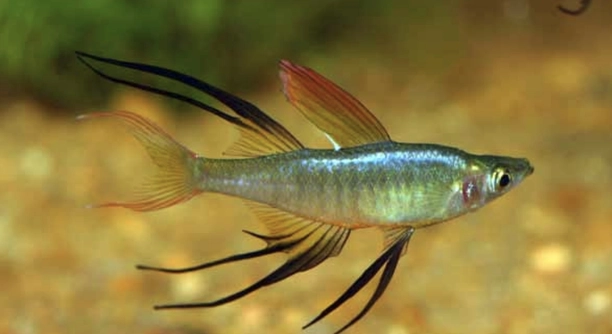
Threadfin Rainbowfish are colorful freshwater fish that brighten up aquariums. They are known for their peaceful nature and social behavior, often swimming in small groups and interacting gently with other fish in their environment.
Threadfin Rainbowfish exhibit noticeable behavioral changes at night. They become less active, reduce swimming in open areas, and often seek shelter among plants or decorations. This nocturnal shift is a natural response to light reduction and predation risk.
Observing their nighttime habits can reveal important insights into their natural instincts and overall well-being in a home aquarium.
Daytime Behavior of Threadfin Rainbowfish
During the day, Threadfin Rainbowfish are lively and active. They swim in small schools, often gliding near the middle and upper sections of the aquarium. Their bright colors appear more vivid under light, and they frequently interact with each other through gentle chasing and flicking movements. They feed eagerly during daylight, enjoying flake foods, small live insects, or micro-pellets. Swimming patterns are predictable, with frequent pauses near plants or decorations to explore their surroundings. They rarely hide during the day, except when startled or introduced to a new environment. Their social behavior is evident as they mirror each other’s movements, establishing a sense of security within the group. Observing these daytime habits helps understand their energy levels and health, as sudden changes may indicate stress, illness, or poor water conditions. Providing a structured environment with plants and open swimming areas supports natural activity. Their calm, coordinated swimming creates a peaceful, visually engaging aquarium display.
Daylight activity keeps them healthy and encourages natural behaviors, making their environment more stimulating and balanced.
Noticing these behaviors also helps track individual fish health and social dynamics, ensuring the school remains cohesive and comfortable in its tank.
Nighttime Adaptations
At night, Threadfin Rainbowfish significantly reduce activity and seek shelter.
They become quieter and less visible, retreating to plants, rocks, or corners of the tank. This behavior mimics natural nighttime habits in the wild, where hiding reduces the risk of predators. Movement slows considerably, with occasional shifts in position to maintain comfort or access oxygenated water. Even in low light, they remain aware of surroundings, reacting subtly to changes such as water movement or vibrations. Nighttime behavior also helps conserve energy for the following day, ensuring they remain healthy and alert. Aquarium lighting schedules can influence this rhythm, and sudden changes may disturb their sleep cycle. Providing shaded areas or dim lighting during evening hours encourages natural nocturnal patterns. Their nighttime adaptations are essential for reducing stress, promoting longevity, and maintaining overall well-being, making observation during these hours an insightful experience for monitoring fish health and tank environment.
These adjustments show how adaptable Threadfin Rainbowfish are, demonstrating instinctive strategies for safety and energy management.
Would you like me to continue with the next sections of the blog post following the same format?
Feeding Patterns at Night
Threadfin Rainbowfish eat less during the night. Their metabolism slows, and they usually ignore food unless it is very close or brightly visible.
Nighttime feeding is minimal compared to daytime. They often stay near shelters, and any offered food may be missed or left untouched. Overfeeding at night can lead to water quality issues, so observing their natural reduced appetite helps maintain a healthier aquarium. Their digestive system functions slower at night, making it unnecessary to feed them after lights go out. Understanding this pattern prevents unnecessary feeding and promotes their overall well-being, keeping their daily routine natural and stress-free.
Even when hungry, they rarely venture far from hiding spots. Any nocturnal feeding requires patience and careful placement to ensure all fish get a share. Watching them eat during low light can be subtle, as movements are small and careful. Their instinctive restraint at night helps conserve energy and mirrors survival strategies in the wild. Maintaining a consistent feeding schedule during the day reinforces these habits and supports their health.
Social Interaction at Night
Schooling behavior changes once the lights go off, and fish cluster closer together.
They remain aware of each other but reduce chasing and displays. Nighttime groups are more compact, often resting in shaded areas. This clustering provides comfort and security while minimizing movement, showing an instinctive approach to safety. Even subtle shifts in positioning help maintain personal space and prevent stress. Social interactions are calmer, with fewer disturbances, allowing the school to rest collectively while remaining alert to the environment.
The shift in social behavior at night helps protect them from potential threats and conserve energy. While daytime movement encourages exploration and displays, nighttime grouping prioritizes safety and rest. They use visual cues and minor water vibrations to coordinate silently, keeping the group cohesive without active swimming. Understanding this dynamic is essential for aquarium maintenance and observing natural fish behavior. Maintaining proper tank decor and hiding spots allows them to settle comfortably, reflecting their instinctive preference for protection during dark hours.
Lighting and Activity
Threadfin Rainbowfish activity decreases as light fades. Dim lighting or darkness encourages them to rest and hide among plants or decorations.
Sudden changes in lighting can stress them, causing frantic swimming or hiding. A gradual dimming routine supports natural behavior and reduces anxiety, helping them adjust smoothly to nighttime conditions.
Environmental Influence
Tank setup greatly affects their nighttime behavior. Plants, rocks, and shelters provide essential cover, allowing fish to feel secure while resting. Open spaces may cause hesitation, as fish prefer areas that mimic natural hiding spots. Proper water flow and consistent temperature also contribute to calmer nighttime behavior, reducing stress and promoting better sleep cycles for the entire school.
Observing Night Patterns
Watching them at night reveals subtle behaviors that are otherwise unnoticed during the day.
FAQ
Why do Threadfin Rainbowfish hide at night?
They hide naturally to feel safe and conserve energy. Darkness triggers instincts to avoid predators, even in a secure aquarium. Hiding among plants, rocks, or corners provides comfort and reduces stress. Observing them during this time helps ensure their tank environment meets these instinctive needs.
Do they eat at night?
Nighttime feeding is rare. Their metabolism slows, and they mostly ignore food unless it is very close or highly visible. Overfeeding at night can harm water quality, so it’s better to feed during daylight when they are more active and responsive.
Will they swim if the lights are off?
They may move slightly but rarely swim actively at night. Movements are usually short and cautious, often just adjusting positions for comfort or accessing oxygenated water. Active swimming mainly occurs during daylight hours when energy levels are higher.
How do tank decorations affect their nighttime behavior?
Plants, rocks, and hiding spaces encourage natural nighttime patterns. Open, barren tanks may make them feel exposed and stressed. Proper shelter allows them to rest safely, replicate their natural environment, and reduce anxiety while maintaining social cohesion.
Can sudden lights disturb them at night?
Yes, abrupt changes in lighting can cause stress and frantic movements. Gradual dimming at night mimics sunset, helping them settle naturally. Using a timer for aquarium lights ensures consistency and maintains healthy sleep cycles for the fish.
Do they interact with each other at night?
Social behavior decreases, but they often cluster together for safety. Minor movements and subtle cues keep the school cohesive without active chasing or displays. Nighttime grouping conserves energy and promotes a sense of security.
How can I tell if my fish are stressed at night?
Signs of stress include frantic swimming, hiding excessively, or staying near the tank’s surface or bottom. Monitoring water quality, lighting, and tank setup helps reduce stress. Consistent observation ensures their nighttime environment is safe and comfortable.
Is nighttime behavior different in new aquariums?
Yes, new tanks can make them more cautious. Fish may hide more often or show reduced activity until they adjust. Gradually adding decor, maintaining water quality, and keeping consistent lighting supports acclimation and normal nighttime behavior.
Do all Threadfin Rainbowfish behave the same at night?
Individual personalities vary. Some may explore more or hide less, while others are extremely cautious. Group dynamics, tank size, and environment influence behavior, so observing each fish helps understand their unique patterns.
Should I feed them if they don’t eat at night?
Feeding at night is unnecessary. Offering food during the day meets nutritional needs. Nighttime feeding can lead to leftover food, affecting water quality and increasing the risk of disease. Observing their natural patterns is key for proper care.
Can lighting schedules change their behavior?
Yes, consistent lighting helps regulate activity. Sudden changes can disturb sleep patterns and increase stress. Mimicking natural day-night cycles with timers supports healthy behavior and predictable routines for the school.
How long do they rest at night?
Rest periods vary but usually match the dark hours of the aquarium. Providing a quiet, low-light environment allows them to maintain natural sleep rhythms, recover energy, and prepare for active daytime behavior.
Do they respond to sounds at night?
While less active, they can still detect vibrations and sudden movements in the water. Gentle, consistent tank conditions reduce unnecessary stress and help maintain calm nighttime behavior.
Is nighttime behavior important for their health?
Yes, resting at night conserves energy, supports digestion, and reduces stress. Proper sleep contributes to overall vitality, brighter colors, and balanced social interactions during the day. Maintaining a natural environment encourages these behaviors and ensures long-term health.
Can I observe them without disturbing their night routine?
Using dim red or blue lighting allows quiet observation without triggering stress. Avoid tapping or sudden movements near the tank. Subtle observation helps monitor health while respecting their natural nighttime patterns.
Do temperature changes affect nighttime behavior?
Yes, sudden drops or rises can increase activity or stress. Consistent water temperature supports normal rest, stable metabolism, and natural energy conservation during dark periods. Proper heaters and thermometers ensure a steady environment.
Will tank mates affect their nighttime habits?
Other peaceful fish usually do not disturb them, but aggressive or larger species can increase hiding behavior. Compatible tank mates help maintain calm nighttime patterns and reduce unnecessary stress.
Are nighttime behaviors the same in larger tanks?
Larger tanks provide more space and hiding options. Fish may spread out more but still cluster in secure areas. Tank size influences movement patterns, rest locations, and social interactions at night.
Do they ever swim actively at night in the wild?
In natural habitats, activity is mostly limited at night to avoid predators. Occasional movement may occur to find oxygen-rich water or food, but generally, energy conservation dominates nighttime behavior.
How can I improve nighttime comfort for my fish?
Adding plants, rocks, or shelters creates secure resting spaces. Maintaining consistent lighting and water conditions promotes natural behavior. Minimal disturbance during dark hours helps them settle comfortably and ensures a healthy, stress-free environment.
Is monitoring nighttime behavior necessary?
Yes, it provides insight into health, stress levels, and tank conditions. Noticing unusual behavior can prevent problems before they escalate. Observing quietly allows care adjustments while respecting natural instincts.
Do Threadfin Rainbowfish ever change their patterns over time?
Patterns can adjust with age, tank conditions, or social dynamics. They may explore more or hide less as they become familiar with their environment. Observing these changes helps ensure ongoing comfort and health.
Can feeding schedules influence nighttime habits?
Consistent daytime feeding reinforces natural rhythms. Irregular feeding may increase nighttime activity or searching behavior, disrupting rest and increasing stress. Following a steady schedule supports predictable energy use and proper metabolism.
Do they need complete darkness to rest?
Partial dim lighting is sufficient, but complete darkness mimics natural conditions best. Minimal disturbance allows deeper rest, maintaining energy levels and supporting natural circadian rhythms.
How long does it take for them to adapt to a new tank at night?
Adaptation varies but typically takes several days to a week. Providing hiding spots, consistent lighting, and stable water conditions helps them settle quickly and maintain normal nighttime routines.
Will they ever ignore hiding spots at night?
Some may explore cautiously, especially if the tank is well-structured and they feel secure. Individual personality and comfort level determine how much they use shelters during dark hours.
Can observing them improve aquarium care?
Yes, watching nighttime behavior informs adjustments to lighting, feeding, and tank layout. Noticing stress signs or abnormal activity ensures a safe, healthy environment and enhances overall fish well-being.
Do nocturnal habits vary by season?
In home aquariums, seasonal changes have minimal impact if lighting and temperature are consistent. In natural habitats, daylight duration affects activity patterns, but consistent tank care maintains stable behavior year-round.
Can nighttime activity indicate illness?
Unusual restlessness, excessive hiding, or erratic swimming can signal stress or disease. Monitoring nighttime behavior helps identify problems early, allowing prompt intervention to maintain health.
Do they interact with humans at night?
Interaction is limited. They may notice movement or vibrations, but they are generally less responsive. Respecting quiet hours ensures natural rest and reduces stress while observing from a distance.
Is it normal for some fish to be more active than others at night?
Yes, individual temperament affects activity. Some may explore lightly, while others stay hidden. Understanding these differences helps monitor health and provides insight into personality variations within the school.
Can lighting color affect their nighttime behavior?
Red or blue dim lighting is less disruptive, allowing observation without triggering stress. Bright white lights can startle fish and disturb rest cycles, making subtle lighting the preferred choice for night viewing.
Does tank size affect nighttime grouping?
Yes, smaller tanks encourage closer clustering, while larger tanks allow more spread. Regardless of size, fish maintain secure areas and cluster for comfort and safety, adjusting spacing naturally.
Should I change tank setup based on nighttime behavior?
If fish show stress, excessive hiding, or restless movement, adjusting plants, rocks, or hiding spots can improve comfort. Observing nighttime behavior provides practical guidance for optimizing the tank environment.
Do older fish behave differently at night?
Older fish may rest longer and move less. Aging can influence energy levels, hiding preferences, and social interactions, reflecting natural changes over their lifespan.
Is nighttime behavior predictable?
Mostly, yes. Fish follow light cycles, social dynamics, and environmental cues. Consistent tank conditions make behavior more predictable, helping with care and monitoring.
Do they ever sleep in open areas at night?
Occasionally, if they feel secure and the tank is calm. Most prefer shelter, but confident fish may rest in exposed sections while staying alert.
Can nighttime stress affect daytime behavior?
Yes, inadequate rest or stress at night can reduce daytime activity, affect feeding, and cause aggression or lethargy. Ensuring proper nighttime conditions supports healthy daytime behavior.
Is observing nighttime schooling important?
Yes, it shows how the group adapts, maintains cohesion, and responds to environmental changes. Nighttime observation provides insight into natural instincts and social health.
Do they change hiding spots often at night?
They may shift positions slightly but usually remain in the same general area. Minor adjustments allow comfort and access to oxygenated water without exposing themselves to perceived threats.
Are there signs of discomfort during nighttime?
Excessive surface swimming, frequent darting, or refusal to settle indicates stress or unsuitable tank conditions. Adjusting lighting, water quality, or shelter placement can improve comfort.
Can nighttime monitoring prevent health issues?
Yes, observing subtle behaviors early helps detect illness, stress, or environmental problems, allowing timely intervention and supporting long-term health.
Do Threadfin Rainbowfish have a set sleep schedule?
They follow the aquarium’s light cycle, becoming less active at night and more active during the day. Consistent routines reinforce natural rhythms, energy conservation, and healthy social patterns.
How do I encourage natural night behavior?
Provide shelters, maintain consistent lighting, keep water stable, and avoid disturbances. Observing quietly ensures they feel secure and settle into natural patterns comfortably.
Do they react to human presence at night?
Reactions are minimal. Gentle movements may be noticed, but most remain in hiding. Avoid tapping or sudden motions to protect their rest and reduce stress.
Is reduced nighttime activity normal?
Yes, decreased swimming, minimal feeding, and clustering in shelters are natural behaviors, reflecting instincts to conserve energy and stay safe during dark hours.
Can environmental changes disrupt nighttime routines?
Yes, sudden water changes, temperature shifts, or new decorations can alter behavior. Gradual adjustments help them adapt without stress.
Do they have distinct sleeping positions?
They often rest near plants, rocks, or tank corners, slightly upright or angled. Positions vary individually but generally maximize safety and comfort.
How long should I observe them at night?
Short, quiet observation is enough. Extended disturbance can stress fish. Focus on patterns rather than constant monitoring.
Will nighttime behavior change with more tank mates?
Additional peaceful fish may slightly alter grouping, but aggressive species can increase hiding. Monitoring interaction ensures all fish remain calm.
Do they ever rest mid-water at night?
Rarely. Most prefer sheltered or lower regions. Mid-water resting occurs only if they feel very secure and the environment is calm.
Can water flow affect night activity?
Yes, strong currents may disturb rest. Gentle, consistent flow supports calm nighttime behavior and natural energy conservation.
Are nocturnal movements predictable?
Mostly subtle and slow. Fish adjust positions or cluster without significant activity. Patterns remain consistent if environment and social dynamics are stable.
Do they require different nighttime care than other fish?
Not significantly, but ensuring proper lighting, hiding spots, and stable water conditions helps them maintain natural nocturnal patterns and reduces stress effectively.
Can observing night behavior improve daytime care?
Yes, noticing rest quality, hiding preference, and stress signs allows adjustments to feeding, lighting, and tank setup, supporting healthier, more active daytime behavior.
Do they ever feed at night in emergencies?
Only in rare cases if very hungry or if food is easily accessible. Routine nighttime feeding is unnecessary and may affect water quality.
Does nighttime behavior indicate overall health?
Yes, consistent rest, calm movements, and normal hiding patterns reflect good health, while deviations may signal stress, illness, or unsuitable tank conditions.
Is it normal for some fish to remain highly hidden at night?
Yes, individual temperament varies. Some are cautious and rarely emerge, while others explore minimally. Observing all fish helps gauge comfort and environmental adequacy.
Do they need complete darkness for natural behavior?
Complete darkness is ideal but dim lighting also works. Minimal disturbance allows instinctive rest, energy conservation, and safer nighttime routines.
Can nighttime interactions with other species cause stress?
Yes, aggressive or large tank mates may increase hiding and reduce rest. Compatible species help maintain calm nighttime behavior.
Do lighting cycles need to match natural day length?
Matching natural day-night cycles helps maintain predictable activity and rest patterns. Timers ensure consistency, supporting healthy behavior and metabolism.
Will older fish rest more than younger ones?
Yes, aging often reduces activity. Older fish may prefer longer rest periods and stay in shelters, reflecting natural energy conservation changes.
Is nighttime behavior consistent across tanks?
Behavior is generally predictable, but tank size, decor, lighting, and social structure influence patterns. Observation ensures environmental adjustments meet their needs.
How can I tell if their nighttime environment is suitable?
Calm, clustered schooling, minimal stress signals, and consistent rest indicate a good setup. Disturbances or unusual movement suggest adjustments are needed.
Do they ever interact with plants at night?
Yes, fish may nudge or rest among plants. This interaction provides comfort, security, and mimics natural resting behavior in wild habitats.
Is nighttime observation stressful for fish?
If done carefully with dim light and minimal movement, observation is non-intrusive. Excessive light or disturbance can cause stress and disrupt natural patterns.
Do nocturnal patterns change with feeding schedules?
Regular daytime feeding reinforces daytime activity and nighttime rest. Inconsistent feeding may increase nighttime searching or agitation, disrupting natural rhythms.
Can nighttime behavior predict temperament?
Yes, more active or exploratory fish at night may be bolder, while cautious fish remain hidden. Observing behavior helps understand individual personalities.
Do they ever leave shelters at night?
Occasionally, especially if confident or minimally disturbed. Most remain in secure areas, balancing exploration with safety instincts.
Does water temperature influence rest quality?
Yes, stable, appropriate temperatures promote calm rest, energy conservation, and healthy metabolism. Sudden fluctuations can disrupt nighttime routines.
Are subtle movements at night normal?
Yes, slight adjustments for comfort, position, or oxygen access are natural. Sudden, frantic movements indicate stress or environmental issues.
Do they respond to vibrations or sounds at night?
Yes, they remain sensitive to sudden disturbances. Quiet surroundings help maintain rest and reduce stress, supporting natural nighttime behavior.
How long does it take for fish to adapt to a new tank at night?
Typically several days to a week. Gradual acclimation, stable water, and secure hiding spots help them establish normal nighttime behavior.
Will their nighttime routine change with new decorations?
Yes, additional plants or shelters may alter hiding spots and grouping. Gradual changes allow adaptation without stress.
Do they ever sleep near the surface?
Rarely. They prefer lower areas or cover, though confident fish may rest mid-water or near the surface if the tank is calm.
Is nighttime schooling behavior consistent?
Generally yes. Fish cluster for security, adjust positions subtly, and maintain cohesion without active swimming. Changes usually indicate stress or environmental issues.
Can nighttime patterns reveal social hierarchy?
Subtle positioning and preferred shelter locations may reflect hierarchy or comfort levels within the school. Observing these patterns informs tank management.
Do they ever explore at night?
Occasionally, but movements are slow and cautious. Exploration is minimal compared to daytime activity, focused on comfort or minor adjustments within their shelter area.
Can nighttime monitoring help prevent disease?
Yes, observing rest patterns, clustering, and unusual movements allows early detection of illness or stress, enabling timely intervention.
Are nighttime patterns influenced by aquarium size?
Yes, larger tanks offer more hiding options, spreading fish out, while smaller tanks encourage clustering. Behavior adapts to available space.
Do they ever remain completely still at night?
Yes, complete stillness is normal, especially in secure areas. Minor adjustments may occur, but prolonged rest indicates comfort and safety.
Does social stress affect nighttime behavior?
Aggression or overcrowding increases hiding, reduces rest, and alters clustering. Proper tank setup minimizes stress and maintains natural patterns.
Will nighttime behavior affect daytime activity?
Yes, poor rest or stress at night can lead to lethargy, reduced feeding, or aggression during the day. Healthy rest supports vibrant daytime behavior.
Do they react differently to artificial versus natural light at night?
Artificial dim lighting mimics natural conditions sufficiently. Bright or sudden artificial light may cause stress, while gradual dimming supports normal patterns.
Is nighttime behavior essential for breeding?
Rest and energy conservation at night are critical. Proper nighttime routines support reproductive health and overall vitality, influencing breeding success.
Can observation improve long-term care?
Yes, understanding nighttime habits guides feeding, lighting, and tank management, ensuring healthier fish and a more balanced aquarium environment.
Do all fish sleep at the same time?
Most do, following light cycles, but some variation exists. Individual temperament or position in the school may slightly shift timing.
How do I balance observation with minimal disturbance?
Use dim lighting, move slowly, and observe quietly. Avoid tapping, sudden movements, or bright lights to maintain natural rest.
Will nighttime stress impact color and health?
Yes, chronic stress can dull colors, reduce appetite, and affect immune response. Proper nighttime care ensures vibrant, healthy fish.
Do they respond to water changes at night?
Yes, sudden water changes can startle them. Performing maintenance during the day prevents disruption of rest patterns.
Can multiple species in the same tank alter nighttime routines?
Yes, peaceful species may have little impact, while aggressive or fast-moving fish increase hiding and stress, affecting rest.
Are nighttime behaviors predictable after acclimation?
Generally yes, if lighting, temperature, and environment are stable. Fish settle into consistent patterns once comfortable.
Do they ever change sleep locations frequently?
Minor adjustments occur for comfort, but major shifts are uncommon unless the tank environment changes or stress is present.
Can observing them improve feeding schedules?
Yes, seeing nighttime inactivity confirms daytime feeding suffices and prevents unnecessary nighttime feeding that could harm water quality.
Do they prefer dense or sparse shelters?
Final Thoughts
Threadfin Rainbowfish display a wide range of behaviors that are easily noticeable when observed carefully. Their daytime activity is lively, with frequent swimming, interaction, and exploration of their environment. Colors appear more vivid under proper lighting, and feeding is consistent and enthusiastic. These behaviors reflect their natural instincts and provide insight into their overall health and well-being. By understanding how they act during the day, it becomes easier to create an environment that supports their activity, energy, and social interactions. Structured tank setups, including plants, rocks, and open swimming areas, are essential to maintaining their natural behavior while reducing stress. Observing their energy levels and social patterns also helps identify potential issues early, whether related to health, water quality, or social dynamics within the school. Maintaining consistent feeding routines and proper lighting ensures that they remain active, healthy, and vibrant during daylight hours.
At night, their behavior changes noticeably. Activity slows, and fish seek shelter in plants, rocks, or other hiding spots. This shift is instinctive, mimicking their natural habits in the wild where darkness reduces the risk of predation. Nighttime is a period of rest and energy conservation, essential for maintaining good health and vitality. Reduced feeding, slower swimming, and clustering in secure areas are all normal behaviors. Proper lighting schedules and tank arrangements can enhance these natural patterns. Sudden changes in light, temperature, or tank structure can cause stress, while a stable and predictable environment supports calm nocturnal behavior. Observing nighttime habits provides valuable information about comfort, security, and social cohesion among the fish. Paying attention to how each fish responds individually allows for adjustments that improve their overall environment and well-being. These behaviors highlight the importance of considering both daytime and nighttime needs when managing a home aquarium.
Caring for Threadfin Rainbowfish requires attention to detail, but the rewards are clear. By providing an environment that accommodates both active daytime behavior and restful nighttime routines, fish can thrive and display their full range of natural behaviors. Understanding the differences in their activity patterns throughout the day helps with feeding, lighting, tank layout, and social management. Structured observation, careful maintenance, and a consistent routine support their health, reduce stress, and encourage natural behaviors. Balancing active periods with proper rest promotes longevity, vibrant coloration, and stronger social bonds within the school. Paying attention to subtle cues during both day and night ensures that these fish live comfortably and harmoniously in a home aquarium. Ultimately, observing and adapting to their needs fosters a stable, healthy environment where Threadfin Rainbowfish can flourish while providing a visually engaging and enjoyable experience for anyone caring for them.

Hello,
If you enjoy the content that we create, please consider saying a "Thank You!" by leaving a tip.
Every little bit helps us continue crafting quality advice that supports the health, happiness, and well-being of pets around the world, for pets of all shapes, sizes, and species.
We really appreciate the kindness and support that you show us!