
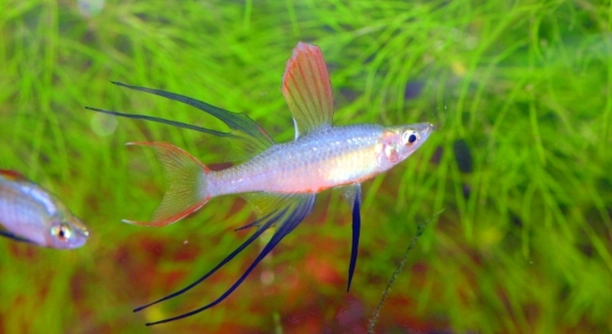
Threadfin rainbowfish are peaceful, active fish that thrive in well-maintained community tanks. Choosing the wrong companions or creating a stressful environment can lead to health issues and behavioral problems, affecting their overall well-being and lifespan.
Common tankmate mistakes that stress threadfin rainbowfish include overcrowding, aggressive companions, incompatible water parameters, sudden temperature changes, poor feeding habits, territorial conflicts, and insufficient hiding spots. Each factor can trigger chronic stress, reduce immunity, and impact the fish’s natural behavior and social interactions.
Understanding these mistakes is key to creating a harmonious aquarium where your rainbowfish can thrive. Proper care ensures a healthier, more vibrant aquatic environment for everyone.
Overcrowding the Tank
Overcrowding is one of the most common issues that can cause stress in threadfin rainbowfish. These fish are active swimmers and need ample space to move freely. When too many fish are placed in a tank, it leads to increased competition for oxygen, food, and hiding spots. Stress levels rise quickly in such conditions, weakening their immune system and making them more susceptible to disease. Observing natural behavior becomes difficult, as aggression and darting behavior increase. Overcrowding can also lead to poor water quality because waste accumulates faster than the filtration system can handle. Regular monitoring of fish numbers, tank size, and filtration efficiency is essential. Even if the tank looks full and lively, it might be too crowded for the fish to thrive. Providing a balanced number of tankmates and maintaining proper water parameters ensures a healthier and calmer environment for threadfin rainbowfish. Space and comfort directly impact their long-term health and activity levels.
Overcrowding reduces oxygen availability and increases stress. Fish become more aggressive and vulnerable to disease. Adequate space is essential.
Maintaining a moderate population allows rainbowfish to swim freely, find food without competition, and hide when needed. A spacious tank promotes calm behavior and reduces incidents of chasing or bullying. It also helps the filtration system maintain stable water quality, preventing spikes in ammonia or nitrites. Observing the fish’s natural schooling patterns becomes easier, and their colors remain vibrant. Proper planning of tank size and stocking levels is crucial for their overall well-being. By avoiding overcrowding, threadfin rainbowfish enjoy a more stable, less stressful environment that supports their health and social interactions. This simple adjustment can make a significant difference in keeping them active, healthy, and visually striking in your aquarium.
Aggressive Tankmates
Aggressive tankmates can intimidate threadfin rainbowfish and lead to constant stress. Even larger or faster fish may harass them.
Selecting compatible species reduces stress and ensures harmonious interactions. Peaceful, similarly sized fish are ideal companions.
Aggressive species can disrupt feeding, chase rainbowfish from hiding spots, and interfere with their natural schooling behavior. Constant harassment elevates stress hormones, weakening immunity and increasing susceptibility to illness. Observing interactions early is key, as even seemingly minor aggression can escalate over time. Introducing new fish gradually and monitoring behavior allows for corrective action if problems arise. By carefully selecting tankmates, the aquarium becomes a safer and more comfortable environment for threadfin rainbowfish, allowing them to swim freely, feed properly, and maintain their health and bright colors without fear of attacks.
Incompatible Water Parameters
Threadfin rainbowfish are sensitive to sudden changes in pH, hardness, or temperature. Even small fluctuations can trigger stress, reduce appetite, and increase vulnerability to disease. Stable conditions are essential for their health and overall well-being.
Maintaining consistent water parameters helps rainbowfish remain active and healthy. Rapid changes in temperature or pH can cause shock, leading to lethargy or erratic swimming. Regular testing and gradual adjustments prevent stress. Using a reliable heater, water conditioner, and filtration system ensures the environment stays within optimal ranges, supporting natural behavior and vibrant coloration. Monitoring water hardness and temperature weekly keeps the tank stable. Keeping parameters consistent mimics their natural habitat, allowing them to thrive without constant adaptation to stressors, ensuring long-term health and peaceful schooling behavior.
Regular water checks, slow adjustments, and proper filtration prevent stress and maintain a stable, healthy tank environment. Consistency is key.
Poor Feeding Habits
Feeding too much or too little can negatively affect threadfin rainbowfish. Uneaten food pollutes the tank, while underfeeding weakens fish. Balanced, timed feeding is essential.
Overfeeding leads to excess waste, clouded water, and higher ammonia levels, all of which stress rainbowfish. Conversely, underfeeding deprives them of essential nutrients, impacting growth, color, and immune response. Providing small portions two to three times daily encourages natural foraging behavior. High-quality flakes, pellets, or live food supply proper nutrition without overloading the tank. Observing feeding behavior ensures all fish eat adequately, preventing competition and malnutrition. Regular removal of uneaten food maintains water quality, supporting a calm environment. Thoughtful feeding keeps rainbowfish healthy, active, and vibrant while minimizing stress caused by poor nutrition or water contamination.
Sudden Temperature Changes
Rapid shifts in water temperature can shock threadfin rainbowfish, causing stress and weakened immunity. Consistent temperature control is vital to prevent illness and maintain normal activity levels in the tank.
Using a reliable heater and monitoring water closely prevents sudden fluctuations. Gradual adjustments ensure the fish remain healthy, calm, and active without the negative effects of temperature stress.
Territorial Conflicts
Threadfin rainbowfish are social but can be stressed by overly territorial tankmates. Aggressive claiming of space disrupts schooling behavior and reduces comfort in the tank. Careful observation and separating aggressive individuals help maintain harmony.
Insufficient Hiding Spots
Lack of hiding spaces leaves threadfin rainbowfish feeling exposed and vulnerable. Plants, decorations, and caves give them refuge, reduce stress, and support natural behaviors.
FAQ
How can I tell if my threadfin rainbowfish is stressed?
Signs of stress include rapid breathing, clamped fins, erratic swimming, hiding excessively, or loss of appetite. Stress may also cause faded colors or unusual aggression toward tankmates. Observing daily behavior closely helps identify early signs, allowing you to address the cause before serious health issues arise.
What are the best tankmates for threadfin rainbowfish?
Peaceful, similarly sized fish are ideal. Avoid aggressive or overly large species that may chase or bully rainbowfish. Small schooling fish like danios or peaceful tetras can coexist well. Ensuring compatible water requirements for all species helps maintain harmony and reduces stress in the tank.
How often should I check water parameters?
Weekly testing of temperature, pH, hardness, ammonia, nitrites, and nitrates is recommended. Consistent monitoring prevents sudden changes that stress fish. Using reliable test kits and keeping a record of results helps spot trends, allowing adjustments before they negatively impact rainbowfish health.
What is the proper feeding routine for threadfin rainbowfish?
Feed small portions two to three times daily. Overfeeding leads to excess waste and poor water quality, while underfeeding weakens fish. Offer a variety of high-quality flakes, pellets, or occasional live food to maintain balanced nutrition, vibrant colors, and active behavior.
How can I reduce territorial disputes?
Provide ample space and hiding spots. Avoid overcrowding and separate aggressive fish if conflicts persist. Arranging plants, rocks, or decorations strategically creates boundaries and reduces direct confrontation. Observing interactions and acting early prevents prolonged stress.
How important are hiding spots in the tank?
Hiding spots give rainbowfish a sense of security. Plants, caves, or decorations allow retreat when stressed, supporting natural schooling behavior. Insufficient cover increases anxiety, making fish more vulnerable to disease and aggressive tankmates. Including varied hiding areas improves overall tank harmony.
Can sudden temperature changes harm my rainbowfish?
Yes. Sudden shifts can shock fish, leading to stress, weakened immunity, and potential illness. Using a stable heater, monitoring temperature closely, and making gradual adjustments ensures a safe environment that maintains normal activity and feeding patterns.
How do I prevent overcrowding?
Plan tank size and stocking levels carefully. Threadfin rainbowfish need room to swim freely and school naturally. Overcrowding increases aggression, reduces oxygen, and degrades water quality. Maintaining moderate populations supports health, reduces stress, and allows observation of natural behavior.
What should I do if water quality drops?
Perform partial water changes immediately, remove uneaten food, and check filtration. Testing parameters identifies the problem and prevents prolonged stress. Consistent maintenance and monitoring are essential to avoid repeated issues that negatively affect rainbowfish health.
How can I encourage natural schooling behavior?
Keep rainbowfish in groups of at least six. Adequate space, calm tankmates, and consistent feeding routines encourage synchronized swimming and reduce stress. Observing behavior helps ensure all fish feel secure and comfortable within the school.
Is it necessary to quarantine new fish?
Yes. Quarantining new arrivals for two to three weeks prevents introducing disease or parasites that can stress existing rainbowfish. Monitor for signs of illness and treat before adding fish to the main tank. This protects the health and stability of your aquatic community.
How do I maintain vibrant colors in threadfin rainbowfish?
Provide balanced nutrition, stable water conditions, and minimal stress. High-quality food and a calm environment support coloration. Overcrowding, poor water quality, or aggressive tankmates can dull colors. Regular care ensures rainbowfish remain bright, active, and healthy.
Can stress affect reproduction?
Yes. Stressed rainbowfish may stop breeding or produce weak eggs. Stable water conditions, appropriate tankmates, and minimal disturbances are critical. Providing proper hiding spaces and nutrition supports natural breeding behavior and the health of offspring.
How often should I clean the tank?
Partial water changes weekly or biweekly help maintain water quality. Avoid complete cleaning, which can disrupt beneficial bacteria. Remove debris, vacuum substrate, and rinse filters as needed to prevent stress caused by poor water conditions.
What role does lighting play in reducing stress?
Consistent, moderate lighting helps regulate behavior and supports natural activity patterns. Avoid sudden bright lights or long periods of darkness. Plants and decorations can provide shaded areas, giving rainbowfish places to rest and feel secure, reducing anxiety and improving overall well-being.
How do I handle aggressive fish in the tank?
Observe behavior and separate aggressive individuals if necessary. Rearrange decorations to reduce direct confrontations. Choosing peaceful tankmates and avoiding overcrowding minimizes conflicts, helping rainbowfish feel secure, maintain normal behavior, and prevent chronic stress.
Are live plants better than artificial ones for stress reduction?
Live plants provide natural hiding spots, improve water quality, and create a familiar environment. While artificial plants offer cover, live plants contribute additional oxygen and biological filtration, supporting healthier, calmer rainbowfish. A mix of both can work effectively.
How can I identify early signs of illness caused by stress?
Look for faded colors, clamped fins, loss of appetite, unusual swimming, or lethargy. Early detection allows prompt treatment and adjustments to tank conditions, preventing progression of disease and long-term health problems.
Does tank size influence stress levels?
Yes. Adequate tank space allows swimming, schooling, and retreat when needed. Smaller tanks increase competition for food and oxygen, elevate aggression, and amplify water quality problems. Correct sizing is essential for a stable, low-stress environment.
What is the ideal group size for threadfin rainbowfish?
Groups of six to ten are recommended. Sufficient numbers promote natural schooling, reduce isolation stress, and allow fish to interact safely. Too few may cause anxiety, while too many can lead to overcrowding, water quality issues, and increased aggression.
How do I manage stress after adding new fish?
Introduce newcomers gradually and monitor interactions. Provide extra hiding spots and observe behavior closely. Maintaining stable water conditions and minimizing disturbances helps rainbowfish adapt without prolonged stress.
Can stress cause long-term health issues?
Yes. Chronic stress weakens immunity, dulls colors, reduces growth, and can lead to disease or early mortality. Preventing stress through proper tank management, compatible tankmates, and consistent care ensures rainbowfish live a healthy, active life.
How often should I observe my rainbowfish?
Daily observation is recommended. Watching behavior, feeding patterns, and interactions helps detect early stress or illness. Prompt response to changes in activity or health supports long-term well-being and prevents minor issues from becoming serious problems.
What role does water movement play in stress levels?
Moderate water flow mimics natural conditions. Strong currents can exhaust rainbowfish, while stagnant water reduces oxygen levels. Balanced circulation supports healthy swimming, reduces stress, and maintains water quality, contributing to a stable tank environment.
How can I ensure all fish get food without stress?
Feed small amounts multiple times daily, distribute food evenly, and observe consumption. This prevents competition and ensures weaker or shy rainbowfish receive adequate nutrition. Proper feeding routines maintain health, minimize aggression, and reduce anxiety in the tank.
Is it necessary to adjust water parameters for different seasons?
Yes. Seasonal changes in room temperature can affect tank water. Gradual adjustments and careful monitoring maintain stable conditions, preventing stress caused by sudden fluctuations in temperature or water chemistry.
Final Thoughts
Caring for threadfin rainbowfish requires attention to both their physical environment and social dynamics. These fish are naturally active and social, and their well-being depends on stable conditions and compatible tankmates. Overcrowding, aggressive companions, sudden temperature changes, and incompatible water parameters are all factors that can cause stress. Stress is not always immediately visible, but it can impact their appetite, color, immunity, and overall behavior. Monitoring your aquarium regularly and observing the fish closely is essential to maintain their health. Paying attention to their interactions, swimming patterns, and feeding habits provides valuable insight into their comfort level and helps identify potential problems before they become serious. By addressing issues early, you can prevent stress-related illnesses and create a calmer environment for your rainbowfish.
Providing proper nutrition and maintaining water quality are two of the most important aspects of keeping rainbowfish healthy. Overfeeding can pollute the water, while underfeeding can weaken fish and reduce their vibrancy. Balanced feeding schedules, along with high-quality food, support growth, immune function, and coloration. Regular partial water changes, along with careful monitoring of temperature, pH, and hardness, help prevent sudden fluctuations that can stress fish. Including hiding spots such as plants, rocks, or caves allows fish to feel secure and retreat when needed. A stable, predictable environment reduces anxiety and encourages natural schooling behavior. Observing the tank daily ensures that water quality remains consistent, all fish are eating properly, and no conflicts arise between tankmates. Consistency and routine are key to maintaining a healthy aquarium where rainbowfish can thrive.
Finally, understanding the behavior and needs of threadfin rainbowfish allows you to anticipate potential problems and act before they escalate. Choosing compatible tankmates, maintaining sufficient space, and avoiding sudden environmental changes all contribute to a stress-free habitat. Even small adjustments, like adding extra hiding spots or carefully regulating water temperature, can make a significant difference in the fish’s comfort and health. While caring for rainbowfish requires attention and effort, the rewards are clear. Healthy, active, and vibrant fish bring life and movement to an aquarium, and their behavior is a reflection of the care they receive. By focusing on creating a balanced, stable environment, you ensure that your threadfin rainbowfish enjoy a peaceful, enriched habitat, minimizing stress and supporting their long-term well-being.

Hello,
If you enjoy the content that we create, please consider saying a "Thank You!" by leaving a tip.
Every little bit helps us continue crafting quality advice that supports the health, happiness, and well-being of pets around the world, for pets of all shapes, sizes, and species.
We really appreciate the kindness and support that you show us!