
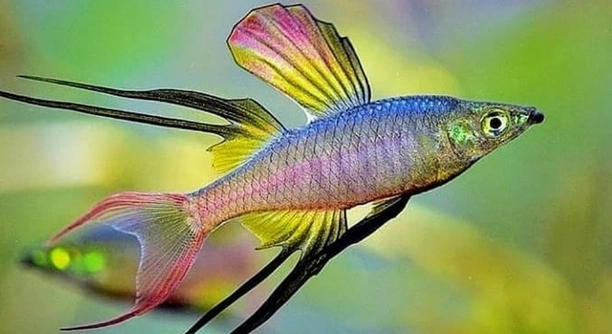
Have you ever watched your threadfins glide through the water and wondered how they manage to maintain their own space within the tank?
Threadfins establish space through consistent behavioral patterns such as fin displays, chasing, and controlled swimming routes. These actions serve as territorial signals, helping them reduce conflict and maintain peaceful coexistence within shared aquatic environments.
Learning about these behaviors helps create a more balanced aquarium and supports the natural habits that keep threadfins calm and thriving.
Displaying Fins to Communicate
Threadfins often use their fins as signals to express dominance or maintain personal space. When they spread their fins wide, it’s not just for display—it’s a method of communication. These movements can indicate ownership of an area or act as a warning to other fish. In shared tanks, this behavior keeps interactions structured, allowing each fish to recognize boundaries. Observing these subtle fin gestures can help identify social dynamics and potential tension within the group. By understanding these signals, aquarists can better manage tank conditions and ensure peaceful coexistence among threadfins and other species.
Consistent fin displays are a natural way for threadfins to avoid unnecessary conflict. They allow communication without aggression, making these gestures essential for maintaining harmony in shared aquatic spaces.
Recognizing and respecting these visual cues can also help aquarists adjust lighting, tank arrangement, and fish pairings to support balanced and stress-free behavior among threadfins.
Controlled Movement Patterns
Threadfins rely on swimming patterns to define their space. These patterns often develop around feeding zones, hiding areas, or open swimming spaces. Observing their routes helps identify which fish dominate certain territories and which prefer to keep distance.
Their movement is deliberate and structured, showing how they claim space without resorting to aggression. Threadfins often use slow, graceful movements to display confidence, while quick dashes or erratic swimming signal agitation or encroachment. Maintaining enough room in the aquarium prevents overlap in their movement zones, reducing stress and competition. Balanced tank design—featuring clear paths, gentle currents, and visual barriers—helps each fish maintain a comfortable range. Threadfins thrive when their movement is respected, and their need for personal space is understood. By managing their environment thoughtfully, aquarists encourage these natural behaviors, ensuring each threadfin feels secure while maintaining a calm, harmonious tank environment.
Chasing as a Territorial Behavior
Chasing among threadfins is not always aggression. It’s often a controlled behavior used to remind others of spatial boundaries. Short, harmless chases help reinforce social order and prevent overcrowding in specific tank zones.
When threadfins chase, it’s usually brief and directed. These chases act as a communication method to show dominance or discourage intrusion. Unlike aggressive species, threadfins rarely injure each other during this behavior. Instead, they rely on quick pursuits to express boundaries. Providing enough swimming space and hiding spots reduces unnecessary chasing and promotes balance within the group. Observing these interactions helps identify dominant fish and monitor stress levels, especially when new threadfins are introduced to the tank.
Consistent but nonviolent chasing is part of their natural structure. It helps them organize space and maintain calmness among tankmates. When the aquarium is properly arranged, chasing becomes a harmless signal rather than a stress factor.
Establishing Feeding Hierarchies
During feeding, threadfins show structured behavior that determines access to food. Dominant individuals often take the first bites, while others wait nearby. This system helps maintain order and ensures each fish understands its position within the group.
Feeding behavior provides insight into how threadfins manage resources and territory. Aggression during feeding can be minimized by spreading food evenly and using slow-sinking pellets that reach different tank levels. This prevents crowding and allows smaller or more submissive threadfins to eat comfortably. Observing who feeds first and who waits helps identify social ranks and potential conflicts. Proper feeding schedules and balanced diets also play a role in reducing tension. Threadfins thrive when they can eat calmly, without competition or stress. Understanding these subtle feeding hierarchies ensures that every fish receives adequate nutrition while preserving a peaceful environment in the tank.
Using Color Changes to Signal Mood
Threadfins often change color slightly to express mood or dominance. Brighter tones appear when they feel confident, while duller shades may show submission or stress. These subtle shifts help them communicate without confrontation in shared tanks.
Monitoring color changes can reveal early signs of tension or illness. Stable lighting and minimal disturbance help maintain natural hues, ensuring the fish feel comfortable and secure. When colors remain vibrant, it often means the aquarium environment supports healthy, balanced behavior.
Guarding Preferred Zones
Threadfins naturally select certain areas as their preferred zones. These spots often include plants, open spaces, or areas with gentle flow. Once chosen, they defend them calmly by displaying fins or swimming in slow circles. This consistent pattern shows a healthy assertion of space and boundaries.
Interacting Through Group Movements
Threadfins sometimes move in loose formations to reinforce social structure. These group movements promote unity while still allowing each fish personal space. When swimming patterns stay smooth and coordinated, it signals comfort, balance, and stability within their shared aquatic environment.
FAQ
How do threadfins establish dominance without harming each other?
Threadfins rely on non-aggressive displays to establish dominance. Instead of fighting, they spread their fins, change their swimming patterns, or perform short chases to signal control. These actions are brief and rarely cause physical harm. They help maintain order in the aquarium, allowing dominant fish to secure their space while others learn to respect boundaries. Understanding these behaviors allows aquarists to differentiate between healthy dominance and actual aggression. Providing adequate tank space and hiding areas ensures these behaviors remain controlled and natural rather than stressful or harmful.
Why do threadfins chase each other around the tank?
Chasing is a normal territorial behavior. It helps threadfins reinforce space and social hierarchy. Short chases prevent intrusions into established zones and help fish assert their roles. If the aquarium is spacious and balanced, these chases stay harmless and brief. However, constant or aggressive chasing can indicate overcrowding or stress. Observing body language, such as fin flaring or color changes, can help identify when behavior shifts from natural communication to aggression. Adjusting tank setup, adding plants, or spacing food evenly often reduces unnecessary chasing and restores calm within the group.
What do color changes in threadfins mean?
Color changes are one of the most expressive behaviors in threadfins. Brighter colors often signal confidence, courtship readiness, or dominance, while dull or faded shades can show stress, submission, or poor water quality. These changes help fish communicate silently with each other and reflect their comfort levels. Consistent lighting, clean water, and minimal disturbances help maintain healthy coloration. Aquarists should pay attention to these subtle signals as they can reveal early signs of imbalance, stress, or illness long before other symptoms appear.
Do threadfins need personal space in a community tank?
Yes, threadfins value personal space even when housed with peaceful species. Each fish prefers certain swimming areas and will guard them through gentle displays or position changes. Crowded tanks can disrupt this natural behavior, causing stress and potential aggression. Providing open areas, hiding spots, and visual barriers like plants helps each fish maintain its preferred range. Balanced spacing not only reduces tension but also allows their elegant swimming patterns to be more visible and natural, creating a more harmonious and visually appealing aquarium.
How can I tell if threadfins are stressed by their environment?
Stress in threadfins appears through dull color, erratic swimming, loss of appetite, or constant hiding. These signs often result from overcrowding, poor water quality, or lack of proper lighting. Sometimes, loud noises or sudden movement near the tank can also unsettle them. Keeping water clean, maintaining consistent temperature, and providing calm surroundings greatly reduce stress. Observing daily patterns helps identify changes early. When threadfins feel safe, their movements become graceful, colors remain vivid, and their interactions look balanced and controlled.
Do threadfins display territorial behavior during feeding?
Yes, threadfins can become slightly territorial while feeding. Dominant individuals usually reach food first, while others wait or feed at different levels. This behavior helps maintain order and minimizes direct competition. To prevent conflict, distribute food evenly across the tank using floating and sinking pellets. This method ensures that all fish, including shy or smaller ones, have a chance to eat comfortably. Regular feeding schedules also reduce anxiety and teach threadfins that food is abundant, lowering the likelihood of aggressive encounters.
Can tank setup influence how threadfins behave?
Absolutely. The aquarium layout directly affects how threadfins establish space and interact. A well-structured tank with plants, rocks, and gentle currents encourages natural behaviors. Threadfins use open spaces for swimming and shaded areas for resting or retreating. Crowded or bare environments often cause confusion and competition. By arranging the tank to include both open zones and protected corners, aquarists allow each fish to find a comfortable balance. A properly designed setup helps threadfins express their full range of behaviors peacefully while maintaining stability within their social structure.
Final Thoughts
Threadfins are gentle, graceful fish with behaviors that reflect a natural rhythm of communication and structure. Their way of establishing space is calm and purposeful, built on signals rather than conflict. Every display of fins, subtle color shift, or gentle chase serves a clear purpose in maintaining balance within their environment. These patterns help reduce tension and keep the tank organized, showing how fish can coexist peacefully when their needs are understood. Observing threadfins closely allows aquarists to appreciate their quiet intelligence and the harmony that develops when nature’s instincts are respected. Through their movements and behaviors, threadfins teach that structure and calmness can exist together, even in shared spaces.
Creating a balanced aquarium for threadfins is about more than just decoration or feeding schedules. It requires attention to how they interact and how space influences their comfort. An aquarium that supports natural behavior often includes open areas for swimming, plants for resting, and steady lighting that does not startle them. Each of these factors contributes to their sense of security and helps maintain predictable routines. When threadfins feel comfortable, their colors brighten, their swimming becomes smoother, and their social interactions stay peaceful. These small signs of ease indicate a healthy tank environment where every fish feels acknowledged and unthreatened. Providing this stability ensures they remain active, alert, and expressive without fear or aggression interrupting their natural flow.
Understanding threadfins’ spatial behaviors also encourages a different approach to aquarium keeping—one rooted in patience and observation. Rather than reacting to occasional chases or fin displays with concern, it becomes easier to see these as communication tools that shape their small community. This awareness helps prevent unnecessary intervention and allows the tank to develop a natural rhythm over time. A calm environment, consistent care, and proper spacing create conditions where threadfins thrive both individually and as a group. Their behavior reminds us that balance in shared environments depends on space, respect, and gentle boundaries. Watching them move together in quiet coordination becomes more than just a visual experience—it becomes an example of peaceful coexistence supported by understanding and thoughtful care. In the end, when their needs are met, threadfins bring a calm and elegant energy that enhances any aquarium.

Hello,
If you enjoy the content that we create, please consider saying a "Thank You!" by leaving a tip.
Every little bit helps us continue crafting quality advice that supports the health, happiness, and well-being of pets around the world, for pets of all shapes, sizes, and species.
We really appreciate the kindness and support that you show us!